 Free shipping on orders over £29,85
  Shipping Tracking!


 Google
 Facebook
How to paint a wooden floor with resin?
Achieve a durable, waterproof and elegant finish on timber floors


Painting a wooden floor with resin transforms tired timber into a seamless, high-performance surface. This guide demonstrates the process—from preparation to application—so you can achieve a beautiful, hardwearing, and waterproof finish. Whether you’re rejuvenating an old living space or protecting timber in a high-traffic zone, resin coatings provide unmatched practicality and aesthetics.
What You’ll Need
- “Epoxyprimer” – Universal Water-Based Two-Component Epoxy Floor Primer: Ensures maximum adhesion on wooden surfaces.
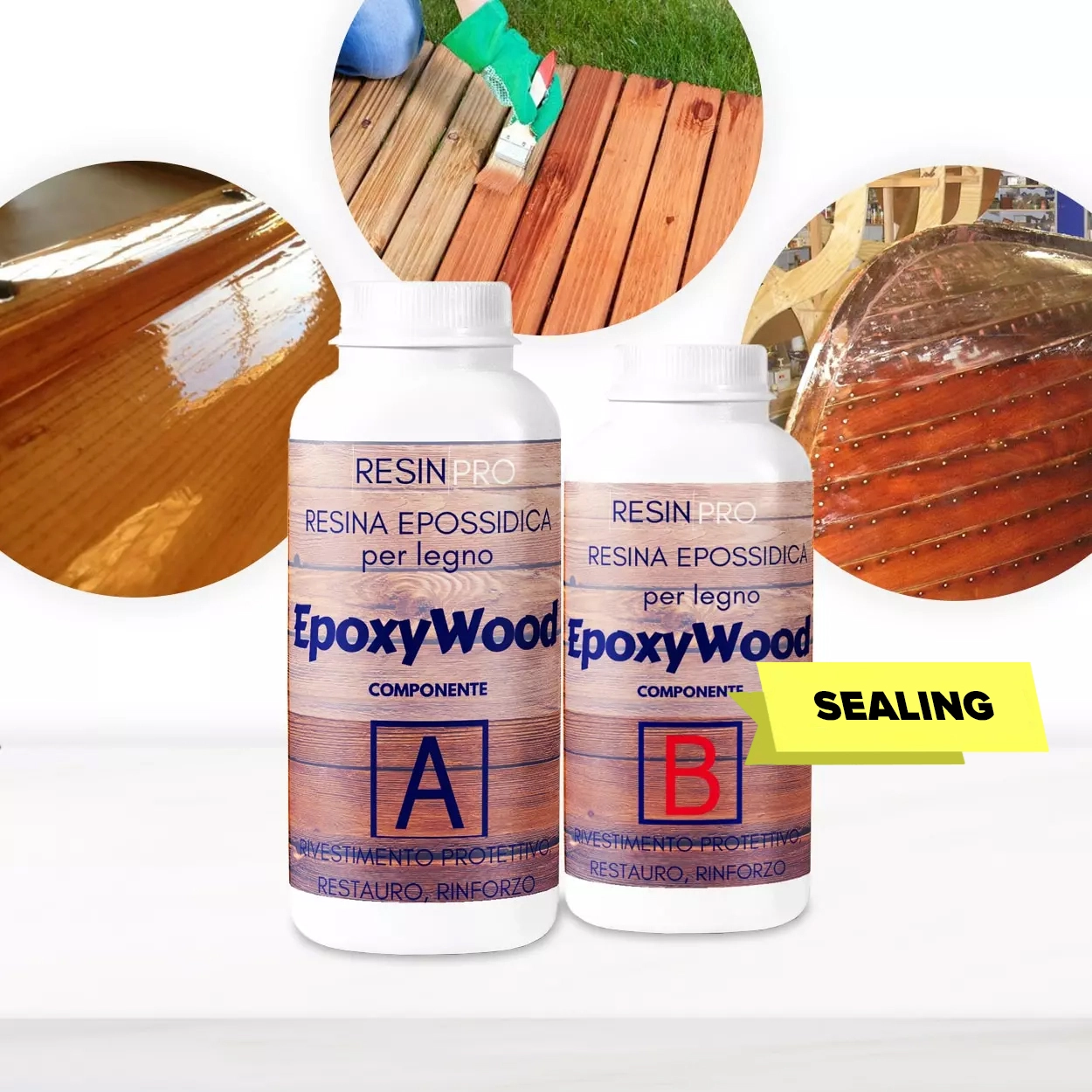
- “EpoxyWood” – Wood Restoration Epoxy Resin for Deep Penetration and Waterproofing: Deeply seals and protects timber before topcoat.
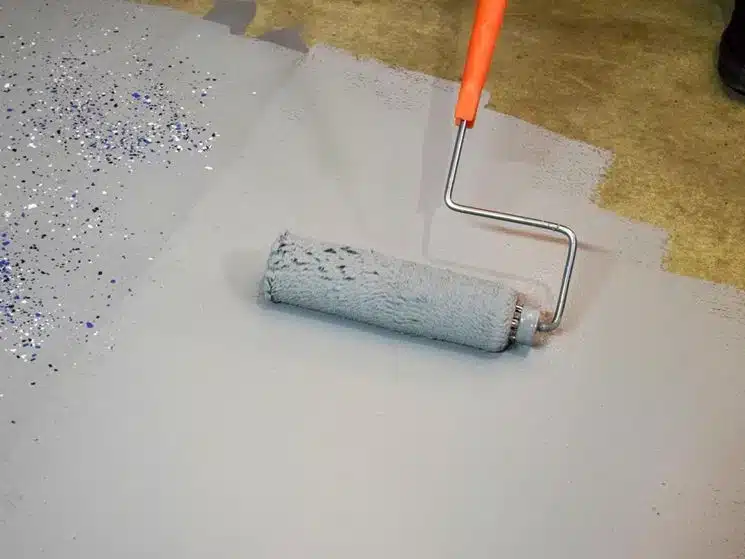
- Resin & Paint Application Rollers – Short-Pile, Large, and Sponge Types: Achieve smooth, even coats throughout the process.
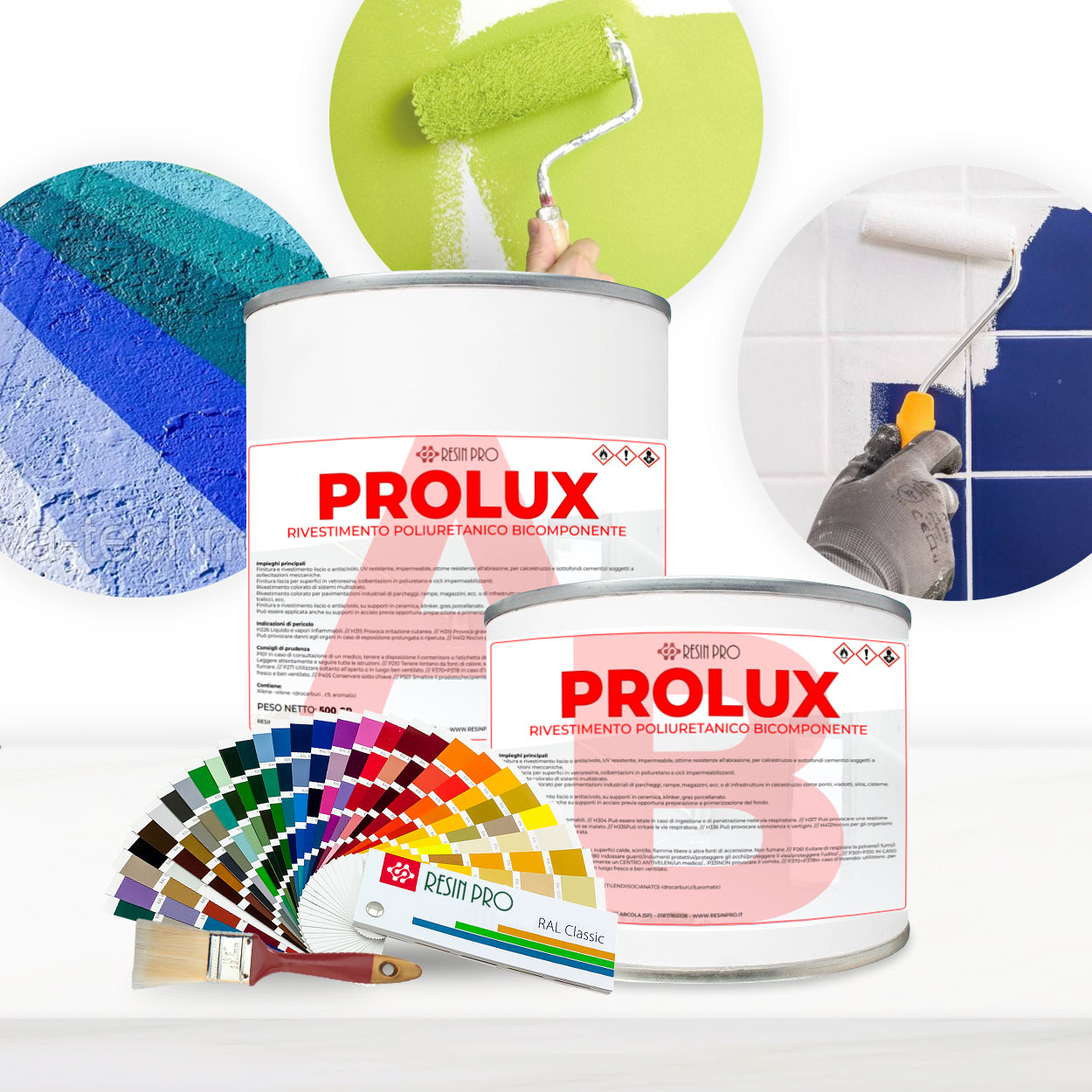
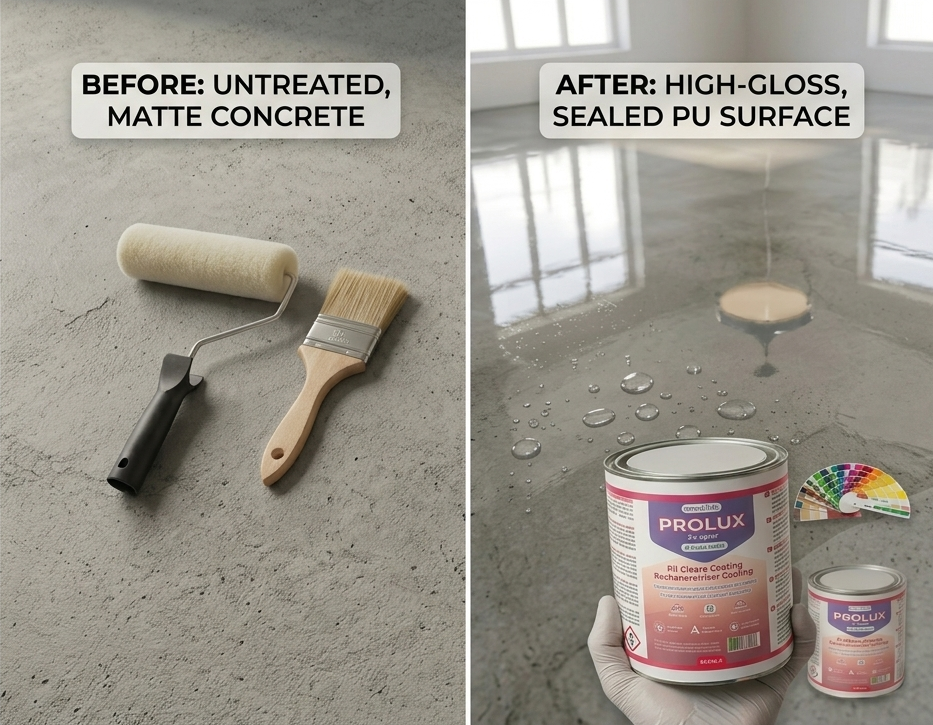
- “Prolux” – PU coating for tiles, concrete, plastic and metal – suitable for driveable surfaces: Optional durable topcoat for added protection and custom finishes.
- Protective gloves and mask
- Fine-grade sandpaper and vacuum or broom
- Mixing containers and stirring tools
- Painter’s tape for skirting boards and edges

Essential Floor Prep & Planning
Thorough cleaning, sanding, and repairing are key to flawless resin finishes. Take time to identify any weak spots or moisture issues in the timber before priming. Superior adhesion begins with a well-prepared wooden floor and the right primer selection.
Step 1: Prepare and Inspect the Timber Floor
Begin by removing all furniture and cleaning the floor thoroughly. Use a fine-grade sandpaper to lightly sand the entire surface, eliminating old paint, dirt, or uneven spots. Pay particular attention to corners and between floorboards to prevent contamination. Once sanded, vacuum to remove dust and debris for a blemish-free finish. Any loose boards or damages should be repaired now, as resin will highlight imperfections. Allow the floor to dry completely before proceeding.
Step 2: Prime the Wood for Enhanced Adhesion
Proper priming is crucial for a resilient result. Apply a specialist primer designed for timber floors—such as “Epoxyprimer” – Universal Water-Based Two-Component Epoxy Floor Primer—to create a stable chemical bond between wood and resin layers. Follow the mixing ratio precisely and spread the primer thinly using a roller or brush. Target even coverage while avoiding drips or puddles.
Let the primer cure as directed (usually 24–48 hours). Do not rush this step; full cure supports adhesion and long-term durability.
Step 3: Seal and Strengthen the Timber Surface
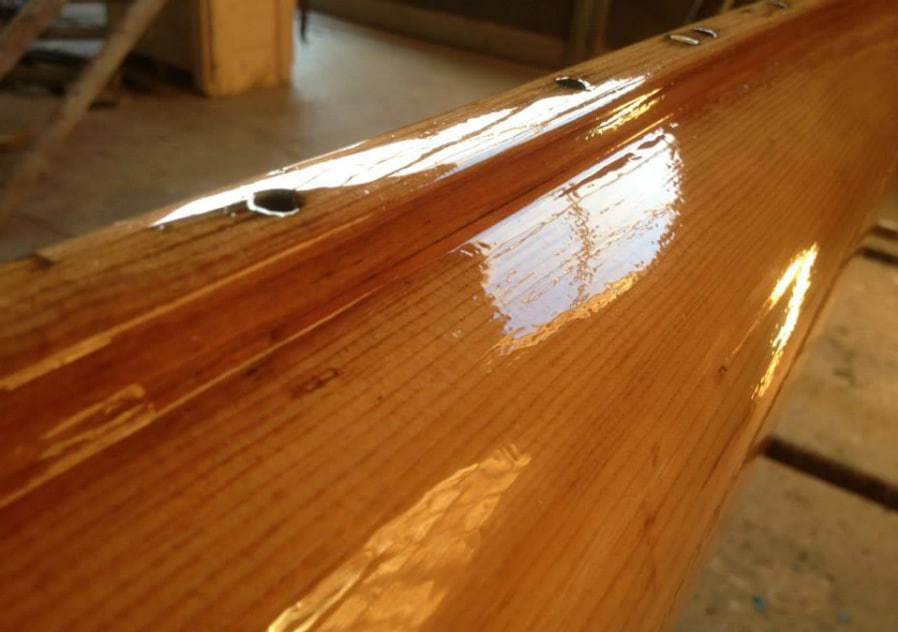
Many timber floors benefit from deep sealing, especially if they are porous, old, or previously untreated. Use a wood-targeted resin such as “EpoxyWood” – Wood Restoration Epoxy Resin for Deep Penetration and Waterproofing to reinforce fibres and protect against moisture. Mix the resin as instructed, then apply in thin coats, allowing each to penetrate and settle. The resin will accentuate natural grain while sealing the timber from within.
Check that the surface remains free of dust and bubbles during curing. If a second coat is needed for complete waterproofing, repeat the application once the first has cured.

Step 4: Apply the Resin or Polyurethane Topcoat
For the final finish, opt for a clear or coloured resin, or a robust polyurethane such as “Prolux” – PU coating for tiles, concrete, plastic and metal – suitable for driveable surfaces if extra toughness or decorative effect is required. Mix components exactly per instructions in a clean container.
Using a suitable Resin & Paint Application Roller, spread the product evenly in thin layers, working in sections. Blend overlaps while avoiding streaks or a milky finish. Allow the topcoat to cure undisturbed for at least the recommended period before resuming use of the room.
Tips, Mistakes, and Troubleshooting for Resin-Coated Floors
Always work in a dust-free, well-ventilated environment to prevent airborne particles from landing on wet resin. Tape off skirting and adjacent areas for neat edges. Wear gloves and follow safety guidelines detailed in each product’s datasheet.
Common pitfalls include rushing the cure times, applying overly thick coats, or skipping surface prep. If you notice bubbles or blushing, gently sand and add another topcoat. Remember, prepping timber ensures professional results that stand up to daily wear and damp exposure.
Finishing Touches & Floor Longevity
To maintain your resin-coated wooden floor’s pristine look, avoid excessive moisture, use furniture pads, and clean with non-abrasive products. Reinforcement from quality resin layers supports long-term reliability and style in any living or workspace.

- "Epoxyprimer" – Universal Water-Based Two-Component Epoxy Floor PrimerPrice range: £156.45 through £286.45"Epoxyprimer" is a water-based epoxy floor primer suitable for concrete, wood, tiles, or screeds, supporting adhesion and durability in resin…
- "EpoxyWood" – Wood Restoration Epoxy Resin for Deep Penetration and WaterproofingPrice range: £27.95 through £41.95"EpoxyWood" is suited for repair and reinforcement of wooden surfaces with a penetrating, waterproof finish.
- Resin & Paint Application Rollers – Short-Pile, Large, and Sponge TypesPrice range: £3.62 through £5.09Rollers designed for precise and uniform application of epoxy resin on surfaces, suitable for professional and DIY use.
- "Prolux" – PU coating for tiles, concrete, plastic and metal – suitable for driveable surfacesPrice range: £44.85 through £494.85"Prolux" PU coating offers a durable polyurethane finish suitable for various surfaces, matching the theme of painting wooden floors with resin.
Frequently Asked Questions
Can resin be used on all wooden floors?
Most solid timber floors are suitable, but surfaces must be dry, clean, and free from movement or oil residues before application.
How long before you can walk on a resin-coated wooden floor?
Wait until the resin or PU topcoat has cured fully—typically 24 to 72 hours—before placing furniture or heavy items on the floor.
Does resin yellow over time on wood?
High-quality coatings such as aliphatic polyurethanes resist yellowing, especially in areas exposed to sunlight and UV radiation.
Are resin floors slippery when wet?
Resin floors can be slippery, but anti-slip additives or mat finishes improve safety on walking surfaces.
How do you clean resin finish on wood?
Use a soft mop or cloth with water and a mild detergent. Avoid harsh chemicals or abrasive pads that can scratch the finish.
Should I use a roller or brush for applying resin?
Rollers provide consistent coverage on larger surfaces; a brush is best for edges and detail work around skirting or fixtures.
Can old painted wooden floors be coated with resin?
All old paint, oils, or finishes must be fully removed. Sanding and priming are essential for adhesion and appearance.