 Free shipping on orders over £29,85
  Shipping Tracking!


 Google
 Facebook
← Back to What to pour into the silicone rubber mold?


Choosing the right resin for your silicone rubber mould projects depends on the finish, clarity, and speed you need. Here’s how epoxy and polyurethane compare and when to use each one in craft and model making.
Epoxy Resin: Best for Clarity and Decorative Projects
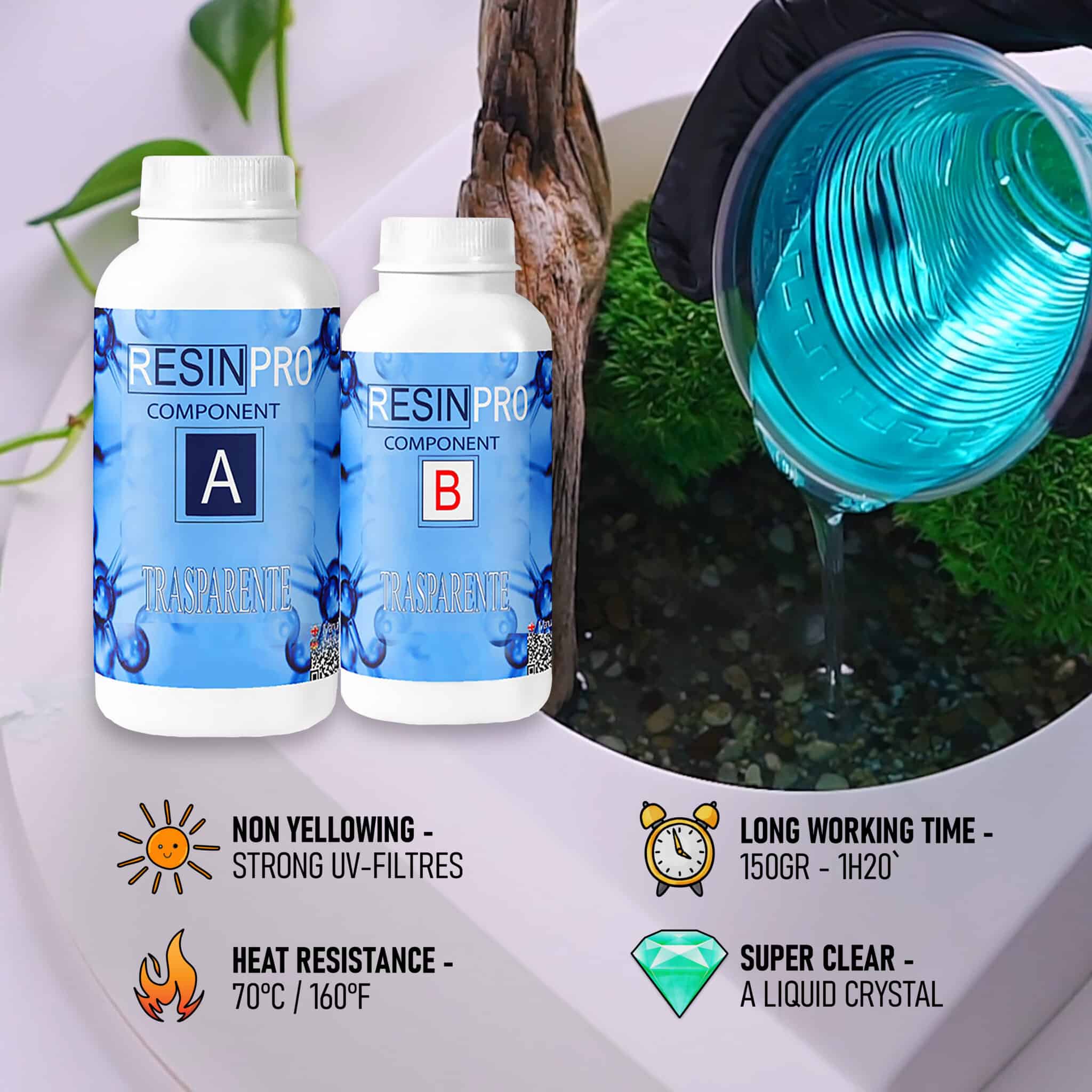
Epoxy resin is the preferred choice when you want a crystal-clear, glossy result. It is self-levelling and retains a high-gloss finish, making it excellent for jewellery, artistic castings, embedding objects, and decorative items. Its transparency is ideal for showing off fine details and inclusions, such as dried flowers or keepsakes. For projects up to 2cm thick, “Trasparente” Clear Epoxy Resin provides an ultra-clear finish with good durability and scratch resistance.

Polyurethane Resin: Fast and Fine for Prototyping
Polyurethane resin cures rapidly and can capture very fine details, making it highly suitable for quick prototypes, model making, or any project with complex silicone moulds. These resins are ideal when you need to produce sturdy, paintable, and detailed castings in a short space of time. For example, “IWhite” Polyurethane Resin sets fast and takes paint well, while “Polyform” Polyurethane Casting Resin offers robust finished parts, ready to handle in about half an hour.
Choosing the Best Option: Practical Guidance
- For clear, decorative, or display objects: Use epoxy resin to achieve a see-through, glass-like result. Pour in layers up to 2cm for best clarity and to avoid overheating.
- For fast, detailed, or paintable castings: Pick polyurethane resin. It reduces turnaround time and handles intricate moulds efficiently.
- Consider your project size, set time, and finish: Match the resin type to your needs—epoxy for slow, precise work and polyurethane for quick, repeatable items.

Related products
Related guides
Whether clarity or speed matters most, both epoxy and polyurethane have their place in silicone mould work. For more on using silicone rubber moulds for creative projects, visit our main guide on what to pour into the silicone rubber mould.