 Free shipping on orders over £29,85
  Shipping Tracking!


 Google
 Facebook
What to pour into the silicone rubber mold?
Key resin choices for silicone mould casting and creative projects
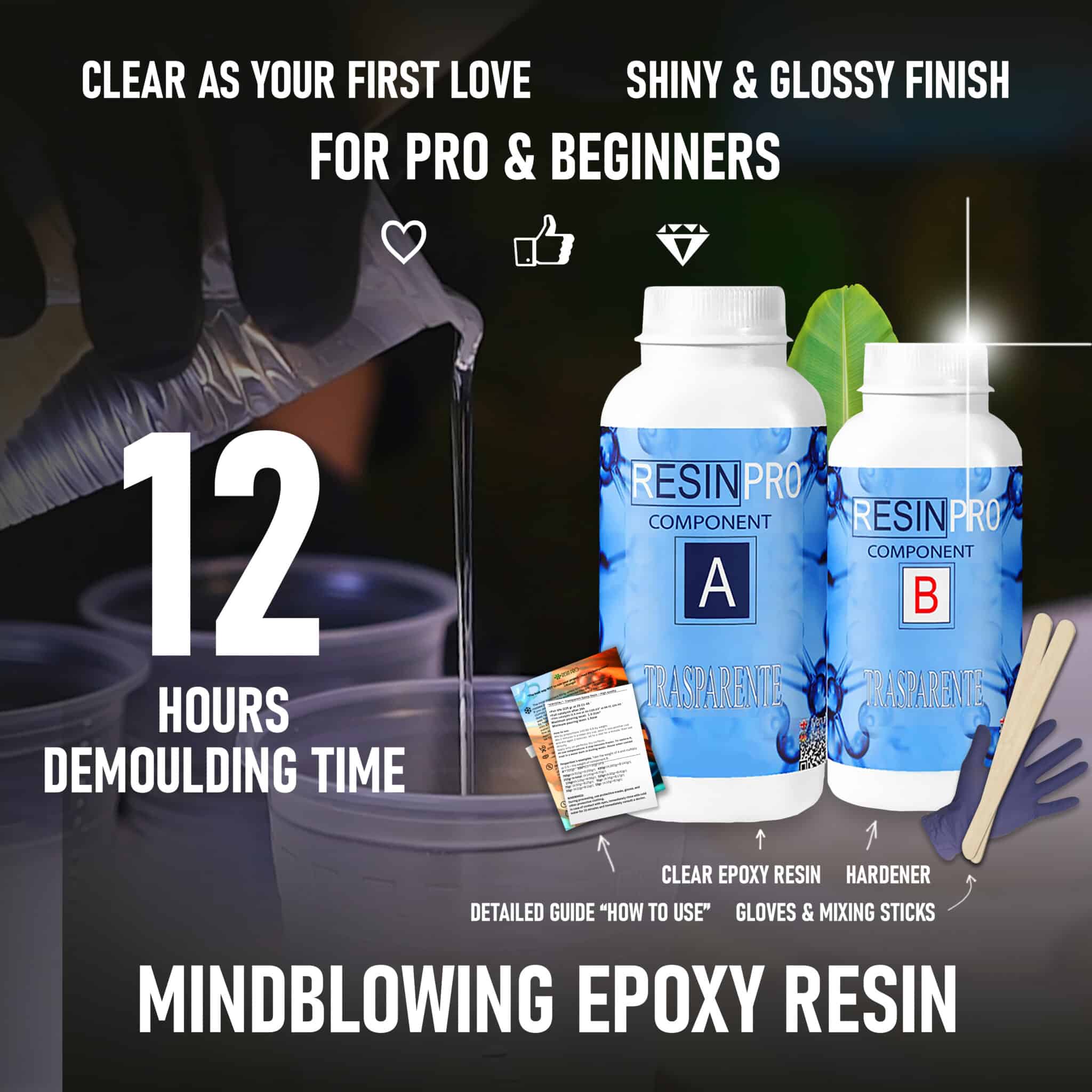
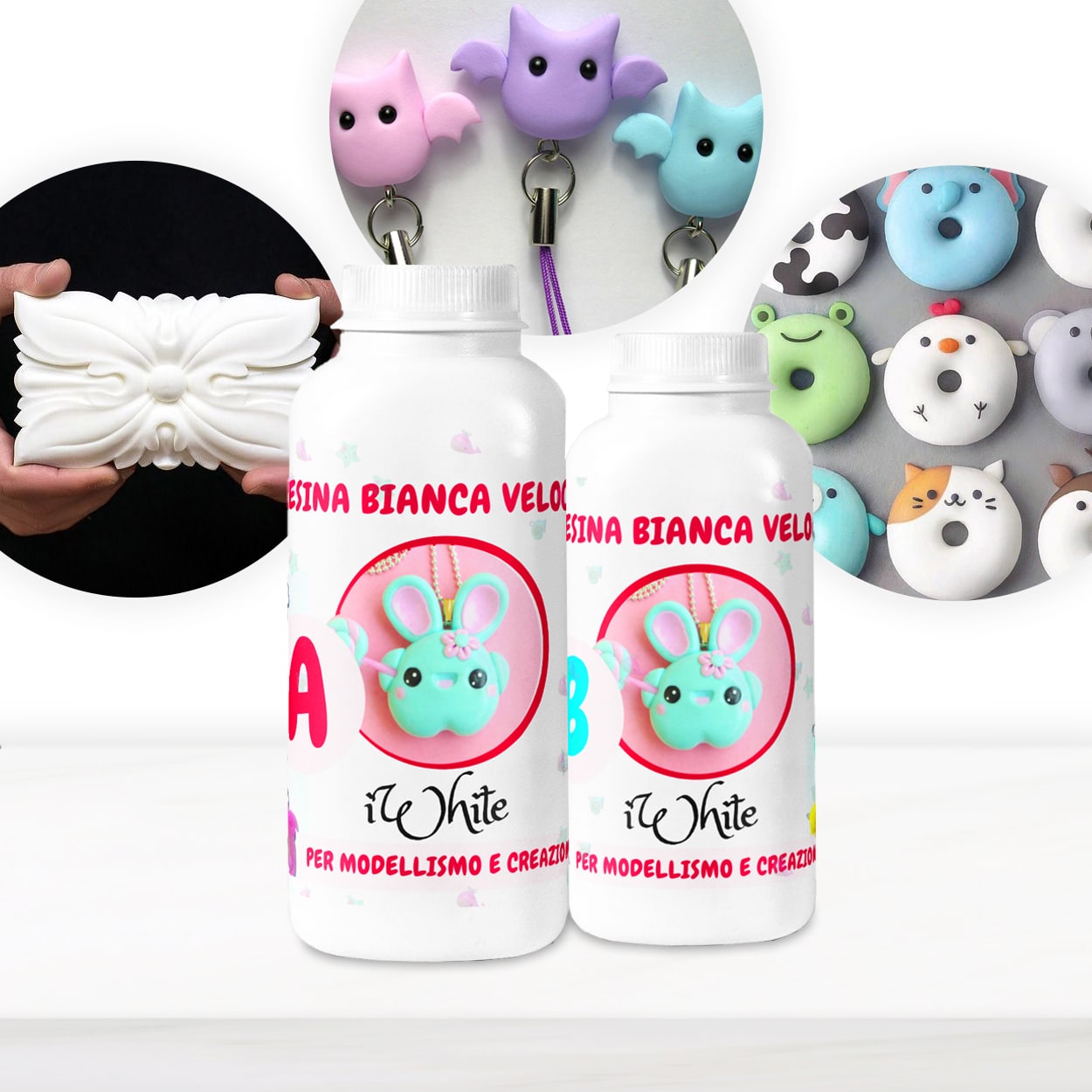
Working with silicone rubber moulds opens the door to detailed, versatile craftwork and functional prototyping. But with a wealth of resin and casting options, it can be tricky to decide what’s truly best to pour into your silicone mould for your specific application. Whether you are making decorative coasters, jewellery, keepsakes, prototypes, or artistic creations, this guide will clarify which pouring materials suit your goals and why.
Comparing Top Casting Materials for Silicone Moulds
Choosing the right material to pour into your silicone rubber mould primarily comes down to your project requirements: clarity, speed, colourability, detail, and strength. Epoxy resin is the go-to for crystal-clear, self-levelling, and durable finishes—perfect for art pieces, keepsakes, and surfaces. For rapid prototyping, two-part polyurethane resins like IWhite and Polyform offer speed and precision, capturing even the finest details. When working with decorative projects featuring intricate shapes or designs, the choice between epoxy and polyurethane mainly depends on the importance of clarity versus speed and paintability.
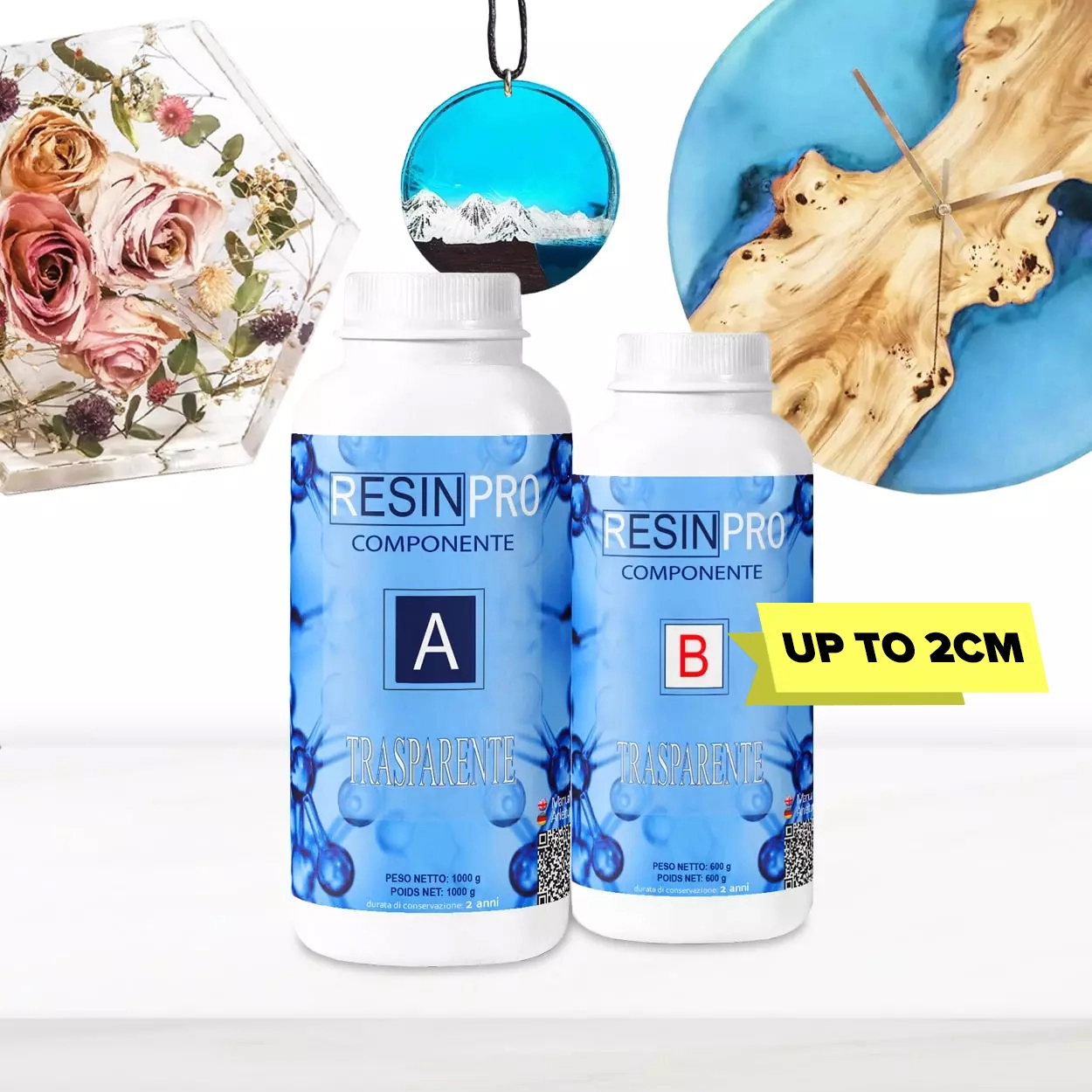
Visual Inspiration: Pouring Materials in Silicone Rubber Moulds
See side-by-side results achieved by artists and makers using epoxy resin and polyurethane resin in various silicone rubber moulds. Notice the difference in clarity, detail, and finish—ideal for sparking ideas for your own castings.
“Trasparente” – Multipurpose Clear Epoxy Resin for Casting – Up to 2cm
“Trasparente” – Multipurpose Clear Epoxy Resin for Casting – Up to 2cm is an ultra-clear, self-levelling epoxy resin tailored for detailed work and creative projects. With its capacity for layers up to 2cm thick, this resin is ideal for encapsulating memories, filling complex moulds, and producing glass-like finishes perfect for art, jewellery, and table creations. Ultra-clear formula and high scratch resistance make it especially suitable for projects where both aesthetics and durability matter. The integrated UV filter ensures clarity over time, safeguarding against yellowing—critical if your pieces will be exposed to sunlight. It’s also cruelty free and vegan friendly, with a certified non-toxic formulation perfect for home and professional use alike. All kits include essentials such as mixing sticks, gloves, and clear instructions to guide successful pouring in silicone rubber moulds.
IWhite – Polyurethane Casting Resin – White, Fast-Curing Two-Part System
If your focus is on rapid prototyping or detailed craft work requiring a hard, paintable finish, IWhite – Polyurethane Casting Resin is engineered for the job. This two-part, highly fluid polyurethane resin sets quickly—demoulding in as little as 30 minutes—making it a superb choice for professionals and hobbyists seeking quick turnaround. Fast-setting and captures fine details, IWhite stands out for its ability to accurately replicate every feature of your silicone mould. It can be coloured or painted, offering broad creative possibilities beyond what clear epoxy provides. The cured result is robust and durable, ideal for model making, design prototypes, and hand-crafted objects requiring immediate handling or custom finishing.
Polyform – Polyurethane Casting Resin, Beige, Fast-Setting for Prototyping
Another solid polyurethane option, Polyform – Polyurethane Casting Resin, Beige, is distinguished by its speed and toughness, curing within 5 minutes and yielding a sturdy, detailed result. As a fast setting: solution, you can demould in half an hour, making it well-suited for small batch production, model making, and rapid prototyping. With high fluidity:, Polyform penetrates even complex, detailed silicone rubber moulds. It is non-toxic when cured, offers a Shore A 100 hardness, yet is not suitable if you require a coloured or transparent finish. Its main strengths shine in practical rapid prototyping and scenarios where speed and strength outweigh aesthetic transparency.
Silicone Hexagons Mould – For Creating with Epoxy Resin
Your creative journey starts with the right mould. The Silicone Hexagons Mould – For Creating with Epoxy Resin – 24x21cm is built from professional-grade silicone with high resistance and durability. Its flexible, reusable design ensures it withstands repeated resin pours without sticking or deforming, and is heat resistant between -40 to +210 degrees Celsius. This makes it the ideal base for both epoxy and polyurethane resin projects, from functional coasters to decorative keepsakes packed with sentimental value. Always ensure gentle cleaning—avoid harsh solvents to preserve the non-stick, easy-demould characteristics.
Tips for Choosing the Right Resin for Your Silicone Mould Project
Selecting what to pour into your silicone rubber mould is driven by the finish you want and project demands. Choose epoxy resin for crystal-clear artwork, impressions with keepsakes, and outstanding surface hardness. Polyurethane resins like IWhite or Polyform are best if you need speed, fine detail, paintability, or are prototyping. Always match the resin’s properties (curing time, thickness limit, colour/clarity, safety) to both the mould type and intended use—insufficient curing, using too thick a layer, or the wrong resin can affect results or demouldability. Patience, correct mixing, and adhering to each product’s specifications deliver the best outcomes.
Expert Project Tips for Mould Casting Success
Plan your project by selecting the right resin for the object’s use—epoxy for transparent display, polyurethane for prototypes or paintable items. Avoid pouring thicker than recommended for each resin to prevent overheating or incomplete cures. Gentle mould care and careful demoulding extend the life of your silicone rubber moulds for countless future pours.

- "Trasparente" – Multipurpose Clear Epoxy Resin for Casting – Up to 2cmPrice range: £8.95 through £397.95"Trasparente" is a clear epoxy resin designed for detailed casting and DIY projects offering a glossy, self-levelling finish up to 2cm thick.
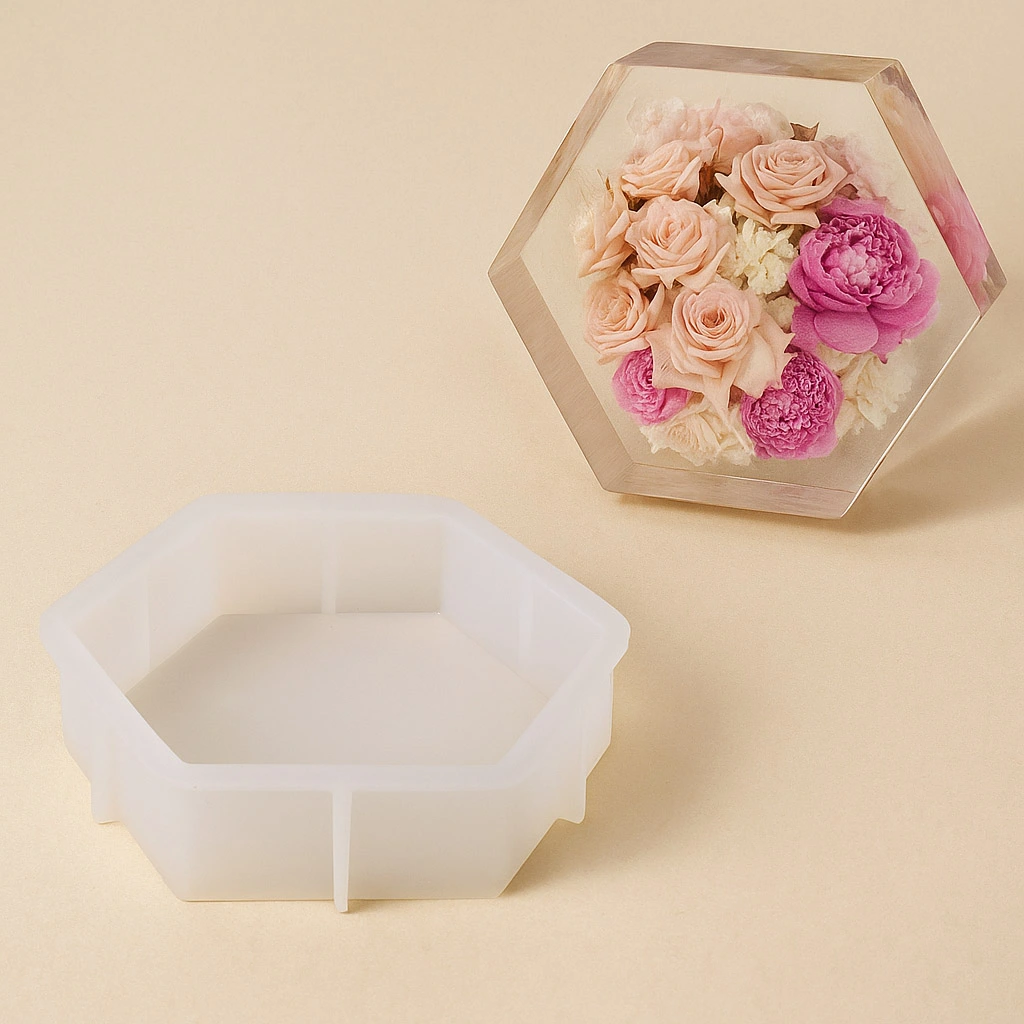 "Silicone Hexagons Mould" – For Creating with Epoxy Resin – 24x21cmOriginal price was: £13.95.£11.85Current price is: £11.85.Flexible silicone mould designed for creating decorative objects and coasters with epoxy resin within the theme.
- “IWhite” – Polyurethane Casting Resin – White, Fast-Curing Two-Part SystemPrice range: £24.00 through £36.95IWHITE is a fast-curing polyurethane casting resin designed for precise, detailed moulding suitable for rapid prototyping and crafting.
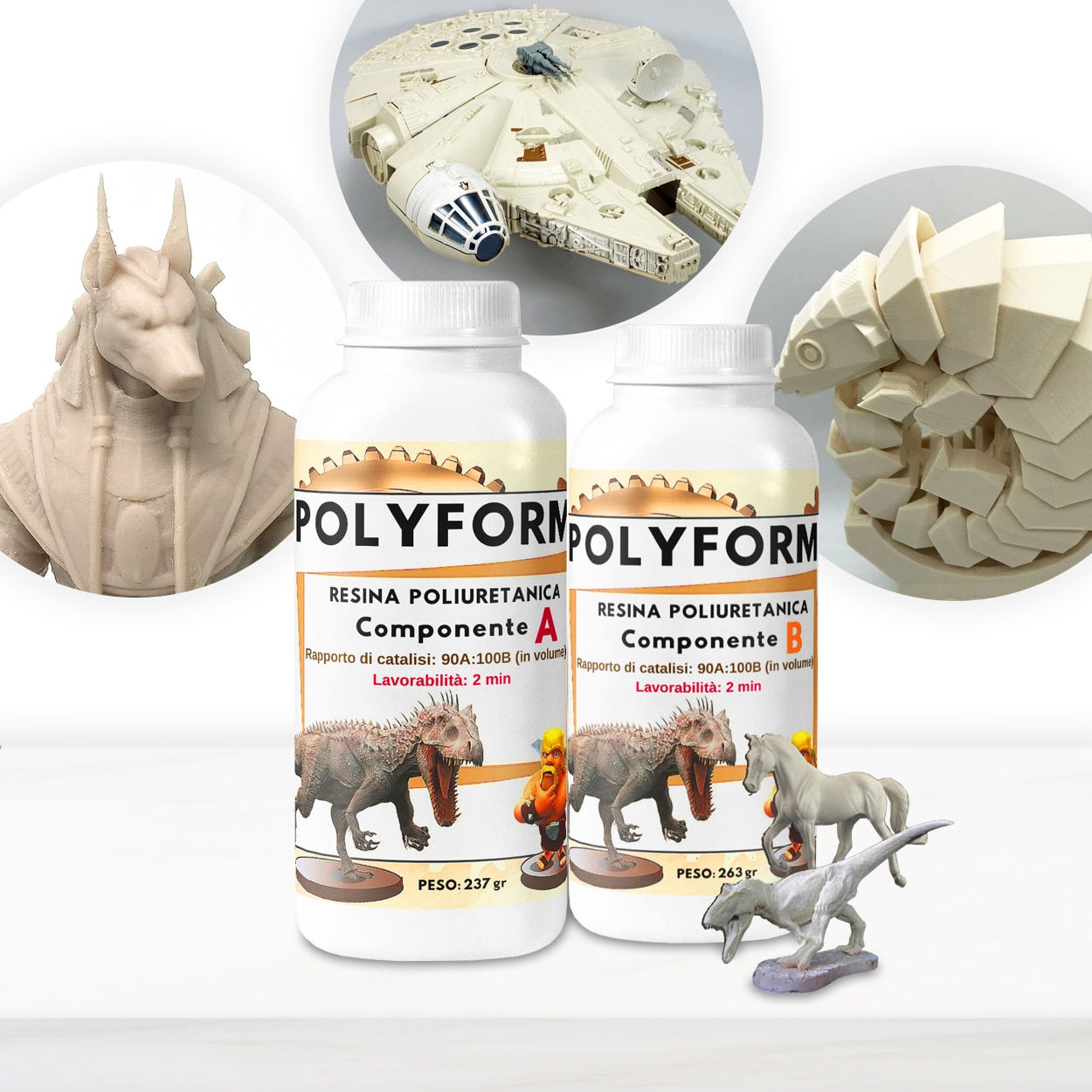 “Polyform” – Polyurethane Casting Resin, Beige, Fast-Setting for PrototypingPrice range: £15.95 through £141.95Polyform polyurethane casting resin is suitable for prototyping and model making with a fast-setting beige formula.
Frequently Asked Questions
Which material is better for pouring into silicone rubber moulds: epoxy or polyurethane resin?
Epoxy is best for clear, decorative items; polyurethane is ideal for fast, detailed, or paintable prototypes.
Can I colour Polyform or IWhite polyurethane casting resin?
IWhite is colourable and paintable; Polyform is not suitable for colouring with dyes.
How do I safely clean and reuse silicone moulds after resin casting?
Wash gently with mild soap. Avoid harsh solvents to maintain the mould's longevity and flexibility.
What are the recommended maximum pour thicknesses for epoxy resin in silicone moulds?
For "Trasparente" epoxy, keep each layer up to 2cm thick to prevent overheating and assure a clear, strong result.
How can I avoid bubbles when pouring resin into silicone moulds?
Mix resin slowly and pour gradually; tap or vibrate moulds to help bubbles rise and escape before curing begins.
What’s the main difference between IWhite and Polyform polyurethane casting resins?
IWhite cures white and is paintable; Polyform sets beige and is intended for fast, unpainted prototyping.