 Free shipping on orders over £29,85
  Shipping Tracking!


 Google
 Facebook
← Back to How do you use Duraloid AL-30 resin?

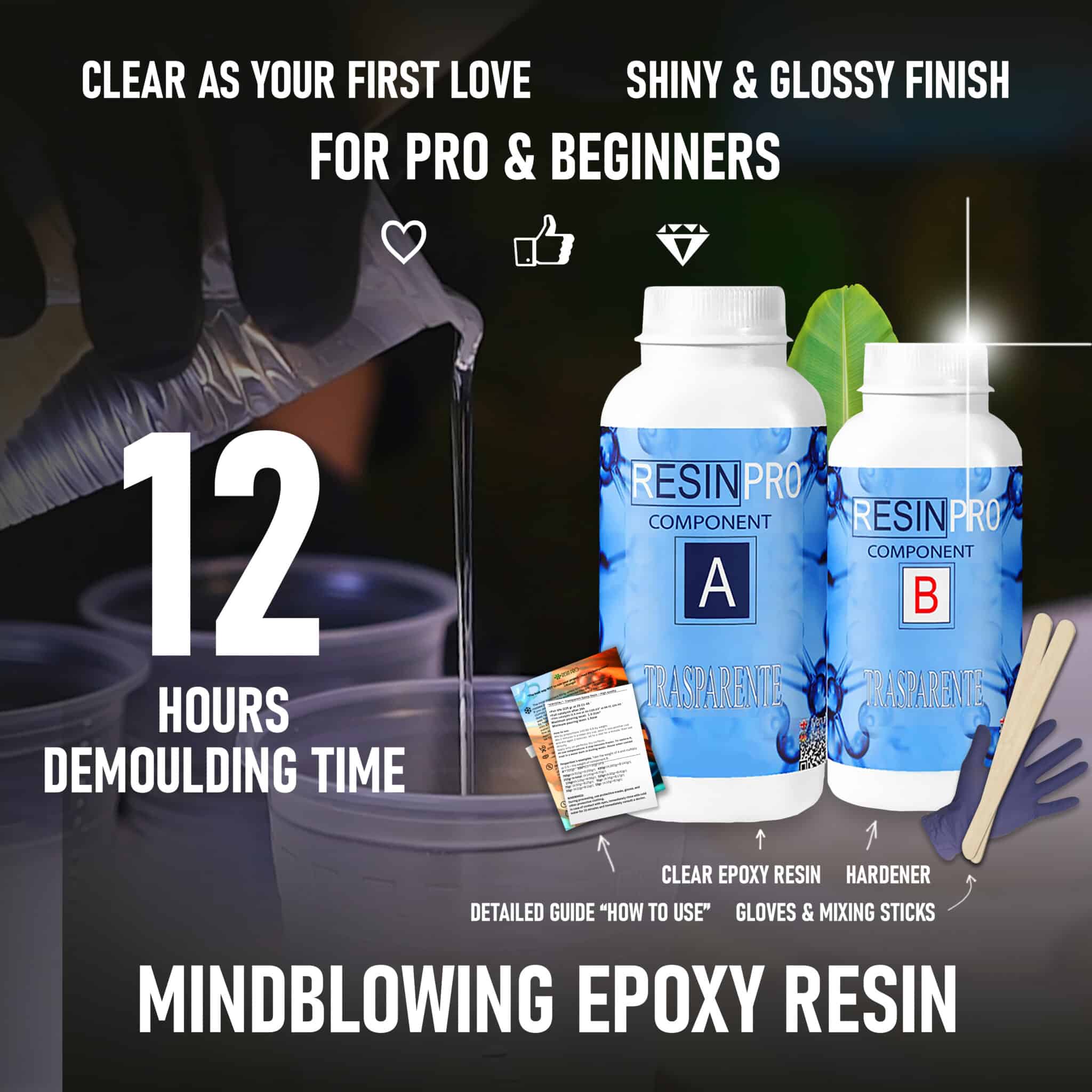
Working with epoxy resin requires careful attention to your workspace environment. The right temperature, humidity, and ventilation can dramatically improve your results and reduce the risk of imperfections as your resin cures.
Temperature: The Key to a Smooth Cure
Resin performs best in spaces kept between 18–25°C. Staying within this range helps the epoxy flow and level evenly, ensuring your finished piece looks professional. Temperatures too low can slow curing and make the resin cloudy, while excess heat may cause rapid curing and bubbles.
Before you begin, allow your resin and hardener to acclimate to room temperature for several hours. This step prevents condensation from forming, which could create surface imperfections.

Controlling Humidity and Ventilation
Managing humidity is crucial—aim for a space with low moisture levels. High humidity can lead to surface blemishes or compromise the clarity of your pour. A dehumidifier can help keep conditions optimal, especially for larger or time-intensive projects.
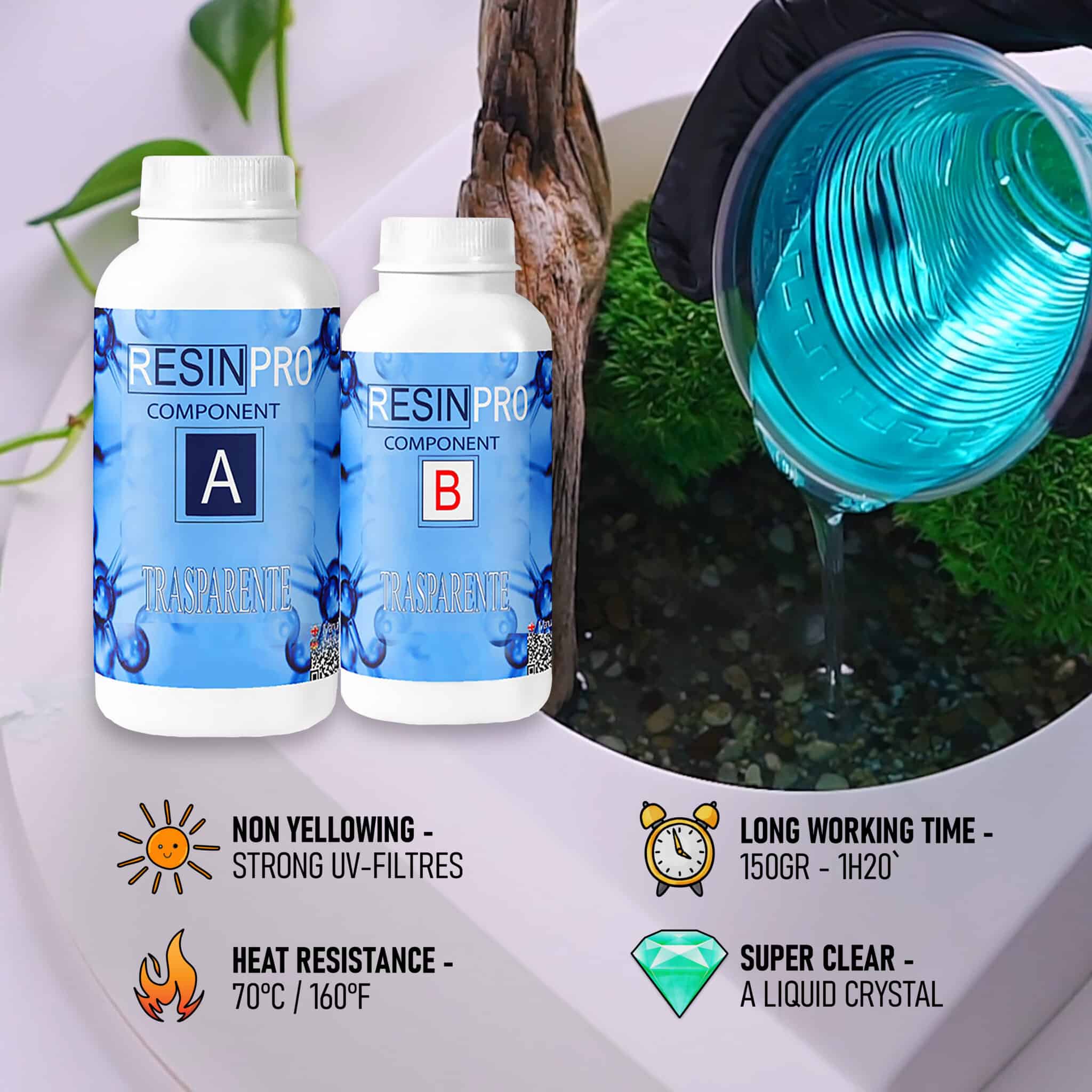
Good ventilation is also essential. While many modern resins such as “Trasparente” multipurpose clear epoxy resin are odourless and solvent-free, working in a well-aired area supports a safer, more comfortable crafting experience.
When This Matters Most
Maintaining ideal room conditions is especially important when aiming for high-gloss, crystal-clear finishes or working on larger pours. It’s also vital when precision and clarity are essential, for instance, in jewellery or artwork that relies on transparency and a smooth surface.

Related products
Related guides
Setting up the right environment gives your resin project the best chance of success. For more tips and product recommendations, explore our advice on how to use Duraloid AL-30 resin and other epoxy solutions tailored to your needs.