 Free shipping on orders over £29,85
  Shipping Tracking!


 Google
 Facebook
← Back to How do you use Duraloid AL-30 resin?
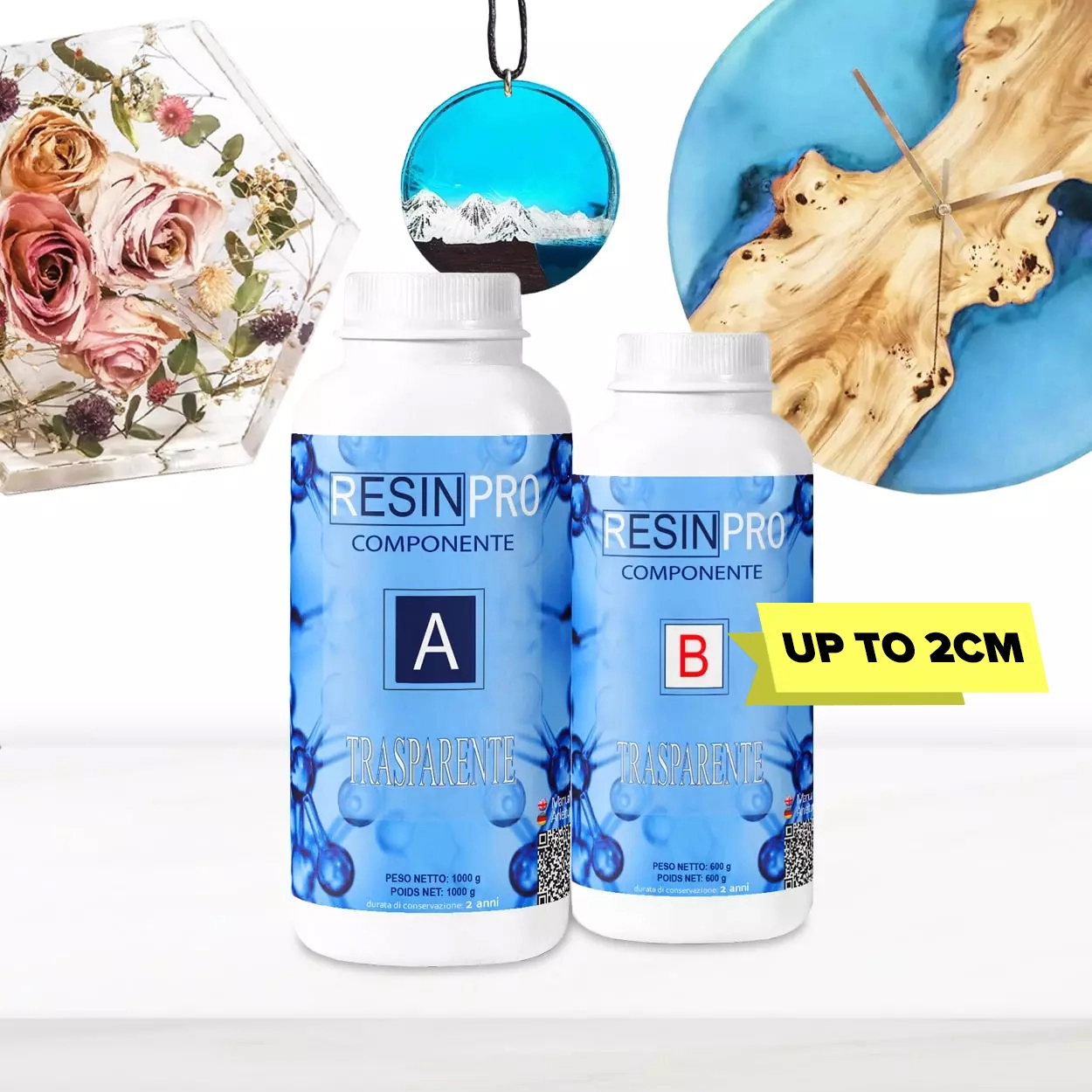
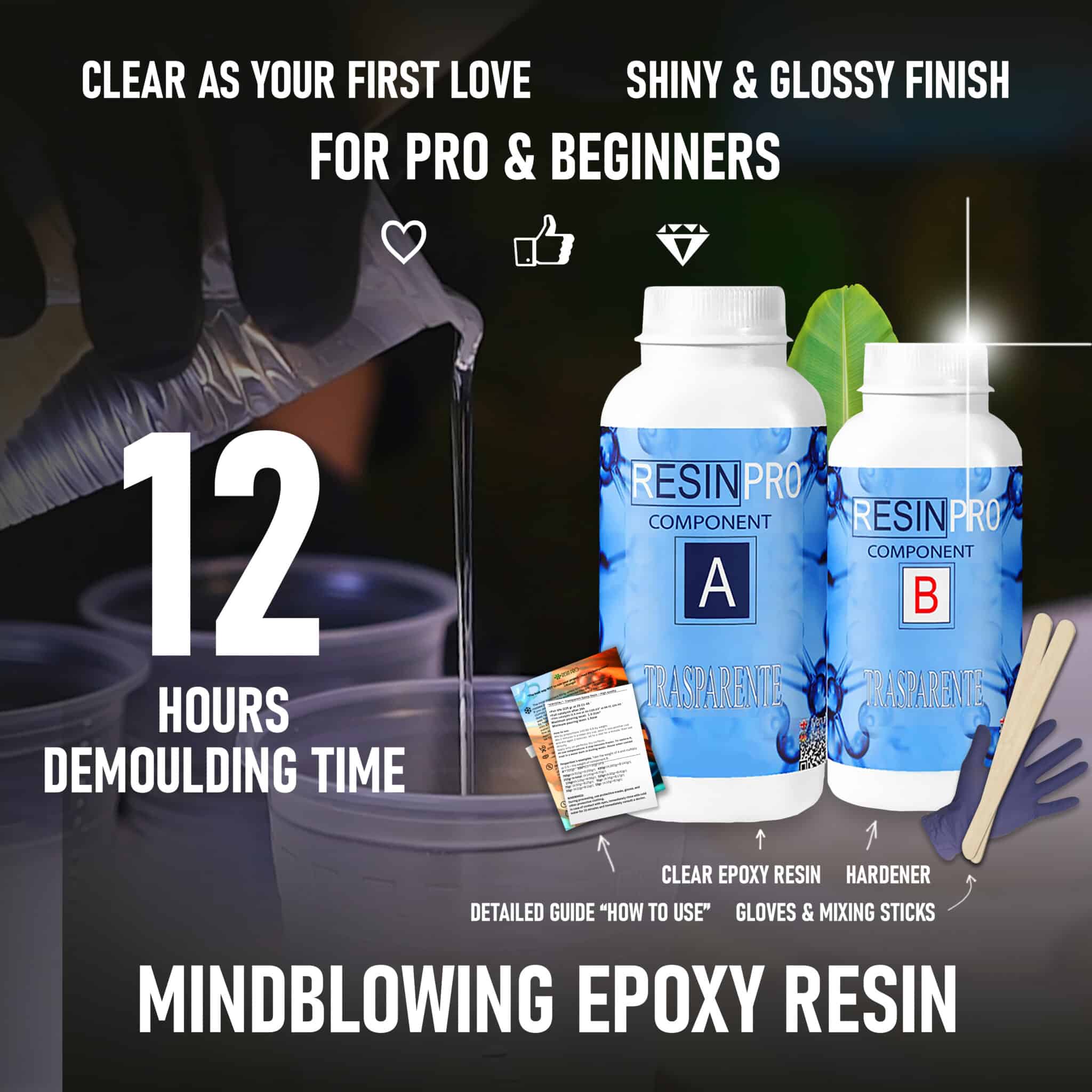
One of the most common challenges when working with epoxy resin is dealing with pesky air bubbles. Whether you are casting art, jewellery, or coatings, achieving a flawless, bubble-free finish is entirely possible by using the right techniques and tools from the start.
Why Do Bubbles Form in Epoxy Resin?
Bubbles appear when air becomes trapped as you mix and pour resin and hardener together. Rapid stirring and vigorous mixing introduce more air, which results in visible bubbles that can spoil clarity. Temperature, humidity, or using moulds with many corners can also increase the likelihood of trapped air.

Practical Steps to Minimise and Remove Bubbles
- Mix Slowly and Steadily: Stir the resin and hardener together at a gentle pace. Avoid whipping action, which can introduce more air. Use a stick or spatula with a flat edge to scrape the sides and bottom of your container while mixing.
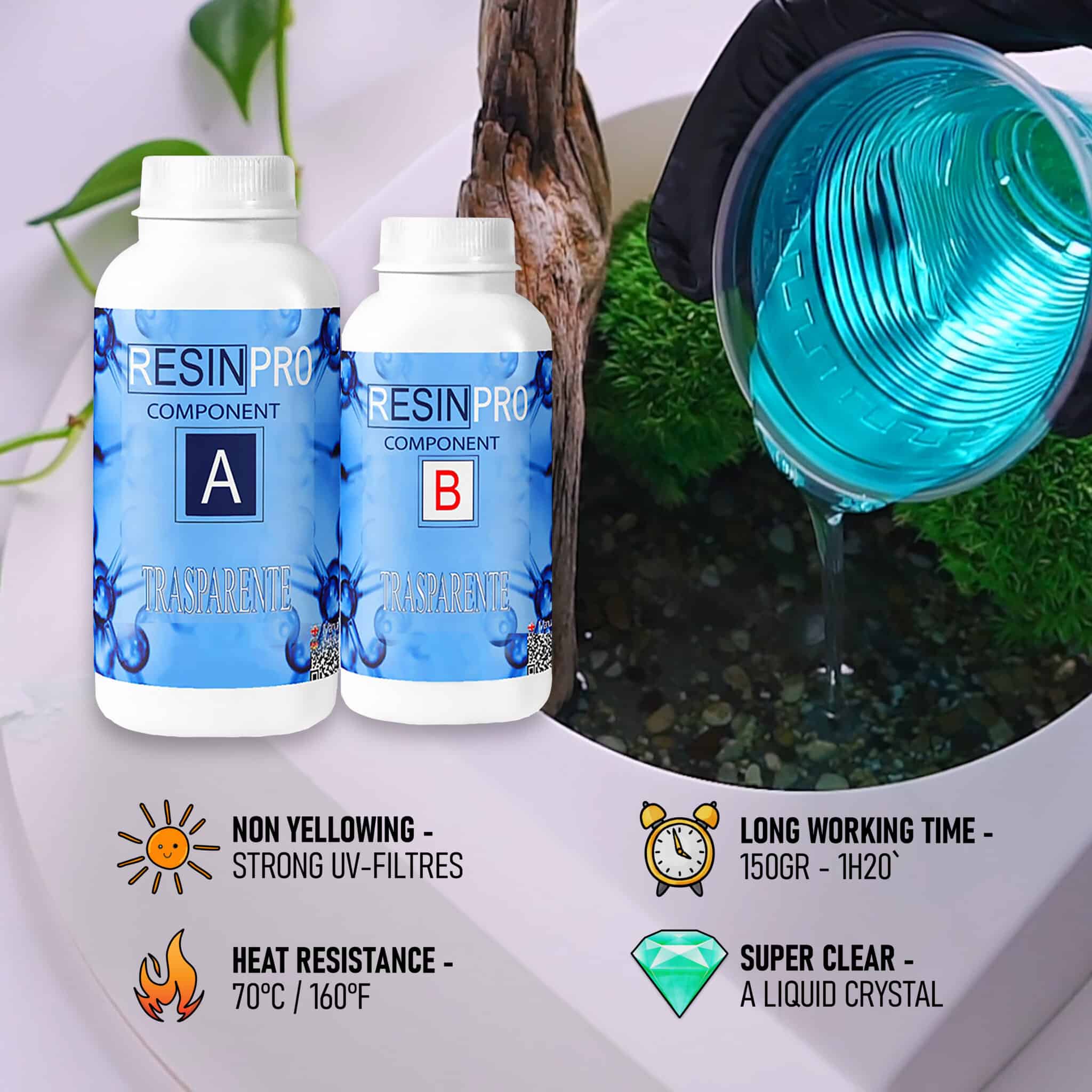
- Pour Carefully: Tilt the mixing cup and allow resin to gently flow in a thin stream. Pouring too quickly can trap air.
- Use a Heat Source: After pouring, pass a gentle heat source (such as a small blowtorch or heat gun on low) just above the resin’s surface. This helps bubbles rise and pop, improving clarity. Avoid holding the heat in one spot to prevent overheating.
- Choose the Right Resin: Select a formulation suitable for your project’s thickness, such as Trasparente epoxy resin for clear castings. Some resins are easier to work with when dealing with air bubbles, especially for beginner projects.
When This Matters
Removing bubbles is especially important for artwork, jewellery, or tabletop pours where clarity and a high-gloss finish are highly visible. Even small bubbles can mar delicate pieces or transparent surfaces.

Related products
Related guides
Perfecting your technique to reduce bubbles will help you achieve consistently beautiful results with epoxy resins. For more guidance on successful resin projects, visit our main guide on using Duraloid AL-30 resin.