 Free shipping on orders over £29,85
  Shipping Tracking!


 Google
 Facebook
How do you apply a vitrifying resin to a painting?
Achieve a glass-like protective finish on your artwork
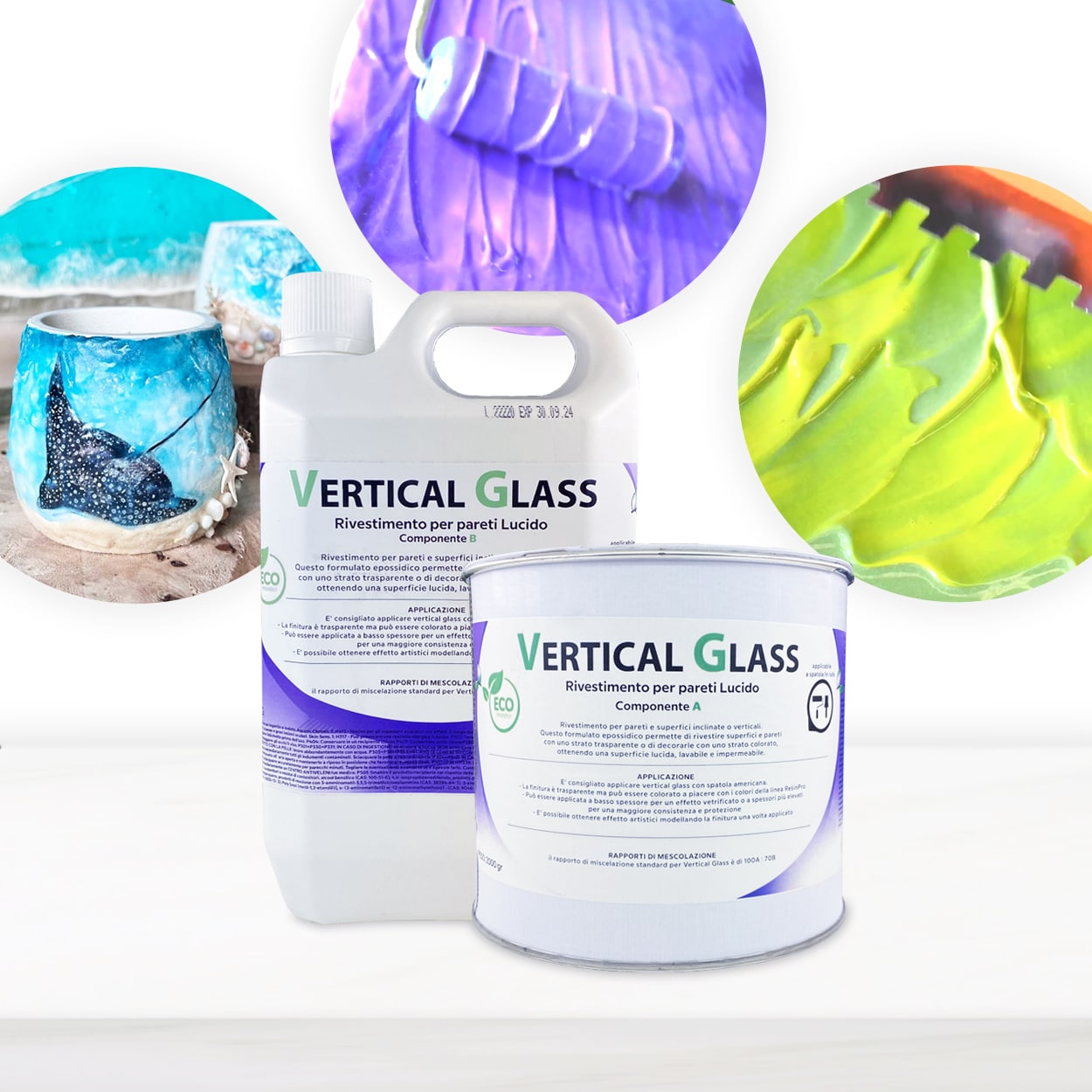

Transforming your artwork with a vitrifying resin finish not only enhances visual impact but also locks in longevity and shine. This guide takes you through each essential step to achieve a professional, glass-like layer over paintings—perfect for artists, crafters, and anyone seeking an elegant protective coating.

What You’ll Need
- “Art Pro” – Clear Epoxy Resin for Artists and Surface Coating: For high-gloss, clear finishes suitable for paintings and artwork.
- “Trasparente” – Multipurpose Clear Epoxy Resin for Casting – Up to 2cm: Opt for deeper or slightly thicker coatings or embedding small mixed-media elements.
- Resin & Paint Application Rollers – Short-Pile, Large, and Sponge Types: For applying and evenly distributing resin across your artwork.
- Protective gloves and apron
- Mixing sticks and graduated cups
- Drop cloth or protective surface cover
- Masking tape (for framing edges and underside)
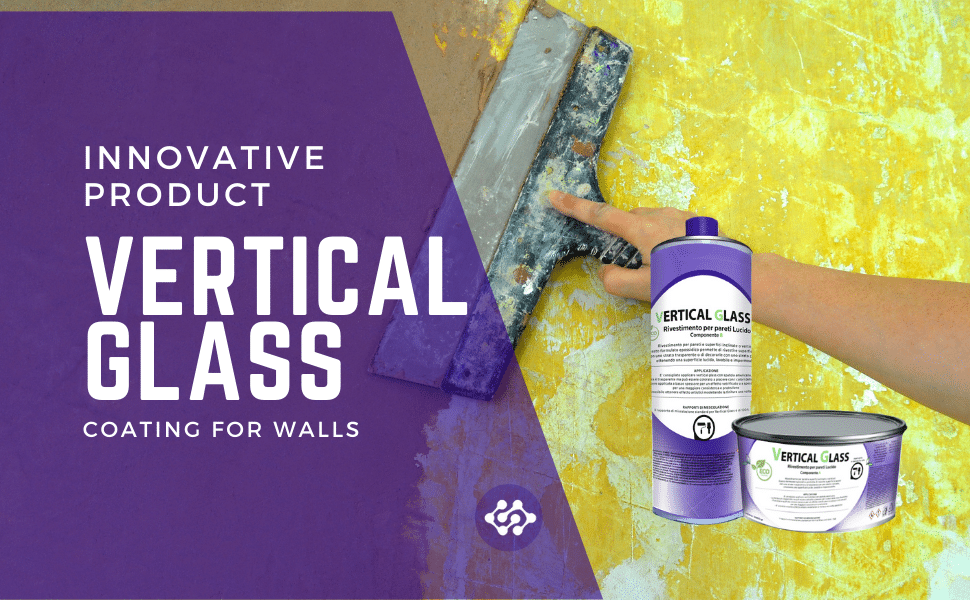
Visualising Your Resin Application
See the transformation as resin is applied, producing a smooth, highly glossy finish that enhances depth and colour. Rollers allow even spreading for a flawless, vitrifying effect.
Step 1: Prepare Your Painting and Workspace
Begin by making sure your painting is completely dry and free of dust, oils, or loose pigments. Place the artwork on a level, protected surface and elevate it slightly using blocks or cups so that resin can drip off the sides if needed. Use masking tape to protect the edges or the back of your canvas behind the frame, minimising mess and clean-up.
Always work in a dust-free, well-ventilated space to ensure optimal results and safety. Prepare all materials in advance to streamline the process, as resin has a limited working time once mixed.

Step 2: Mix the Resin Carefully
Follow the instructions for your chosen resin, measuring each component precisely. For artworks requiring a clear, vitrified effect with strong UV resistance, “Art Pro” – Clear Epoxy Resin for Artists and Surface Coating is an excellent choice. Mix thoroughly yet gently, scraping the sides and base of your mixing container for uniform consistency.
Avoid whipping air into the mixture to minimise bubbles. Let the mixed resin rest for a minute to allow surface bubbles to rise and pop naturally.
Step 3: Apply the Resin Evenly
Pour the resin slowly onto the centre of your painting. Using a Resin & Paint Application Roller, distribute the resin smoothly to the edges and corners. For detailed or textured surfaces, a short-pile roller may help ensure complete coverage without disturbing the artwork underneath.
Use a level surface to prevent resin pooling, and work methodically for an even, glass-like finish. Avoid over-spreading as this can introduce bubbles or move the resin off the surface.


Step 4: Remove Bubbles and Allow to Cure
Once applied, inspect the resin-coated surface for bubbles. These can usually be popped using a gentle pass with a heat gun or a kitchen torch held at a safe distance. Avoid excessive heat to prevent damage to the painting.
Avoid overworking the resin to reduce bubbles. Let the piece cure fully as specified in your resin’s instructions—typically 12–24 hours for most epoxy resins. Keep the artwork dust-free during this time for a flawless finish.
Allow full curing time before handling or displaying the artwork to ensure a durable, vitrified surface that resists scratching and moisture.
Tips and Common Mistakes
For best results, maintain a stable room temperature and avoid high humidity. Never rush the mixing process, and always measure resin and hardener by volume or weight as per the product instructions. If you notice unevenness or drips, lightly sand once cured and apply a second coat if necessary.
Be aware that using the wrong type of resin can result in yellowing, surface imperfections, or poor adhesion. Test your approach on a small section before coating valuable work.

Achieving Flawless Results
Good technique prevents streaks and bubbles, producing an almost glass-like shield over your artwork. Be patient and work carefully for a truly professional result.
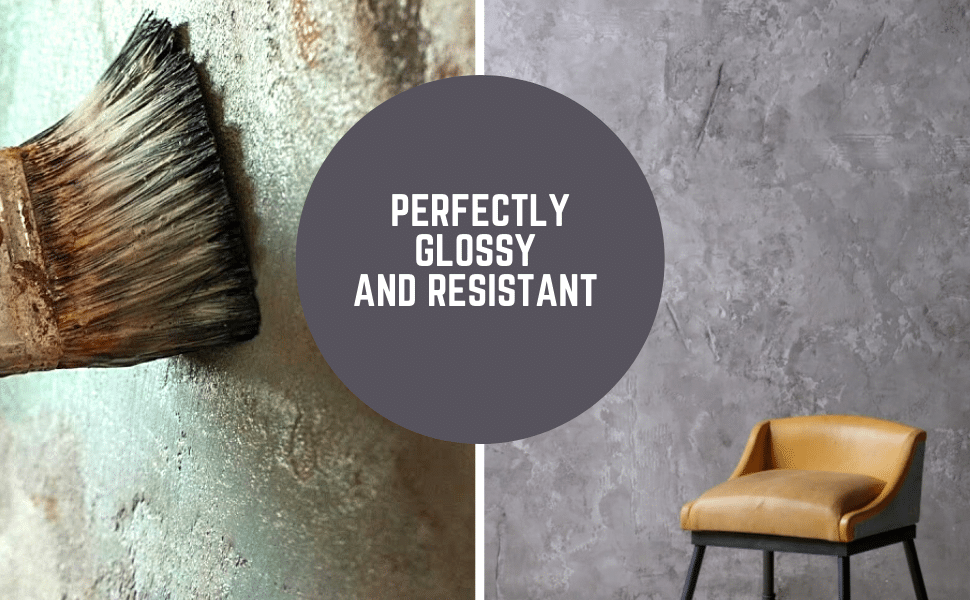
- "Vertical Glass" – Thick Resin Decorative Wall CoatingPrice range: £78.95 through £188.95Vertical Glass resin coating provides a waterproof, customisable finish for vertical and sloping surfaces, suitable for interior decorative use.
- "Art Pro" – Clear Epoxy Resin for Artists and Surface CoatingPrice range: £19.95 through £267.95Art Pro clear epoxy resin is designed for artists and crafters seeking durable, clear coatings with UV protection and a smooth finish.
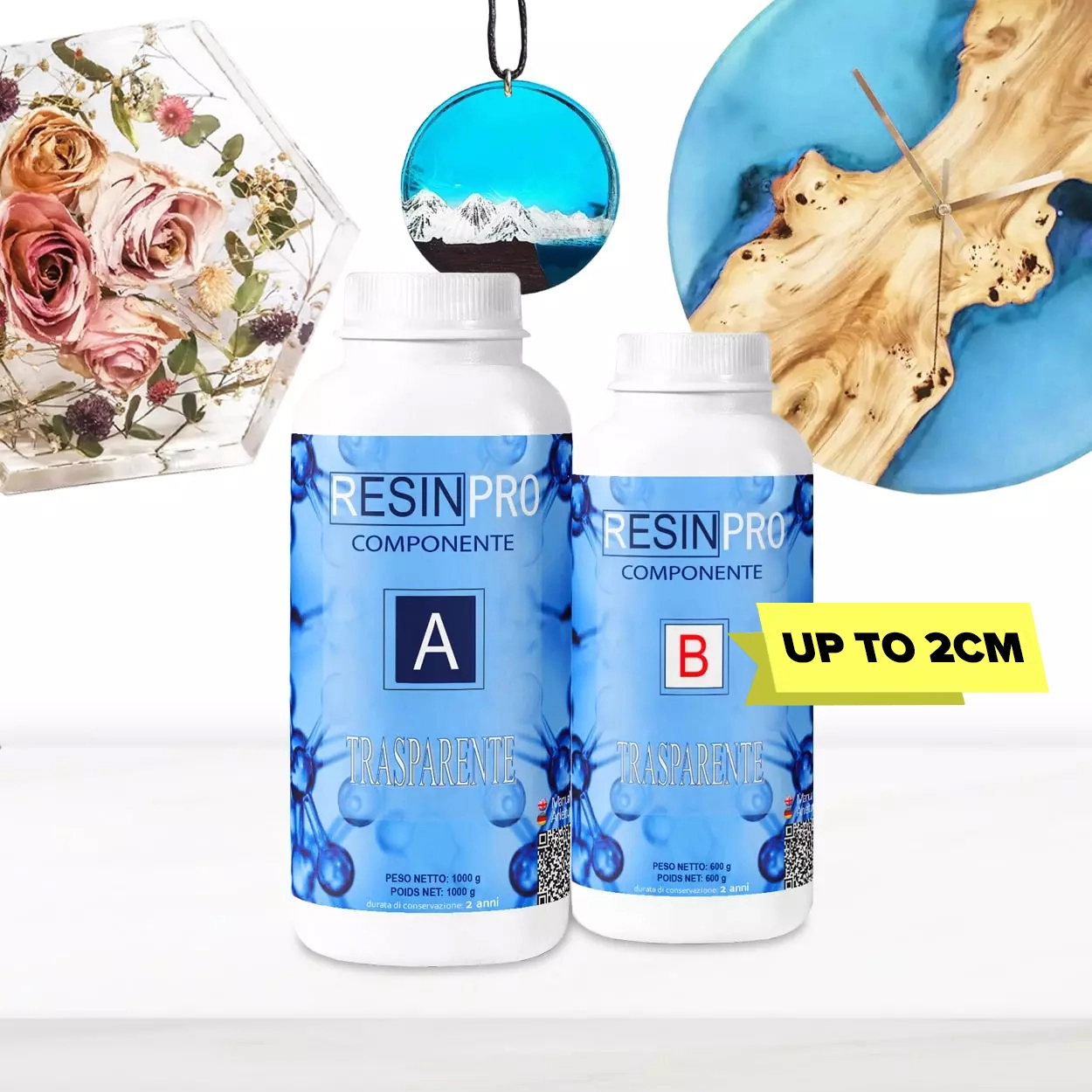 "Trasparente" – Multipurpose Clear Epoxy Resin for Casting – Up to 2cmPrice range: £8.95 through £397.95The "Trasparente" clear epoxy resin is suitable for detailed casting and DIY projects offering a self-levelling, glossy finish up to 2 cm thick.
 Resin & Paint Application Rollers – Short-Pile, Large, and Sponge TypesPrice range: £3.62 through £5.09These rollers are designed for epoxy resin applications, offering precision and uniformity suitable for resin surfaces.
Frequently Asked Questions
Will resin affect my painting’s colours?
Epoxy resins usually enhance colour depth and brightness, but always test on a small section if using sensitive or water-based paints.
Can I use resin over oil paintings?
Only fully cured oil paintings should be coated with resin to avoid future delamination or yellowing.
How can I prevent dust settling in my resin finish?
Work in a clean space and cover the artwork after application to shield from airborne particles as it cures.
What is the best resin thickness for paintings?
A 1.5 to 2 mm layer provides strong protection and a vitrified look without excessive weight or risk of run-off.
Is it safe to use a heat gun to remove bubbles?
Yes, if used carefully and briefly. Do not hold it too close to avoid damaging the painting beneath the resin.
How long should I wait before handling my resin artwork?
Wait at least 24 hours for initial curing, but several days for full hardness before heavy handling or framing.