 Free shipping on orders over £29,85
  Shipping Tracking!


 Google
 Facebook
← Back to How to restore a cement resin coating?
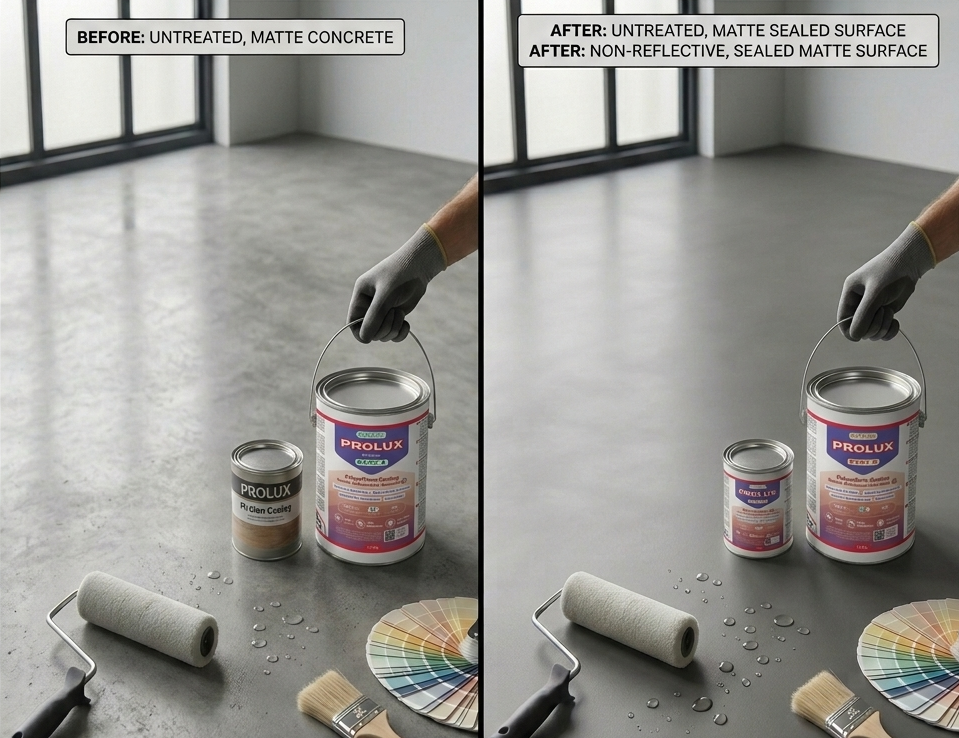
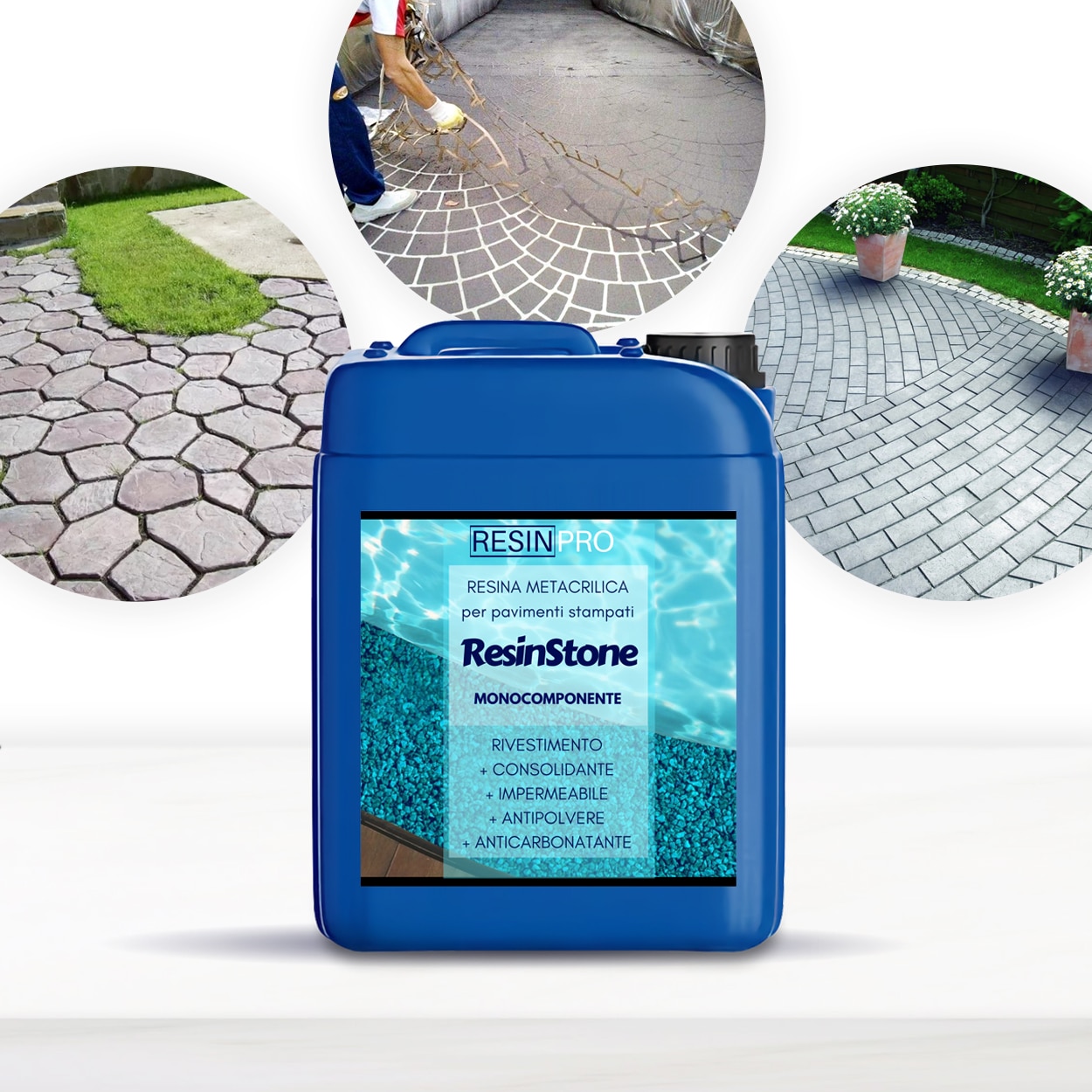
Safety is a top priority on resin-coated surfaces, especially in areas exposed to water or heavy use. Fortunately, resin coatings can be tailored for non-slip properties using a few simple methods during installation or restoration.
Methods for Creating Non-Slip Resin Coatings
The most common way to achieve a non-slip finish is by incorporating fine aggregate, such as quartz, silica sand, or special anti-slip granules, into the resin while it’s still wet. Alternatively, selecting a matt or satin polyurethane (PU) topcoat—like Prolux—can reduce slipperiness by providing a subtle texture. Both approaches offer effective slip resistance suitable for concrete floors, driveways, and walkways.

Buying and Application Guidance
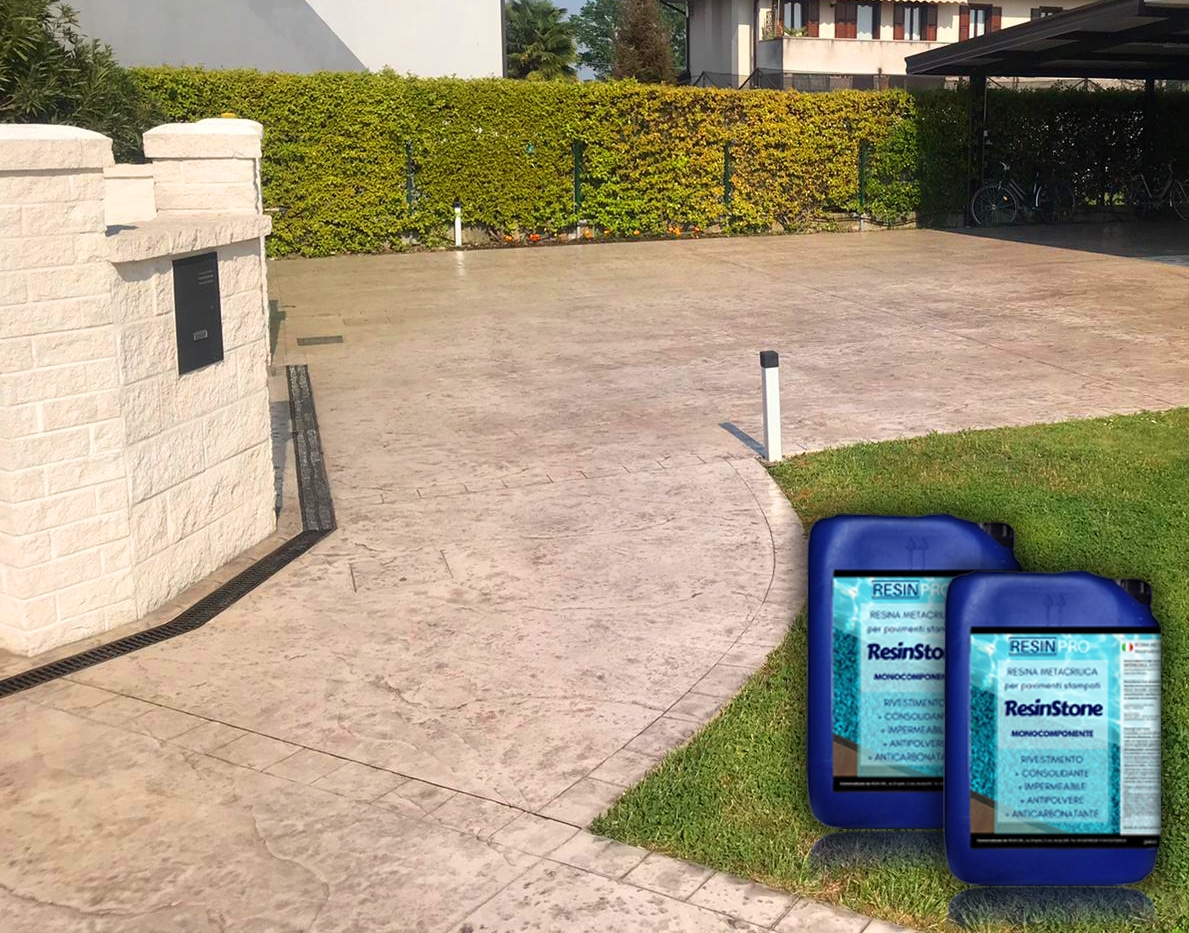
When selecting products for a non-slip resin surface, look for coatings that specifically mention compatibility with anti-slip aggregates or offer a matt finish. During application, evenly broadcast the fine aggregate onto the freshly applied resin, then seal it with an additional clear or pigmented topcoat to lock in the texture. Products like Resinstone for concrete or methacrylic bases are ideal for this method. Always follow manufacturer guidelines for the best and safest results.
When This Matters Most
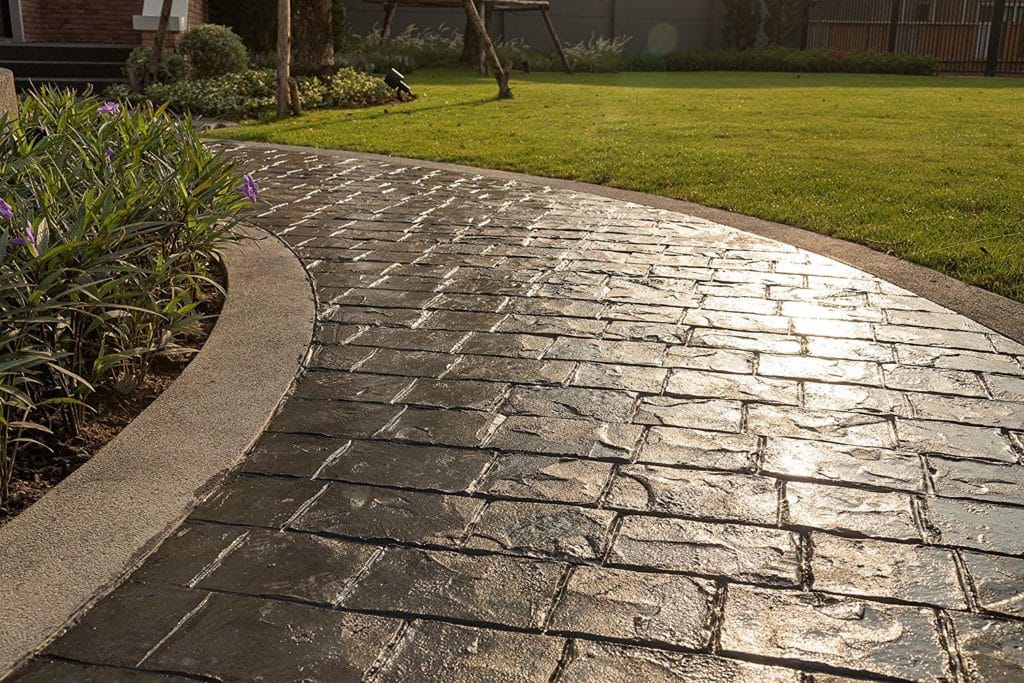
- Outdoor pathways and driveways where rain increases slip risks
- Garage floors or workshops with potential oil or water spills
- High-traffic public areas or commercial entrances
Related products
Related guides
Creating a non-slip finish is a smart step when restoring cement resin coatings. For more tips on achieving safe, long-lasting surfaces, visit our main guide on cement resin coating restoration.