 Free shipping on orders over £29,85
  Shipping Tracking!


 Google
 Facebook
How do you brush on epoxy paints?
Achieve smooth, durable finishes with expert brush techniques.


Brushing on epoxy paints allows you to achieve durable, smooth finishes on surfaces ranging from art panels to floors and furniture. This guide is ideal for beginners and experienced crafters who want to apply epoxy paints neatly and achieve results free from drips, brush marks, or uneven coverage. We’ll outline the essentials—from prepping your surface to mastering application technique—so you can confidently brush on epoxy paints for any project.
What You’ll Need
- 12-Piece Artists Paint Brush Set for Epoxy Resin Art & DIY Projects – best for fine control and versatility in resin-based art or detail work.
- 5-Piece Disposable Paint Brush Set for Art, Crafting & DIY Projects – convenient for quick, single-use applications and intricate spots.
- “Epoxyprimer” – Universal Water-Based Two-Component Epoxy Floor Primer – surfaces like wood or concrete may require priming for best adhesion.
- “Art Pro Deluxe” – Ultra-High Viscosity Epoxy Resin for Artists – ideal for detail-rich art and vertical applications that demand control.
- Protective gloves and apron
- Mixing sticks and clean containers
- Tape and dust sheets (for masking and protecting surfaces)

Visualising the Brushing Process
See how detailed epoxy painting is achieved by using a selection of brushes to apply even coats to both fine art panels and practical surfaces. Notice the difference between broad and detail brush shapes for various effects.

Step 1: Prepare the Surface
Careful preparation is crucial before you start brushing on epoxy paints. Ensure all surfaces are thoroughly cleaned to remove dust, grease and previous finishes. Light sanding of glossy or previously coated substrates can help new epoxy adhere better. If you’re working on concrete, timber, tile, or screed, priming can significantly improve performance. Consider “Epoxyprimer” – Universal Water-Based Two-Component Epoxy Floor Primer for this job—it delivers strong, lasting adhesion across a variety of surfaces. Allow primer coats to cure fully before proceeding.
Step 2: Mix and Ready the Epoxy Paint
Follow the product instructions exactly to mix your epoxy paints or resin. Most two-part formulas require combining resin and hardener at a specific ratio and stirring gently but thoroughly to avoid introducing bubbles. Use a clean, dry container and a flat mixing stick. Only prepare the volume you can apply within the product’s working time, as epoxy can begin to set rapidly once mixed. Having everything ready before mixing helps avoid unnecessary delays.


Step 3: Select and Load Your Brush
Choose the right brush for your job. Fine art projects or detail work call for the 12-Piece Artists Paint Brush Set for Epoxy Resin Art & DIY Projects, providing precision and a variety of shapes. For broader coverage or single-use needs, the 5-Piece Disposable Paint Brush Set for Art, Crafting & DIY Projects is a time-saver. Load the brush lightly with epoxy paint, tapping off excess to prevent drips.
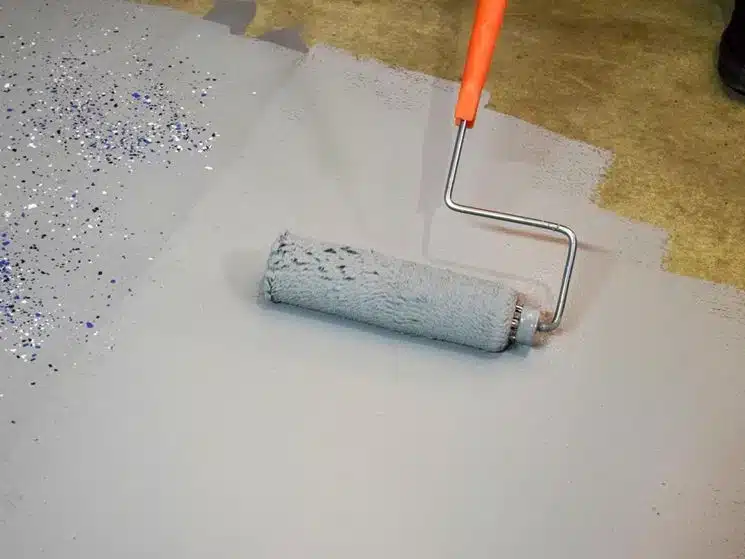
Step 4: Apply the Epoxy Paint with Care
Begin by brushing the edges and corners first, then move on to the main area, working in long, even strokes. For thick, detail-oriented coatings or 3D art, “Art Pro Deluxe” – Ultra-High Viscosity Epoxy Resin for Artists gives excellent control and minimises undesired flow. Overlap slightly between passes to blend strokes. Do not go back over areas once the epoxy starts to cure, as this can cause visible marks and imperfections.

Step 5: Allow to Cure and Clean Up
After application, keep the painted object in a dust-free area for the recommended curing period. Most epoxies reach initial cure within hours, but full hardness and chemical resistance may take up to two days. Carefully remove masking tape before the epoxy fully cures for cleaner edges. If brushes are intended for reuse, rinse them promptly and thoroughly with water (for water-based primers) or an appropriate solvent while the epoxy is still wet. Dispose of single-use brushes responsibly.
Tips, Common Mistakes, and Troubleshooting
- Use high-quality brushes for a flawless finish – Cheap brushes can shed bristles into your epoxy layer.
- Work quickly and avoid over-brushing – Epoxy cures fast; repeatedly brushing over curing areas may cause streaks.
- Prepare a dust-free environment before starting – Airborne particles can mar the finish if they settle while the epoxy is wet.
- If you notice trapped bubbles, gently blow on the wet epoxy or use a heat gun at a safe distance to release them, taking care not to scorch the surface.
- Be mindful of product cure times and environmental conditions, such as temperature and humidity, which can affect drying speed and finish quality.
Finishing Techniques and Problem Solving
Watch finishing touch demonstrations as artists avoid brush marks and achieve glass-like surfaces. See how to handle edges cleanly and resolve issues such as pinholes or trapped dust during the curing phase.

- 12-Piece Artists Paint Brush Set for Epoxy Resin Art & DIY Projects£6.95A 12-piece brush set designed for epoxy resin art, offering versatile shapes and durable synthetic bristles suitable for detailed and broad strokes.
- 5-Piece Disposable Paint Brush Set for Art, Crafting & DIY Projects£6.45Disposable Paint Brush Set designed for intricate epoxy resin crafting and detailed painting tasks in art and DIY projects.
- "Epoxyprimer" – Universal Water-Based Two-Component Epoxy Floor PrimerPrice range: £156.45 through £286.45Epoxyprimer is a universal water-based two-component epoxy floor primer for reliable adhesion on various surfaces, suitable for the 'How do you brush…
 "Art Pro Deluxe" – Ultra-High Viscosity Epoxy Resin for ArtistsPrice range: £35.95 through £302.45Art Pro Deluxe is an ultra-high viscosity epoxy resin designed for artists seeking control in resin art and glossy finishes.
Frequently Asked Questions
How do I clean brushes after epoxy use?
Rinse brushes immediately after use with water or suitable solvent, depending on the epoxy formula, while the resin is still wet.
How can I avoid brush marks with epoxy paints?
Use high-quality, synthetic bristle brushes and apply the epoxy in smooth, continuous strokes without overworking as it sets.
When should I remove tape after brushing epoxy?
Remove tape before the epoxy is fully cured—usually once it has set but is still slightly soft—to achieve the cleanest edges.
Which brush type is best for epoxy paints?
Synthetic bristle brushes designed for use with epoxy provide smooth finishes and minimise shedding into the wet layer.
How long does brushed-on epoxy paint take to cure?
Most epoxy paints achieve surface cure within hours, but full hardness and resistance usually develop in 24–48 hours.
When can I apply a second coat of epoxy paint?
A second coat is typically applied once the first is touch-dry but not fully cured, ensuring good bonding between layers.
How do I avoid dust landing on my epoxy?
Prepare a clean, dust-free workspace and avoid drafts. Cover the project as it cures if practical to prevent particles settling.