 Free shipping on orders over £29,85
  Shipping Tracking!


 Google
 Facebook
← Back to How do you prepare a base for resin?
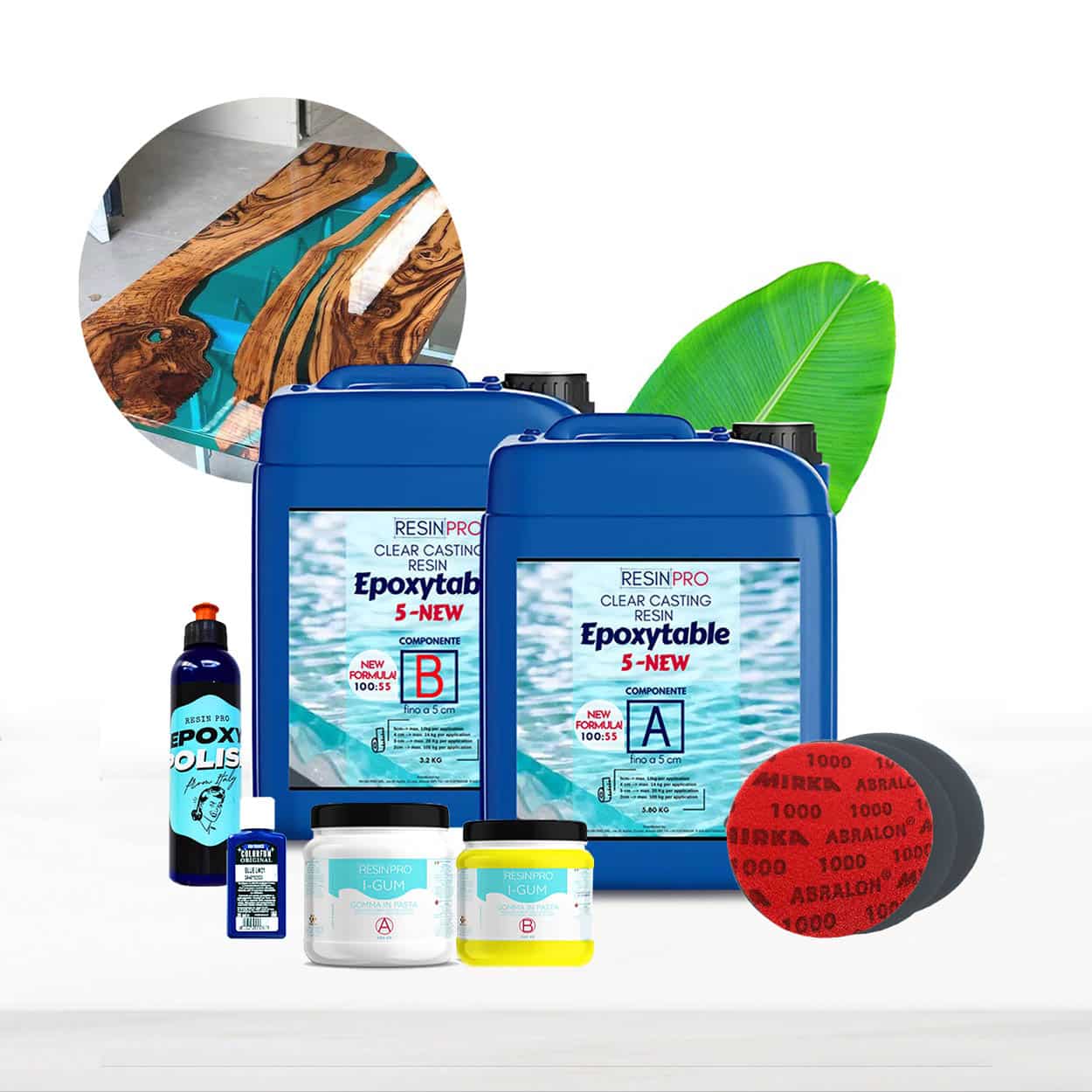
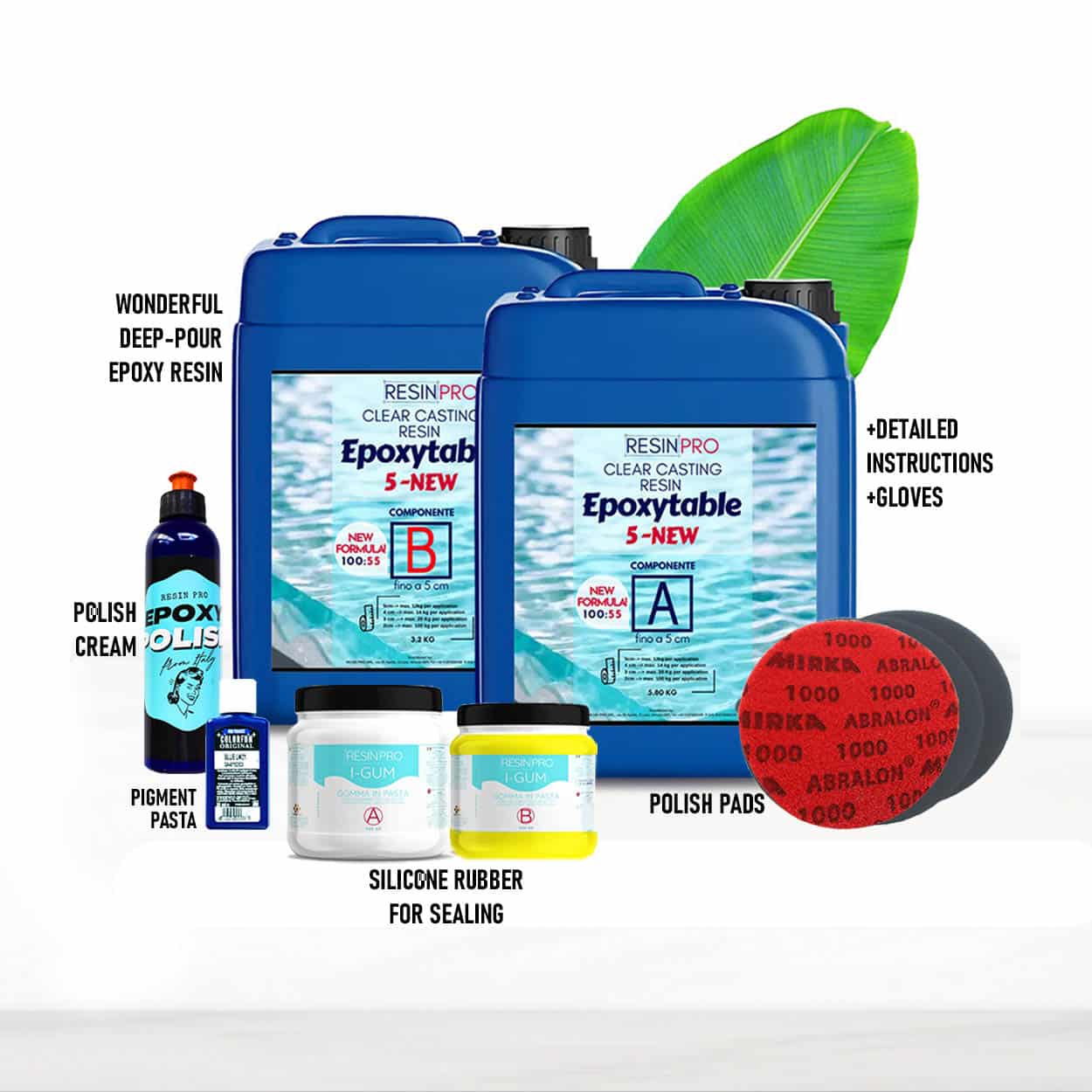
Release agents and films play an important role in resin projects, making it much easier to separate your cured piece from its base or mould. Understanding when they are needed will help ensure you achieve flawless results.
What Is a Release Agent or Film?
A release agent is a barrier, such as a spray or specialised film, applied to the base or mould before pouring resin. Its main function is to prevent the resin from sticking, so you can remove your finished piece with minimal effort. Release films, like those found in our “River-Table” Kit, are transparent, adhesive, and designed to peel away cleanly without leaving residue.


When Should You Use One?
You should always consider a release agent or film if you want to preserve both your resin piece and the mould or base. This is especially important when working with wooden, MDF, or custom-made forms, where resin adhesion can be strong. For example, if you are creating a table or decorative panel and wish to keep crisp edges and simplify demoulding, a release barrier is invaluable.
- When casting on wooden or MDF bases
- When using intricate or reusable moulds
- If ease of demoulding is a priority
How to Apply Release Films
To use a release film, cut it to fit your chosen base or formwork and carefully press it into place, smoothing out air bubbles for even coverage. Once the resin has cured fully, peel the film back gently to release your finished piece. Release spray works similarly and should be applied in a thin, even coat before pouring the resin.
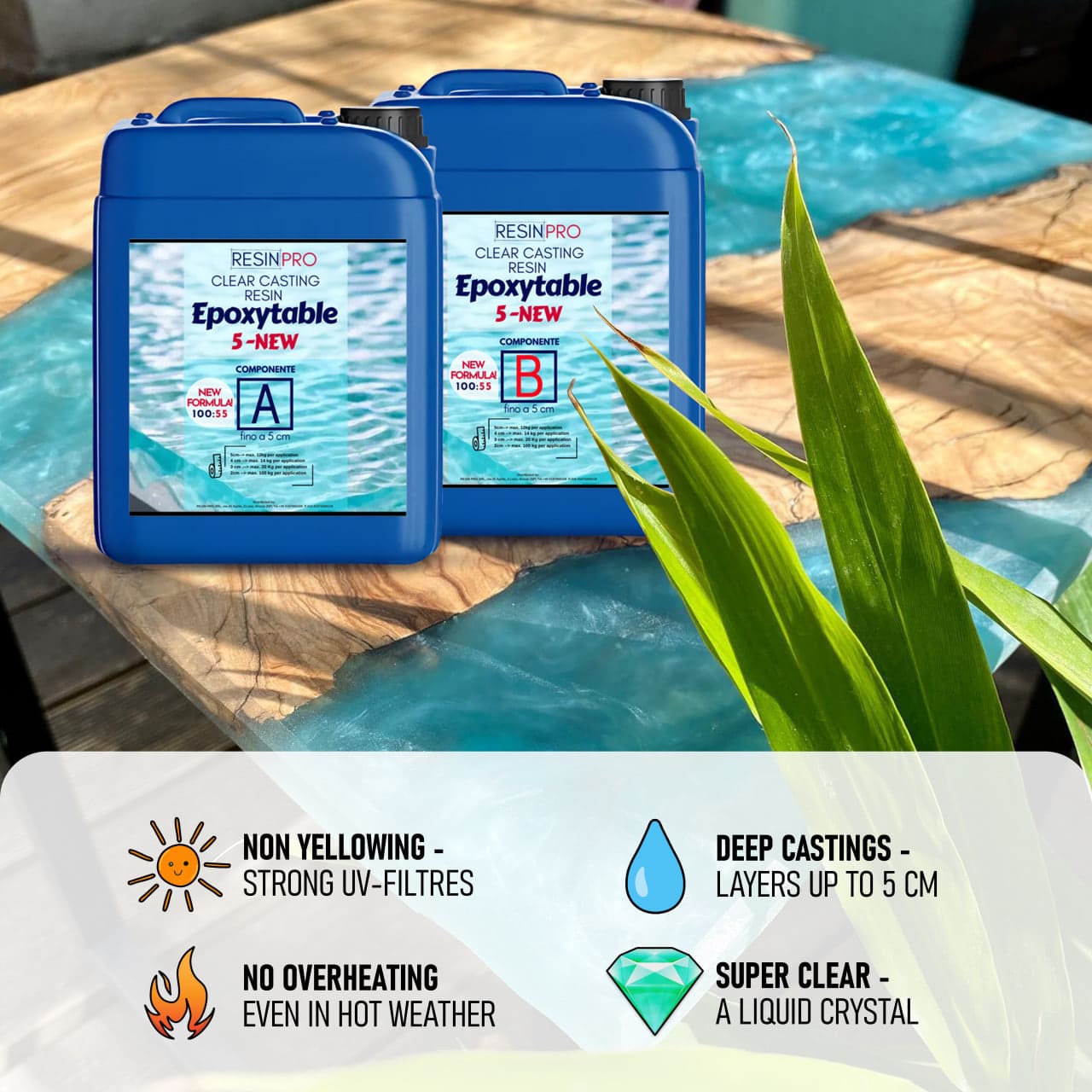
When This Matters Most
Release agents and films matter most in larger projects—such as resin tables—or where a clean finish is essential. Mistakes in this step can lead to damaged moulds or bases, or very difficult removal.
Related products
Related guides
Choosing the right release method is vital for smooth resin casting. For more tips and a complete approach to preparing your base for resin, visit our main guide on how to prepare a base for resin.