 Free shipping on orders over £29,85
  Shipping Tracking!


 Google
 Facebook
← Back to How do you prepare a base for resin?
Before pouring a full batch of resin, taking a little time to test your setup can spare you costly mistakes. A simple test pour helps confirm your base, edges, and sealing are ready for the main event.
Why Run a Test Pour?
Even with careful preparation, small gaps, leaks, or surface issues may only reveal themselves once resin is poured. A test pour with a small amount of resin allows you to assess how the material behaves in your setup and spot any flaws in the formwork or sealing. Whether you’re using a purpose-built base like the MDF Board Base or custom-built moulds, this check is invaluable.


How to Test—Steps for Success
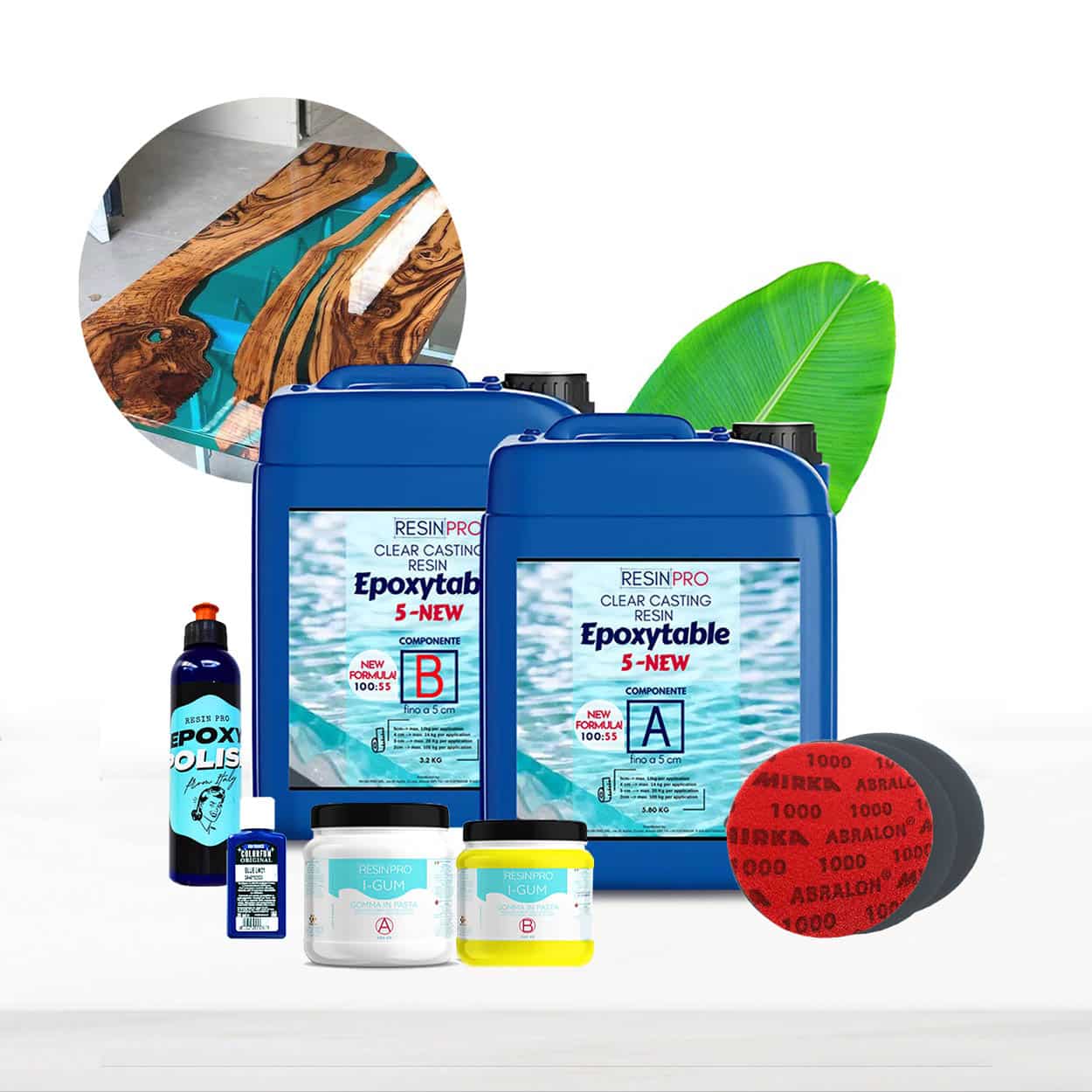
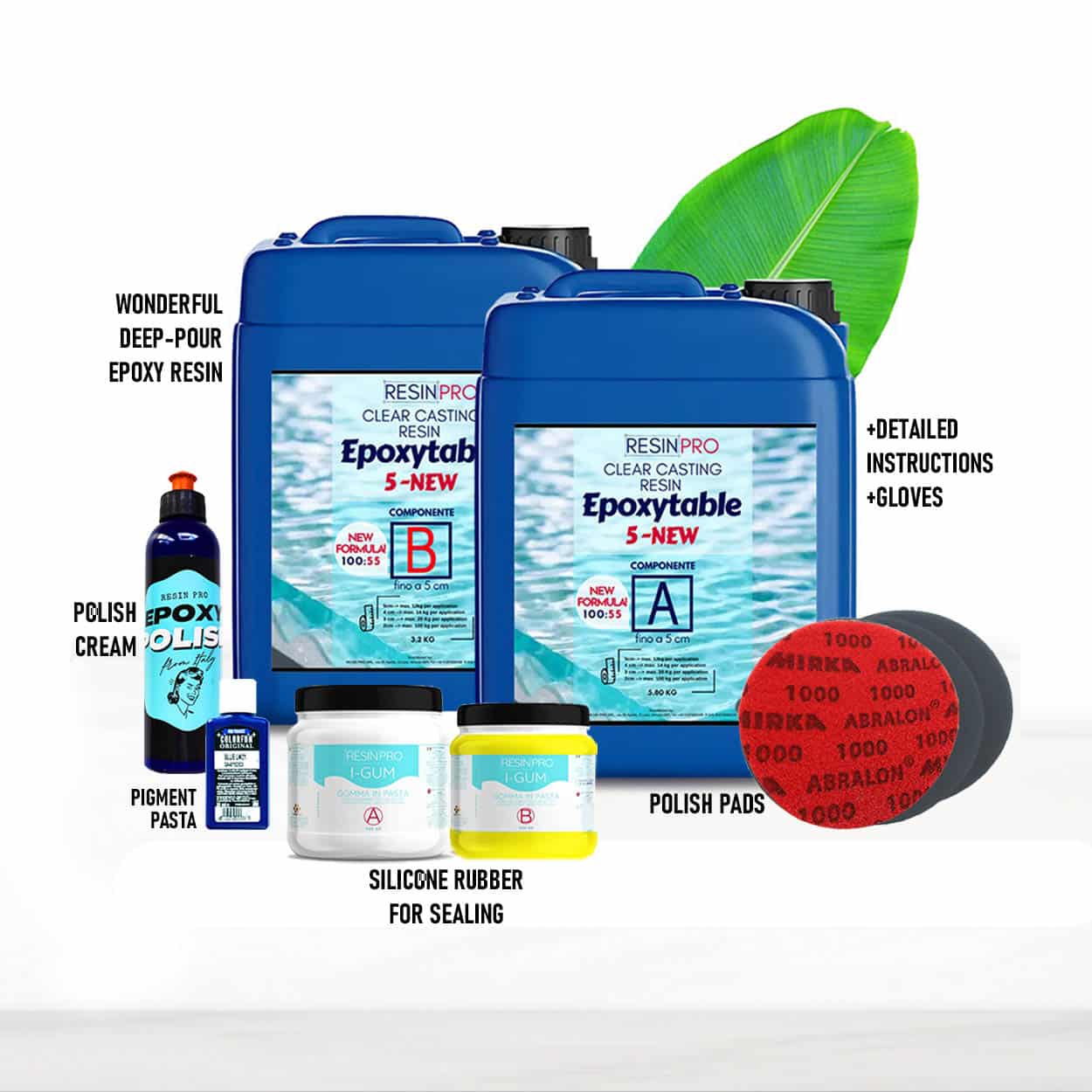
- Seal all joins and edges of your mould or base thoroughly—kits such as the “River-Table” Complete Kit include sealant and release film to make this simpler.
- Mix a very small batch of resin, just enough to lightly cover your base or the lowest edge.
- Pour and allow the resin to settle for a couple of hours to reveal any leaks, absorption, or surface reaction.
- If you spot a leak or issue, repair and retest as needed until satisfied.
This approach ensures you save both time and materials when you move on to the full pour.
When This Matters Most
Test pours are especially important for beginners, new mould designs, or when working with unfamiliar base materials. Artists using robust wood supports like the Geode O Table Base will benefit from double-checking compatibility with their chosen resin before proceeding.
Related products
Related guides
Making a small test pour is a simple step that brings peace of mind and protects your resin project from unexpected setbacks. For more guidance on safe and effective base preparation, return to our main How do you prepare a base for resin? resource.