 Free shipping on orders over £29,85
  Shipping Tracking!


 Google
 Facebook
What to do if epoxy resin doesn’t harden?
Step-by-step guide to rescuing improperly cured epoxy resin

Few things are more frustrating than finding your epoxy resin hasn’t fully hardened, leaving a tacky or soft surface after curing. This comprehensive guide explains why this happens and guides you step-by-step in troubleshooting and fixing uncured resin issues, helping both beginners and experienced makers achieve perfect results for crafts, jewellery, or artwork.

What You’ll Need
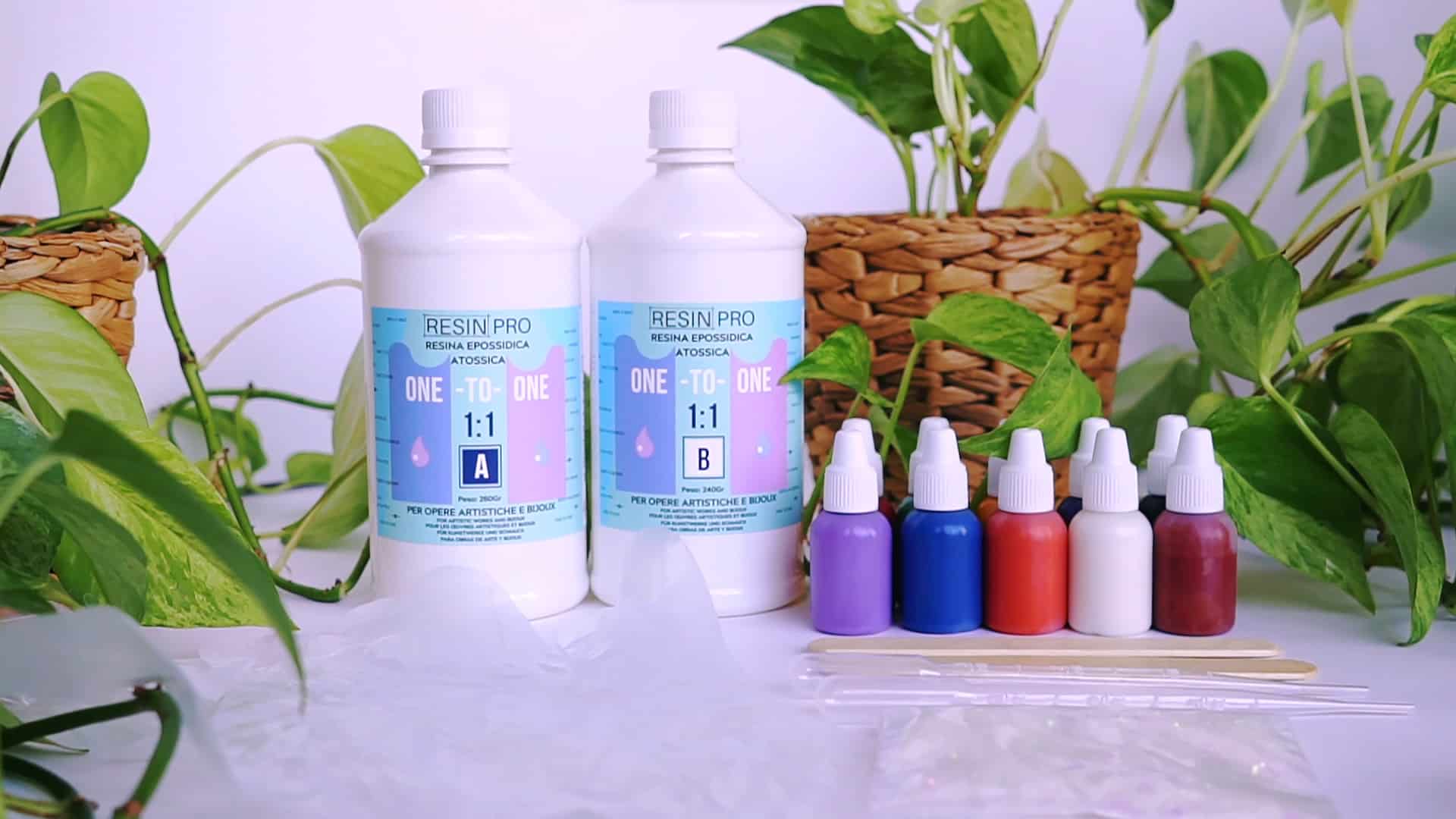
- “One-2-One” – Epoxy Resin for Handcraft, 1:1 Mixing Ratio: Medium viscosity, non-toxic, ideal for error-free handcrafting
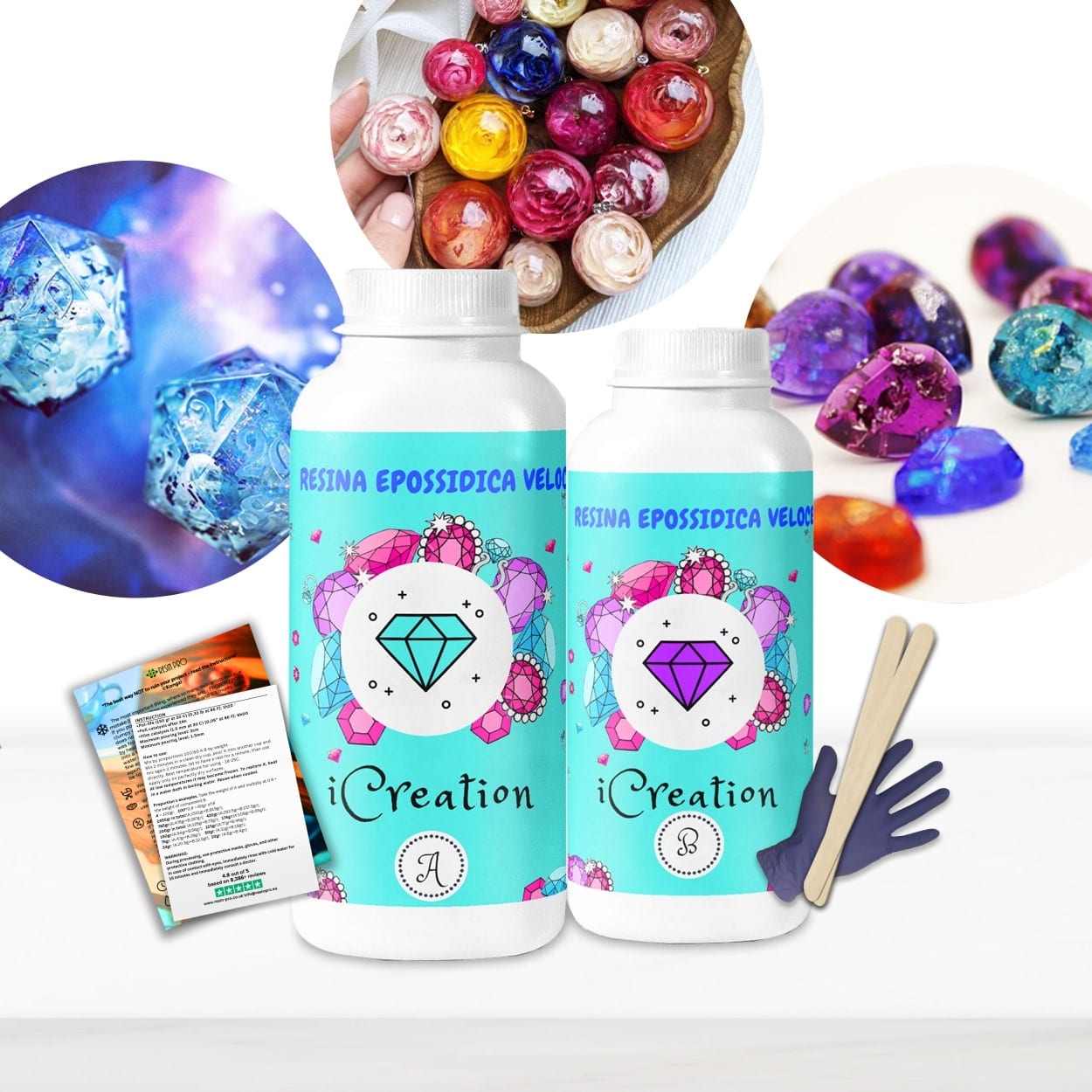
- “ICreation” – Fast Epoxy Resin, 6h Demoulding, Transparent Gloss Finish: Fast-curing for time-critical repairs
- 1500W Heat Gun for Crafting and Epoxy Resin Projects – Two Heat Settings: For controlled heat application if needed
- “Rhino” – 2kW Fan Heater for Epoxy Resin Projects: Provides a stable, warm curing environment
- Cups for mixing, clean stir sticks, gloves, digital scale or measuring jug
Identifying the Source: Visual Clues and Curing Errors
Resin not hardening often signals a process misstep—look for uniform softness, sticky patches, or incomplete surface cures. Compare these symptoms to your mixing, pouring, and curing stages. Sticky surfaces may indicate improper mixing, while deep, soft layers suggest temperature or ratio problems. Document your environment and method so troubleshooting is easier next time.
Step 1: Diagnose the Problem
Before you can fix uncured resin, it’s important to identify the cause. Typical reasons for resin not hardening include incorrect mixing ratio, incomplete mixing, poor temperature during curing, or using an expired product. Review your process step-by-step to pinpoint any mistakes. Pay attention to whether the resin is uniformly soft or sticky only on the surface, as this helps narrow down the problem source.
Check the product instructions again—1:1 by volume is common, such as with “One-2-One” – Epoxy Resin for Handcraft, 1:1 Mixing Ratio, but other resins may use 2:1 or 3:2 ratios. Using the wrong proportions is one of the most frequent culprits.
Step 2: Assess Your Mixing Method
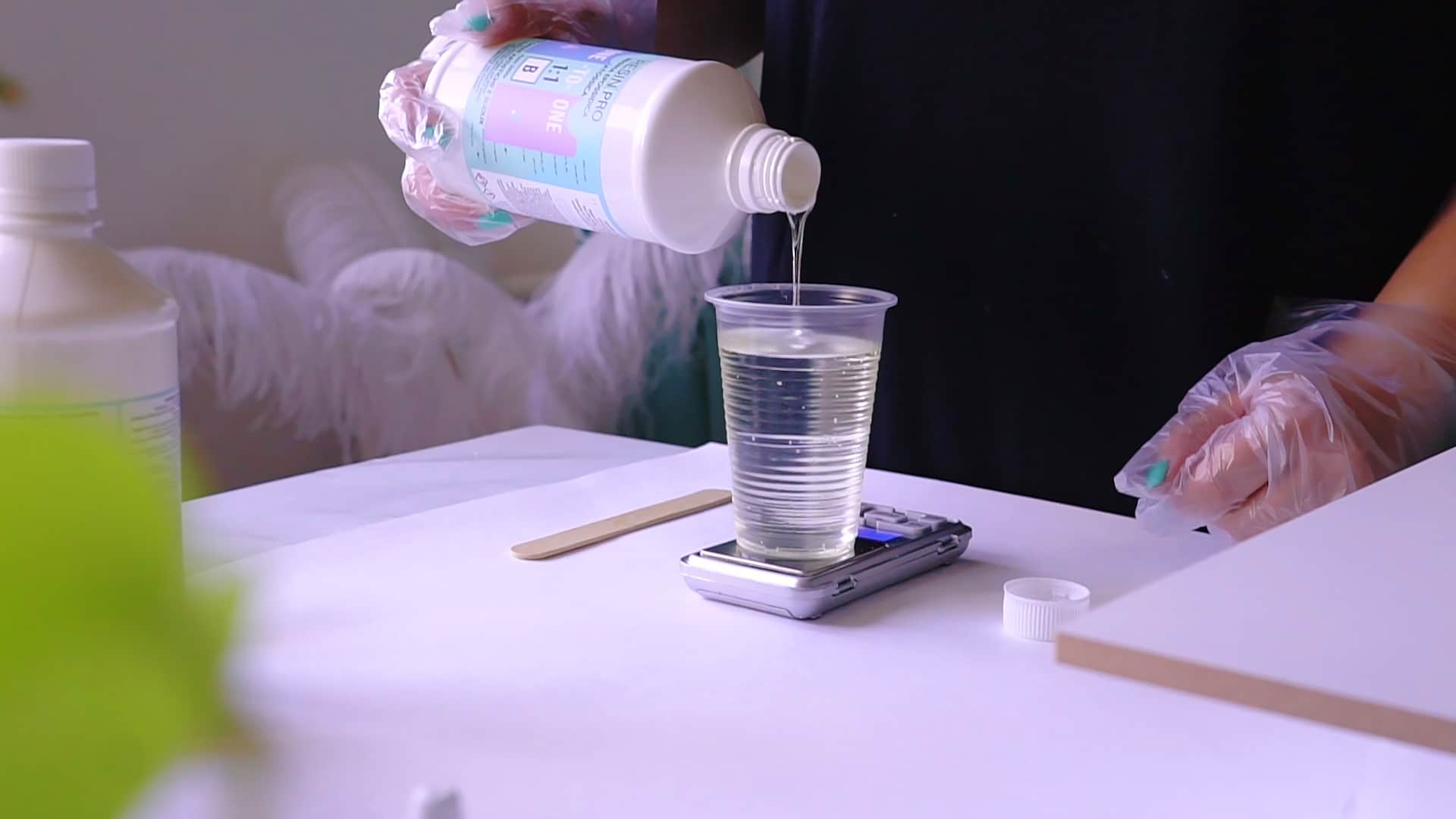
Always measure resin and hardener accurately to ensure proper curing. Use dedicated measuring cups or digital scales and double-check the mixing ratio required by your chosen resin. Next, mix your resin thoroughly, scraping the sides and bottom of your mixing container. Inadequate mixing leaves uncured spots and causes surface stickiness—even a fast-curing product such as “ICreation” – Fast Epoxy Resin will fail in this case. Stir for at least 3–5 minutes and pour only when the blend is fully uniform.
Step 3: Control Your Curing Environment
Epoxy resin is temperature sensitive. Maintain a consistent room temperature of 22–25°C during curing. If the environment is too cold, the resin may stop curing or remain sticky. Using a heater designed for resin, such as the “Rhino” – 2kW Fan Heater, can help you stabilise the environment. Avoid draughts or dramatic temperature fluctuations. Cover your work area to keep dust out and allow the resin to harden undisturbed for the specified time.

Step 4: Apply Heat to Encourage Curing
If your resin remains soft or tacky after the full curing time, gentle heat can sometimes trigger completion of the chemical reaction. Do not add heat too quickly—slow, even warming is key to avoid further issues. Try moving the piece to a warmer room, or use a heat gun like the 1500W Heat Gun for Crafting and Epoxy Resin Projects set on a low heat setting. Pass the heat gun over the surface slowly, holding it 20–30 cm away, for several minutes at a time. Monitor the resin and repeat as needed, always avoiding overheating or burning.
Step 5: Decide Between Remediation or Removal
If added heat and time don’t resolve the issue, you may need to take more direct action. Never attempt to coat over soft or sticky resin until the issue is resolved. For a thin sticky layer, it’s often possible to wipe away the uncured film with isopropyl alcohol and then sand the surface before recoating. If the resin layer is thick and remains soft throughout, removal is inevitable: scrape as much resin off as possible, sand down to a firm base, and start again—taking particular care with measurement and mixing for your next pour.


Tips and Common Mistakes for Resin Hardening Success
Some of the most common mistakes include rushing the mixing process, using cold rooms, or overlooking precise measurements. Patience is crucial—allow a full cure time, even if the surface feels set early. Remember, curing time varies by formulation and ambient conditions. If working with resins such as “One-2-One” – Epoxy Resin for Handcraft, 1:1 Mixing Ratio or “ICreation” – Fast Epoxy Resin, always refer to the specific instructions and observe how each batch responds to environmental changes.
Visual Guide: When to Add Heat or Restart
If the resin remains tacky after 24–48 hours, gentle, gradual heat often helps—never rush the process with excessive temperature. If heat does not fix the problem and the resin is still soft throughout, complete removal is necessary. Always analyse your process to prevent future mistakes.
- "One-2-One" – Epoxy Resin for Handcraft, 1:1 Mixing RatioPrice range: £15.95 through £59.95"One-2-One" epoxy resin suits beginners and experienced crafters with an easy 1:1 mixing ratio for jewellery and decorative projects.
- "ICreation" – Fast Epoxy Resin, 6h Demoulding, Transparent Gloss FinishPrice range: £15.95 through £55.95"ICreation" fast epoxy resin provides a transparent, glossy finish with a 6-hour demoulding time, suitable for artists needing rapid results.
 1500W Heat Gun for Crafting and Epoxy Resin Projects – Two Heat Settings£29.45A utilitarian heat gun designed for bubble removal and finishing in epoxy resin projects, with two heat settings and a lightweight design.
 "Rhino" – 2kW Fan Heater for Epoxy Resin Projects£20.95The Rhino 2kW Fan Heater provides controlled warming suitable for supporting epoxy resin work in line with relevant user needs.
Frequently Asked Questions
Why does my epoxy resin remain tacky or soft after curing?
The most common reasons are incorrect resin-to-hardener ratio, incomplete mixing, or curing in a room that is too cold for the chemical reaction to finish.
Can I add more hardener to sticky or soft resin to fix it?
No, you should never add extra hardener to already mixed resin. This will not cure the mixture and often makes the problem worse.
Will applying heat with a heat gun harden sticky or soft epoxy resin?
Gentle heat can help some tacky resins fully cure, especially if low temperatures slowed the process. However, it won’t fix incorrect ratios or unmixing.
How do I remove soft or uncured epoxy resin from my project?
Use a scraper to remove as much material as possible, then wipe the surface with isopropyl alcohol and sand before recoating.
How can I prevent epoxy resin from remaining soft or sticky in future pours?
Carefully measure all parts, mix thoroughly, follow product-specific instructions, and maintain a warm, stable environment for curing.
Can I apply a new layer of resin over soft or sticky resin to fix it?
No, always remove or repair the problem resin layer first. Applying new resin over uncured material will lead to further curing failures.