 Free shipping on orders over £29,85
  Shipping Tracking!


 Google
 Facebook
How to Repair a Small Hole in Sheet Metal with Resins?
Step-by-step instructions for durable and seamless metal repairs.
Whether you’re maintaining car bodywork or upcycling home projects, repairing small holes in sheet metal is essential to prevent rust, restore strength, and ensure a seamless finish. This detailed guide explains how to permanently fix small holes in sheet metal using resins and professional techniques—ideal for DIY enthusiasts and repair pros alike.
What You’ll Need
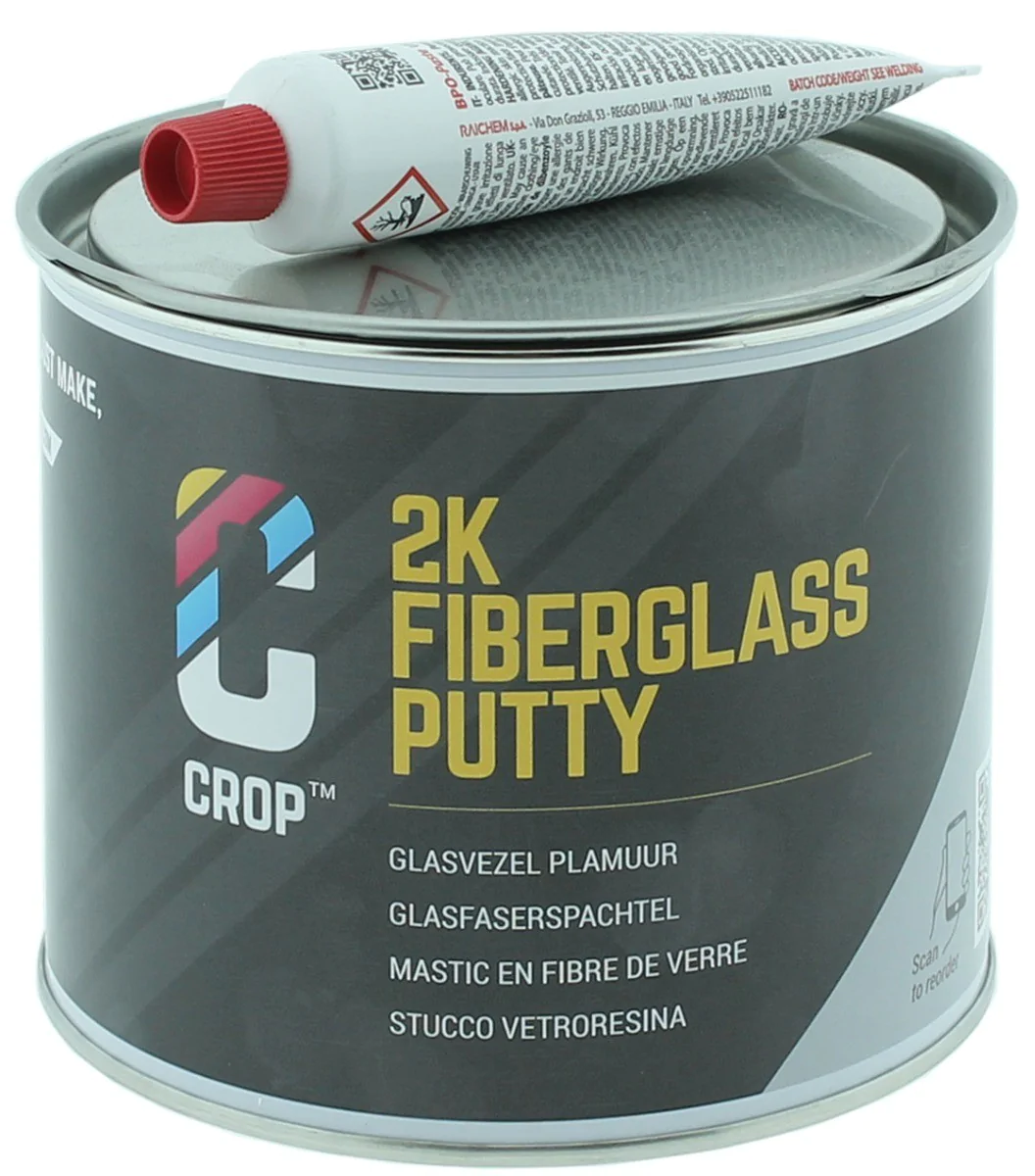
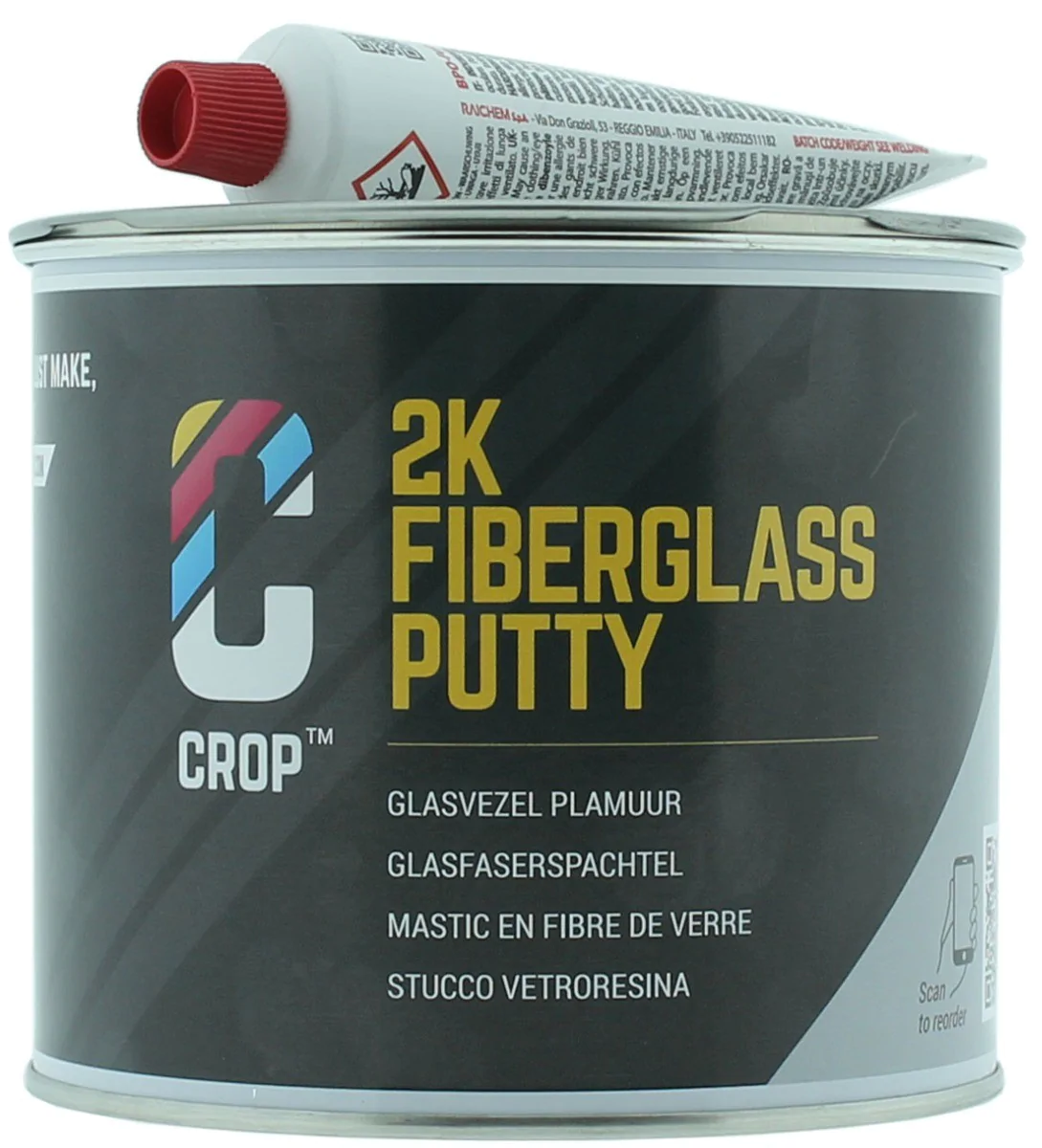
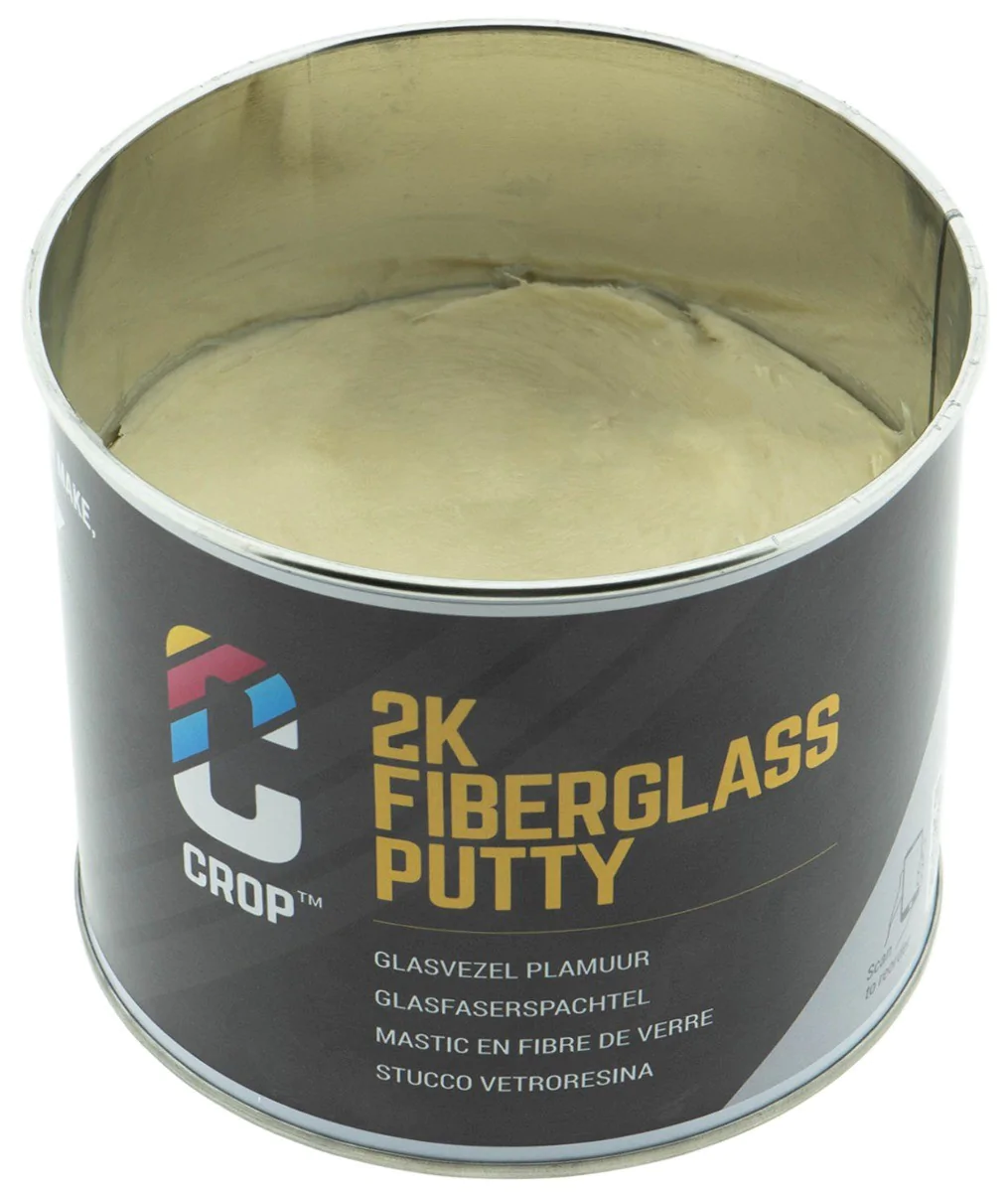
- CROP 2K Fiberglass Putty – 750 ml + Hardener – For reinforced filling and smoothing of metal holes and dents.
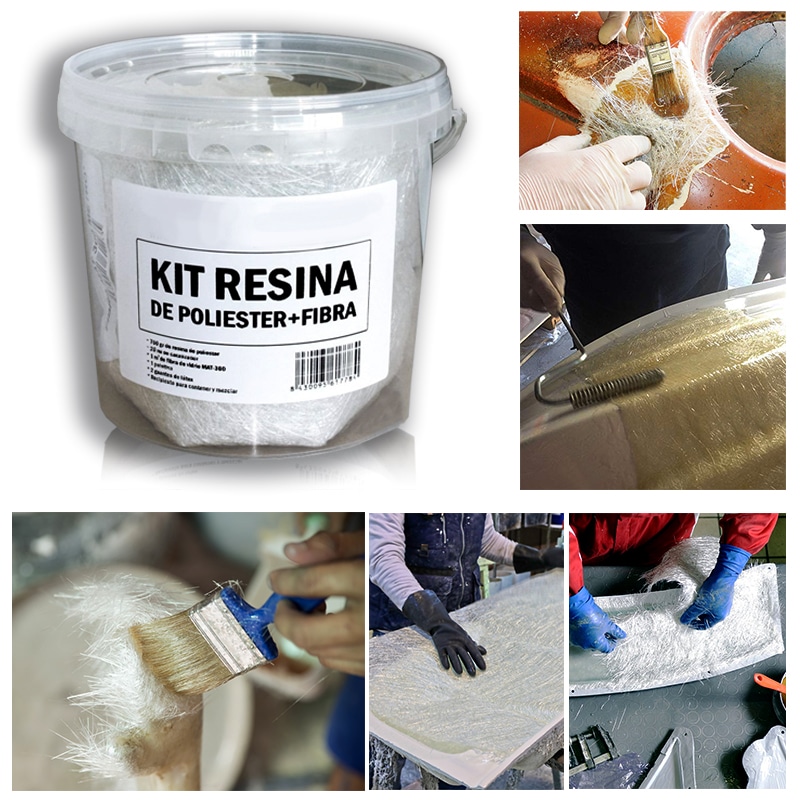
- Resin Fibreglass Repair Kit – Complete Polyester Resin and Hardener Set – For structural reinforcement using fibreglass and resin.
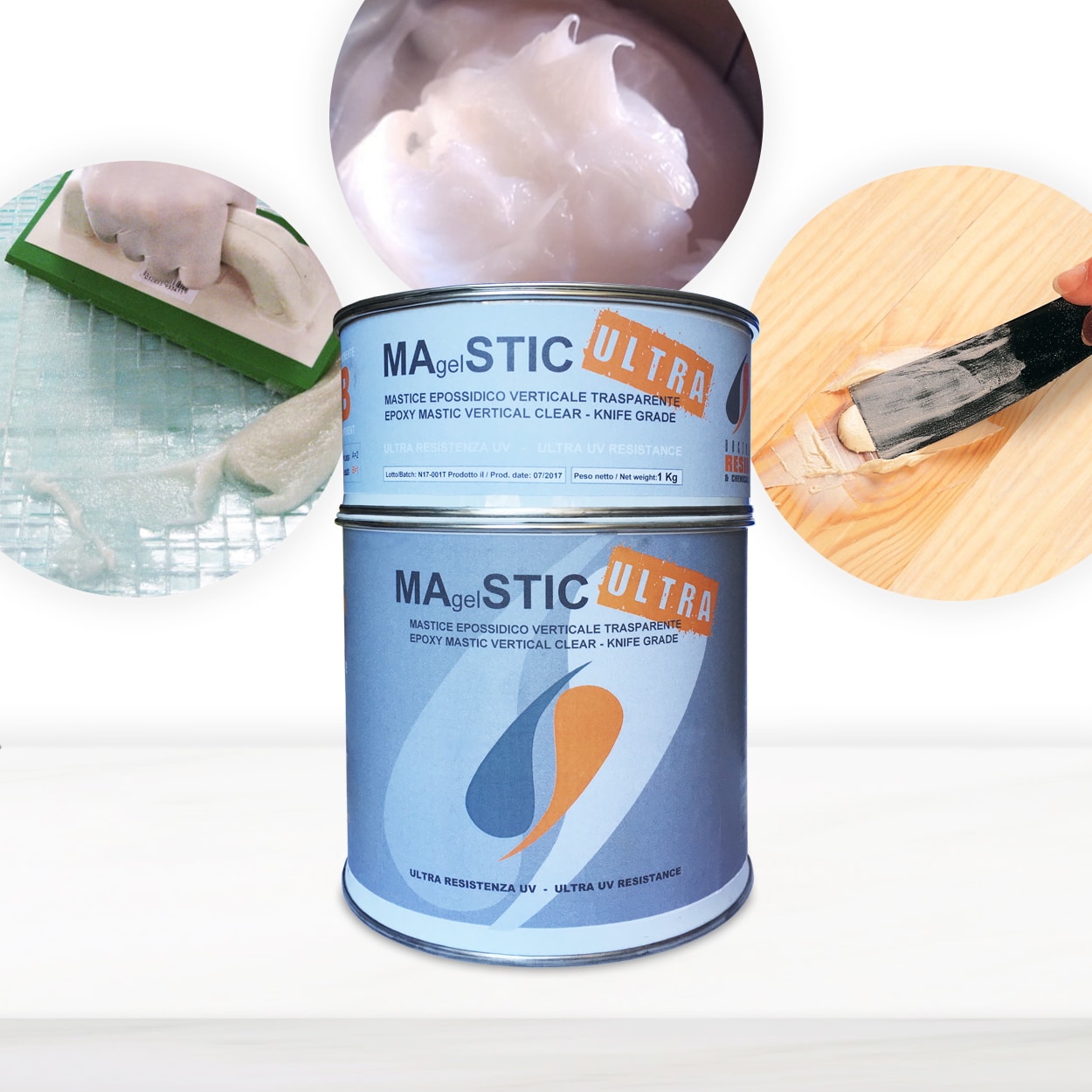
- “Magelstick” – Epoxy Mastic for Stone, Metal, and Cement Bonding and Grouting – For precision grouting and durable bonding of metal patches.
- “Carbon Resin” – Epoxy Resin for Carbon Fiber & Fiberglass Coating – To reinforce repairs with carbon fibre or fibreglass materials.
- Sanding tools (abrasive paper and/or a sanding block)
- Protective gloves, mask, and overalls
- Cleaning solvent (e.g. acetone)
- Mixing tools and containers
- Applicator tools (spatula or putty knife)
Before and After: Sheet Metal Repair
Sheet metal repair with resins achieves a flawless finish and prevents future rust. Visualise the difference: a damaged, corroded hole replaced by a smooth, primer-ready surface once the repair is complete.
Step 1: Thoroughly clean and prepare the area
Begin by removing any rust, paint, grease, or debris around the hole using abrasive paper or a wire brush. Carefully sand the edges to expose bare, shiny metal and slightly bevel the hole’s perimeter to improve adhesion. Use a cleaning solvent like acetone to wipe away all dust and residue. This meticulous preparation ensures a strong bond for the resin or repair compound and prevents future corrosion.
Thoroughly clean and prepare the area — this is the most critical step to guarantee the longevity of your repair.
Step 2: Select the appropriate resin or filler
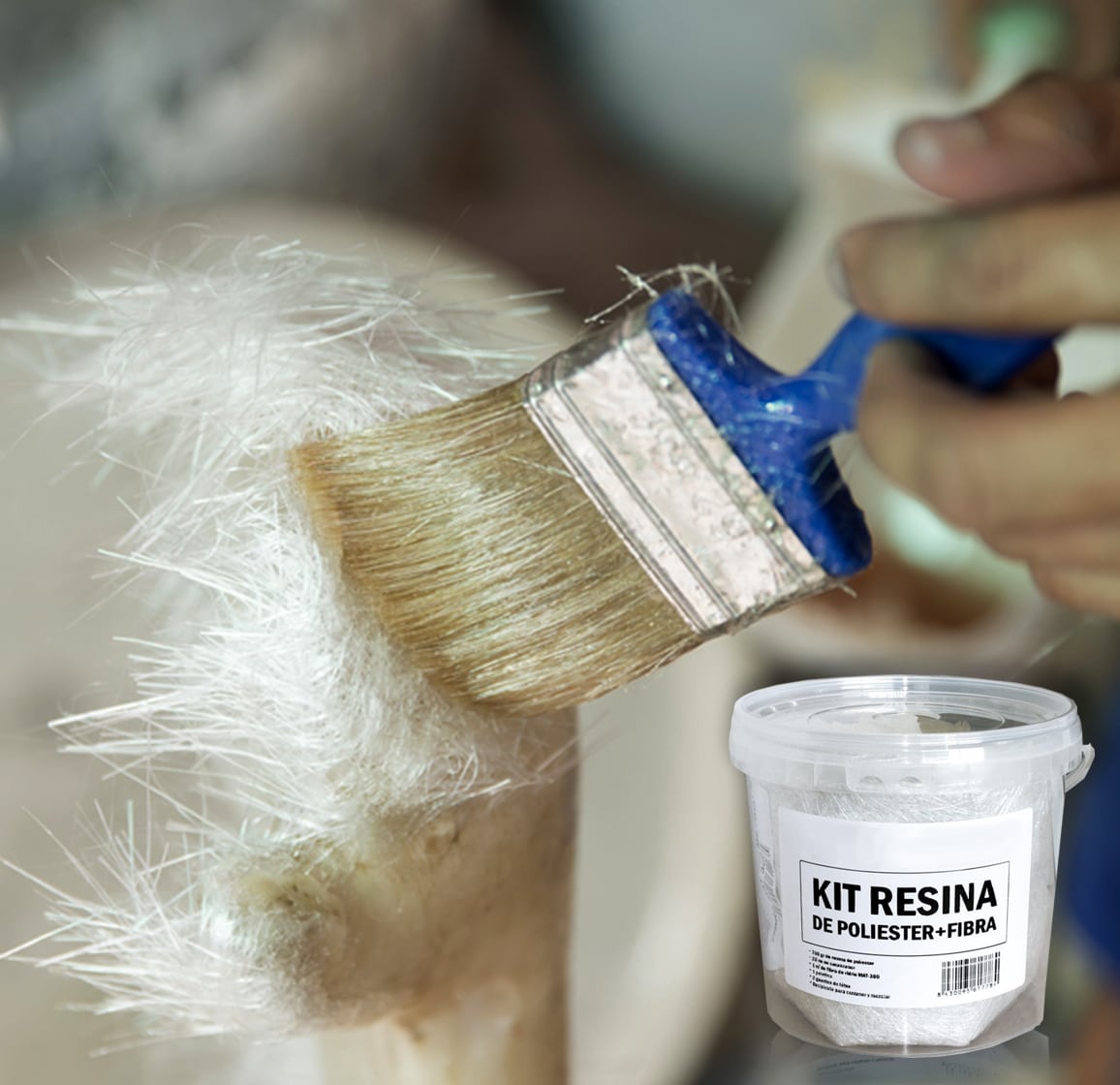
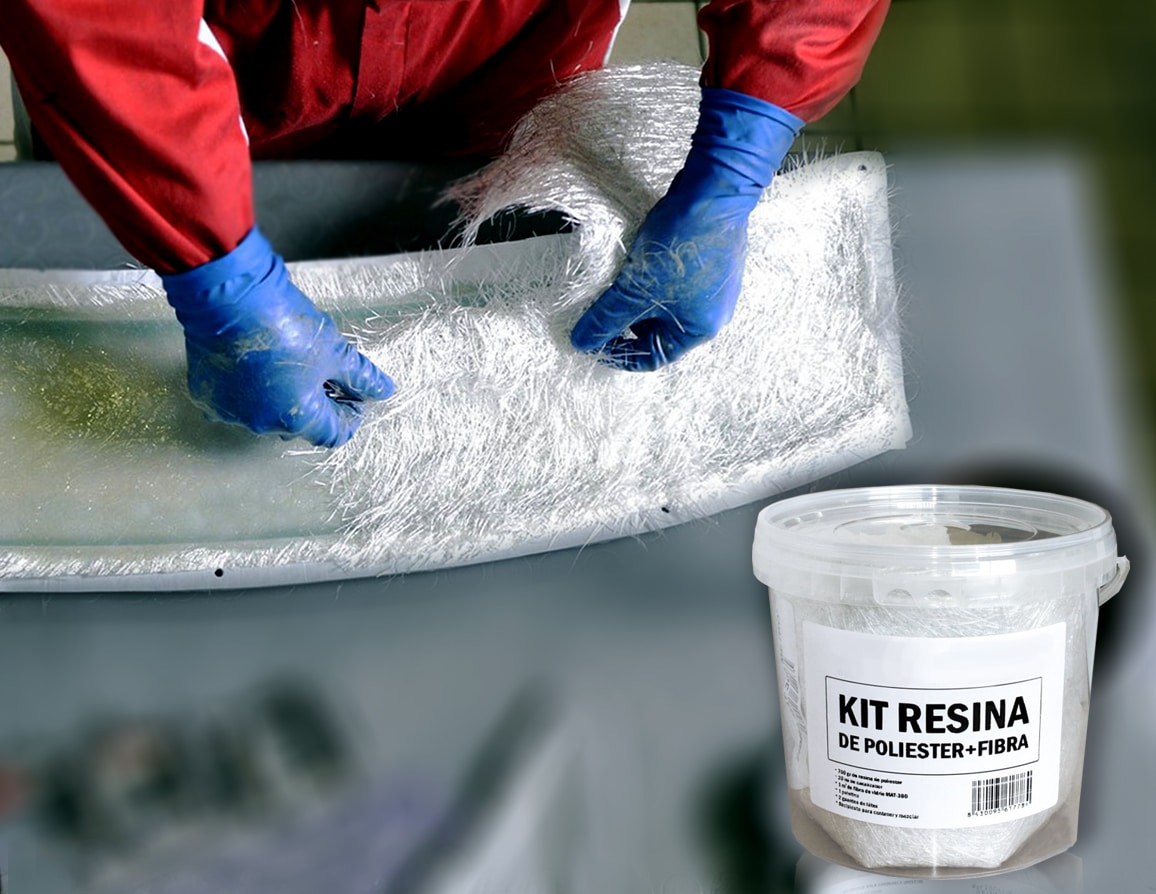
Consider the size and location of the hole to choose the best repair approach. For small to medium holes, a fibreglass-reinforced filler like CROP 2K Fiberglass Putty – 750 ml + Hardener is excellent as it can be applied in thick layers to fill the cavity and is easily sanded smooth. For holes requiring greater structural reinforcement or waterproofing—such as in automotive, marine, or plumbing settings—the Resin Fibreglass Repair Kit – Complete Polyester Resin and Hardener Set is ideal. Its included fibreglass mat and polyester resin create a robust, waterproof barrier.
If precision grouting or vertical surface repair is necessary, “Magelstick” – Epoxy Mastic for Stone, Metal, and Cement Bonding and Grouting works well thanks to its thixotropic (non-sag) formula. For reinforcement using technical fabrics, “Carbon Resin” – Epoxy Resin for Carbon Fiber & Fiberglass Coating ensures optimal adhesion and durability.
Select the appropriate resin or filler based on your specific repair needs.
Step 3: Apply and shape the repair material
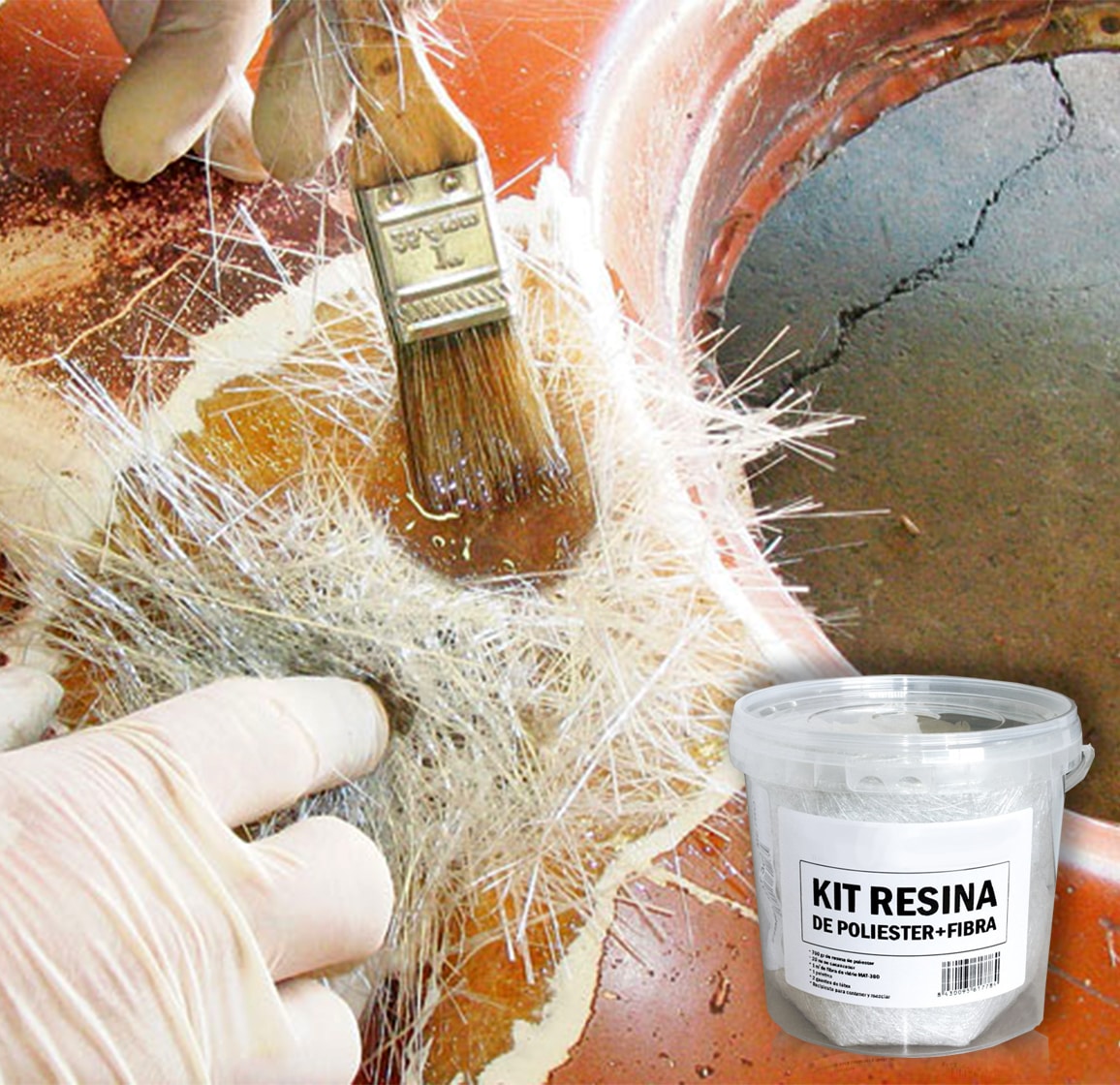
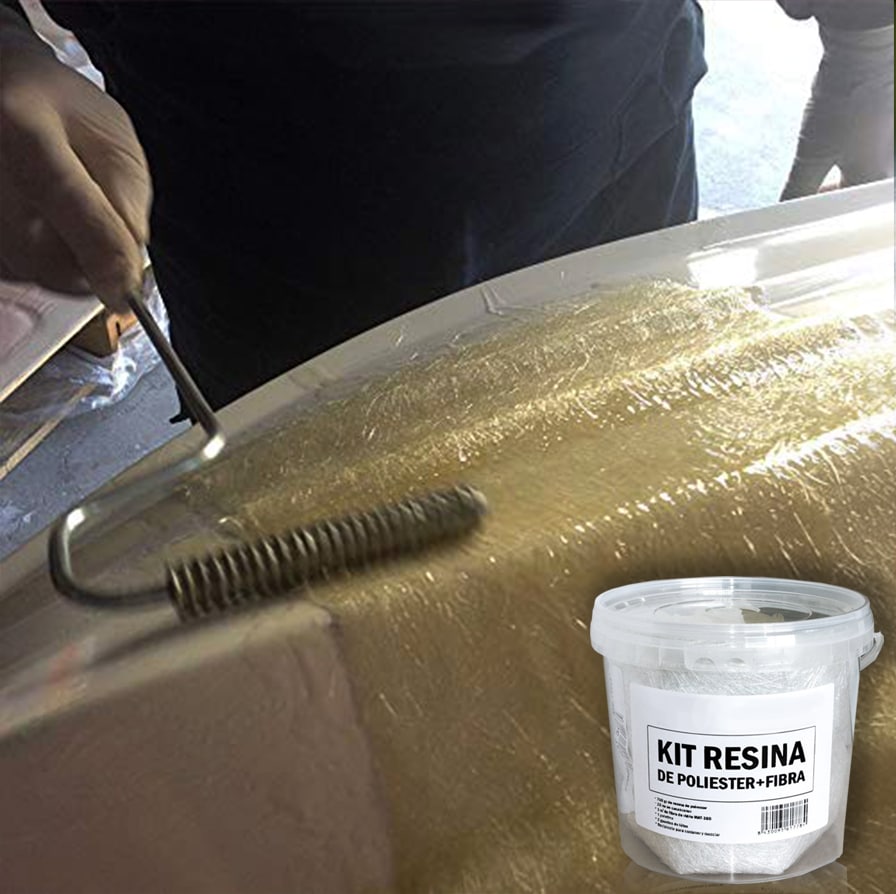
Mix your chosen putty, resin, or epoxy strictly following the manufacturer’s ratios and safety instructions. Use a spatula or putty knife to push the filler through the hole from behind if accessible, or press firmly into the cavity from the front, slightly overfilling to allow for later sanding. For resin and fibreglass kits, wet out the fibreglass mat with resin and lay it over the hole, pressing down to eliminate bubbles and ensure intimate contact with the metal.
Manipulate the putty or resin to match the metal’s contours without leaving voids or high spots. Apply and shape the repair material while it is workable for best adhesion and a smooth result.
Step 4: Allow adequate curing and finish
Let the repair fully cure as per the product guidance—curing times can vary depending on temperature and material. Once hardened, sand the repair area level with the surrounding metal, using progressively finer abrasives for a smooth finish. Remove all sanding dust, then apply a suitable primer and topcoat to protect against corrosion and blend the repair seamlessly.
Allow adequate curing and finish so the patch remains solid and invisible beneath paintwork or coatings.
Tips, common mistakes, and troubleshooting
- Work in a well-ventilated area and always use protective gear, as resins and hardeners can emit strong fumes during mixing and curing.
- Avoid overfilling the cavity—apply in layers if needed for deeper holes, allowing each layer to cure for optimal bonding and minimal shrinkage.
- Cure times vary—never rush the curing process, as premature sanding or painting can compromise durability.
- If the repair remains soft or sticky after the recommended time, double-check the mix ratios and curing conditions before proceeding.
- Test your chosen resin on a small offcut if possible to confirm compatibility with the metal and desired finish.
Expert Advice for Perfect Repairs
Practice patience and use the right product for your application. Taking time over each step improves strength and visual quality, ensuring your repair is long-lasting and virtually undetectable.

- CROP 2K Fiberglass Putty – 750 ml + Hardener£15.85CROP 2K Fiberglass Putty is suitable for bodywork repairs, offering strength and durability with fibreglass reinforcement.
- Resin Fibreglass Repair Kit – Complete Polyester Resin and Hardener SetResin Fibreglass Repair Kit offers a complete polyester resin and hardener set with fibreglass mat, suitable for repairs in the given theme.
- "Magelstick" – Epoxy Mastic for Stone, Metal, and Cement Bonding and Grouting"Magelstick" Epoxy Mastic is designed for precise bonding and grouting of stone, metal, and cement surfaces, suitable for the theme of repairing…
 "Carbon Resin" – Epoxy Resin for Carbon Fiber & Fiberglass CoatingPrice range: £19.95 through £37.95This epoxy resin is designed for carbon fibre and fibreglass projects, offering smooth impregnation and a gloss finish.
Frequently Asked Questions
Can I repair large rust holes in sheet metal with resin?
Resin repairs are best for small to moderate holes. Very large or deeply rusted areas may require welding or new metal patches.
Which resin kit should I use for car body holes?
Use a fibreglass-reinforced putty or a complete resin and mat kit for robust, moisture-resistant automotive repairs.
How long should I cure before sanding a sheet metal resin repair?
Cure times vary—refer to the product label. Most resins are ready to sand within a few hours to overnight at room temperature.
Is fibreglass mat necessary for small hole repair?
For tiny holes, putty alone may suffice. For larger or stress-prone areas, reinforcing with fibreglass mat gives extra strength.
How do I make the repair invisible before painting?
Sand the area flush with surrounding metal, prime thoroughly, and apply even coats of paint to blend the repair seamlessly.
Should I prime sheet metal after resin repair?
Yes, always apply a suitable primer after curing and sanding to protect against corrosion and ensure paint adhesion.