 Free shipping on orders over £29,85
  Shipping Tracking!


 Google
 Facebook
← Back to How to resin a marble staircase?
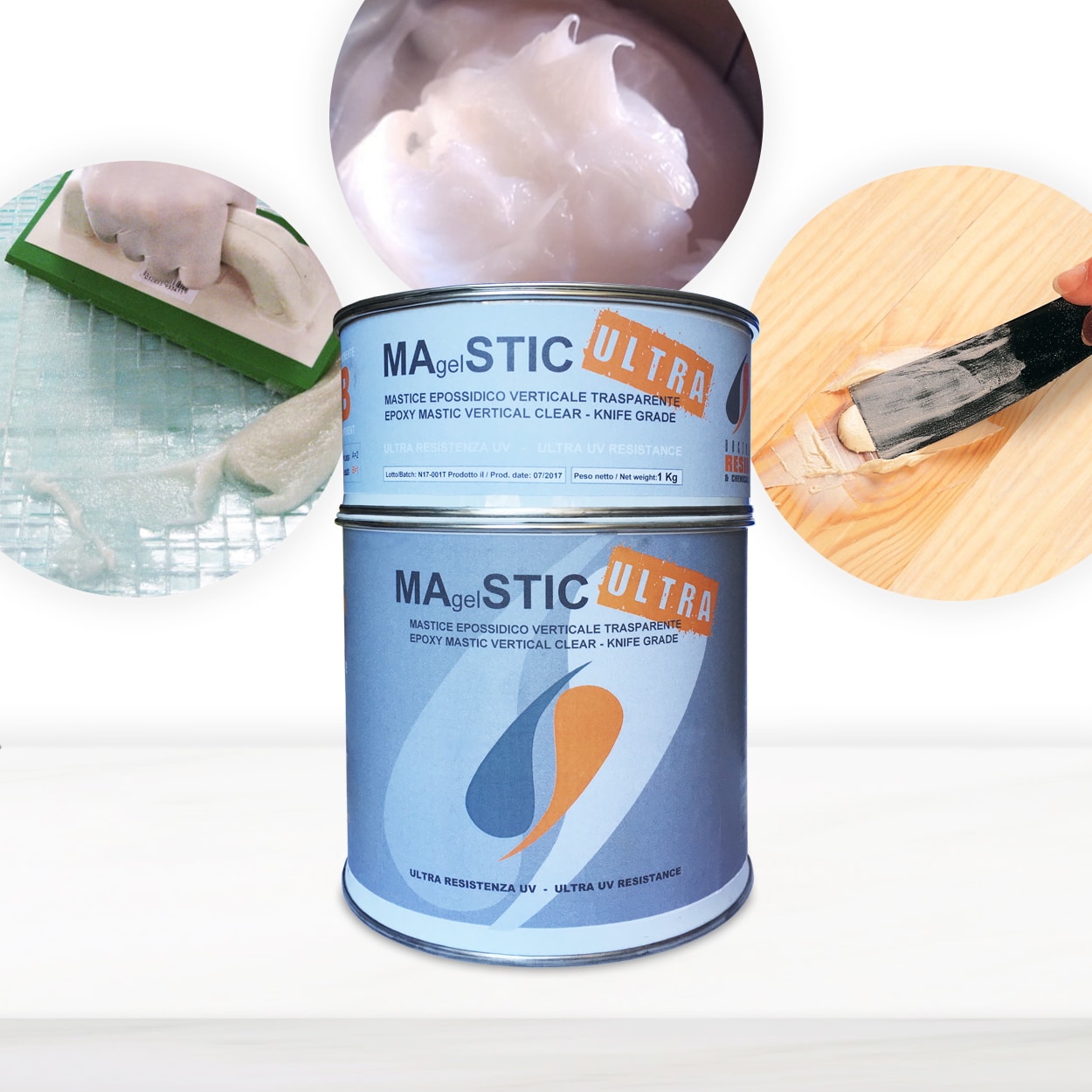

If your marble staircase steps are chipped or cracked, it’s important to address these imperfections before applying any resin coating. This not only ensures a seamless finish but also secures the underlying stone for a durable result.
Why Repair Before Resin Coating?
Chips and cracks in marble create uneven, unstable surfaces. When resin is applied over damaged areas, it can accentuate blemishes and may not bond securely. Filling imperfections first provides a level base, allowing the resin to self-level and set properly. Resin applied to a smooth surface produces a clearer, more attractive finish and helps increase the longevity of your stairs.
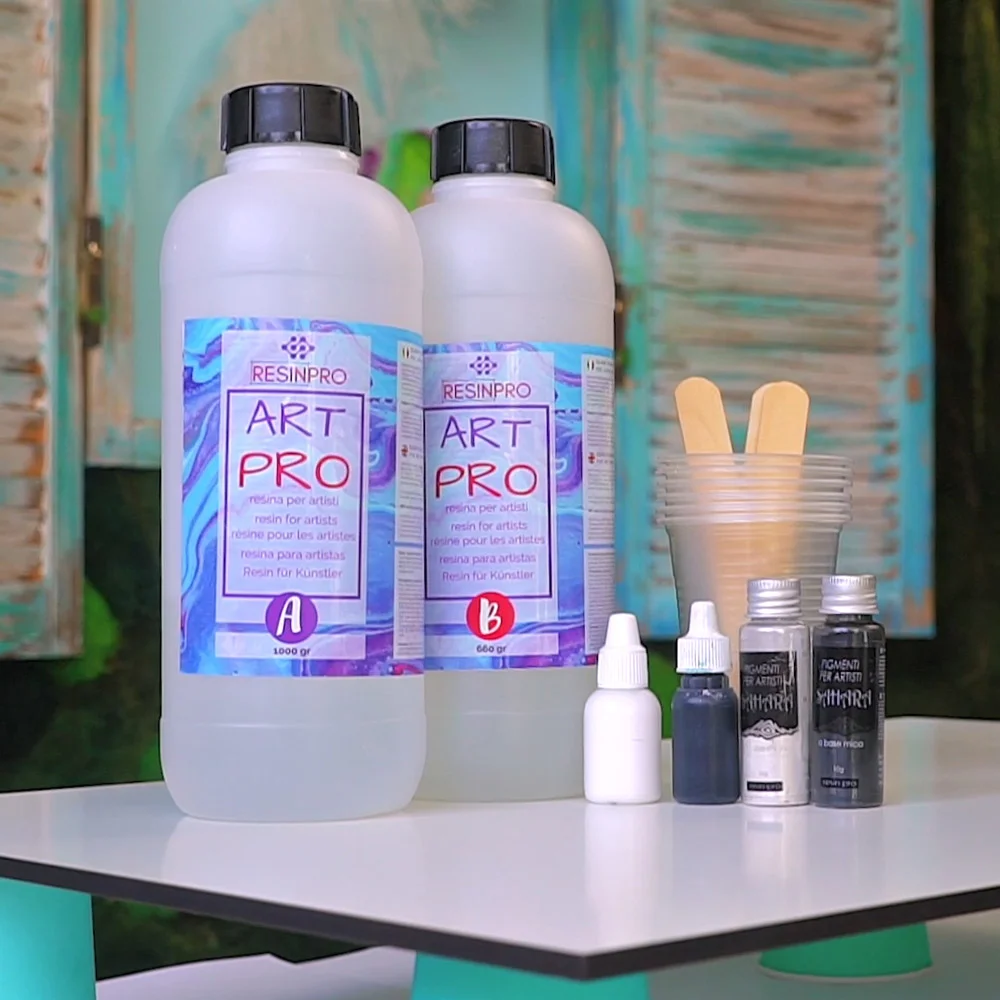

How to Repair Marble Steps Effectively
Using a specialised epoxy mastic, such as Magelstick Epoxy Mastic, is recommended for filling chips and cracks. Its thixotropic formula is ideal for vertical surfaces like steps and prevents the repair compound from running. Once the epoxy mastic cures, sand the area gently to blend the repair smoothly with the rest of the stair tread before moving on to resin coating.
- Clean the area thoroughly to remove dust and debris.
- Mix the epoxy mastic according to instructions.
- Fill chips and cracks, then shape and smooth with a spatula.
- Allow the mastic to cure completely before sanding flush.
When This Matters Most
Taking time to repair chips or cracks is crucial if your stairs are subject to heavy use, as any existing weakness can quickly worsen under foot traffic. The resin finish’s strength and visual appeal depend on the solidity of the base layer.
Related products
Related guides
Repairing damage prior to resin application is the foundation of a long-lasting, visually appealing marble staircase. For a full step-by-step guide on achieving a professional finish, visit our main page on how to resin a marble staircase.