 Free shipping on orders over £29,85
  Shipping Tracking!


 Google
 Facebook
How to resin a marble staircase?
Step-by-step guide for lasting, high-gloss marble stair finishes
Transforming a marble staircase with epoxy resin adds durability and a glossy visual appeal, making it ideal for both restoration and protection. This comprehensive guide walks you through the process of preparing, repairing, and coating a marble staircase with resin, whether you wish to revitalise worn steps or create a luxurious finish from scratch. Appropriate for homeowners and professionals alike, you’ll find the essential tips and techniques to achieve a flawless result on any marble stairway.
What You’ll Need
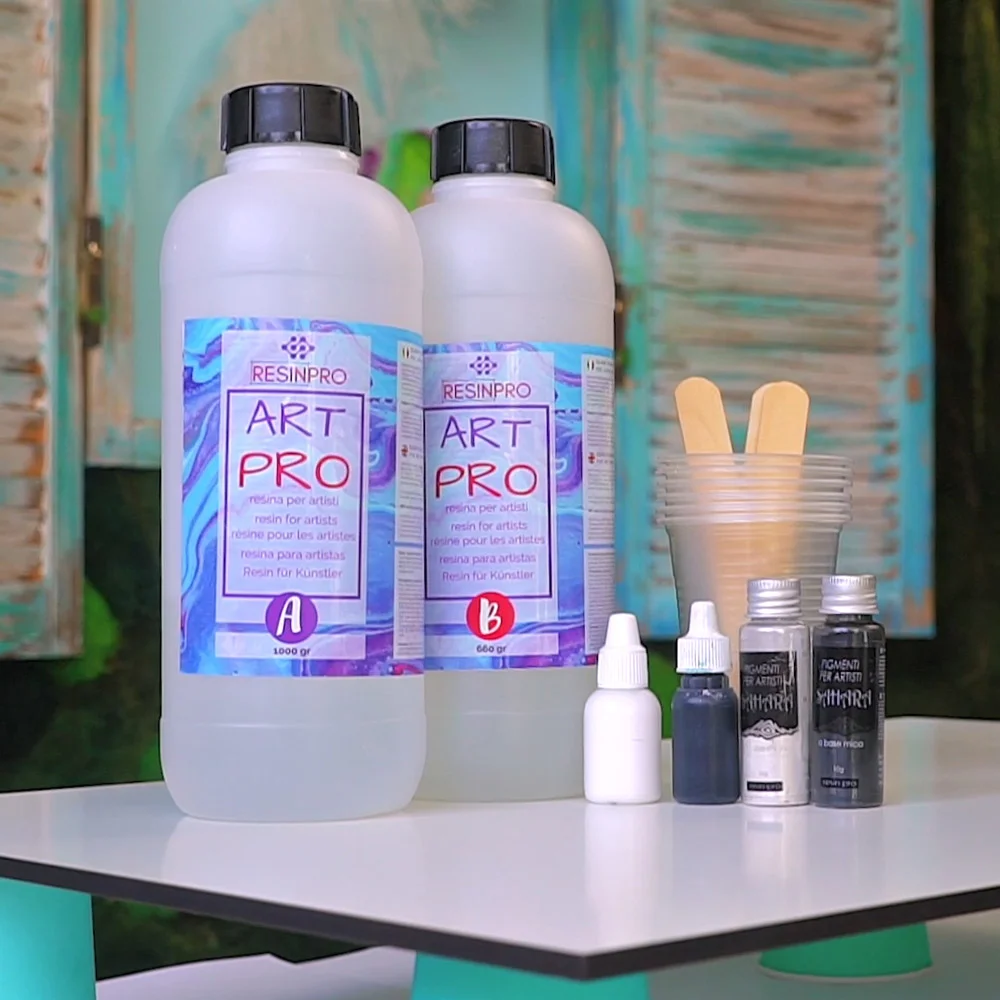
- “Stone Effect Collection” – Marble Epoxy Resin Countertop Kit: For mimicking premium marble effects and lasting surface protection.
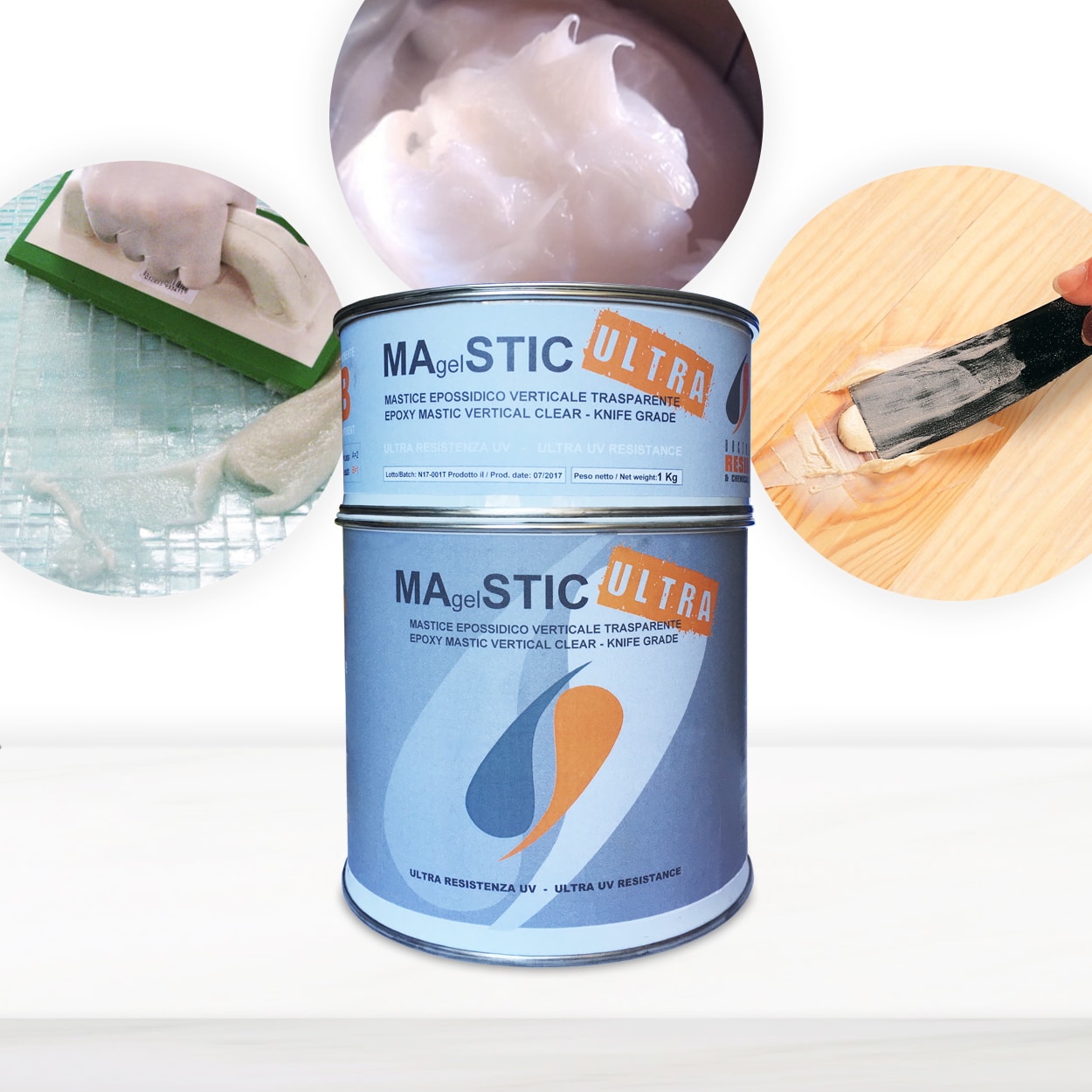
- “Magelstick” – Epoxy Mastic for Stone, Metal, and Cement Bonding and Grouting: For repairing cracks, chips, or grouting between marble treads and risers.
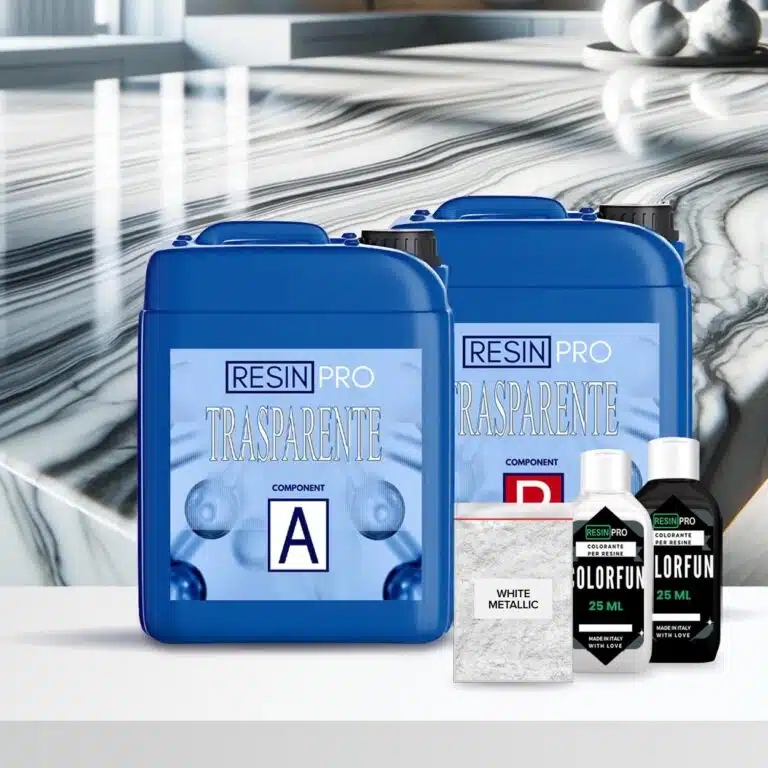
- “Trasparente” – Multipurpose Clear Epoxy Resin for Casting – Up to 2cm: For clear, high-gloss protective coatings or restoration purposes.
- “Icrystal” – Clear Epoxy Resin – Odourless Formula – Up to 1.5cm: Suitable for eco-friendlier or indoor surface coating where minimal odour is desired.
- Lint-free cloths, gloves, painter’s tape, sanding materials (320–600 grit), mixing containers, and a soft squeegee.

Preparing Your Marble Staircase for Resin Application
Thorough surface preparation sets the foundation for long-lasting results. Take time to clean, dry, and de-grease your marble completely. Attention to minor defects and masking is essential for a professional outcome. A correctly prepared surface helps prevent adhesion problems and maximises the resin’s clarity and protective capabilities.
Step 1: Clean and Prepare the Marble Surface
Ensure the marble surface is completely clean and dry. Begin by sweeping and vacuuming the staircase to remove grit and dust. Follow with a gentle cleanse using a pH-neutral stone cleaner or mild soap, as acidic products can damage marble. Rinse thoroughly and let the surface dry fully—trapped moisture can cause adhesion failures.
Once clean, use painter’s tape to protect adjacent walls or floors from accidental drips. If the marble is polished, lightly sand the surface using 320–600 grit sandpaper to introduce some microscopic texture, improving the resin’s bond. Vacuum and wipe the stairs again to remove all sanding residue.
This initial preparation stage is critical to ensuring the epoxy resin adheres well and provides a uniform, flawless finish.
Step 2: Fill Cracks and Repair Damage
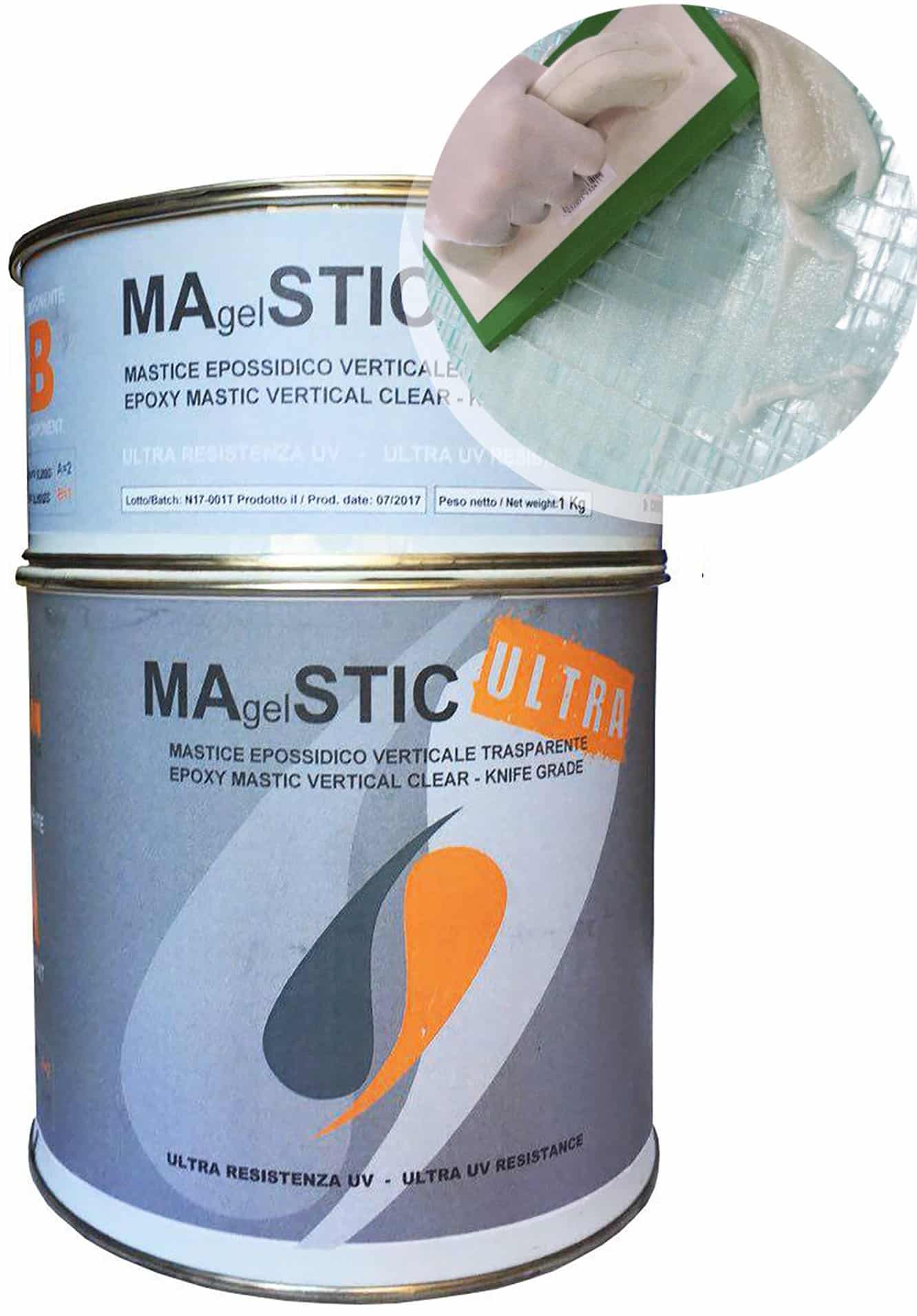
Inspect the marble for chips, cracks, or open joints. Any structural flaws should be repaired before applying resin. For cracked or chipped steps, repair any cracks or chips before coating by using a specialised epoxy mastic formulated for stone, such as “Magelstick”. Its thixotropic formula is designed to stay put on vertical or sloped stair treads, making it ideal for seamless, sag-free repairs.
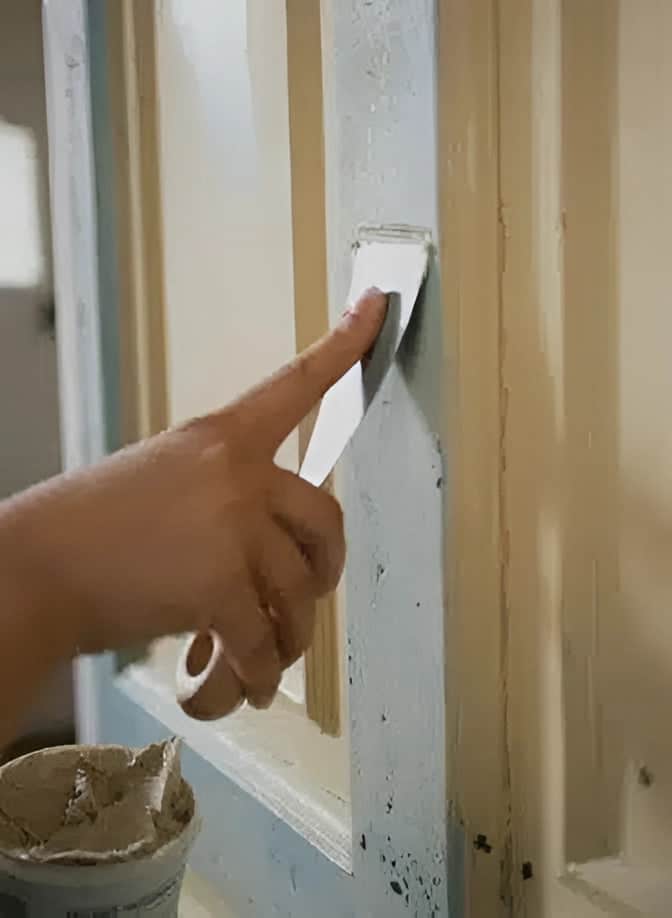
Carefully mix and apply the mastic according to its instructions, smoothing it flush with the marble surface. Allow ample curing time before sanding any excess filler. Ensure all repairs are set and level before proceeding to resin application.
Step 3: Mix and Apply the Epoxy Resin
Choose a resin system matched to your project goals—either a decorative kit like the “Stone Effect Collection” for authentic marble looks, or a clear casting resin such as “Trasparente” or “Icrystal” for pure protection and gloss. Mix epoxy resin thoroughly according to instructions, using a clean container. Accurate mixing is crucial to avoid soft spots or incomplete curing.
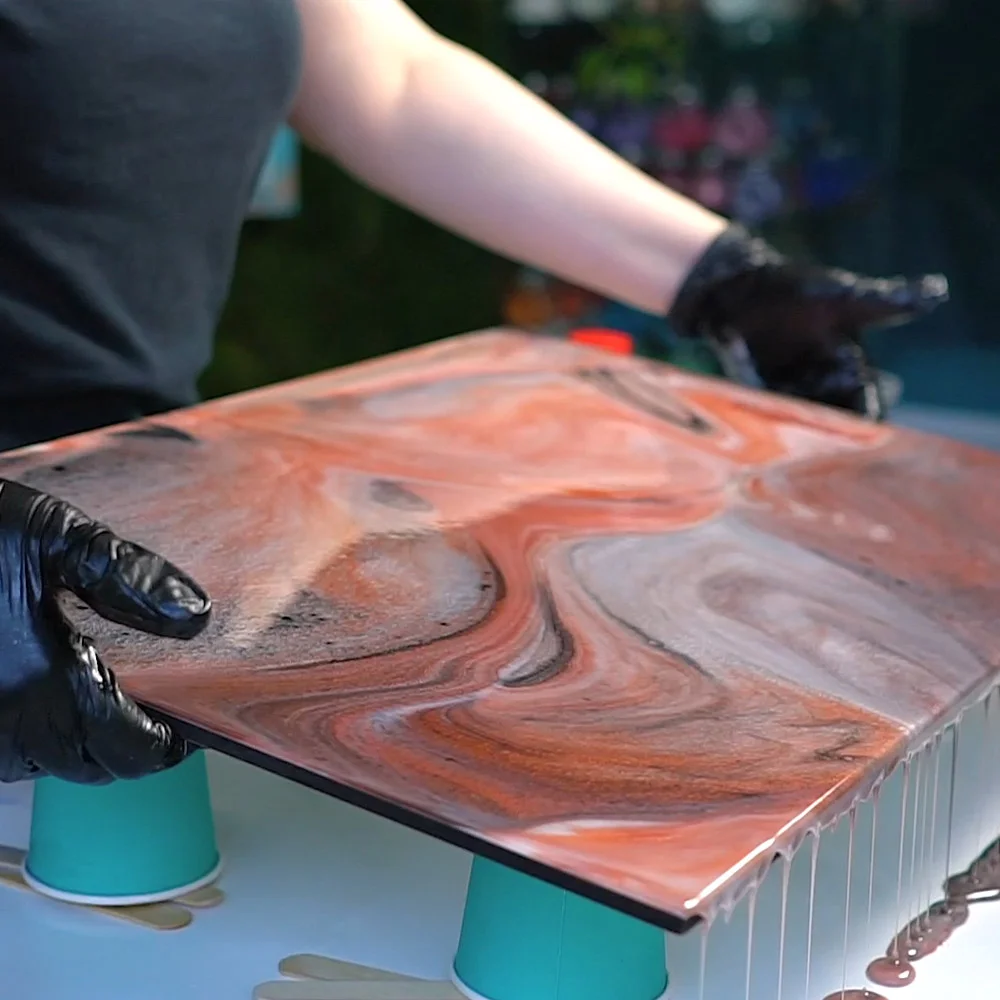
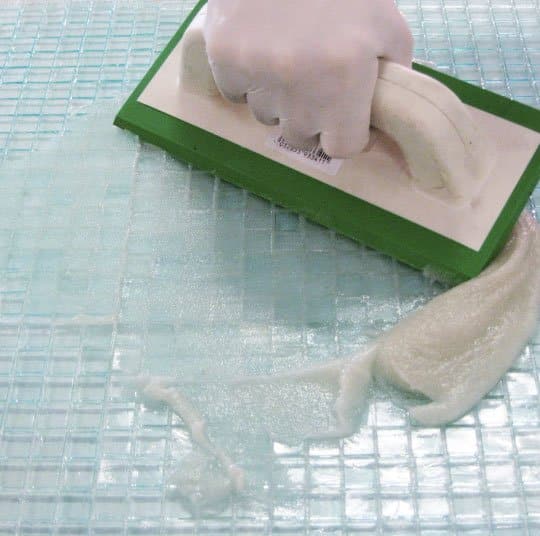
Pour and spread resin in thin, even layers across the marble, using a soft squeegee or spreader. Start at the top step and work downward to control drips. For decorative veining effects, follow the techniques outlined in your chosen resin kit. Let each coat self-level before moving to the next tread, and use a heat gun sparingly to remove bubbles if needed.
If multiple layers are required, allow the previous layer to become tack-free before applying the next. Take care to avoid working in direct sunlight or in excessively humid or cool conditions, as this can affect curing and resin clarity.
Step 4: Cure and Finish the Staircase
After application, allow sufficient curing time between coats and before regular use—typically 24 to 48 hours, but always follow the product-specific recommendations. Avoid touching or stepping on the resin until it is fully cured to prevent marks or dust inclusion.
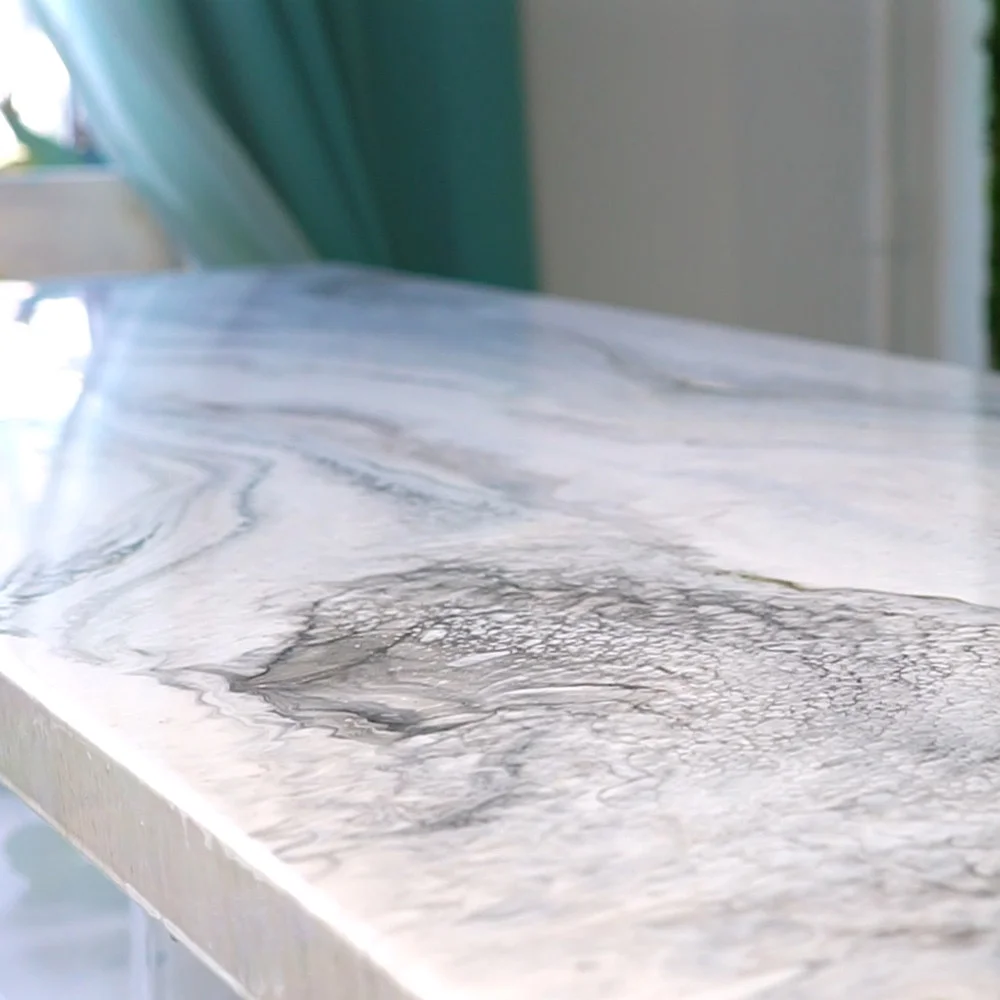
Once cured, inspect for imperfections such as stray bubbles or dust. You can lightly sand and recoat if a seamless gloss is not achieved. Remove all protective tape and clean up the workspace. The result should be a robust, visually striking marble staircase that resists scratches, stains, and daily wear.
Tips, Common Mistakes, and Troubleshooting
Work in a dust-free and well-ventilated area to help prevent debris settling into the resin. Always ensure the staircase is absolutely dry before starting; lingering moisture can lead to cloudy patches or adherence issues. Avoid mixing excessive resin in a single batch, as overheating and rapid curing may occur. Protect the area from drafts and temperature fluctuations during application and curing. Test on a small, inconspicuous area if unsure about compatibility with your marble.
Should drips or runs form, wait until cured, sand flat, and recoat for a consistent finish. Patience and careful step preparation are key to a professional, long-lasting result.
Achieving Professional Results on Marble Stairs
Consistent environments and gentle handling during curing make all the difference. Keep your workspace free of dust and monitor temperature and humidity closely. This approach ensures a smooth, high-gloss finish and extends the beauty and longevity of your marble staircase for years to come.
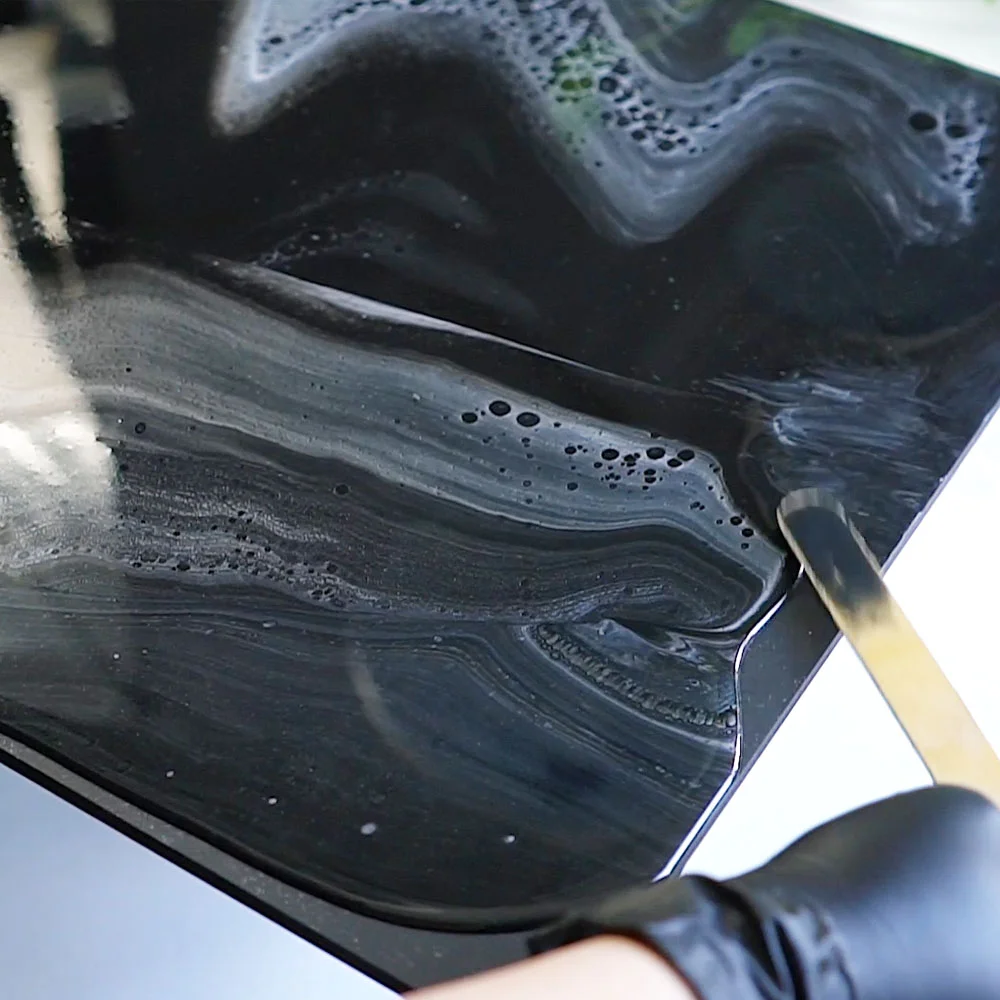
- "Stone Effect Collection" – Marble Epoxy Resin Countertop KitPrice range: £57.95 through £272.95"Stone Effect Collection" Marble epoxy resin kit designed to create professional marble and stone effect surfaces suitable for kitchens and bathrooms.
- "Magelstick" – Epoxy Mastic for Stone, Metal, and Cement Bonding and Grouting"Magelstick" is a professional epoxy mastic for bonding and grouting stone, metal, and cement, suitable for detailed repairs and restoration.
 "Trasparente" – Multipurpose Clear Epoxy Resin for Casting – Up to 2cmPrice range: £8.95 through £397.95"Trasparente" is an ultra-clear epoxy resin for detailed castings and DIY projects with a self-levelling finish up to 2cm thick.
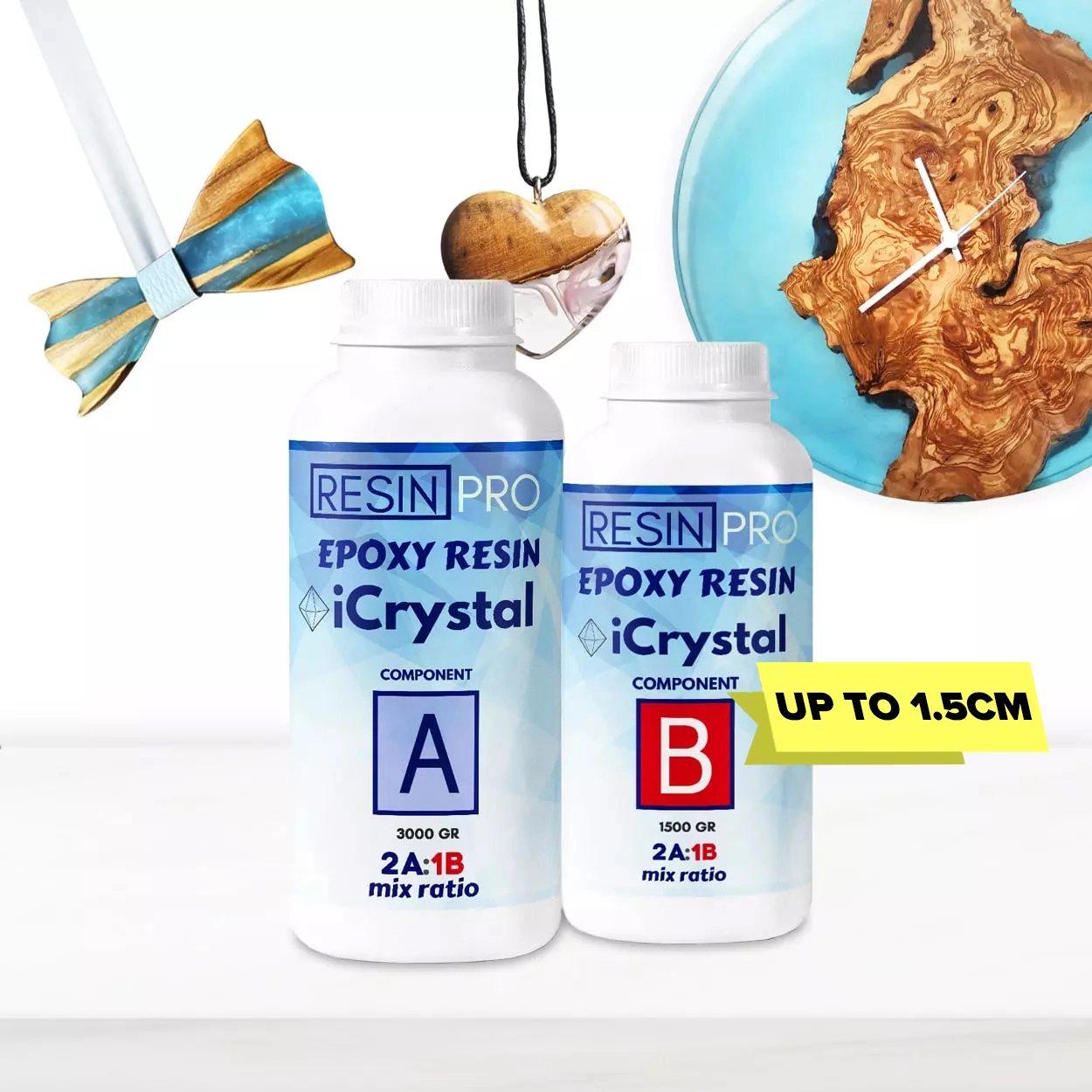 "Icrystal" – Clear Epoxy Resin – Odourless Formula – Up to 1.5cmPrice range: £12.45 through £341.45"Icrystal" is a clear epoxy resin with an odourless formula and ease of use, offering suitable finish options aligned with a resin application theme.
Frequently Asked Questions
How should I prepare a marble staircase before applying resin?
Deep clean the surface, repair any cracks or chips with epoxy mastic, and sand lightly for better adhesion before resin application.
Which epoxy resin should I use to achieve a marble effect on stairs?
A decorative kit like the "Stone Effect Collection" is recommended for realistic marble effects and professional results.
Should I repair chipped or cracked marble stairs before resining?
Yes, epoxy mastic should be used for repairs to create a smooth and stable base before applying resin.
Can I apply more than one resin layer on a marble staircase?
Yes, multiple thin layers can be applied, but ensure each is cured tack-free before adding the next for best adhesion.
How can I avoid bubbles when coating marble stairs with epoxy?
Thorough mixing, pouring slowly, and gently using a heat gun help eliminate bubbles and ensure a clear, glossy finish.