 Free shipping on orders over £29,85
  Shipping Tracking!


 Google
 Facebook
← Back to How to Resin a Staircase?

Resined staircases are both attractive and durable, but the requirements for indoor and outdoor stairs differ considerably. Understanding these differences helps you choose the right system and achieve long-lasting results.
Core Differences in Resin Choice and Finish
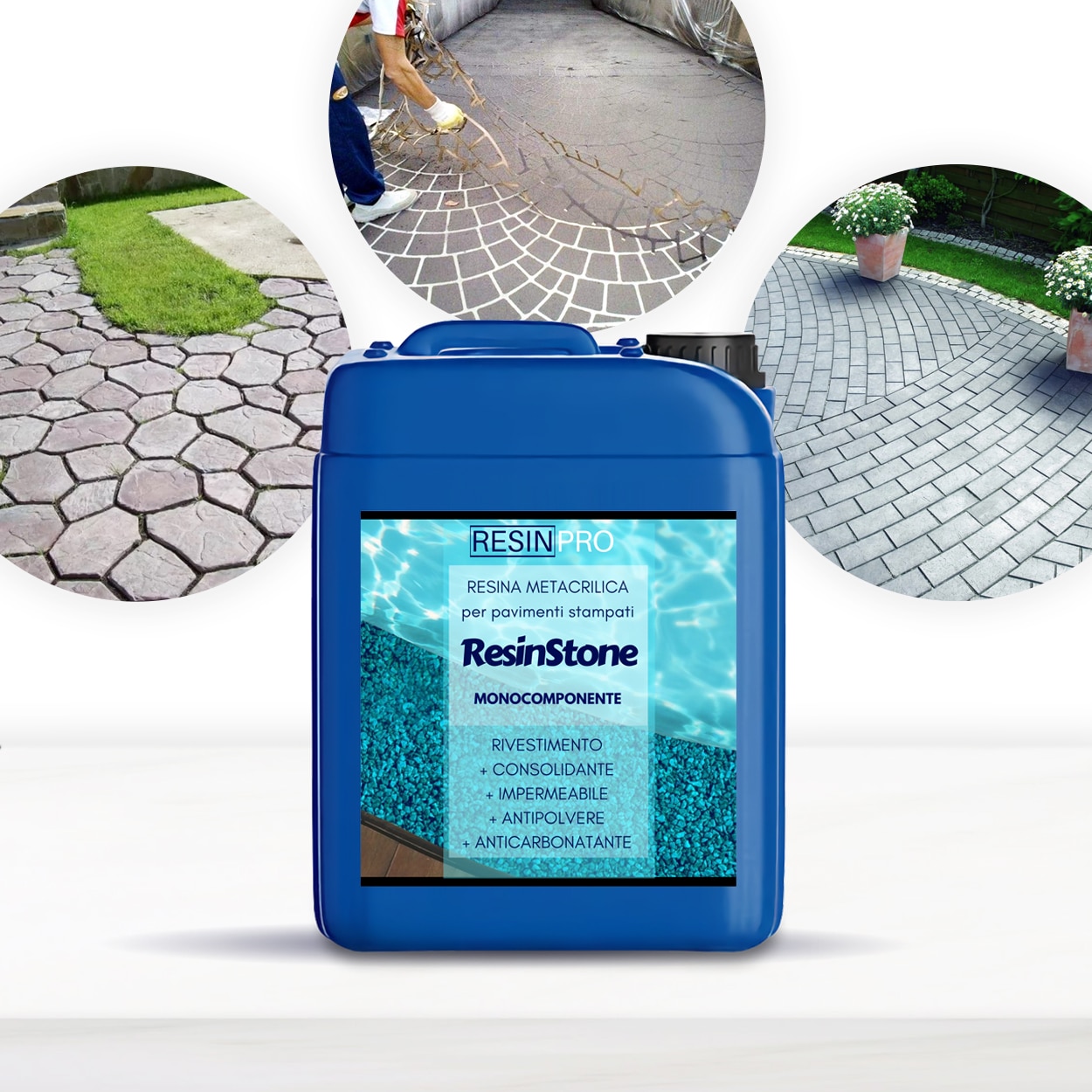
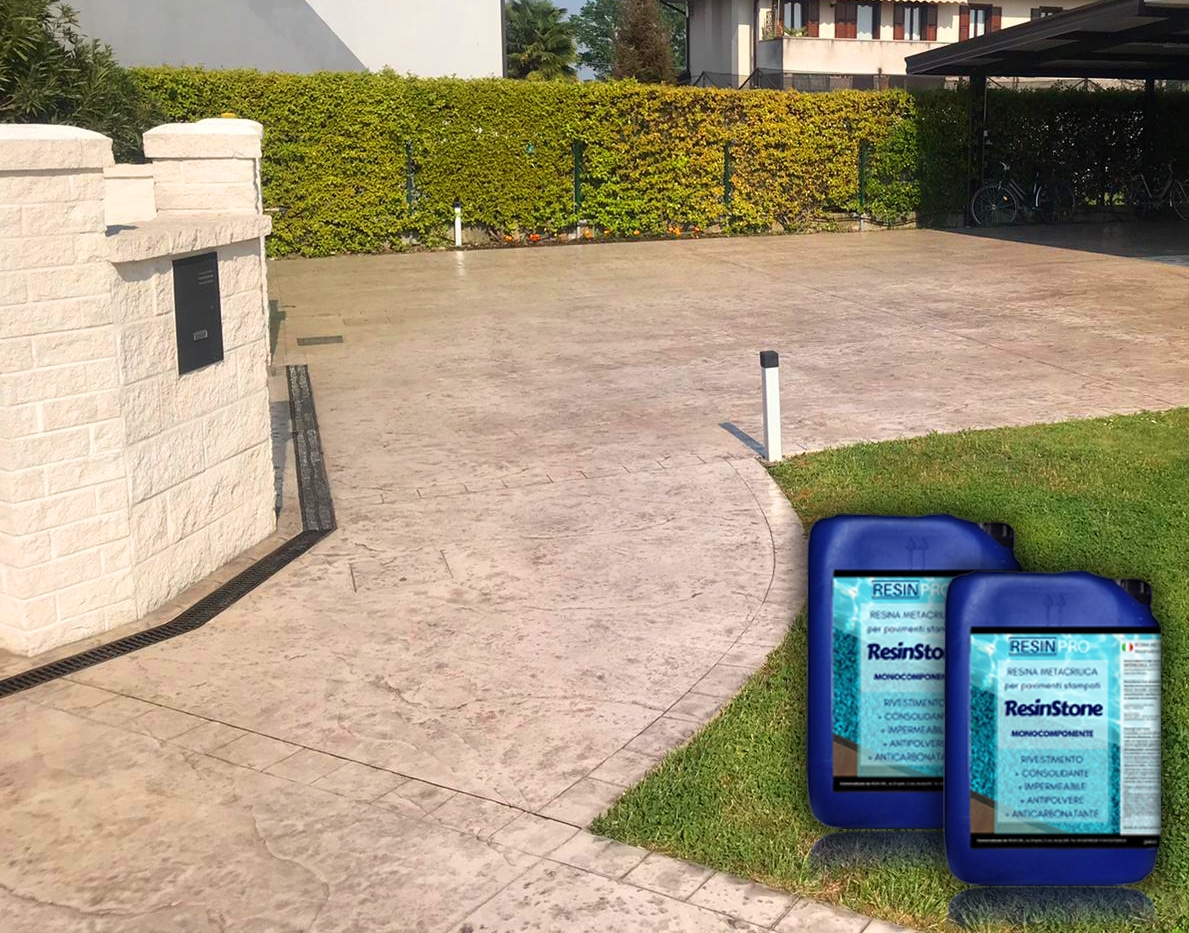
Indoor stairs generally benefit from resins that prioritise clarity and create a smooth, easily cleaned surface. In contrast, outdoor stairs demand robustness against the elements, so anti-slip finishes and UV-stable resins are a must. Resin systems like Resinstone are specifically designed for exterior concrete, offering protection against weather and frequent use, while clear epoxies might suit indoor timber stairs needing a glossy and resilient look.
Practical Tips: Preparation and Safety
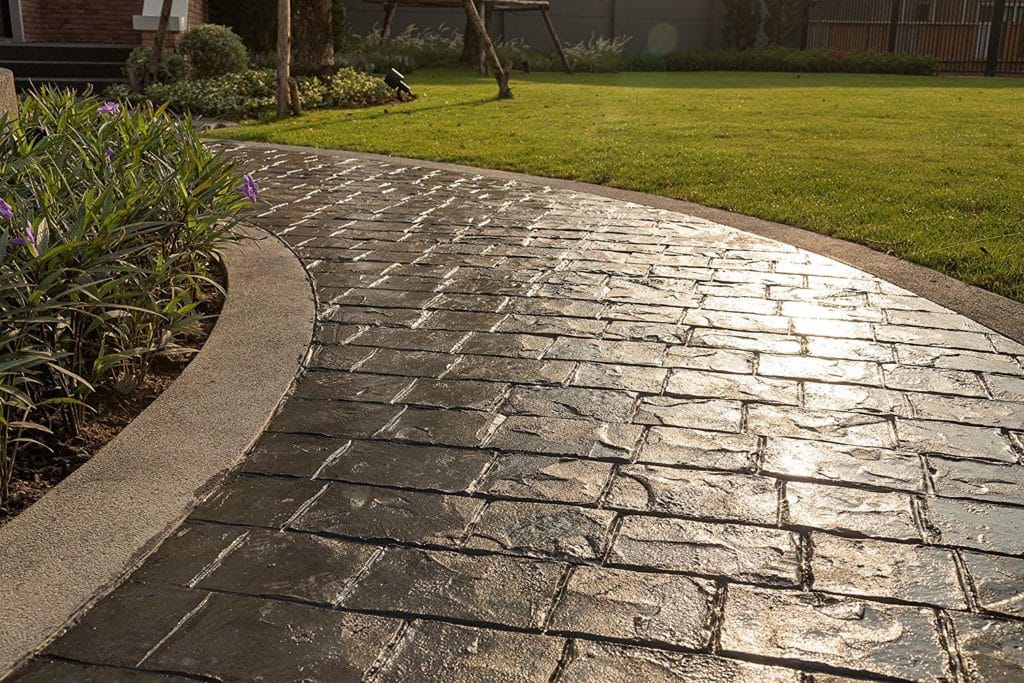
For both indoor and outdoor stairs, thorough preparation is key. Clean and dry surfaces ensure maximum resin adhesion. Outdoors, make sure the substrate is solid and apply anti-slip aggregates or select kits specifically intended for wet or high-traffic conditions, such as the Flowstone permeable system. Indoors, focus on achieving a level, bubble-free finish that enhances the natural material beneath without risking slipperiness.
When This Matters Most
- High Traffic Areas: Outdoor steps exposed to rain, frost, or intense sun will benefit from UV-stable, non-slip finishes.
- Feature Staircases: Interior stairs made from wood or concrete can be transformed with clear or lightly-tinted resins for a seamless, stylish upgrade.
Related products
Related guides
Choosing the correct resin system is essential for safe, attractive, and long-lasting results—whether for a sheltered hallway or exposed garden steps. For a complete step-by-step guide to applying resin to staircases, visit our main staircase resining guide.