 Free shipping on orders over £29,85
  Shipping Tracking!


 Google
 Facebook
How to repair cracks in wooden beams with resins?
Step-by-step guide for lasting timber repairs and reinforcement

Cracked wooden beams threaten the structural integrity and aesthetic appeal of your property. Whether from age, moisture, or impact, timely repair using resins can restore strength, prevent further deterioration, and extend the lifespan of timber. This comprehensive guide details how to identify, fill, and finish cracks in beams using specialist resins, ensuring a professional-grade restoration for both indoor and outdoor settings.
What You’ll Need
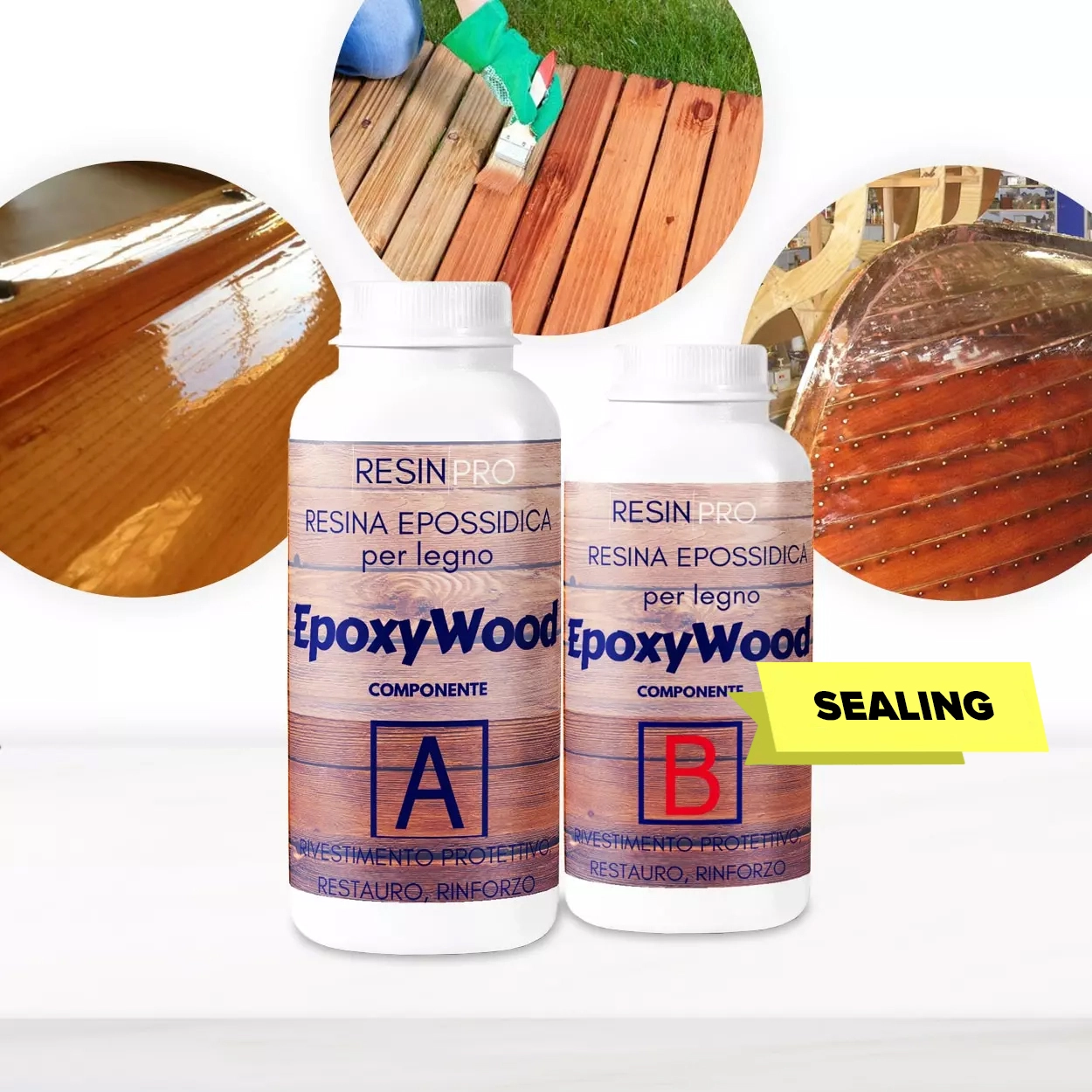
- “EpoxyWood” – Wood Restoration Epoxy Resin for Deep Penetration and Waterproofing: For deep structural cracks and long-term waterproofing.
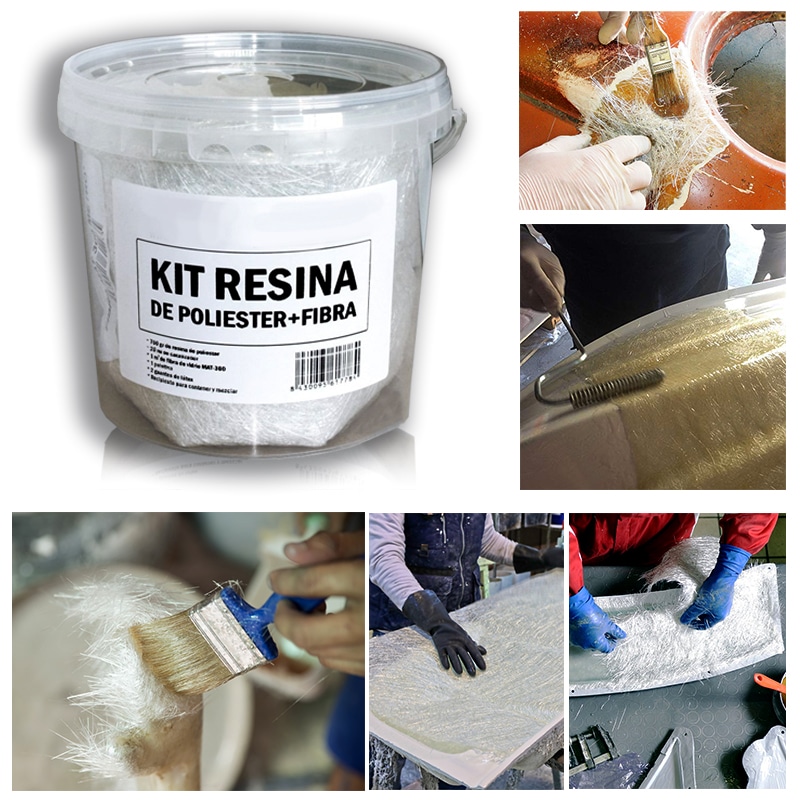
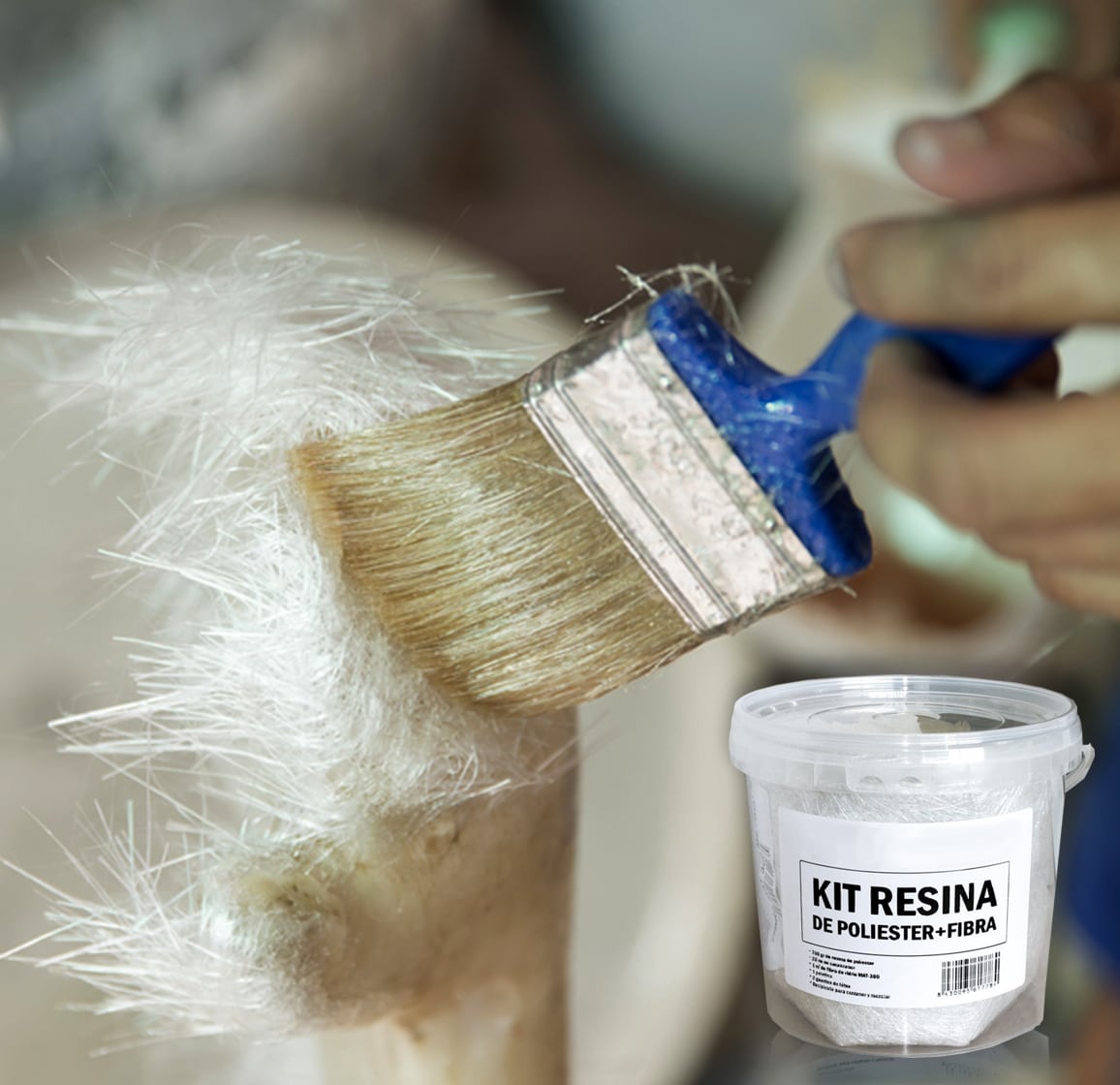
- Resin Fibreglass Repair Kit – Complete Polyester Resin and Hardener Set: For reinforcing larger or pressure-bearing cracks.
- “Carbon Resin” – Epoxy Resin for Carbon Fiber & Fiberglass Coating: To combine resin with fibre reinforcement in structural repairs.
- CROP 2K Fiberglass Putty – 750 ml + Hardener: Ideal for filling and smoothing wide cracks or cavities before finishing.
- Protective gloves, eye protection, dust mask
- Sanding blocks or electric sander
- Brush, mixing containers, spatula
- Cloths, vacuum or compressed air (for dust removal)
Visual Reference: Resin Repairs in Action
See the transformation! Watch the process of cleaning, filling, and finishing resin repairs on wooden beams for confidence in each step.
Images and demonstrations offer guidance for flawless application and professional results.
Step 1: Prepare and Assess the Wooden Beam
Thoroughly clean and dry the beam to remove all dust, dirt, or previous coatings from the cracked area. Use a cloth and vacuum, and ensure moisture content is minimal; resins require dry timber to bond effectively.
Lightly sand the surface around the crack to create a key for adhesion and eliminate any weak timber fibres. Avoid aggressive sanding that could widen the crack unnecessarily. Clean away sanding dust with a vacuum or compressed air.
Assess crack depth and width—this determines the type and volume of filler required. Deep or structural cracks benefit most from a flowing, penetrating resin, while surface splits may be filled with a thicker putty or reinforced with a resin and mat system in subsequent steps.
Step 2: Mix and Apply the Chosen Resin Solution
Wearing gloves and eye protection, prepare your resin according to the manufacturer’s ratio and mixing instructions. Avoid mixing large quantities, as pot life is limited once combined with hardener.
For hairline or deep internal cracks, use “EpoxyWood” – Wood Restoration Epoxy Resin for Deep Penetration and Waterproofing—its ultra-low viscosity ensures it flows deeply into wood fibres for robust reinforcement. Use a brush or plastic syringe to force resin into the crack, working it in until fully saturated.
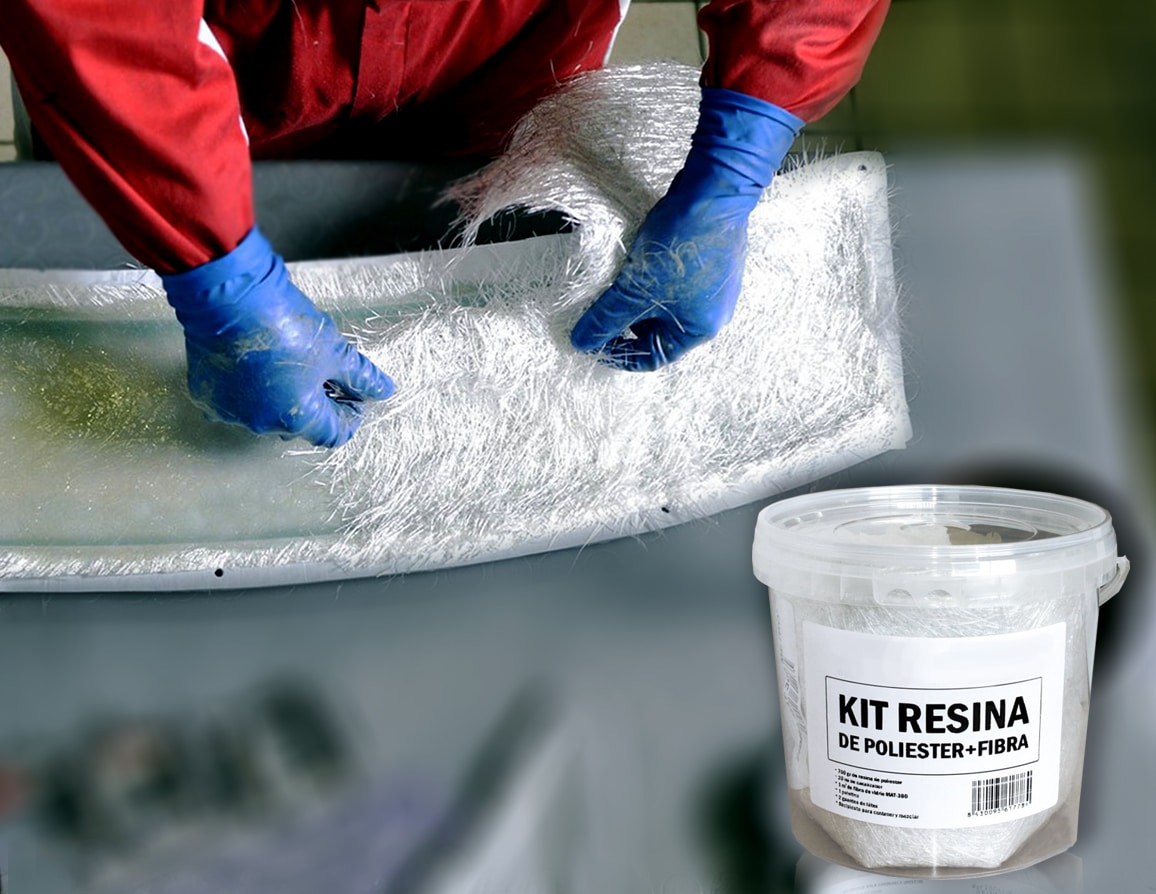
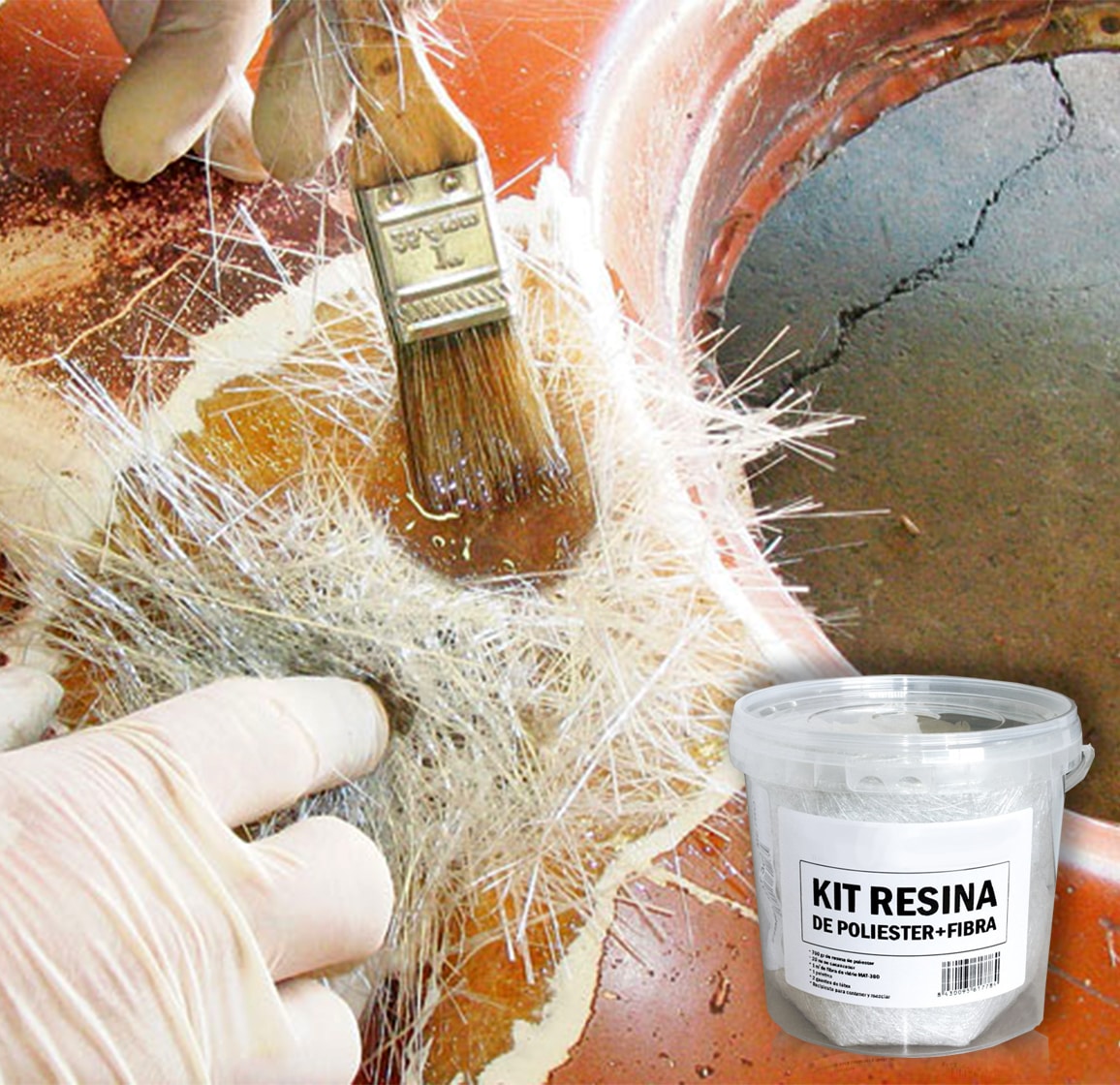
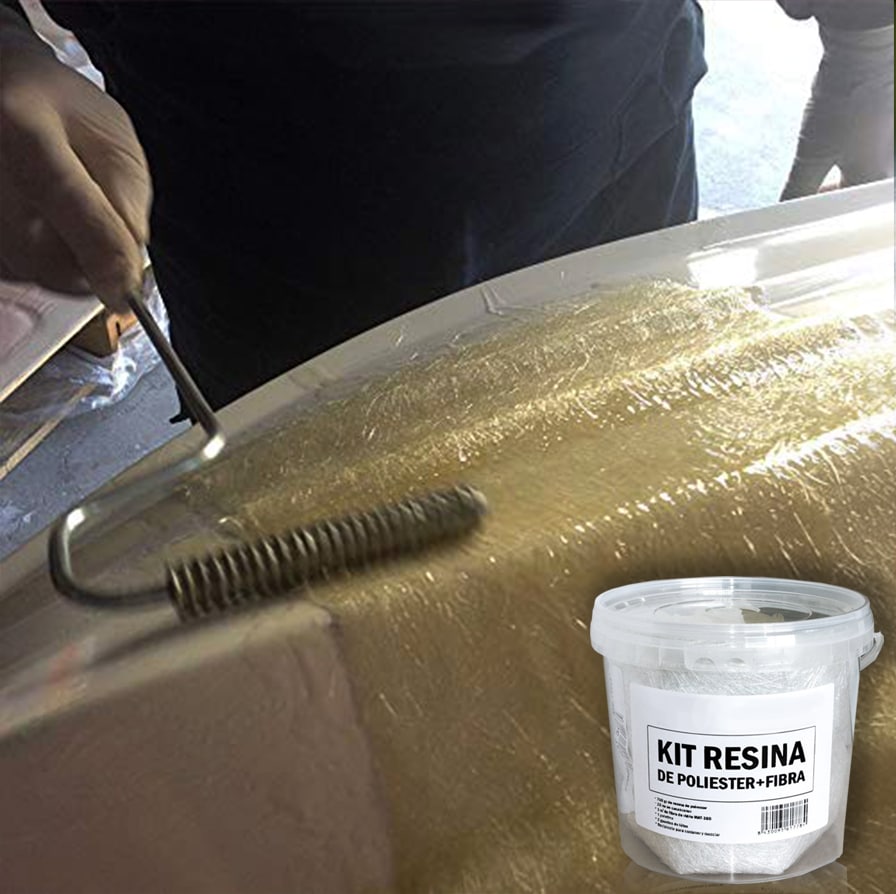
Larger gaps or structural weaknesses benefit from combining a fibreglass mat with resin, forming a composite bridge. In such cases, the Resin Fibreglass Repair Kit – Complete Polyester Resin and Hardener Set includes all essentials: resin, hardener, mat, and tools. Cut mat segments to size, lay them over cleaned cracks, and brush the mixed resin through to saturate thoroughly. Allow each layer to cure per instructions before proceeding.
Step 3: Fill and Finish for a Smooth Surface
If minor undulations or gaps remain after the main repair, use a resin-based putty to capture fine details and prepare the surface for final finishing. CROP 2K Fiberglass Putty – 750 ml + Hardener is ideal for this. Mix the required portion, then press firmly into any remaining cavities or along the surface of previously repaired cracks. Smooth gently with a spatula and leave to cure as specified by the product.
Once hard, sand the repaired area to blend seamlessly with the original beam, starting with a coarser grit and progressing to fine grit for a refined finish. Always wear a dust mask when sanding cured resin materials.

Step 4: Cure, Protect and Inspect the Repair
Allow proper curing for best results; resins and composites need full hardening time before exposure to load or re-coating. Check each product’s curing schedule carefully—avoid disturbing or loading the beam prematurely.
Inspect the repair for any voids, missed areas, or sticky spots. If needed, repeat filling or sanding in small sections. For beams exposed externally, consider applying a final protective coat or paint compatible with the chosen resin to enhance UV and weather resistance.
Tips, Common Mistakes, and Troubleshooting
- Work in a well-ventilated, dust-free area for optimal results and safety.
- Avoid overfilling or rushing the curing process—thickness or haste can create weak repairs.
- Follow mixing ratios and temperature guidelines—under- or over-mixing resins compromises bond strength.
- Store unused materials properly; cap tightly and keep in a cool, dry place.
- If bubbly or uneven curing occurs, sand back once hard and recoat with a thin layer of resin.

Finished Repairs: Restored Beams and Protection
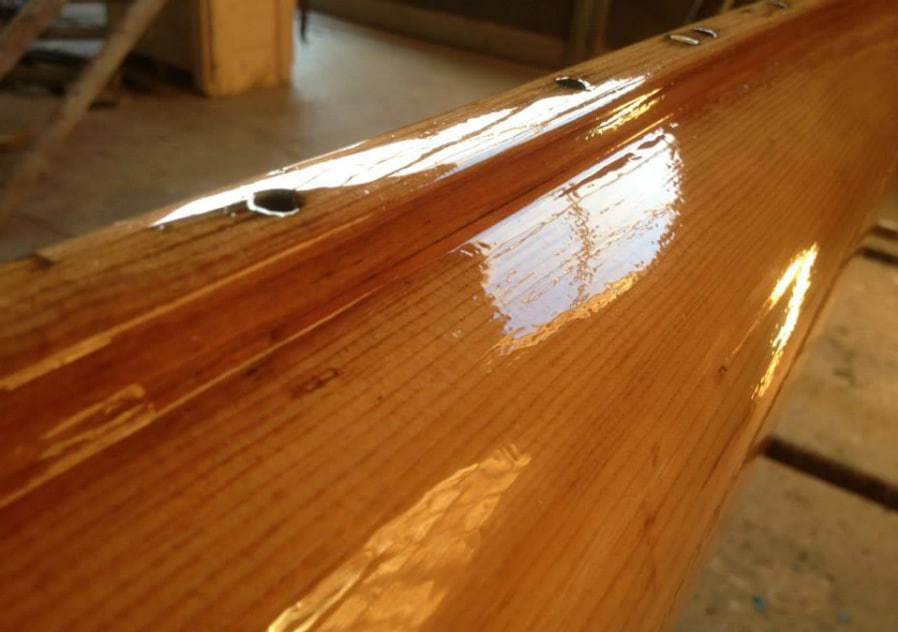
Restored wooden beams display renewed strength and visual appeal. Spot the difference pre- and post-repair—careful resin application makes cracks disappear and adds lasting waterproofing.
Protect and beautify your timber structures with suitable resins for peace of mind indoors or outdoors.
- "EpoxyWood" – Wood Restoration Epoxy Resin for Deep Penetration and WaterproofingPrice range: £27.95 through £41.95EpoxyWood is designed for repairing and protecting wooden surfaces with deep penetration and waterproofing suitable for restoration tasks.
- Resin Fibreglass Repair Kit – Complete Polyester Resin and Hardener SetA ready-to-use polyester resin kit with fibreglass mat for durable repairs of rigid surfaces, suitable for various structural applications.
- "Carbon Resin" – Epoxy Resin for Carbon Fiber & Fiberglass CoatingPrice range: £19.95 through £37.95"Carbon Resin" is an epoxy designed for carbon fibre and fibreglass impregnation. It suits projects needing durable, impact-resistant coating with a…
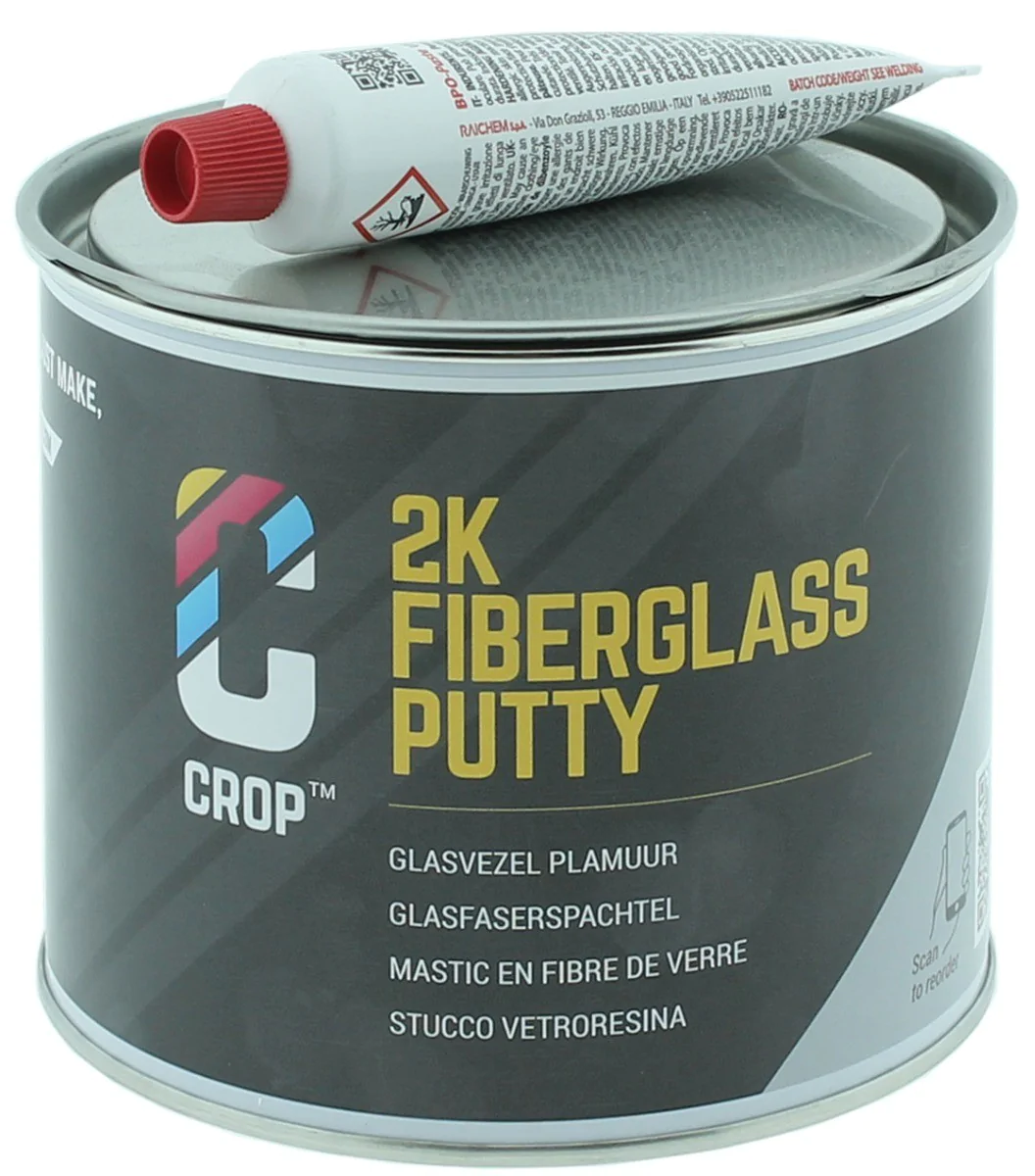 CROP 2K Fiberglass Putty – 750 ml + Hardener£15.85CROP 2K Fiberglass Putty is a two-component polyester putty reinforced with fibreglass for durable filling and smoothing.
Frequently Asked Questions
What is the best type of resin for filling a crack in a wooden beam?
Low-viscosity epoxy resins are ideal for deep penetration and strong bonding in cracked beams. For reinforced repairs, use a kit including fibreglass mat.
Can I use resin to repair structural timber beams?
Yes, resins can restore structural strength in beams. Ensure suitable resin selection, thorough preparation, and proper curing for durable results.
Do I need reinforcement (mat or cloth) for my resin repair?
For wider, deeper, or load-bearing cracks, reinforce resin repairs with fibreglass or carbon fibre for enhanced strength.
Can I sand over a resin wood repair?
Yes, once fully cured, sand resin flush to the surrounding wood for a smooth and even surface, ready for painting or sealing.
How long does resin need to cure in a beam repair?
Curing times vary by product but generally require 24–48 hours for full strength. Always follow the specific instructions on your chosen resin.
What is the difference between epoxy, polyester, and putty resin repairs?
Epoxy offers deep wood penetration and high strength. Polyester is best for reinforced mats, while putty fills and smooths surface defects.