 Free shipping on orders over £29,85
  Shipping Tracking!


 Google
 Facebook
← Back to How to Fix a Resin Statue?
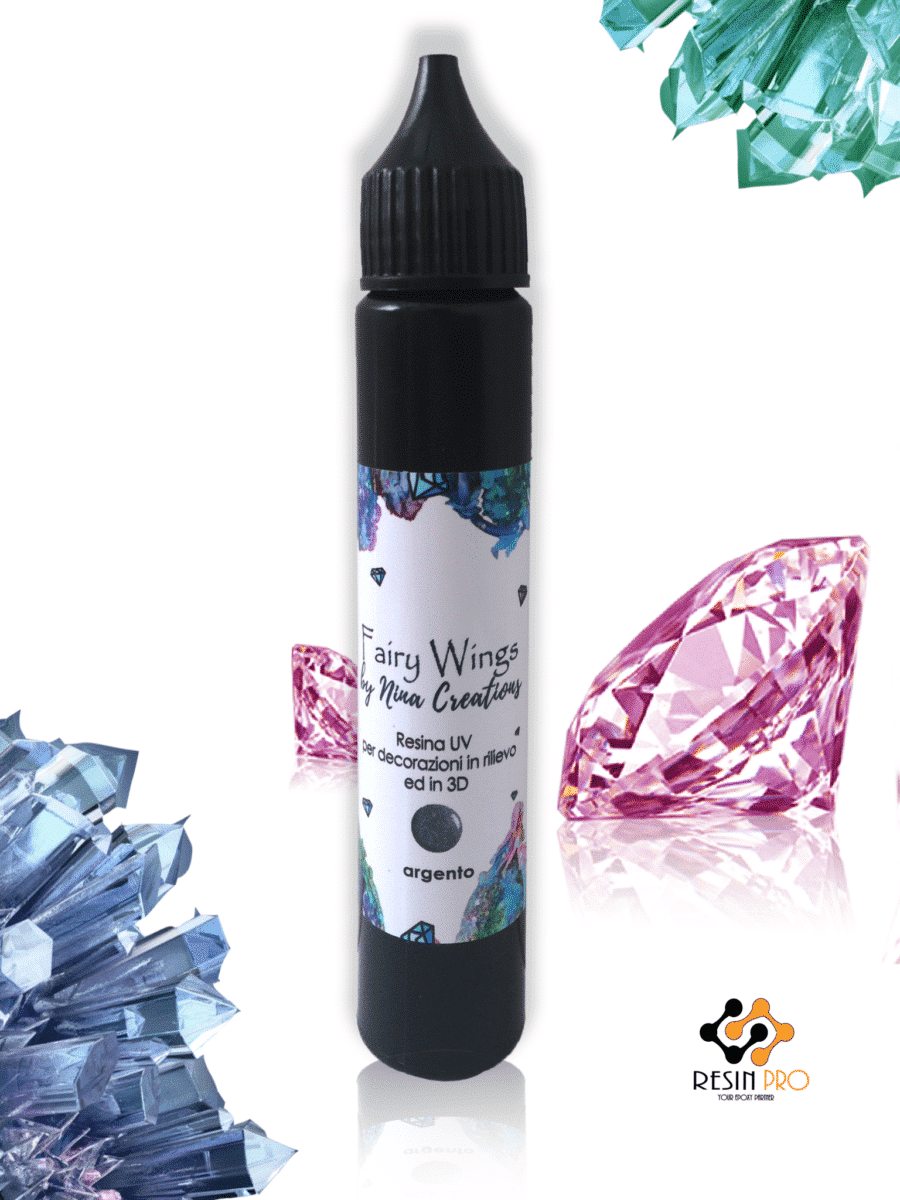

When repairing fine details on a resin statue, choosing the right type of resin can make all the difference. Both UV resin and epoxy have unique advantages that suit particular types of restoration work.
Advantages of UV Resin for Precision Repairs
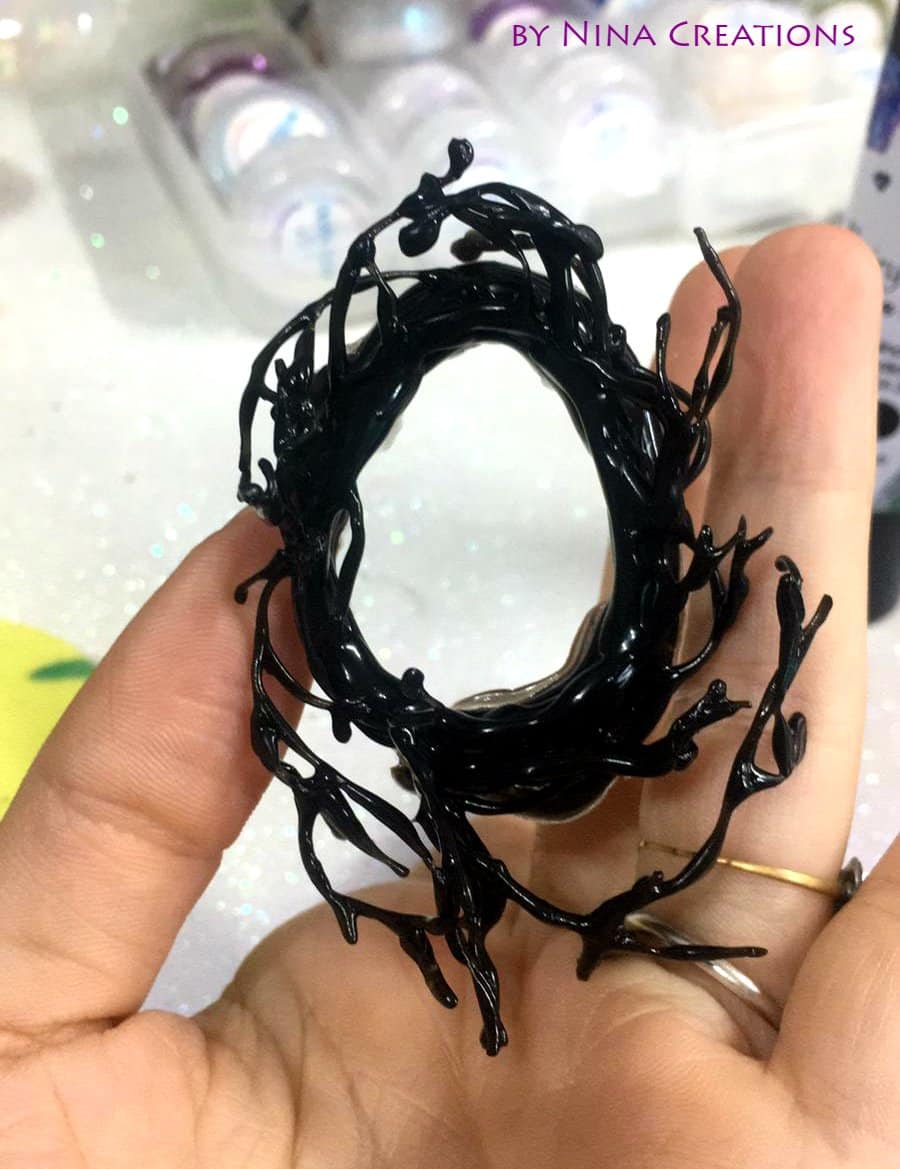
UV resin is ideal for restoring small, intricate details because it cures quickly—typically in just a few minutes under an appropriate UV light. As a one-component acrylic gel, such as “Fairy Wings” UV Resin, it can be effortlessly applied in thin layers to build up textures and decorative elements with accuracy. This makes UV resin especially useful for adding fine 3D reliefs or replacing tiny missing fragments on figurines.


When to Choose Epoxy Glue
Epoxy adhesive, like “FixExpress” Epoxy Glue, is well-suited for precision bonding where a fast-setting, strong hold is needed. While it may not offer the rapid spot-curing advantage of UV resin, epoxy glue can be tinted with compatible dyes and remains practical for mounting delicate components, filling cracks, or making neat repairs without dripping.
Which Should You Use and Why?
- For sharp, raised, or decorative reliefs: UV resin provides control and quick hardening in small-scale areas.
- For strong, general adhesion: Epoxy glue ensures a robust, long-lasting bond, especially where durability is critical.
Consider combining both: UV resin for surface details and epoxy for internal or structural joins.
When This Matters Most
If you are repairing small chips, sculptural embellishments, or tiny embellishments on a resin figure, using UV resin helps you recreate precise forms that blend seamlessly with the original art. For tight-fitting joints or load-bearing parts, epoxy glue provides the security needed for everyday handling.
Related products
Related guides
Choosing between UV resin and epoxy glue ensures you give your resin statue the best finish possible. For more useful tips and complete repair advice, visit our How to Fix a Resin Statue? guide.