 Free shipping on orders over £29,85
  Shipping Tracking!


 Google
 Facebook
How do you dissolve hardened epoxy resin?
Safe, step-by-step solutions for removing cured epoxy


Removing hardened epoxy resin from surfaces can be a challenging task due to its durable, chemical-resistant nature. This guide will walk you through practical, safe methods for tackling cured resin, plus discuss the limitations and best practices. Whether you are dealing with accidental spills or renovating older resin projects, these steps will help you efficiently and safely address unwanted hardened epoxy.

What You’ll Need
- Protective gloves and safety glasses
- Sandpaper (various grits)
- Plastic or metal scraper
- Cotton cloths or rags
- Solvents such as acetone or isopropyl alcohol (only if safe for your substrate)
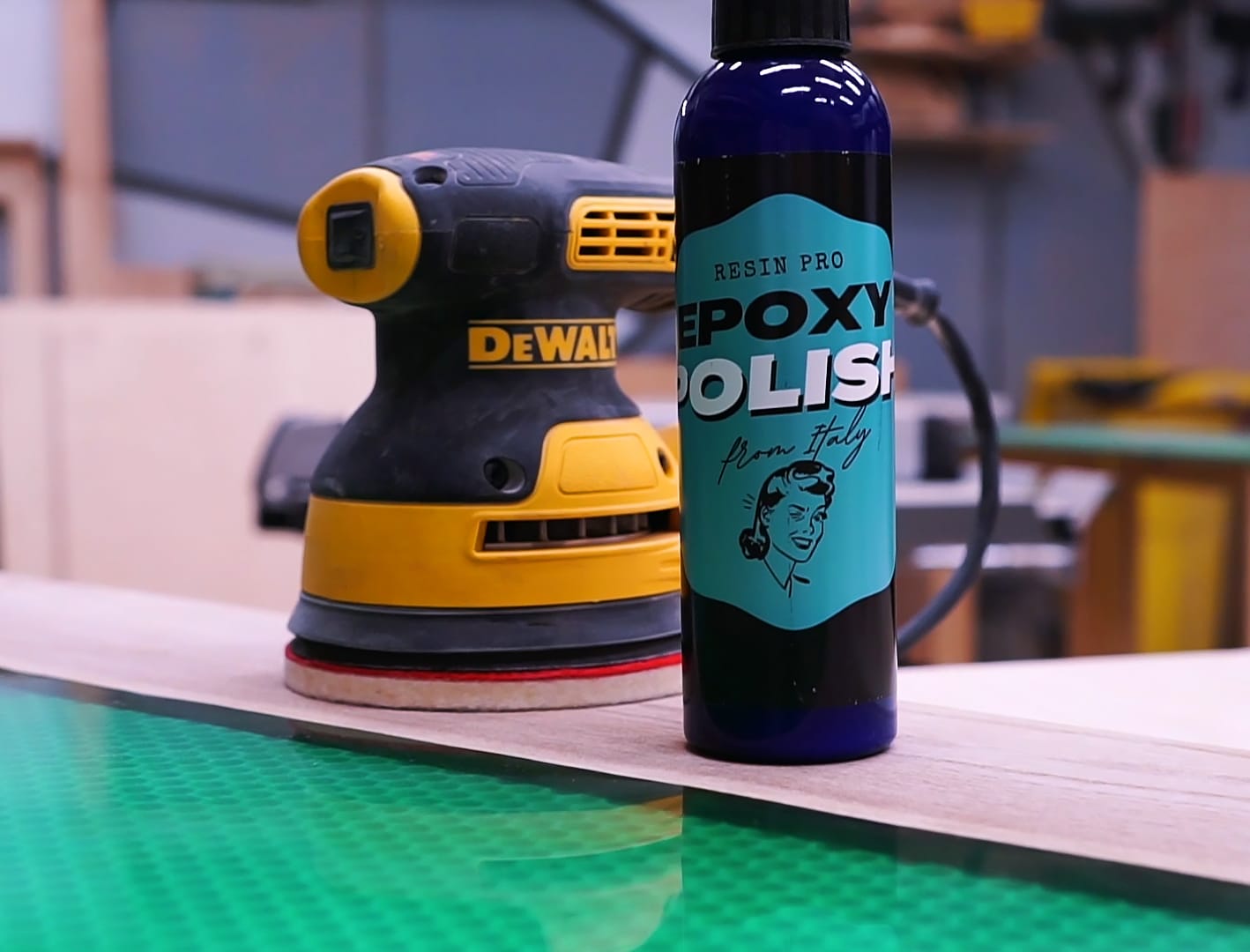
- “Epoxy Polish” – Epoxy Resin Polishing System (for final surface restoration)

See Epoxy Removal in Action
Visual demonstrations can make the removal process clearer. Explore our videos and photo guides to see the difference between mechanical and polishing results after removing epoxy resin. Observing step-by-step examples helps ensure you tackle your project with confidence.
Step 1: Assess the Surface and Ensure Safety
Always wear protective gloves and ensure good ventilation before working with any solvents or abrasive materials. Start by assessing the type of surface beneath the hardened epoxy. Some chemical methods can damage wood, metal, or plastics, so it’s critical to select a safe approach for your particular project. Remember, solvent use should be minimised, especially indoors.
Step 2: Understand Your Removal Options
Epoxy resin is extremely resistant after curing, so chemical dissolution is rarely effective. While acetone or isopropyl alcohol can soften uncured or slightly tacky resin, fully cured epoxy generally requires mechanical removal. Avoid using heat guns on heat-sensitive substrates or flammable surfaces, and test solvents in a discreet area if you must try them.
Step 3: Mechanically Remove Hardened Epoxy
Mechanical removal is usually necessary for fully cured resin. Begin by gently scraping the bulk of resin off using a plastic scraper, avoiding deep scratches on the substrate. Move on to sanding with a coarse grit paper, and progressively switch to finer grits to remove all residue and smooth the surface. Take your time; rushing this step can damage your underlying material.
Step 4: Clean and Restore Surface Finish
Once all epoxy residue has been mechanically removed, wipe the area clean with a damp cloth to remove dust and particles. If the surface was glossy or you want to restore a professional appearance, you can use a dedicated product like “Epoxy Polish” – Epoxy Resin Polishing System. Thoroughly clean and polish the surface using a rotary polisher or appropriate pad for a mirror-like finish. This helps eliminate fine scratches left from sanding.
Tips and Common Mistakes
Always approach removal with patience. Avoid harsh chemicals on delicate surfaces as they may cause additional damage. Never use sharp metal scrapers that could gouge soft substrates. If working indoors, ensure the work area remains well ventilated, particularly when using solvents. Try to remove epoxy before it fully cures next time, as cured resin is much harder to address.
Gallery of Restored Resin Surfaces
View before-and-after results from real resin restoration projects. Notice how effective surface prep, combined with polishing products like the “Epoxy Polish” – Epoxy Resin Polishing System, brings clarity and lustre back to resin-coated items.

Frequently Asked Questions
Can you dissolve cured epoxy resin safely?
Cured epoxy resin is highly chemical-resistant, and safe dissolution is usually not possible. Mechanical removal is generally the only effective option.
Which chemicals remove hardened epoxy?
Most solvents are ineffective on fully cured epoxy resin. Acetone or isopropyl alcohol may soften uncured resin, but hard epoxy requires physical methods.
Is sanding necessary for removing resin?
Yes, sanding is often required to remove cured epoxy from surfaces and to smooth out any remaining residue after scraping.
Can epoxy polish remove epoxy?
No, epoxy polish cannot dissolve or remove cured epoxy. It is used for restoring shine after mechanical removal of resin.
What personal protective equipment should I use?
Wear gloves, safety glasses, and work in a ventilated area. These steps protect against dust and possible chemical exposure.
Can I use a heat gun to remove epoxy?
Heat guns can soften some epoxy resins, but they may damage sensitive surfaces and should be used with caution.