 Free shipping on orders over £29,85
  Shipping Tracking!


 Google
 Facebook
← Back to How to resin a transformer?

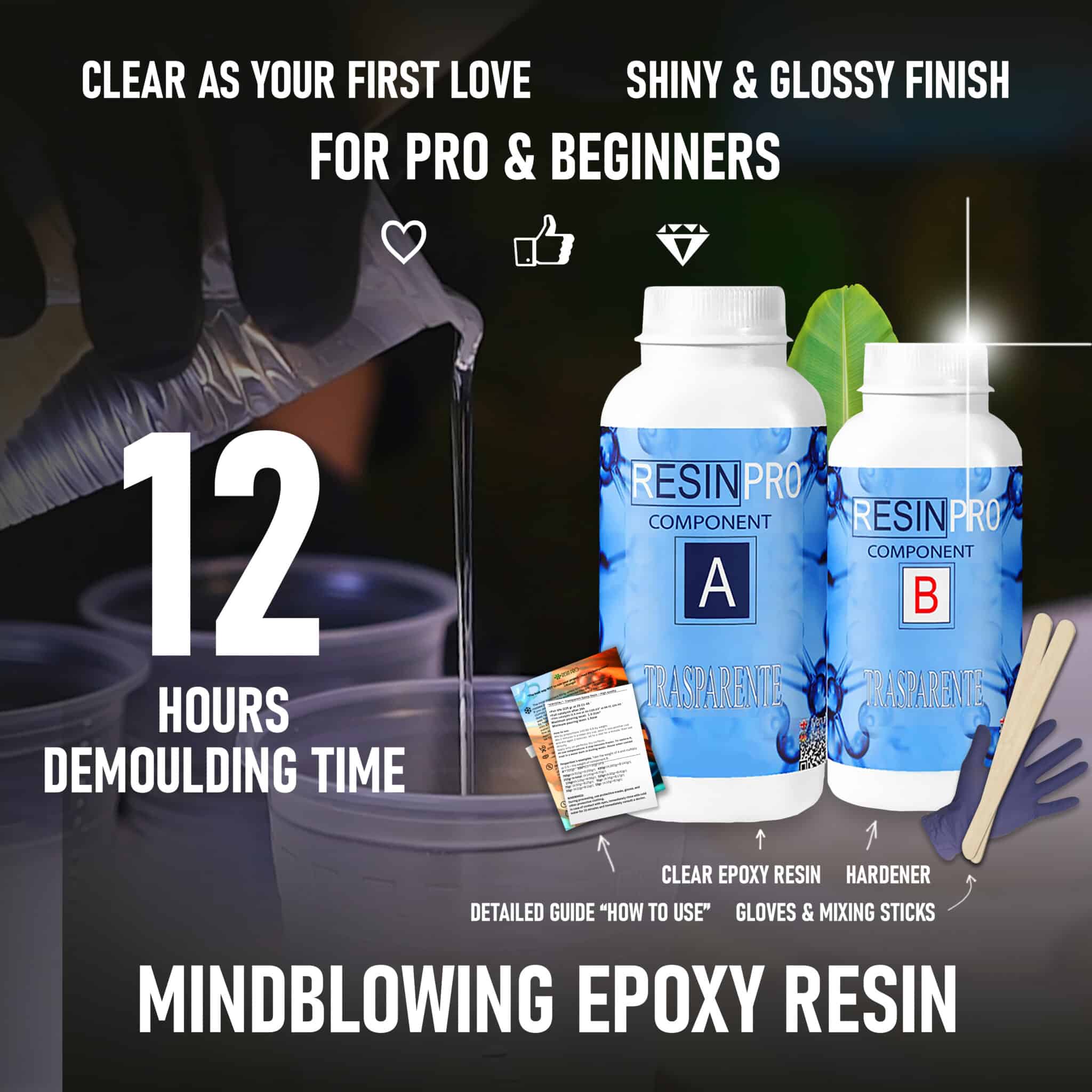
Potting a transformer with epoxy resin protects it from moisture, dust, and mechanical stress. One key consideration in achieving reliable results is the curing time, which directly affects project planning and performance.
Understanding Epoxy Curing Times
Curing time refers to how long epoxy resin takes to fully harden after mixing and pouring. For transformer potting, this period can range from several hours to overnight, depending on the type of epoxy, ambient conditions, and thickness of your pour. Always refer to the specific product’s data sheet, as each resin formulation sets at a different pace and thicker layers generally extend the curing duration.

Practical Tips for Potting Transformers
- Work in a well-ventilated, dust-free area at a stable temperature as recommended by your resin manufacturer.
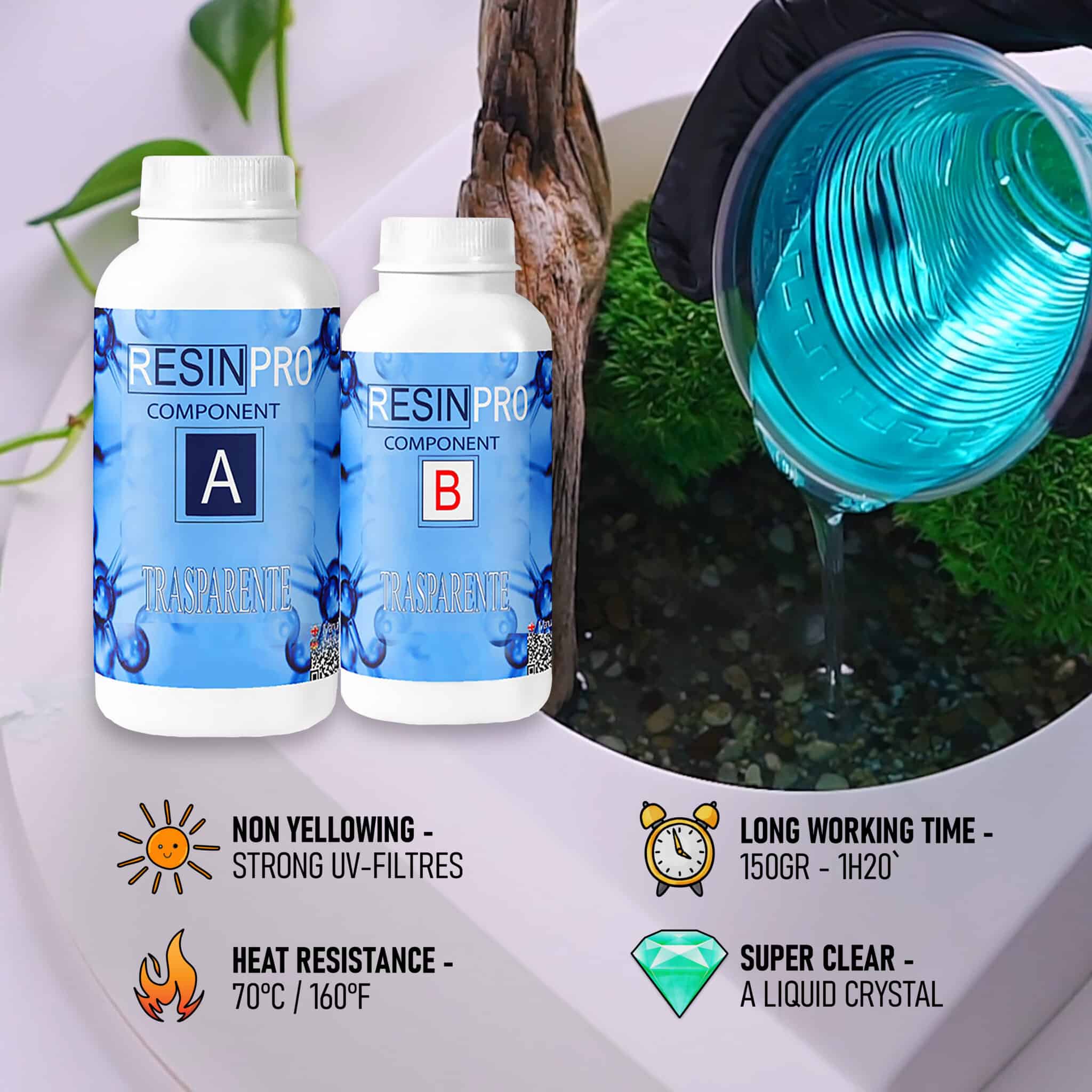
- Avoid pouring beyond the maximum thickness per layer to reduce the risk of overheating or incomplete curing. For example, “Trasparente” epoxy resin is suitable for layers up to 2cm, while deeper pours may require specialised products.
- Allow ample time for the resin to cure and avoid unsettling the potted unit until hardening is complete.
When This Matters
If your project demands a quick turnaround or involves high-voltage equipment, accurate curing is especially critical. Insufficiently cured epoxy can compromise electrical insulation and mechanical stability, so resist the urge to rush the process—even for urgent repairs.

Related products
Related guides
Getting your curing process right ensures a durable, insulated encapsulation for your transformer. For more detailed advice on potting and resin types, visit the main how to resin a transformer guide.