 Free shipping on orders over £29,85
  Shipping Tracking!


 Google
 Facebook
How to resin a transformer?
Step-by-step transformer potting for electrical safety and durability


Encapsulating a transformer with resin, often referred to as potting, is a reliable way to improve electrical insulation, minimise vibration, and protect sensitive coils from moisture or contaminants. This guide walks you through the essential steps needed for a successful transformer resin application — whether you’re repairing equipment or building new assemblies. Following a clear procedure will help ensure long-lasting transformer performance and safety.
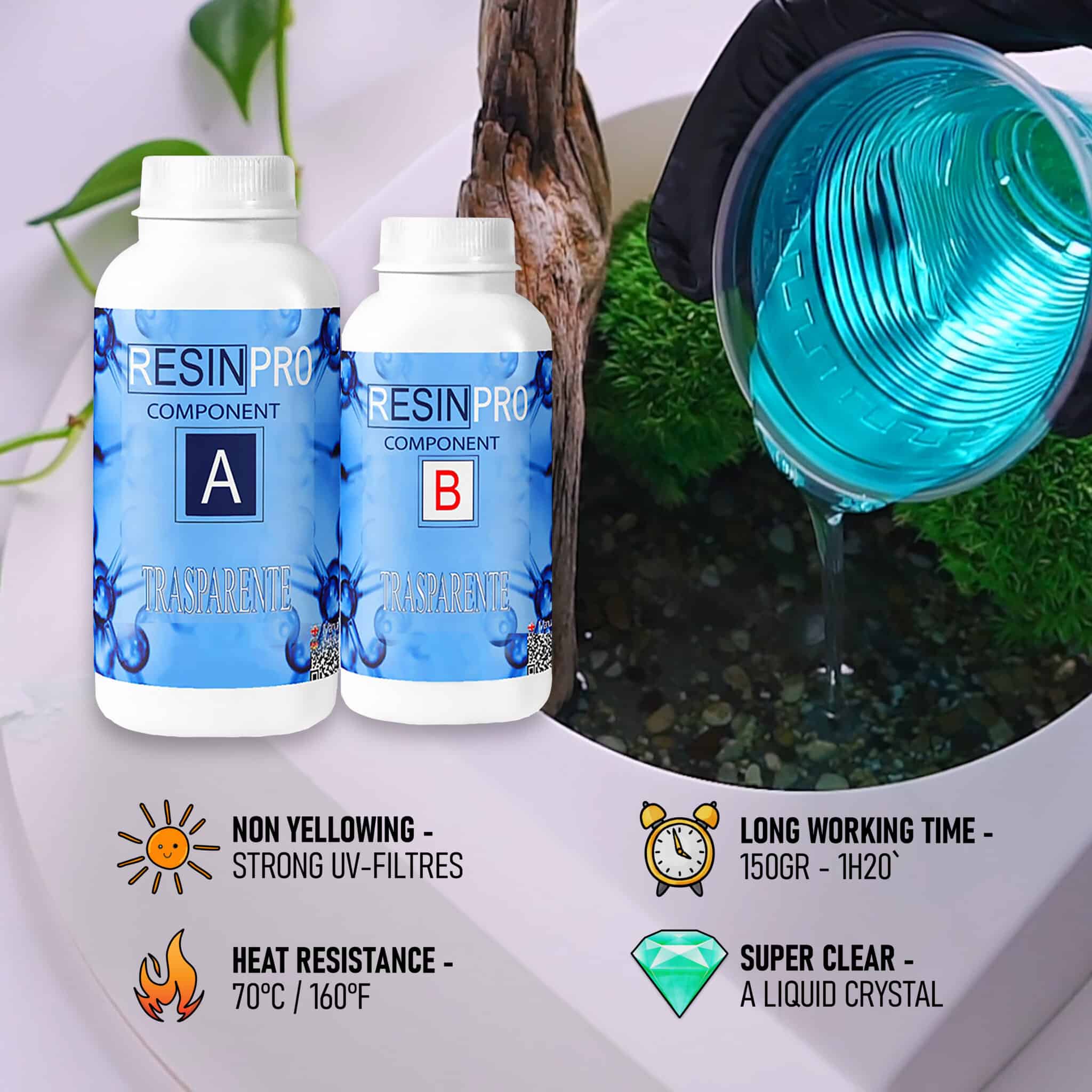
What You’ll Need
- “Trasparente” – Multipurpose Clear Epoxy Resin for Casting – Up to 2cm: A clear, user-friendly casting resin ideal for detailed coating and potting up to 2cm thick.
- “EpoxyTable 5-Five” – Deep Pour Epoxy Resin for Tables and Large Projects – Up to 5cm: Suited for larger transformers or deep pours up to 5cm to ensure proper coverage and protection.
- Appropriate mould or potting enclosure (plastic, silicone, or other non-stick materials)
- Mixing containers and stirrers
- Protective gloves, safety glasses, and mask
- Digital scales or measuring jugs (depending on the resin’s mixing instructions)
- Release agent (if you need to remove the potted transformer after curing)
- Lint-free cloth and isopropyl alcohol for cleaning

Precise Mixing for Consistent Results
Carefully measure your resin and hardener for each batch—accurate ratios play a vital role in achieving complete curing and electrical integrity in transformer applications. Work deliberately and allow time for bubbles to escape after stirring but before pouring; this step is crucial for optimal insulation.
Step 1: Prepare the Transformer and Workspace
Before beginning, ensure the transformer is completely cool and disconnected from power. Remove any dust, oil, or moisture from the coil and core using a lint-free cloth. If possible, gently bake the transformer (under 60°C) to evaporate any residual moisture, as trapped water can cause failures post-potting. Place the transformer inside your chosen mould or enclosure, securing it so resin can flow freely around all components without air pockets.
Maintain a clean, dry environment throughout this step to prevent later defects. Ensure your workspace is well-ventilated, and all tools are clean and organised.


Step 2: Select and Mix the Resin
Select a resin type based on the transformer size and required protection thickness. For smaller transformers or potting depths up to 2cm, “Trasparente” – Multipurpose Clear Epoxy Resin for Casting – Up to 2cm delivers a crystal-clear, solid barrier. For deeper pours (2-5cm), “EpoxyTable 5-Five” – Deep Pour Epoxy Resin for Tables and Large Projects – Up to 5cm is recommended for its low exothermic reaction and strong mechanical properties.
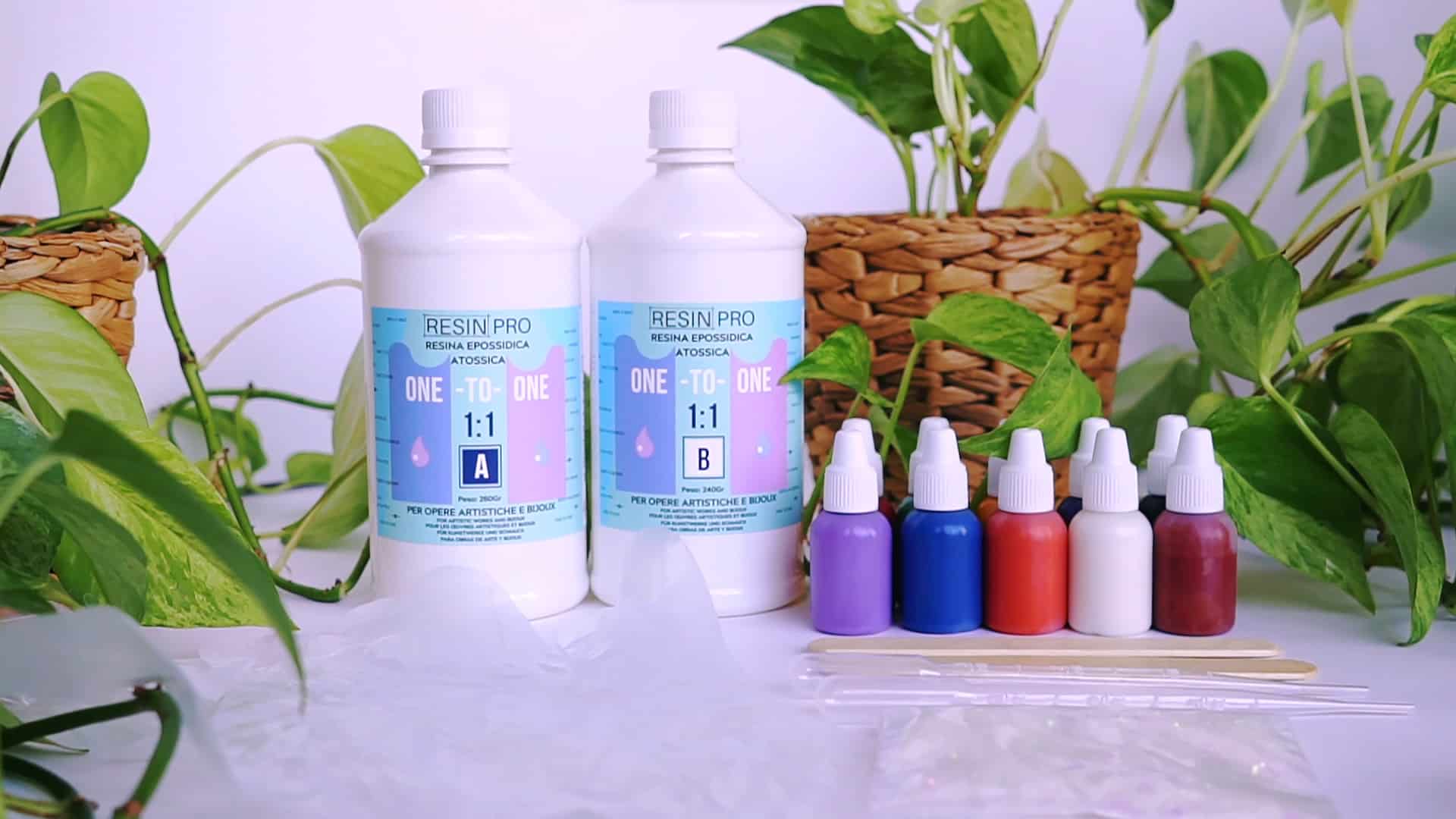
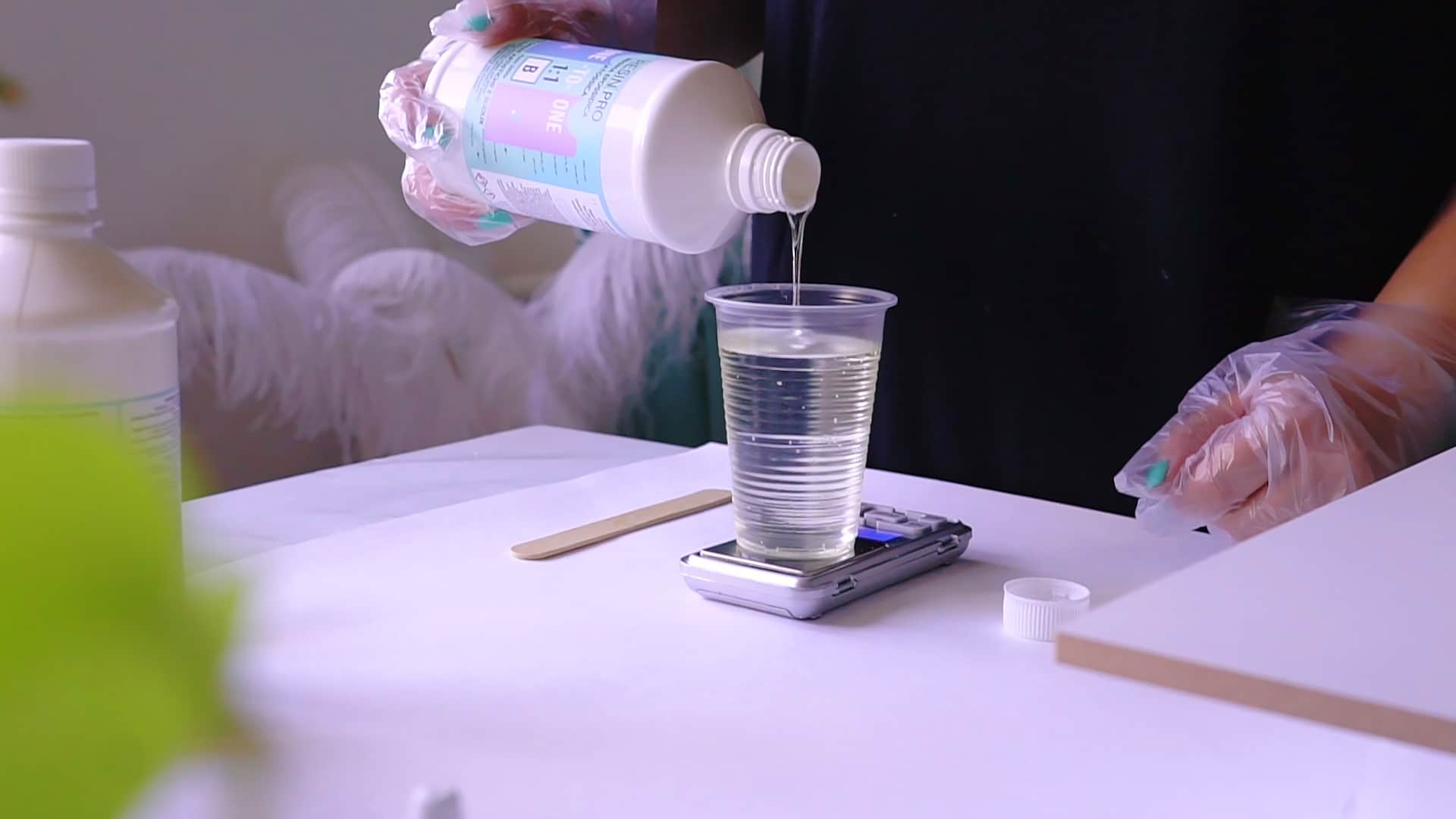
Carefully follow the manufacturer’s mixing ratios. Use digital scales or accurate measuring jugs as directed. Mix slowly to minimise bubbles, scraping sides and bottom of the container to ensure a homogenous blend.
Choose the right resin for your application to balance ease-of-use and the level of encapsulation needed.
Step 3: Pour the Resin and Eliminate Bubbles
Slowly pour the mixed resin into the mould, starting from one side and letting it flow naturally around the transformer. This reduces the chance of trapping air beneath windings or connections. For deep pours, pour in stages if needed, allowing each layer to settle slightly before adding more to avoid overheating and ensure even curing.
Tap the mould gently or use a pin/needle to pop surface bubbles. If available, a brief pass with a heat gun can help bubbles rise and burst — take care not to overheat the resin or transformer. Work methodically for a smooth, consistent encapsulation.
Manage pour depth and layering to prevent exothermic peaks and ensure a clear result.
Step 4: Cure, Demould, and Inspect
Allow the resin to cure as per product instructions — typically from several hours to overnight, depending on ambient temperature and layer thickness. Keep the transformer undisturbed in a dust-free zone for the duration. Curing times may vary; always consult the recommended guidelines on your chosen resin packaging.
Once fully cured, carefully remove the transformer from the mould if required. Inspect the encapsulation for trapped air and full coverage. The finished transformer should be rigidly insulated and ready for installation or further assembly.
Allow full curing before use to guarantee insulation and long-term reliability.
Tips, Common Mistakes, and Troubleshooting
Always check the ambient humidity and temperature — high moisture can compromise insulation. Never exceed the maximum pour thickness specified by your resin, as overheating or incomplete curing can result. For deep transformers, consider layering your pour to manage heat dissipation. If you notice bubbles after curing, they generally indicate insufficient mixing or incomplete surface preparation. Take time with each step to avoid costly rework.
Choosing a resin with built-in UV filters and mechanical resistance, like those available from ResinPro, further protects your transformer from yellowing and long-term degradation.

Professional Encapsulation Finishes
Patience during curing ensures maximum protection. Epoxy resins with clear, bubble-free finishes greatly increase environmental resistance and reduce future maintenance for sensitive electrical parts like transformers.

- "Trasparente" – Multipurpose Clear Epoxy Resin for Casting – Up to 2cmPrice range: £8.95 through £397.95"Trasparente" is an ultra-clear multipurpose casting epoxy resin with up to 2cm layer depth, designed for precise castings and DIY projects.
- "One-2-One" – Epoxy Resin for Handcraft, 1:1 Mixing RatioPrice range: £15.95 through £59.95"One-2-One" epoxy resin offers a medium viscosity and an easy 1:1 mixing ratio for beginners and experienced crafters.
 "EpoxyTable 5-Five" – Deep Pour Epoxy Resin for Tables and Large Projects – Up to 5cmPrice range: £17.95 through £1,154.95"EpoxyTable 5-Five" is suitable for deep pouring projects up to 5cm, with strong UV filters and scratch resistant surface.
 “Epoxytable 10-Ten” – Deep Pour Epoxy Resin for Tables, Up to 10cm CastingPrice range: £35.95 through £351.95“Epoxytable 10-Ten” is an epoxy resin suitable for creating deep castings up to 10cm, designed for projects following the How to resin a transformer?…
Frequently Asked Questions
What is the best resin depth for potting a transformer?
Use up to 2cm for small units and up to 5cm or 10cm for larger ones, always respecting the resin's thickness limitation for best results.
How can I avoid resin overheating during the resin pour?
Pour in layers if exceeding recommended thickness and keep the workspace cool to reduce heat build-up.
How do I remove bubbles during transformer resin potting?
Pour slowly, tap the mould gently, and use a heat gun carefully to pop surface bubbles before curing.
How long does resin take to cure when potting a transformer?
Curing times vary by resin and pour depth, typically several hours to overnight; always refer to your resin's guidelines.
Is clear epoxy resin suitable for electrical potting?
Yes, most high-quality clear epoxies provide strong insulation and moisture protection for transformer potting.
What are common mistakes when potting a transformer?
Trapped moisture, exceeding pour thickness, and improper mixing are common errors. Always prepare thoroughly.