 Free shipping on orders over £29,85
  Shipping Tracking!


 Google
 Facebook
← Back to How to resin a transformer?
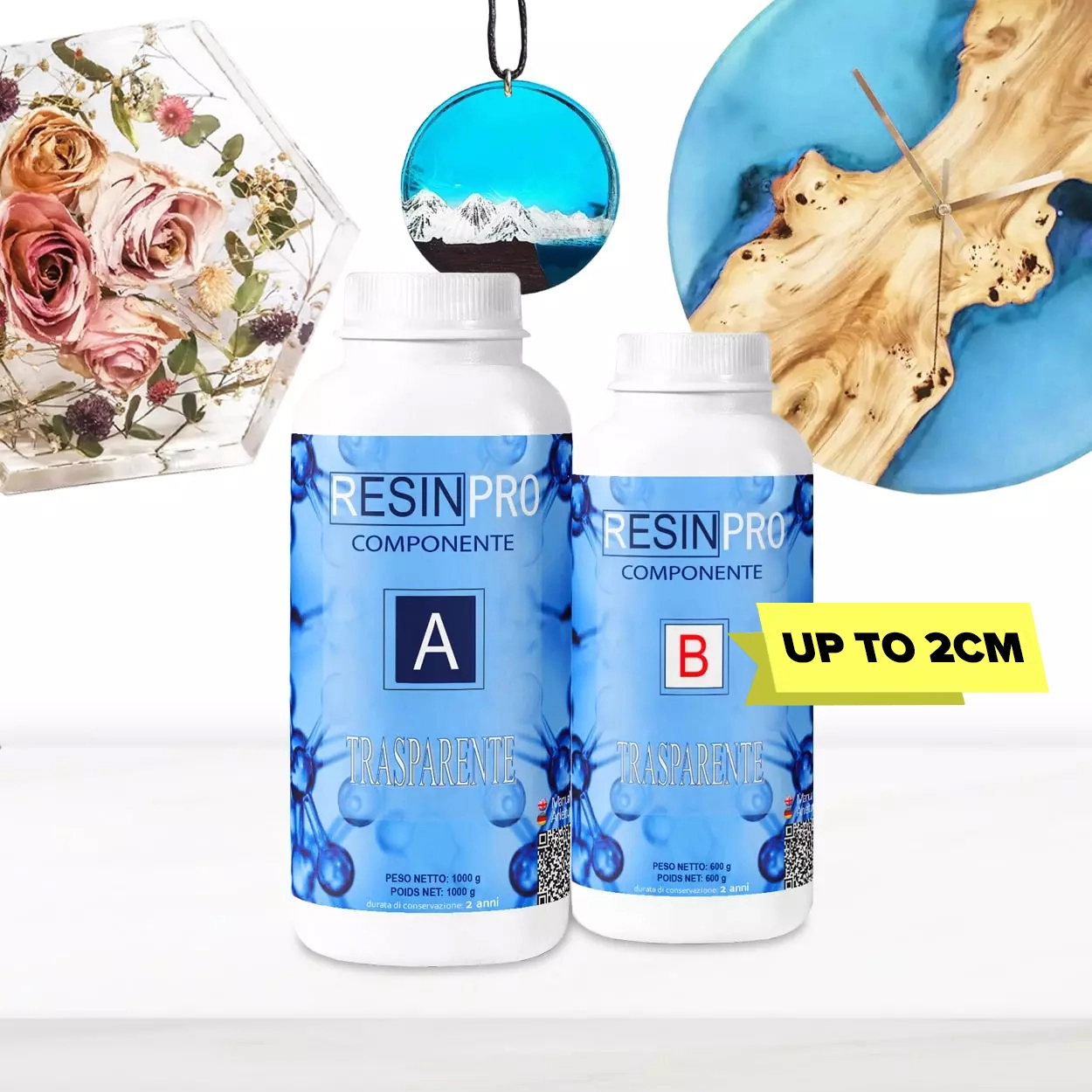
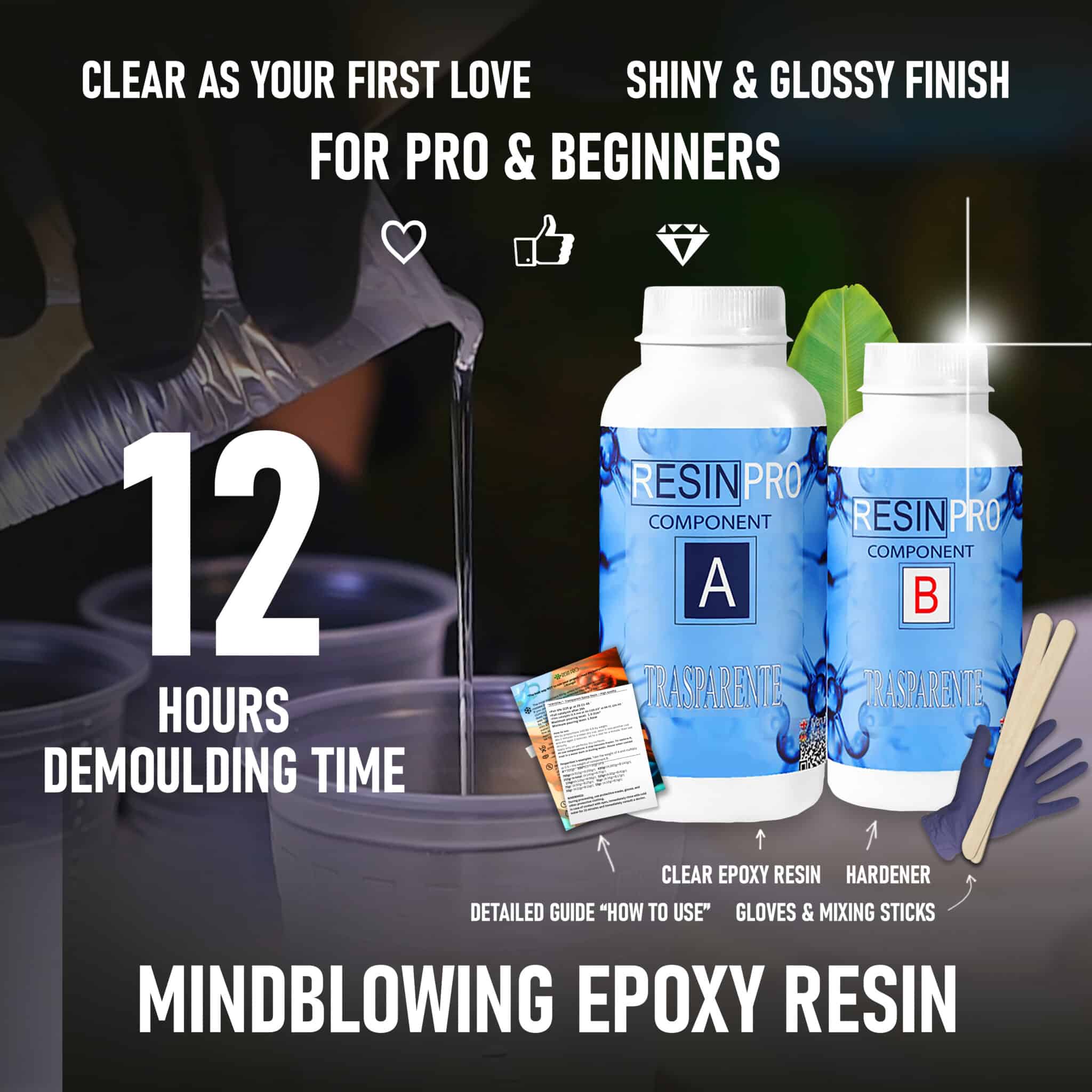
Selecting the appropriate resin is essential for achieving the best results in casting, coating, or encapsulation projects. The right choice depends on the thickness of your pour and the specific demands of your application.
Matching Resin Type to Project Thickness
For projects requiring layers up to 2cm, a clear epoxy such as “Trasparente” provides an ultra-clear finish and is easy to handle for both beginners and professionals. When casting thicker layers between 2cm and 5cm, a deep pour resin like “EpoxyTable 5-Five” is suitable, thanks to its low exothermic reaction and long working time. For exceptionally deep casts, up to 10cm, opt for a specialised resin such as “Epoxytable 10-Ten” to help reduce the risk of overheating and maintain clarity.

Considerations for Resin Selection
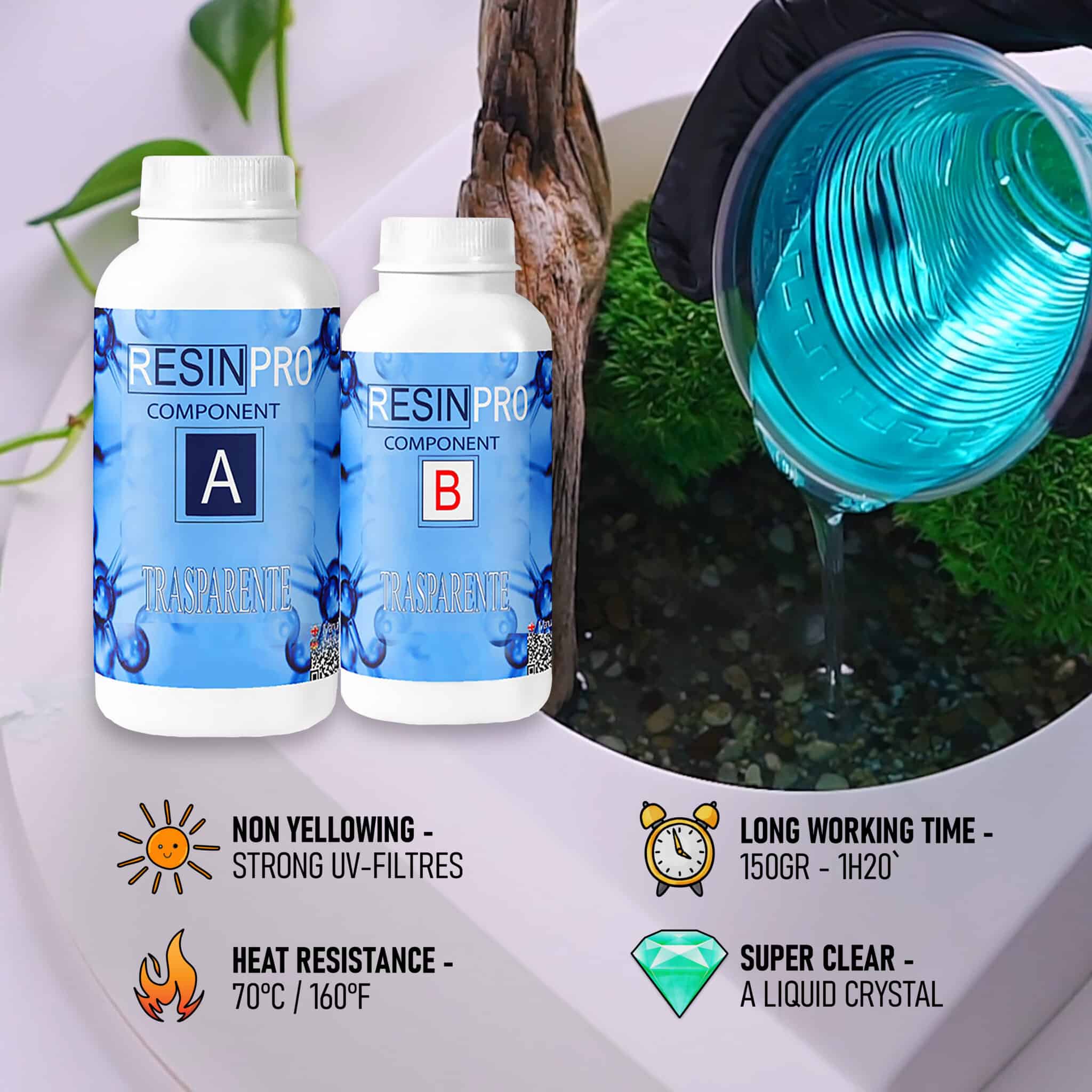
When choosing a resin, consider factors such as transparency, scratch resistance, UV stability, and ease of use. Opt for products with built-in UV filters for prolonged clarity, especially in projects exposed to light. Heat resistance is another consideration if your application may encounter warmth during use. Always check if the resin is non-toxic and suitable for your work environment and project requirements.
When This Matters
Choosing the correct resin matters most in complex or valuable applications like transformer encapsulation, large wooden tables, or artistic pieces where durability and finish are critical. Using an inappropriate resin can lead to yellowing, bubbles, or even structural issues over time.

Related products
Related guides
Making the right resin choice is the foundation for project reliability and professional results. Explore additional guidance and tips in our full resource on how to resin a transformer for more insights.