 Free shipping on orders over £29,85
  Shipping Tracking!


 Google
 Facebook
How to use microspheres with epoxy resin?
Blend microspheres into resin for lightweight, strong composite fillers.


Combining microspheres with epoxy resin allows crafters and professionals to create lightweight, strong fillers or fairing compounds ideal for repairs, sculpting, and advanced composite work. This guide explains each step for successful results, from safe blending and mixing to application and curing, so you can achieve smooth, high-performance finishes every time.

What You’ll Need
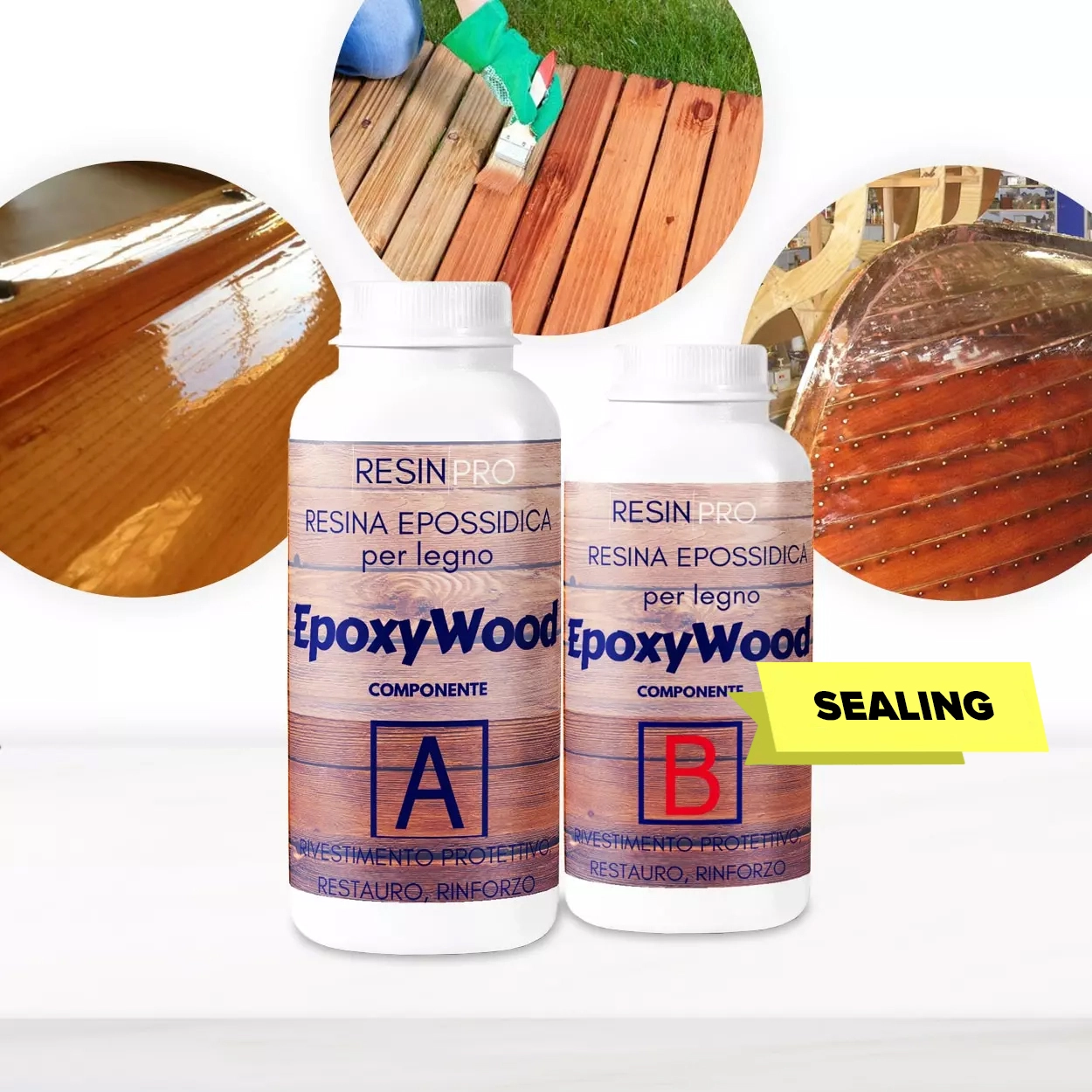
- “EpoxyWood” – Wood Restoration Epoxy Resin for Deep Penetration and Waterproofing: A solvent-free epoxy resin perfect for creating wood fillers or waterproofing repairs.
- “Carbon Resin” – Epoxy Resin for Carbon Fiber & Fiberglass Coating: Excellent for composites where strength with low weight is needed.
- “Epoxytable 10-Ten” – Deep Pour Epoxy Resin for Tables, Up to 10cm Casting: Ideal for projects requiring thicker layers with microsphere additives.
- “Trasparente” – Multipurpose Clear Epoxy Resin for Casting – Up to 2cm: Best for precise, clear castings using microspheres for volume or texture.
- Microspheres (glass, polymer, or phenolic as preferred for your project)
- Protective gloves and dust mask
- Mixing containers and sticks
- Clean, dust-free working area
See Microsphere Mixing in Action
Watch a side-by-side comparison of common resins blended with microspheres and observe how the texture changes. Notice the difference in viscosity and the resulting finish for each resin type.
Step 1: Prepare Your Workspace and Safety Measures
Epoxy resin work involving microspheres can generate airborne dust and sticky drips. Wear gloves and a dust mask throughout the mixing process. Ensure your workspace is well-ventilated and that all equipment is clean and dry. Lay down a protective surface covering if needed, and organise all required items for easy access. Keeping dust and debris away from your project prevents surface flaws later on.


Step 2: Accurately Measure and Pre-Mix the Epoxy Resin
Select the epoxy resin that best suits your application’s demands—such as “Trasparente” – Multipurpose Clear Epoxy Resin for Casting – Up to 2cm for clear work or “EpoxyWood” – Wood Restoration Epoxy Resin for Deep Penetration and Waterproofing for wood repairs. Carefully follow the manufacturer’s recommended resin-to-hardener mixing ratio, using precise measuring tools for reliability. Mix thoroughly but avoid introducing excess air, scraping the sides and base of your container for consistency.
Step 3: Blend in Microspheres Evenly
Once your resin is pre-mixed, it is time to add the microspheres. Stir microspheres in gently to prevent dust and clumping. Begin by sprinkling a small amount into the resin and mixing by hand, then gradually add more. Add microspheres slowly until you reach your desired consistency. For a lightweight putty, aim for a toothpaste-like texture—thick but still workable. Overloading can lead to an unstable or crumbly mix, so always add incrementally while blending to a uniform compound.

Step 4: Apply Your Resin-Microsphere Mixture
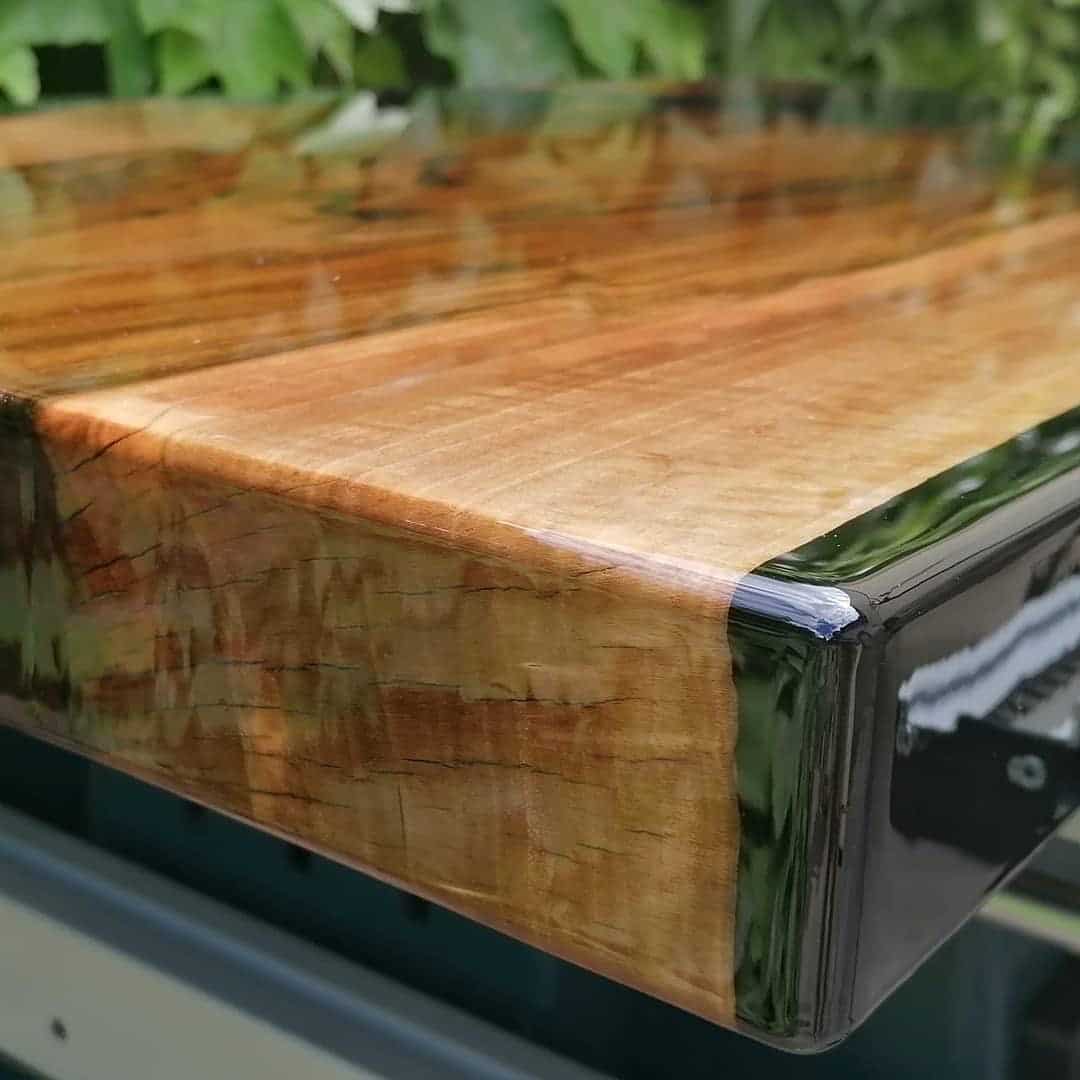
With your filler, fairing compound, or bulked epoxy ready, use within the product’s logical working time. Microsphere and resin mixture can cure quickly in bulk—mix what you can apply in time. Apply to target surfaces immediately, using a spatula, putty knife, or calibrated tool, ensuring good contact and an even spread. Smooth the surface before the mixture begins to set, as sanding is easier once fully cured but excess material can be difficult to remove if applied too thickly.
Step 5: Cure and Finish Your Work
Allow the applied mix to cure fully, following timing instructions provided by your chosen epoxy system. Conditions such as temperature, humidity, and bulk mixing can all affect cure time. Always follow the manufacturer’s mixing ratios precisely for best results. Once hardened, sand and shape as needed. If working on clear casts with microsphere additives—especially with 
Tips, Common Mistakes, and Troubleshooting
- Keep your working area dust-free to avoid imperfections.
- If the mix becomes too stiff, add more resin cautiously rather than overworking.
- Do not rush the blending—uneven dispersion of microspheres affects strength and finish.
- Test ratios with a small batch before scaling up for larger fills or castings.
- Be aware of increased curing speed in thicker applications; apply in thinner layers for deep areas.
Perfecting Your Epoxy-Microsphere Projects
Discover advanced tips for controlling workability and curing properties. Explore how gradual microsphere addition helps optimise both strength and sanding ease.
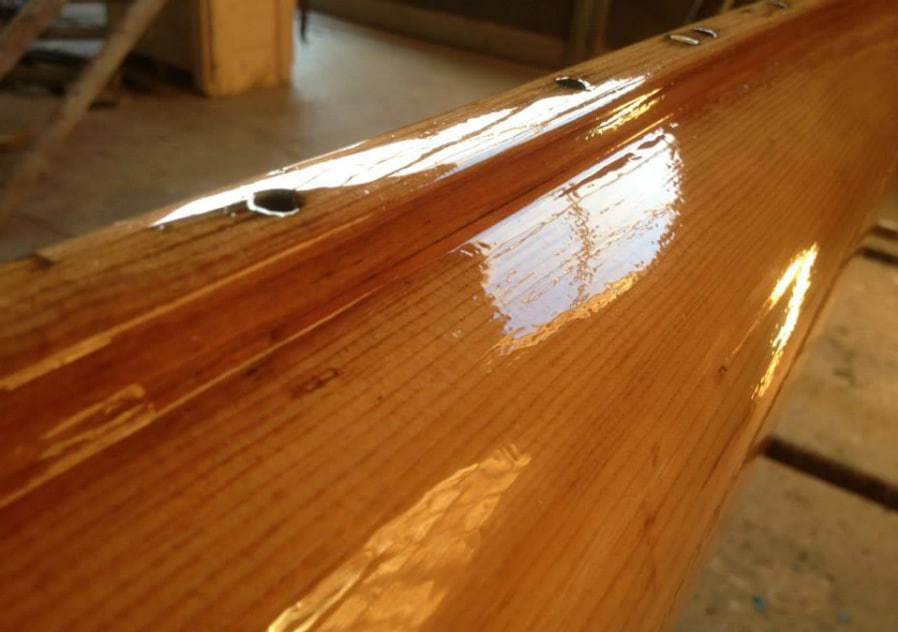
- "EpoxyWood" – Wood Restoration Epoxy Resin for Deep Penetration and WaterproofingPrice range: £27.95 through £41.95EPOXYWOOD is designed for deep penetration and waterproofing of wooden surfaces, enhancing durability with a natural finish.
- "Carbon Resin" – Epoxy Resin for Carbon Fiber & Fiberglass CoatingPrice range: £19.95 through £37.95"Carbon Resin" epoxy is designed for composites and technical fabrics, ensuring good fabric impregnation and durable results.
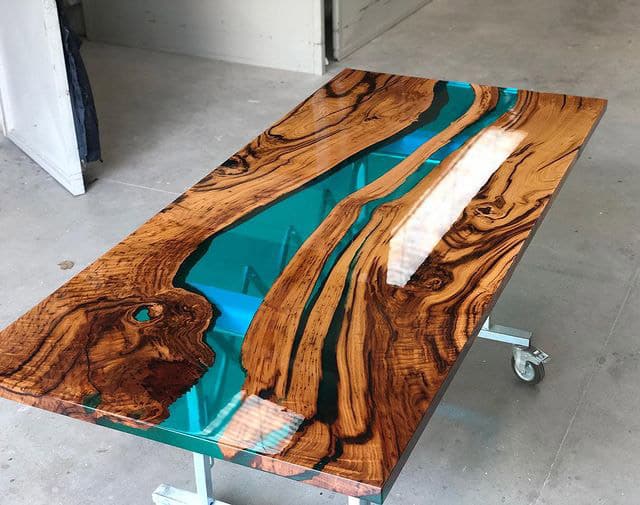
- “Epoxytable 10-Ten” – Deep Pour Epoxy Resin for Tables, Up to 10cm CastingPrice range: £35.95 through £351.95“Epoxytable 10-Ten” is suitable for deep pouring projects and tables, supporting casting thicknesses up to 10cm.
 "Trasparente" – Multipurpose Clear Epoxy Resin for Casting – Up to 2cmPrice range: £8.95 through £397.95"Trasparente" is a clear epoxy resin for up to 2cm casting layers, suitable for detailed, DIY, and woodworking projects under the microspheres with…
Frequently Asked Questions
Which epoxy resin mixes best with microspheres?
Low-viscosity epoxy resins, such as EpoxyWood or Trasparente, tend to blend most easily with microspheres for smooth mixing.
What is the best ratio of microspheres to resin?
Add microspheres gradually until you achieve a toothpaste-like texture; exact ratios may vary, so always test with a small batch first.
Is the resin–microsphere mixture easy to sand?
Yes, once fully cured, most epoxy/microsphere fillers sand easily and shape well for smooth finishing.
Can you use microspheres for clear castings?
Microspheres will reduce clarity somewhat, but transparent resins like Trasparente minimise haze for shallow or decorative fills.
What are the dos and don’ts of mixing microspheres into epoxy?
Do add microspheres slowly with gentle mixing and don’t overload, as this can lead to a crumbly or unstable mixture.
How long does it take to cure an epoxy–microsphere mix?
Curing time depends on the epoxy used, but thicker applications with microspheres often cure a bit faster due to increased surface area.
What types of microspheres can I use with epoxy resin?
Glass, polymer, or phenolic microspheres are commonly used depending on the balance of weight, strength and surface finish desired.