 Free shipping on orders over £29,85
  Shipping Tracking!


 Google
 Facebook
How to repair a crack in resin coating?
Step-by-step method for seamless, lasting resin repairs


If you have discovered a crack in your resin-coated surface, acting promptly can minimise further damage and restore a smooth, durable finish. This guide walks you through each stage of the repair, ensuring your resin coating regains its original beauty and integrity. Whether dealing with furniture, artwork, or high-traffic surfaces, following these steps will help you achieve a near-invisible repair and prolong the life of your project.

What You’ll Need
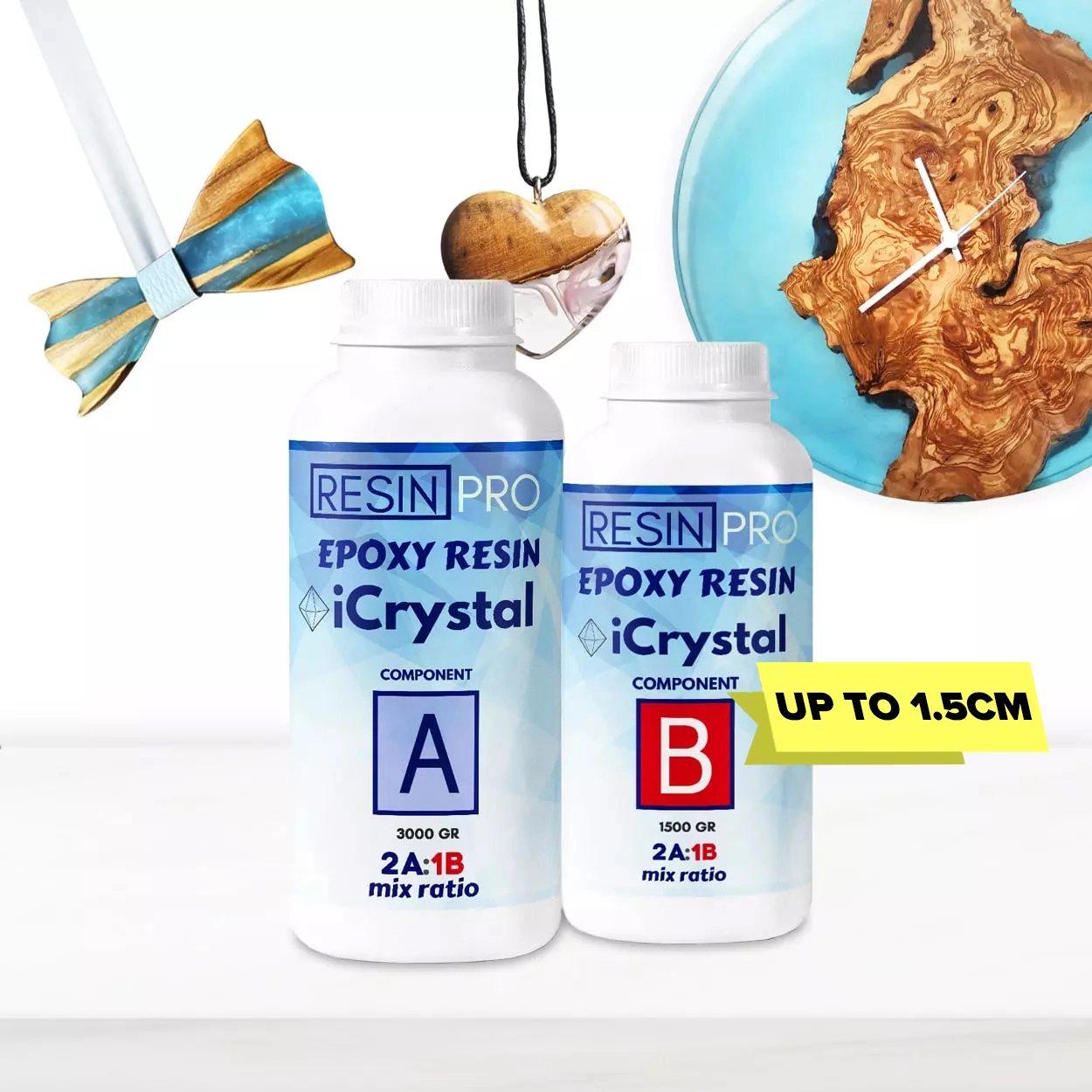
- “Icrystal” – Clear Epoxy Resin – Odourless Formula – Up to 1.5cm: A transparent, durable epoxy resin ideal for seamless patching of coating cracks.
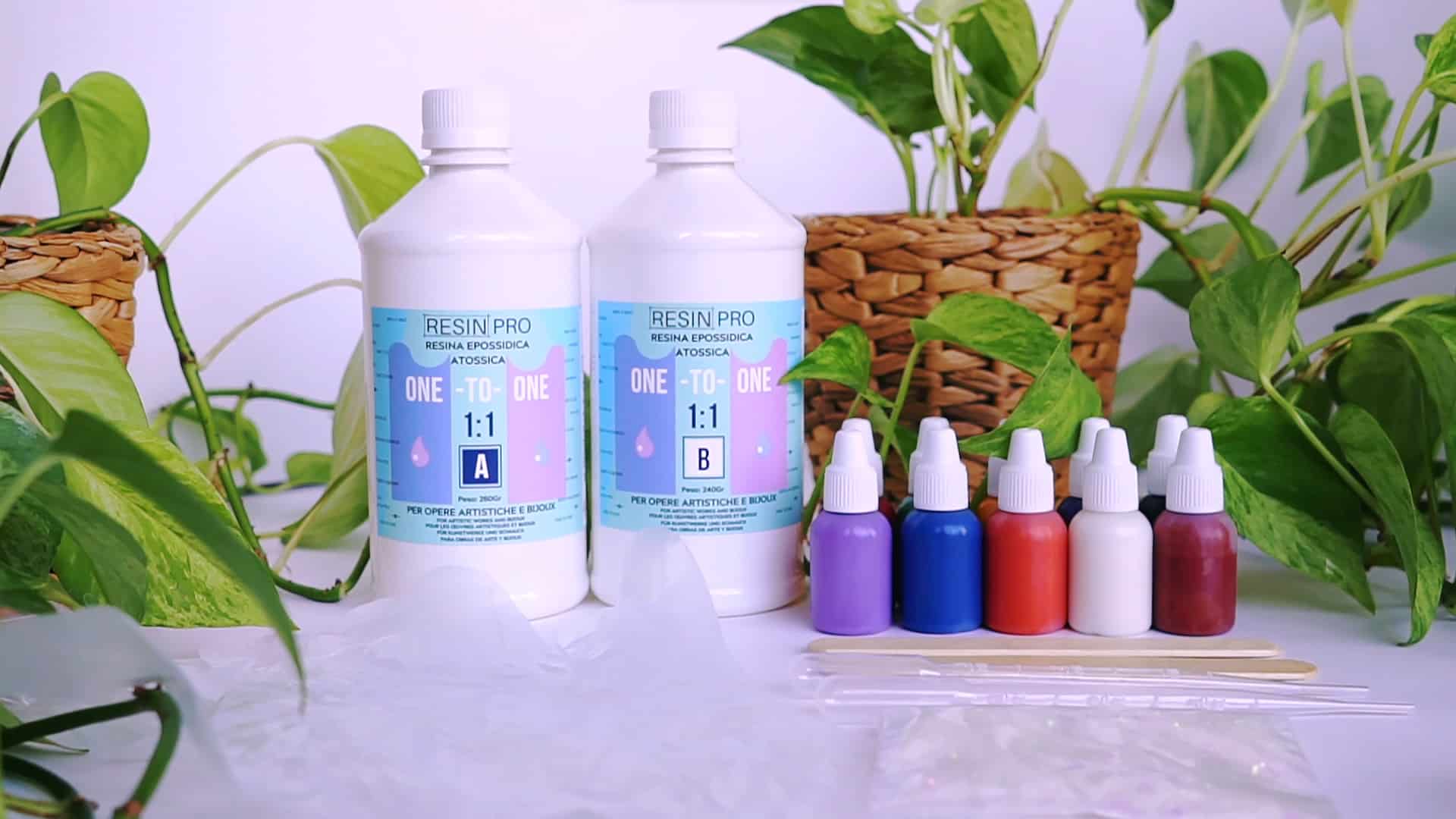
- “One-2-One” – Epoxy Resin for Handcraft, 1:1 Mixing Ratio: Suitable for craft-level repairs or when an easy mixing ratio is preferred.
- CROP 2K Fiberglass Putty – 750 ml + Hardener: For deeper cracks needing reinforcement and structural strength.
- Resin Fibreglass Repair Kit – Complete Polyester Resin and Hardener Set: Best for structural repairs on larger or load-bearing surfaces.
- Protective gloves and mask
- Sanding paper (various grits)
- Plastic spatula or putty knife
- Clean, lint-free cloths
Visualising Crack Repairs in Resin
Proper surface preparation and careful resin application yield the best crack repairs. Notice how clean edges and even resin fills can blend seamlessly with existing coatings. Whether tackling a fine hairline flaw or a wider gouge, the goal is a repair that becomes almost invisible under natural light and regular use. Patience and attention to detail during each step pay off in long-lasting, professional-quality results.
Step 1: Clean the Resin Surface Thoroughly
Start by cleaning the entire area surrounding the crack to remove dirt, oils, and any debris that might affect adhesion. Use mild soap and water, then wipe down with a lint-free cloth. For sticky residues, a small amount of isopropyl alcohol ensures the surface is fully prepared. Allow the area to dry completely before proceeding—any moisture left behind can prevent the resin from bonding properly and may cause future defects.
Take care not to introduce moisture into the crack itself, and observe the existing texture or sheen so your repair matches the original finish as closely as possible.


Step 2: Widen and Prepare the Crack if Needed
For fine hairline cracks, lightly sand the immediate area using fine-grit sandpaper. This opens the crack slightly, removes weak edges, and creates a key for your repair material. When repairing deeper or structural cracks, consider gently widening with a utility blade or micro-file to create a V-shaped groove—this ensures the crack fully fills and strengthens, rather than simply masking damage.
After shaping the crack, clean away all dust with a soft brush or vacuum, ensuring no grit remains.
Step 3: Fill and Repair the Crack
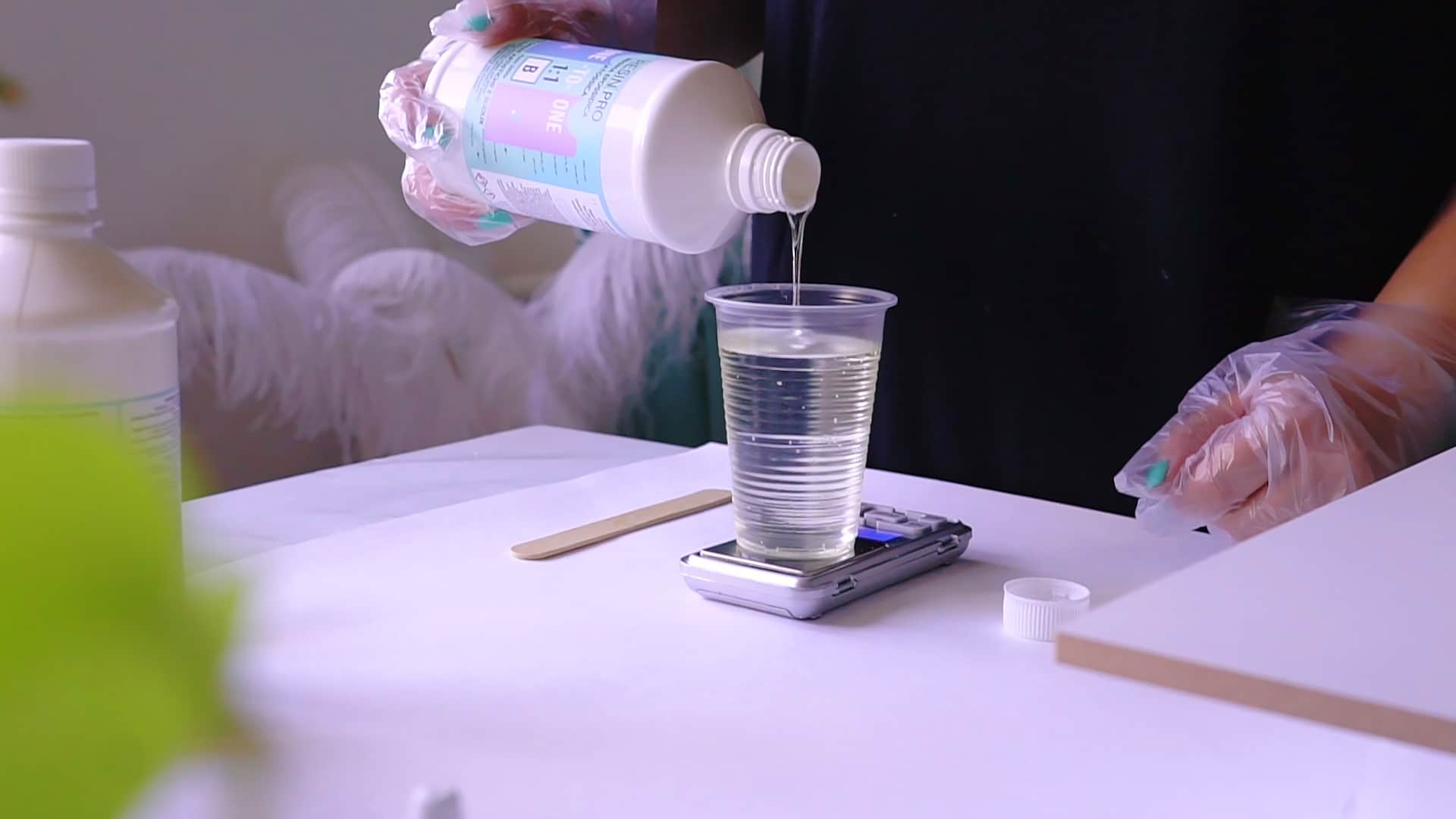
Select your repair material based on the crack’s size and the surface type. For minor surface cracks, an epoxy resin such as “Icrystal” – Clear Epoxy Resin – Odourless Formula – Up to 1.5cm offers excellent clarity and durability. Mix carefully according to the manufacturer’s instructions, typically using a 2:1 ratio for this product. Pour or spread the resin into the crack, using a plastic spatula or putty knife to remove air bubbles and level the surface flush.
If the damage is more significant—especially on load-bearing or exterior surfaces—use CROP 2K Fiberglass Putty – 750 ml + Hardener or the Resin Fibreglass Repair Kit – Complete Polyester Resin and Hardener Set for enhanced strength. These products are formulated to fill, reinforce, and resist moisture or chemical exposure. After filling, allow the repair to cure as specified—rushing this stage can compromise the bond and shortchange the repair’s lifespan.
Step 4: Finish and Seal the Repaired Area
Once the filler or resin has fully cured, sand the repair gently with progressively finer sandpaper until smooth and flush with the surrounding surface. Take care around edges so you blend the patch invisibly into the original coating. For best results, clean away dust and apply a thin finish coat of clear epoxy resin over the area. This not only restores sheen and texture but further seals the repair against water ingress and abrasion.
Allow the final coating to cure, ensuring the environment remains dust-free and dry during this time for a flawless finish.
Tips, Common Mistakes, and Troubleshooting
Take your time: Rushing the curing or preparation steps often leads to visible repairs or weak adhesion. Follow product instructions precisely for mixing, curing, and application.
Avoid overfilling cracks—this can create bulges that are harder to sand level later. Aim for a slightly recessed fill that you can build up with a final top coat.
If your repair remains sticky after curing, it is often due to incorrect mixing ratios or insufficient cure time—refer to the manufacturer’s guidelines for troubleshooting advice.

Before and After Resin Crack Repairs
Well-executed resin crack repairs restore not just function but appearance. Careful sanding and a thin, clear top coat are vital for true surface restoration. Compare surface texture, gloss, and colour before and after to ensure your patch blends with the surrounding resin. Choosing the right repair resin is key to a near-invisible finish.

- "Icrystal" – Clear Epoxy Resin – Odourless Formula – Up to 1.5cmPrice range: £12.45 through £341.45"Icrystal" is a clear epoxy resin suitable for use where transparency and scratch resistance are important, supporting careful repair and coating…
- "One-2-One" – Epoxy Resin for Handcraft, 1:1 Mixing RatioPrice range: £15.95 through £59.95"One-2-One" epoxy resin is suitable for craft projects, offering a clear, glossy finish and a straightforward 1:1 mixing ratio.
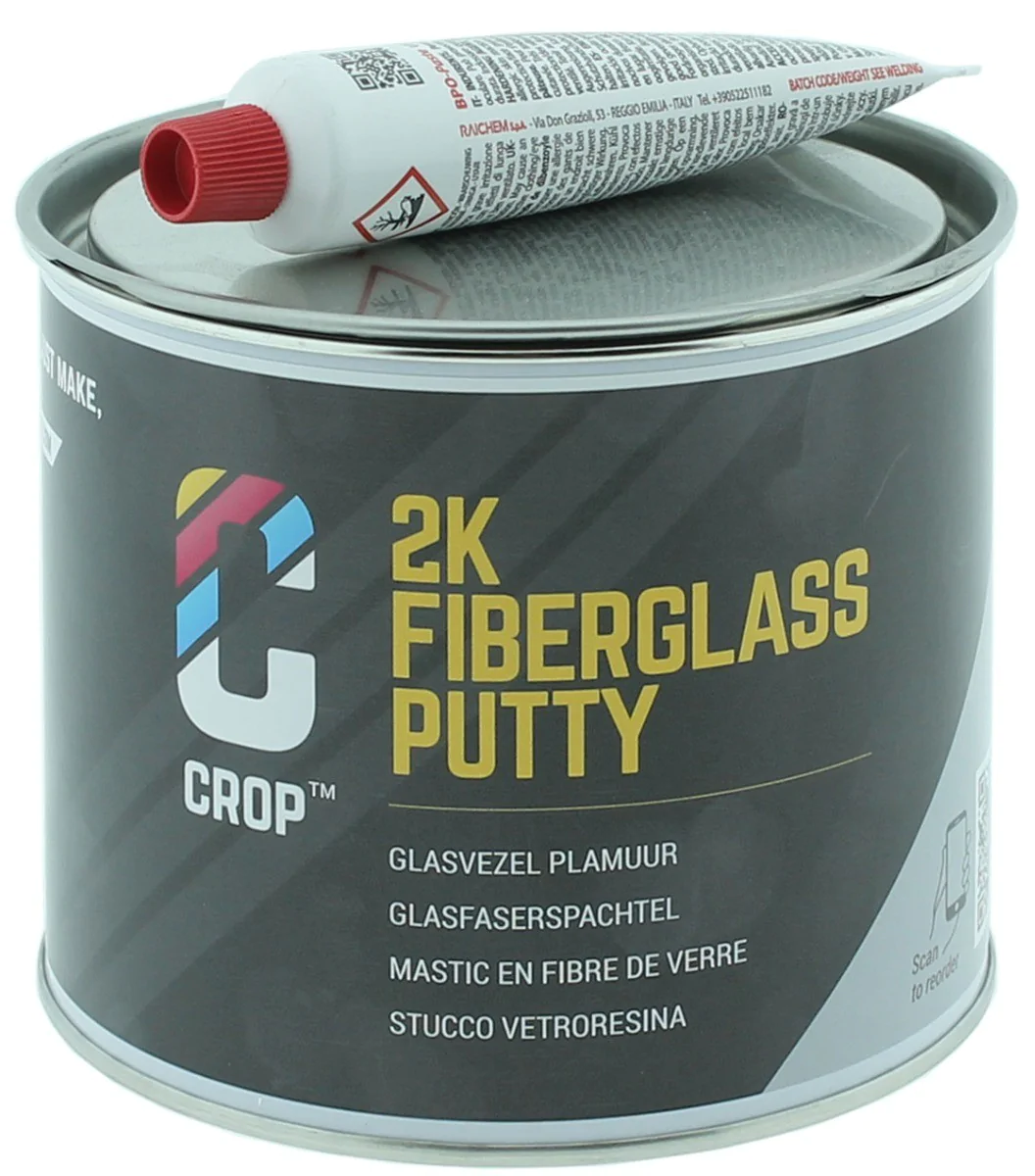 CROP 2K Fiberglass Putty – 750 ml + Hardener£15.85CROP 2K Fiberglass Putty is designed for durable repair of cracks and dents with easy sanding and finishing under the theme 'How to repair a crack in…
 Resin Fibreglass Repair Kit – Complete Polyester Resin and Hardener SetResin Fibreglass Repair Kit offers structural reinforcement with polyester resin and fibreglass for various rigid surfaces.
Frequently Asked Questions
Can I repair a hairline crack in resin coating?
Yes, hairline cracks can usually be repaired with a thin application of clear epoxy resin after light sanding and cleaning.
What type of resin is best for crack repairs?
Clear epoxy resin works well for most surface cracks; for deeper or structural cracks, fibreglass-reinforced putty or a fibreglass kit is recommended.
How long does resin crack repair take to cure?
Curing times vary by product, but most epoxy resins require at least 24 hours for a full cure. Always follow the manufacturer's instructions.
Can I sand and polish after repairing a resin crack?
Yes, once fully cured, the repair area can be sanded and polished to match the original finish.
What should I do if my repair feels sticky?
A sticky repair often means the mix ratio was incorrect or it has not fully cured. Check curing time and ensure proper mixing in future applications.
Should I widen a crack before repairing it?
Widening helps with resin penetration. For minor cracks, light sanding is usually enough; for deeper cracks, carefully shape a V-groove before filling.