 Free shipping on orders over £29,85
  Shipping Tracking!


 Google
 Facebook
How to make a mirrored piece in resin?
Step-by-step guide to casting a flawless mirrored resin artwork


Creating a mirrored piece in resin adds a striking, glass-like effect to your art or crafts, producing an ultra-glossy finish with remarkable clarity. Whether you are a woodworker, artist, or hobbyist, mastering this process will allow you to produce statement pieces ranging from modern art panels to luxury tabletops and glistening coasters. This guide will take you step by step from prep to finish, ensuring a flawless mirrored result.
What You’ll Need
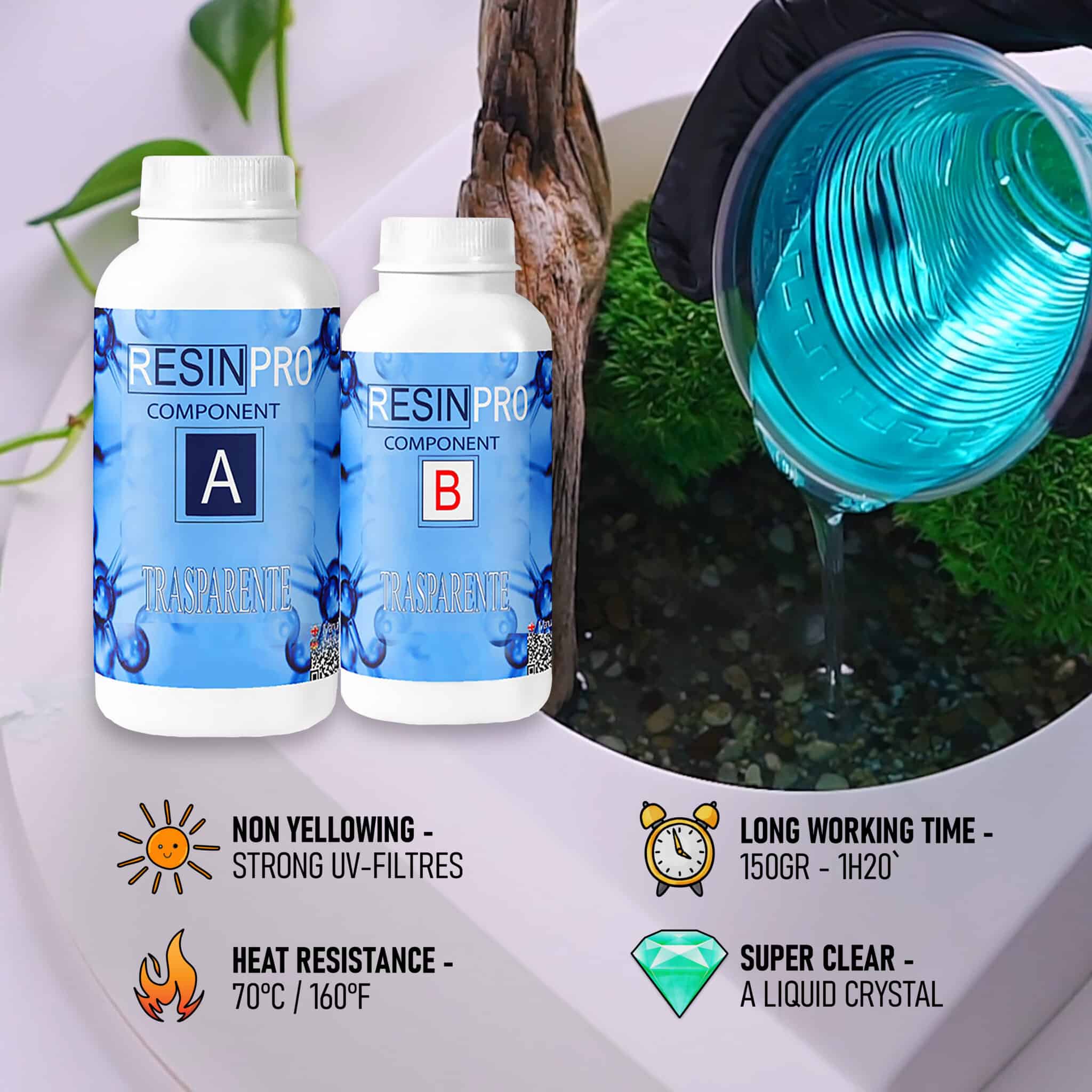
- “Trasparente” – Multipurpose Clear Epoxy Resin for Casting – Up to 2cm – A crystal-clear epoxy suitable for most mirrored casts
- “Icrystal” – Clear Epoxy Resin – Odourless Formula – Up to 1.5cm – Ideal for thin mirrored coatings or small pieces
- “Art Pro Deluxe” – Ultra-High Viscosity Epoxy Resin for Artists – For artistic mirrored effects with precise design control
- “EpoxyTable 5-Five” – Deep Pour Epoxy Resin for Tables and Large Projects – Up to 5cm – Use for thick, table-sized or large mirrored resin pours
- Clean, dust-free workspace and protective gloves
- Mixing containers, stir sticks, and accurate weighing scales
- Mirror-effect pigment (optional, for metallic mirrored looks)
- Quality silicone or release-agent-treated moulds
- Heat gun or torch for bubble removal
- Sanding and polishing materials for finishing

Visual Inspiration: Mirrored Resin Techniques
Explore real-life examples of mirrored resin projects—from sharply-defined art panels to reflective tabletops. Notice the difference in effect achieved by varying pour depth, resin selection and use of metallic pigments. Each project here started with careful surface preparation and the right epoxy formula for a glass-like appearance.
Step 1: Prepare the Mould and Workspace
Begin by ensuring your workspace is meticulously clean and free of dust, as even the smallest particles will show up in the glossy finish. Prepare your mould by choosing high-quality silicone moulds or spraying a reliable release agent onto the surface. This prevents your mirrored resin piece from sticking and helps guarantee a flawless, glass-like finish on demoulding. Double-check your mould for scratches or imperfections, as these will also transfer to the final piece.
Always use release agents or silicone moulds to prevent sticking, since any damage on demoulding may ruin the mirror effect and necessitate lengthy repairs.

Step 2: Mix and Colour the Resin Accurately
Accurate mixing is crucial for achieving that ultra-clear, mirror-like appearance. Follow manufacturer instructions for the resin you have chosen, measuring both resin and hardener precisely with digital scales. Mix thoroughly but gently to avoid incorporating bubbles. If you wish for a metallic mirror effect, now is the time to add mirror-effect pigment, stirring until evenly dispersed.
For thin mirrored coatings or jewellery-sized pieces, “Icrystal” – Clear Epoxy Resin – Odourless Formula – Up to 1.5cm is a popular choice to maximise clarity. For deeper pours up to 2cm, “Trasparente” – Multipurpose Clear Epoxy Resin for Casting – Up to 2cm offers optimal transparency and self-levelling.
Step 3: Pour and Eliminate Bubbles
Gently pour the mixed resin into the prepared mould, ensuring the liquid flows evenly to reduce trapped air. Work slowly, aiming for a continuous flow to minimise splashing or bubble formation. During and after pouring, use a heat gun or torch held just above the surface to eliminate any bubbles that rise.
If you are working on a project that requires precise design control (such as layered art or defined edges), the high viscosity of “Art Pro Deluxe” – Ultra-High Viscosity Epoxy Resin for Artists can help you maintain sharp lines and a perfect mirrored surface.
Eliminate bubbles at every stage, as even tiny air pockets can spoil the glassy mirror finish when cured.


Step 4: Cure and Demould Carefully
Cover your project while it cures to protect it from dust. Follow the specified curing times for your chosen resin to the letter, as under-curing may result in a soft, foggy finish. Most mirrored resin projects reach their initial demoulding stage in 10–24 hours (depending on the product), but always wait until the piece is fully solid before removing from the mould.
Never rush demoulding – patience is rewarded with a smoother, more brilliant mirrored effect. Rushing can cause dents or surface imperfections that are difficult to correct.
Step 5: Finish Sanding and Polish to Perfection
Once fully cured and demoulded, inspect your piece for minor surface flaws. Wet sand any imperfections with increasingly fine grits, taking care not to scratch deeper into the resin. To achieve the true mirrored look, finish by buffing and polishing the resin surface with a fine polishing compound and soft cloth, revealing a vibrant, reflective sheen.
For thick mirrored casts, such as tabletops or furniture, “EpoxyTable 5-Five” – Deep Pour Epoxy Resin for Tables and Large Projects – Up to 5cm is especially suited, delivering clarity and depth required for large-scale mirror finishes.


Tips, Troubleshooting and Common Mistakes
Ultra-clear finish is the foundation of a true mirrored resin effect. Always use fresh, premium resin and work in a dust-free environment. Mixing too quickly, poor measuring, or using the wrong mould can lead to cloudiness and bubbles.
Layering can help for very thick pieces: pour in 2–3cm increments with a wait between layers to avoid overheating or distortion. If you encounter stubborn bubbles, a gentle pass with a heat gun or a wait before pouring often solves the issue. Ensure that all materials and pigments used are compatible with epoxy to avoid separation or blush.
Gallery: Polished Mirrored Surfaces in Resin
See beautiful, high-gloss mirrored resin finishes created with different techniques and resin types—perfect for inspiring your next creative piece. Observe how proper bubble removal and post-cure polishing result in a flawless, reflective surface worthy of gallery display.

- "Trasparente" – Multipurpose Clear Epoxy Resin for Casting – Up to 2cmPrice range: £8.95 through £397.95"Trasparente" is a clear, multipurpose casting epoxy resin suitable for layers up to 2cm with a self-levelling glossy finish.
- "Icrystal" – Clear Epoxy Resin – Odourless Formula – Up to 1.5cmPrice range: £12.45 through £341.45"Icrystal" is a clear epoxy resin suitable for scratch-resistant table coatings and creative projects under a mirrored resin theme.
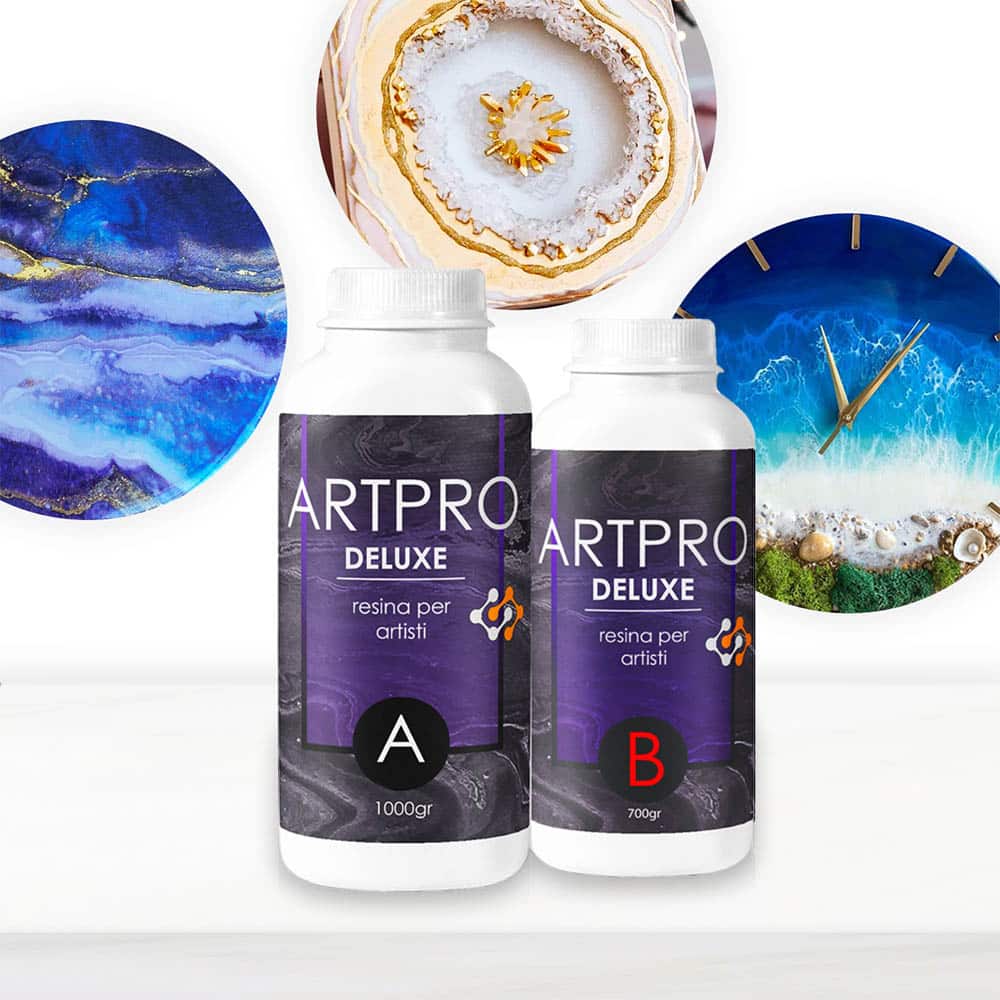 "Art Pro Deluxe" – Ultra-High Viscosity Epoxy Resin for ArtistsPrice range: £35.95 through £302.45"Art Pro Deluxe" epoxy resin offers high viscosity and scratch resistance, suitable for precise resin art and glossy finishes.
 "EpoxyTable 5-Five" – Deep Pour Epoxy Resin for Tables and Large Projects – Up to 5cmPrice range: £17.95 through £1,154.95"EpoxyTable 5-Five" is a deep pour epoxy resin designed for projects up to 5cm depth, suitable for tables and large artistic works.
Frequently Asked Questions
Which type of resin is most suitable for making mirrored pieces?
Ultra-clear epoxy resins with strong UV filters are best for mirrored effects; choose depth according to your project.
What is the maximum thickness for pouring mirrored resin in one go?
Layer thickness depends on the resin—typically 1.5–2cm per pour, or up to 5cm with deep pour formulas.
What’s the best way to eliminate bubbles in mirrored resin projects?
Use a heat gun or torch right after pouring, and mix resin gently to help bubbles escape before curing.
What causes a cloudy or hazy appearance in resin mirror projects?
Cloudiness may result from moisture, improper mixing, or dust on the mould surface.
How do I achieve a perfectly polished, glass-like mirrored resin finish?
Wet sand with fine grits and finish with a resin polish for a flawless, high-gloss surface.
How can I safely demould a mirrored resin piece?
Ensure the resin is fully cured; use silicone moulds or a release agent and demould slowly to protect the surface.