 Free shipping on orders over £29,85
  Shipping Tracking!


 Google
 Facebook
How do you fix a resin floor?
Step-by-step guide to repair and restore resin flooring

Fixing a resin floor doesn’t just restore its aesthetic appeal – it also prevents further deterioration, prolonging the lifespan of your surface. Whether it’s unsightly scratches, worn patches, or sections lifting away from the substrate, this guide takes you through the safe and reliable method to repair resin flooring so it looks and functions as new.
What You’ll Need
- “Epoxyprimer” – Universal Water-Based Two-Component Epoxy Floor Primer: A water-based two-component epoxy primer designed for strong adhesion on common floor substrates prior to epoxy resin coatings.
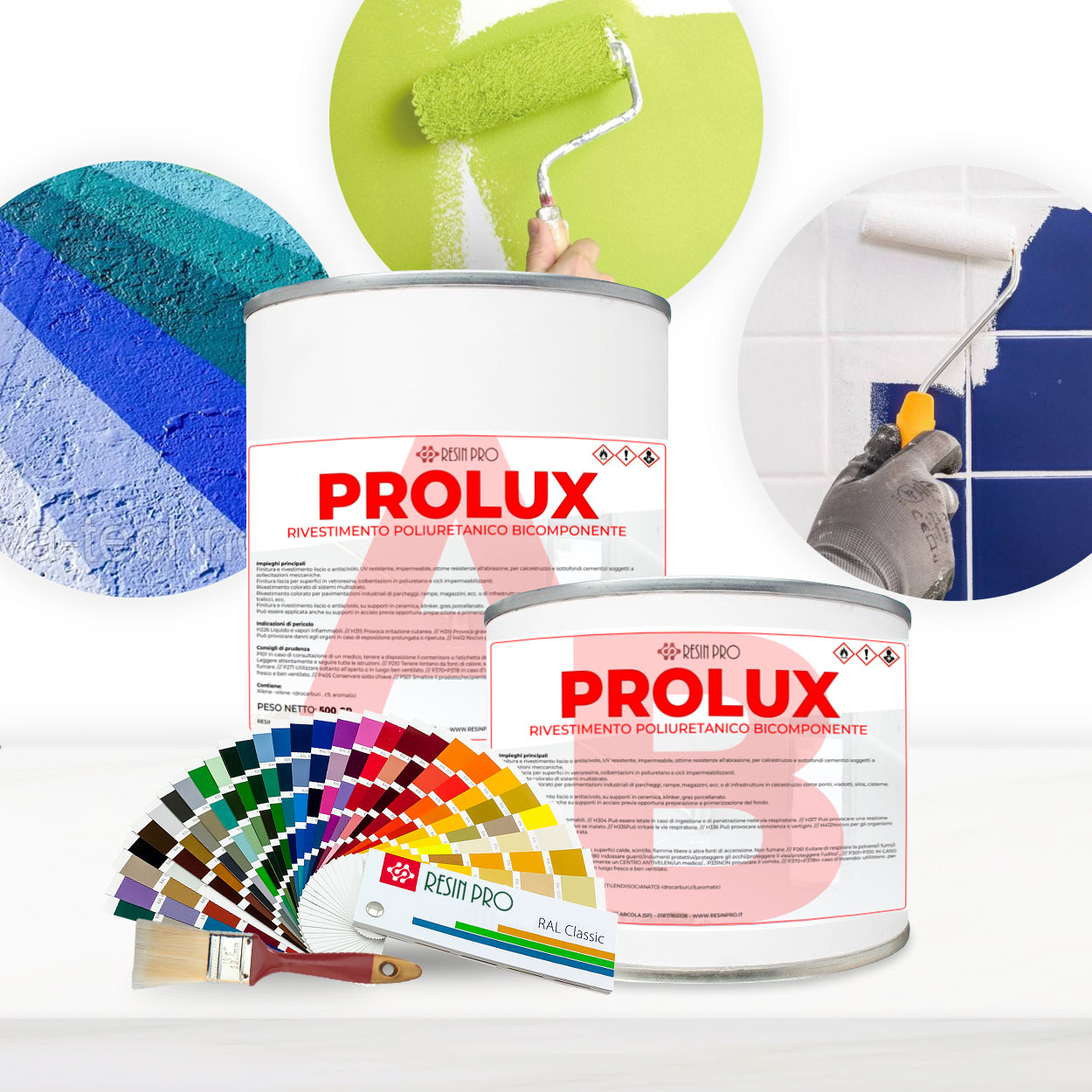
- “Prolux” – PU coating for tiles, concrete, plastic and metal – suitable for driveable surfaces: A professional two-component polyurethane coating for durable, high-traffic surfaces and multiple materials.
- “Epoxy Polish” – Epoxy Resin Polishing System: An epoxy resin polishing system designed for restoring gloss and removing fine scratches on resin surfaces.
- Heavy Duty Scraper for Paint and Epoxy Resin Removal: A scraper designed for the removal of paint, wall coverings, and epoxy resin from surfaces during renovation.
- Protective gloves and eyewear
- Clean microfibre cloths and mop
- Mixing bucket and stirrer
- Paint roller and application brush

Visual Guide: Resin Floor Fix Preparation
See how substrate cleaning and surface stripping create the best foundation for resin repairs. From removing loose resin with a scraper to ensuring a dust-free floor, this stage underpins durable results. Proper preparation guarantees strong bonds and a smooth finish for all subsequent layers.
Step 1: Assess and Prepare the Damaged Area
Begin by thoroughly examining the resin floor to identify cracks, blisters, delamination, or areas of excessive wear. Move furniture out of the way and mark the sections requiring repair. Surface preparation is essential: sweep and vacuum to remove loose dirt and debris, then use a damp mop to ensure the area is free from dust and contaminants. Allow to dry fully before proceeding.
If the original resin is flaking, bubbling, or lifting, physically remove all unstable sections. For effective removal of stubborn resin, a Heavy Duty Scraper for Paint and Epoxy Resin Removal ensures controlled and thorough stripping without damaging the substrate beneath.
Step 2: Prime the Surface for Optimal Adhesion
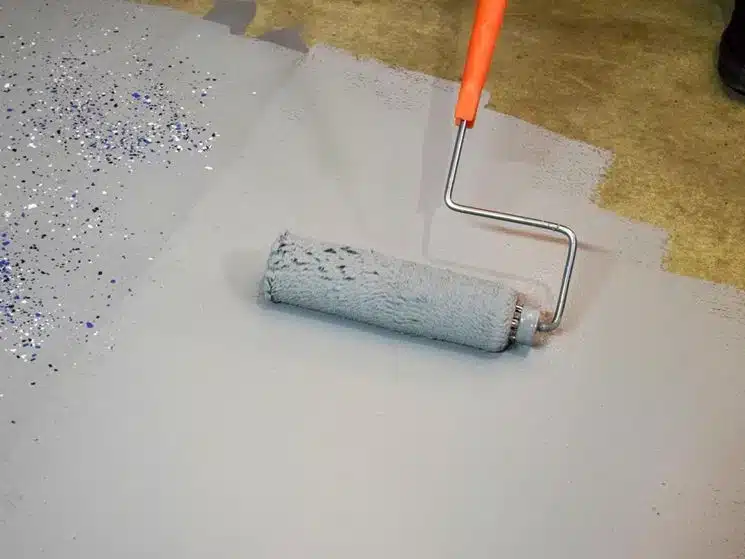
Once clean, repaired, and dust-free, the next step is to prime the exposed substrate. This step is crucial to achieving long-lasting repairs by ensuring that the new resin will bond securely to the floor base. Mix your chosen primer as recommended by the manufacturer, ensuring even blending.
For concrete, tile, screed, or timber floors, “Epoxyprimer” – Universal Water-Based Two-Component Epoxy Floor Primer provides high-quality adhesion and an odourless, eco-friendly finish. Apply the primer with a roller or brush in an even layer, covering the entire repair area. Allow 24–48 hours for the primer to cure fully before applying further coatings.
Step 3: Apply a New Resin or Polyurethane Coating
With the surface primed and free from dust, proceed to apply your resin or polyurethane repair system. Carefully mix both components in the correct ratio as specified, and stir until a consistent solution is achieved. Apply evenly using a roller or squeegee, feathering out edges to blend seamlessly with surrounding areas.
If the repaired area is subject to heavy traffic or outdoor exposure, consider finishing with a tough, protective coat such as the “Prolux” – PU coating for tiles, concrete, plastic and metal – suitable for driveable surfaces. This enhances UV, abrasion, and weather resistance, helping your repair withstand long-term use. Allow the new surface to cure as instructed, keeping the area undisturbed and well-ventilated.


Step 4: Restore Shine and Maintain the Finish
After the new coating has cured, inspect the completed floor for visible imperfections such as dull patches or light scuff marks. For best results, finalise your repair by polishing the floor, which restores a professional-level shine and smoothness. Clean the surface with a soft microfibre cloth to lift dust, ensuring no particles are trapped.
If your floor needs gloss restoration, use “Epoxy Polish” – Epoxy Resin Polishing System and follow the instructions. Work the compound across the affected sections using a suitable polisher or pad holder, applying gentle, even pressure until scratches and cloudiness disappear and the surface reflects light smoothly.
Tips, Troubleshooting and Common Mistakes
Always allow each layer—primer, resin, and topcoat—to cure fully before moving to the next step; rushing can prevent adhesion and cause early failure. Cleanliness is key: lingering dust, oil or moisture will weaken resin bonds. Use proper safety gear to avoid skin and eye contact with uncured materials. To blend repairs with existing floors, border feathering minimises visual joins. For patch repairs, matching colours and gloss levels ensures a uniform look. If cloudiness appears after polishing, repeat the process with a microfibre cloth and adequate friction. For deep cracks, consider seeking professional advice as substrate repairs may be necessary.

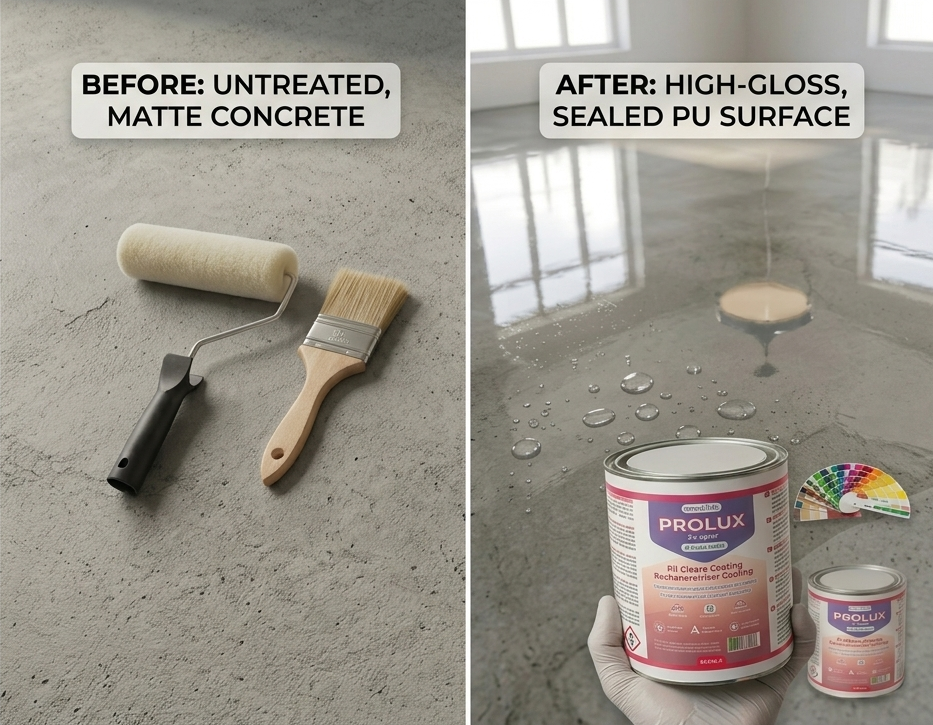
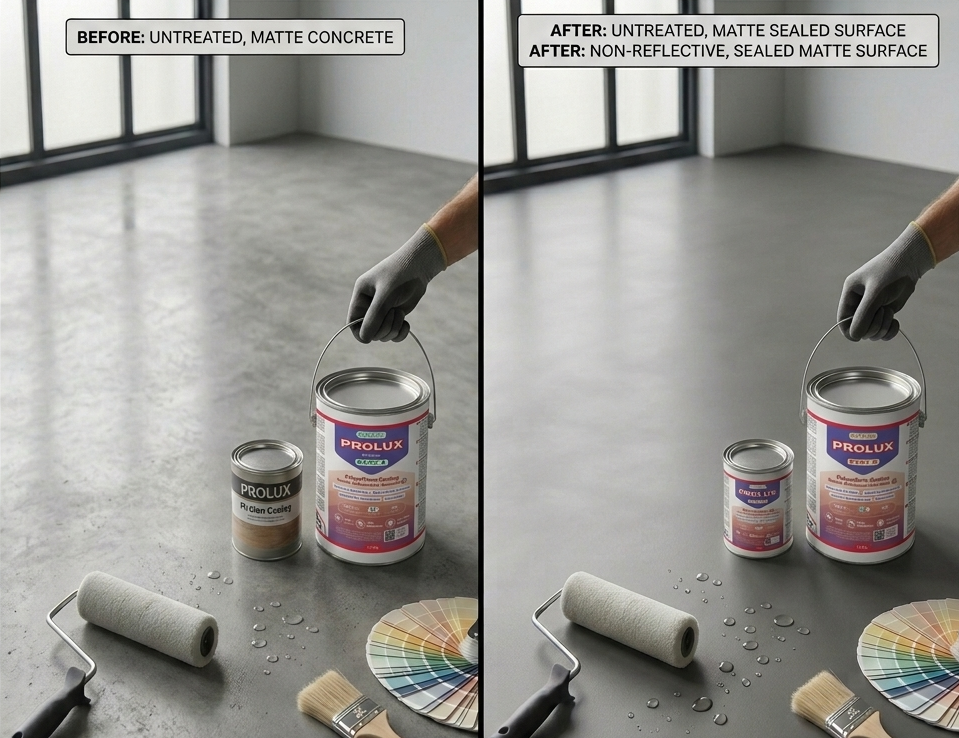
Real Results: After Floor Restoration
Compare before-and-after examples of restored resin floors. Observe how correct priming, careful resin application and expert polishing remove imperfections, delivering seamless, long-lasting repairs. Explore more resin flooring solutions here.

- "Epoxyprimer" – Universal Water-Based Two-Component Epoxy Floor PrimerPrice range: £156.45 through £286.45Epoxyprimer is a water-based epoxy floor primer providing adhesion and durability for resin floors in line with fixing a resin floor.
- "Prolux" – PU coating for tiles, concrete, plastic and metal – suitable for driveable surfacesPrice range: £44.85 through £494.85"Prolux" is a durable polyurethane coating suitable for tiles, concrete, plastic and metal, providing versatile finish options.
- "Epoxy Polish" – Epoxy Resin Polishing SystemPrice range: £18.95 through £47.45"Epoxy Polish" is designed for delivering a glossy finish to resin surfaces, suitable for various resin projects and polish maintenance.
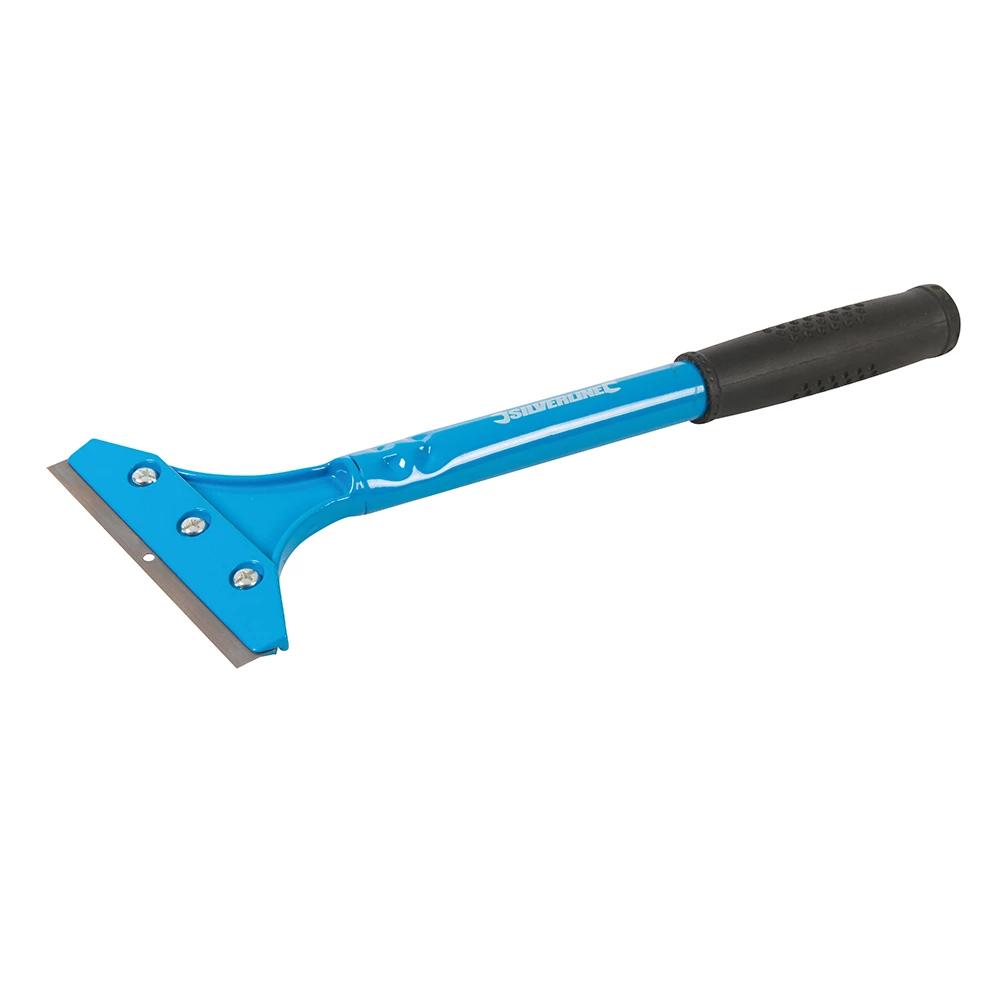 Heavy Duty Scraper for Paint and Epoxy Resin Removal£8.95The Heavy Duty Scraper is a tool for effective removal of paint and epoxy resin, suitable for various resin floor maintenance tasks.
Frequently Asked Questions
Can you patch repair a resin floor?
Yes, resin floors can be patch repaired by removing damaged areas, priming the substrate, and applying a compatible resin or coating to match the original finish.
How long before you can walk on a fixed resin floor?
Walk on the repaired resin floor only after full curing, typically 24–48 hours for primers and topcoats, as specified by product instructions.
Can you polish resin floors after repair?
Yes, polishing after resin floor repair removes scratches and restores gloss for a continuous, visually appealing surface.
What if the new resin patch does not match?
Colour or gloss differences can occur; using similar products and blending edges help create a seamless effect.
Do you need to remove all old resin for a repair?
Only loose, flaking, or damaged resin needs removal. Stable, well-bonded areas can remain as long as they're properly prepared before recoating.
Can you use polyurethane over epoxy repairs?
Yes, polyurethane topcoats such as "Prolux" can be applied over cured epoxy repairs for enhanced durability and UV resistance.