 Free shipping on orders over £29,85
  Shipping Tracking!


 Google
 Facebook
← Back to How do you make an active volcano epoxy lamp?

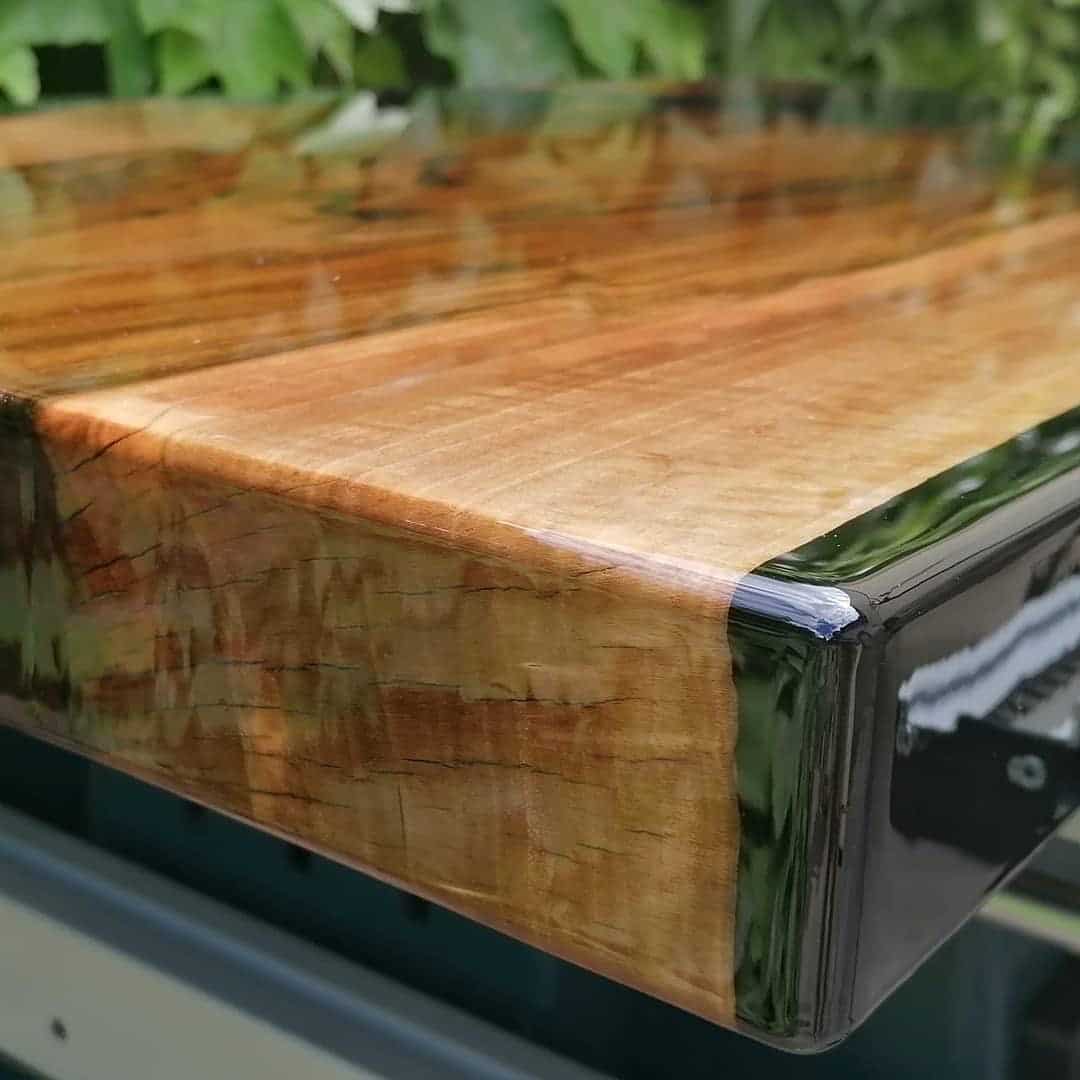
Selecting the right pigments is key to achieving dramatic volcano effects in epoxy art, capturing both vibrant lava and realistic stone textures.
Recommended Pigment Types
For epoxy volcano effects, always use pigments designed for compatibility with resin. Suitable options include liquid epoxy dyes, mica powders, and paste pigments—these blend smoothly without clumping or interfering with the curing process. Avoid water-based or acrylic pigments, as they can impact clarity and setting.


Colour Choices for Lifelike Lava
To create convincing lava, focus on translucent reds, oranges and yellows. Layering these shades produces the glow and depth that mimics molten rock. Use black and brown pigments for the surrounding volcano structure and base to contrast with the bright lava details. Try blending touches of metallic mica for reflective highlights, which can enhance a glowing, active look.
- Translucent red and orange for lava flows
- Yellow for molten highlights
- Black and brown for realistic rocks
Practical Tips and Buying Advice
When purchasing, check that all pigments are specifically labelled as epoxy safe to prevent problems during curing. For crisp line work, an ultra-high viscosity resin such as Art Pro Deluxe can help control pigment spreading. For deep volcano features, use a clear deep-pour resin and add the pigments gradually, mixing smaller batches to build colour intensity and avoid over-thickening.
Related products
Related guides
Choosing pigments suitable for epoxy is vital to capture the dynamic, fiery appeal of volcano lamps. For more tips and inspiration, visit the full active volcano epoxy lamp guide.