 Free shipping on orders over £29,85
  Shipping Tracking!


 Google
 Facebook
How do you make an active volcano epoxy lamp?
Step-by-step guide for stunning resin volcano lamps at home

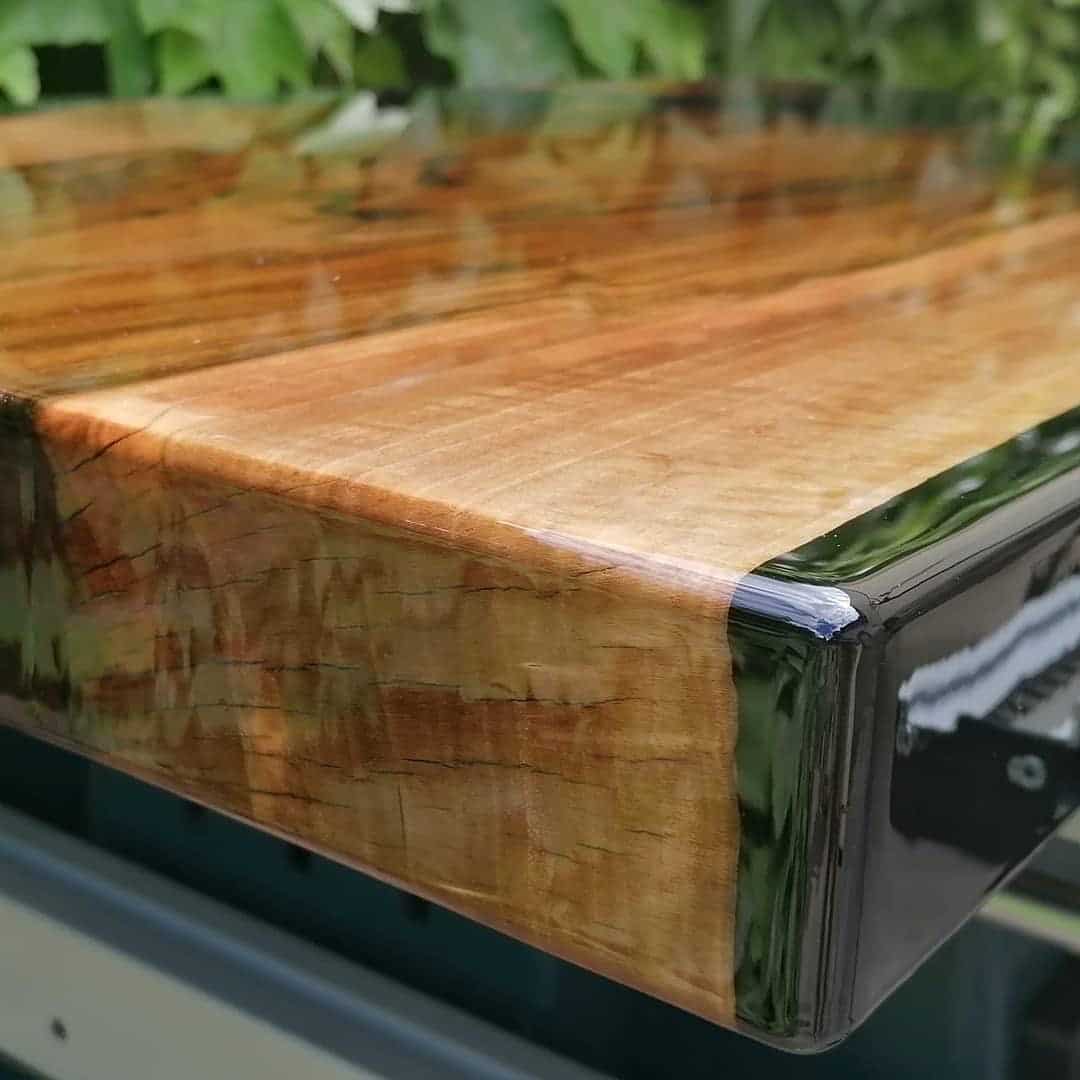
Bring dramatic, glowing energy to your space by creating your own active volcano epoxy lamp. This technique lets you combine deep, transparent resin pours with realistic colour effects to simulate volcanic eruptions—making for an eye-catching and original centrepiece. In this guide, you’ll learn how to safely plan, pour, and finish an epoxy volcano lamp using tried-and-tested artist methods.
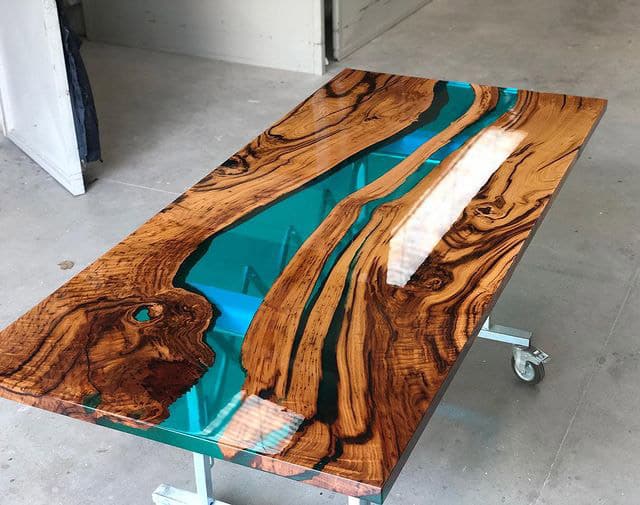
What You’ll Need
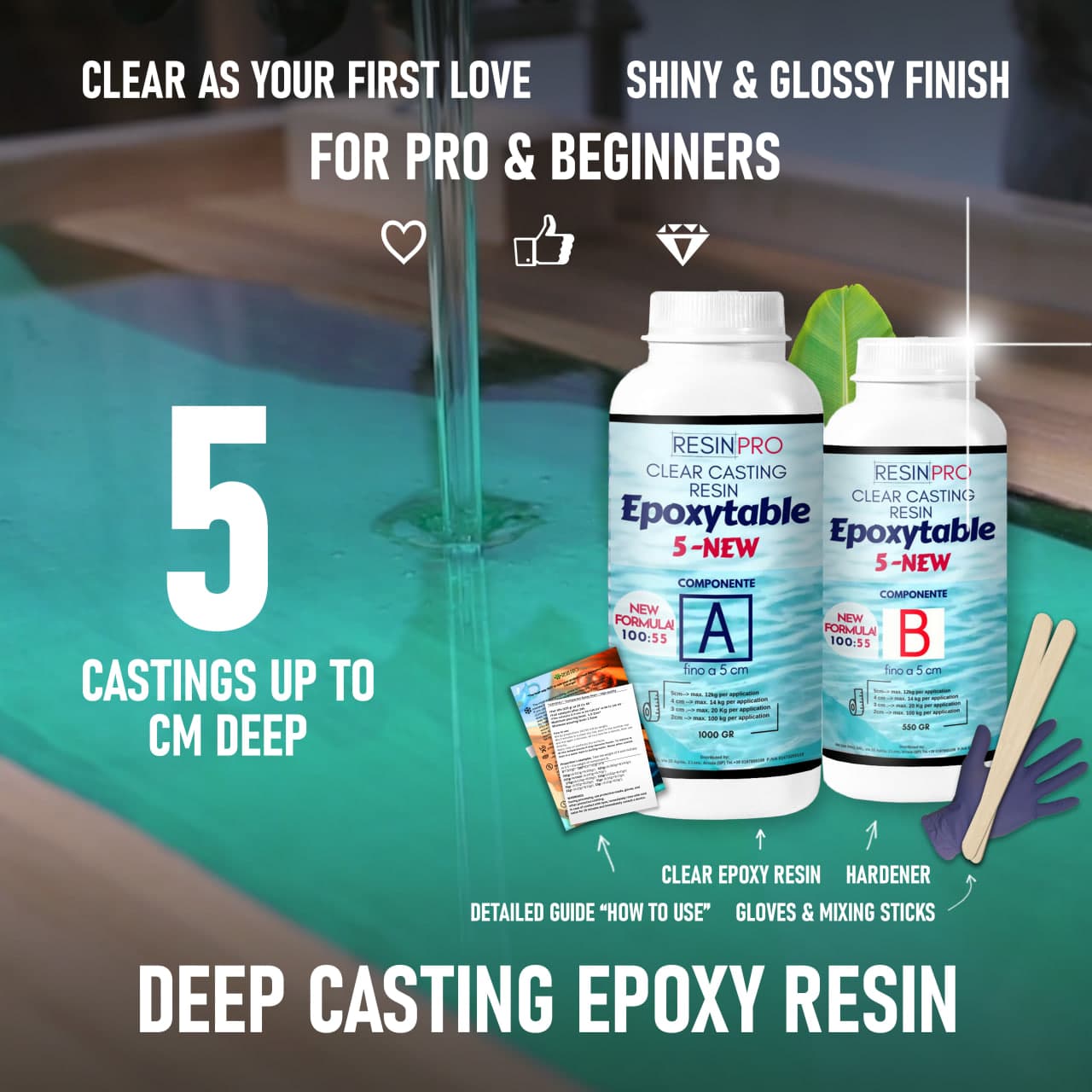
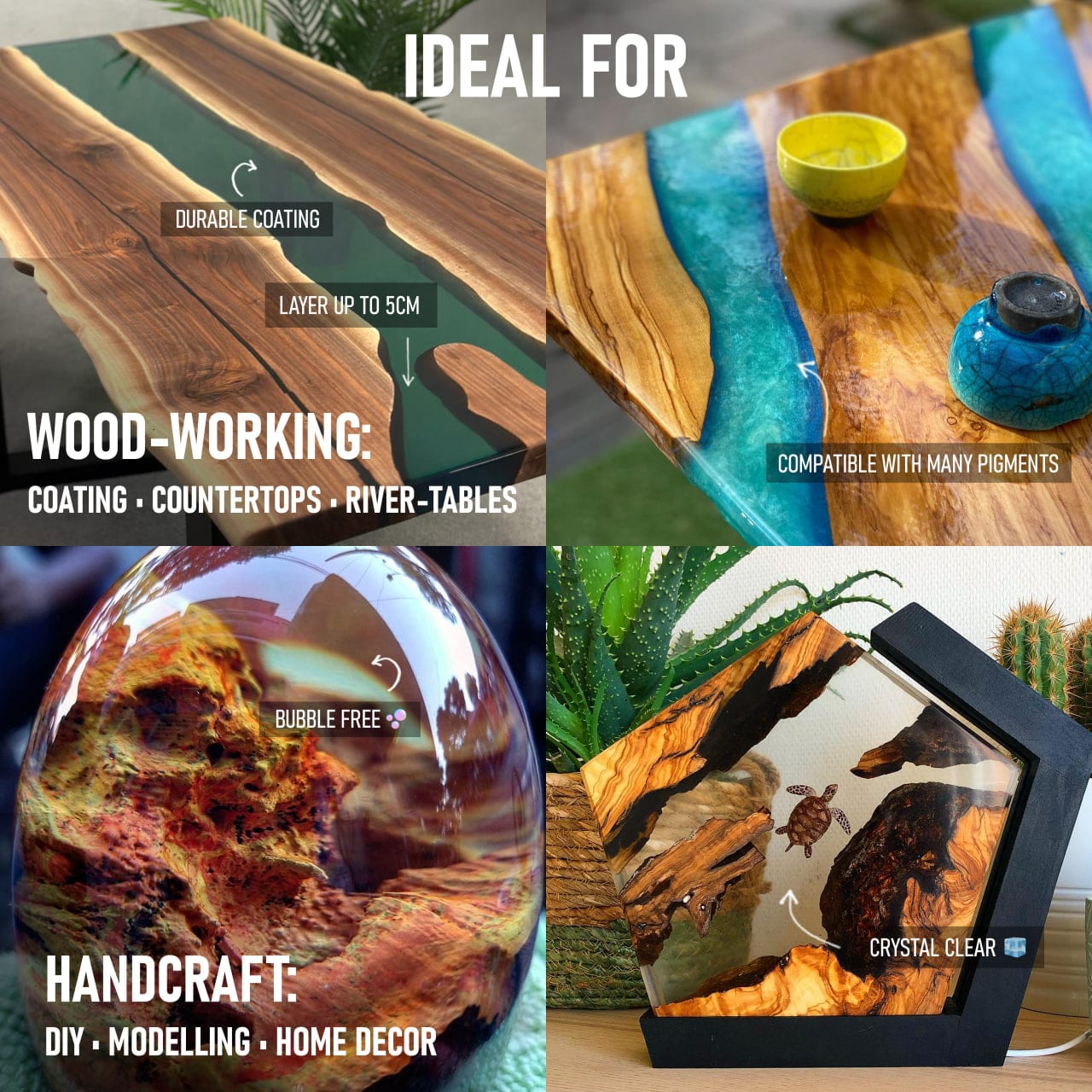
- “Epoxytable 10-Ten” – Deep Pour Epoxy Resin for Tables, Up to 10cm Casting – for thick, clear layers in the lamp body
- “Art Pro Deluxe” – Ultra-High Viscosity Epoxy Resin for Artists – for sharp, controlled colour effects and fine design work
- “Icrystal” – Clear Epoxy Resin – Odourless Formula – Up to 1.5cm – for thin, glassy finishing coats or sealing details
- Mould for lamp shape (silicone or custom)
- Pigments: transparent red, orange, yellow (for lava), black, brown (for mountain), white (for highlights)
- Protective gloves and safety glasses
- Mixing cups, stirrers, heat gun/torch (for bubbles)
- LED light insert or lamp base (optional)

Materials and Colour Inspiration
For a truly spectacular volcano lamp, reference real-life volcanic eruptions for colour blends and lava details. Use clear, deep pour epoxies for the main forms, reserving ultra-high viscosity resin for dramatic colour control and sharp line work.
Step 1: Prepare Your Workspace and Mould
Surface preparation is key to a flawless finish. Ensure your working surface is covered, level, and dust free. Clean and dry your mould thoroughly, making sure it is the right size and shape for your volcano design. If you plan to include a lamp socket or base, measure and mark its position in advance.
Release agent can be applied if your mould requires it to aid in demoulding later on. This is particularly important for complex or deep moulds.
Always wear gloves and work in a ventilated area when handling resins or pigments to keep your project safe and mess-free.
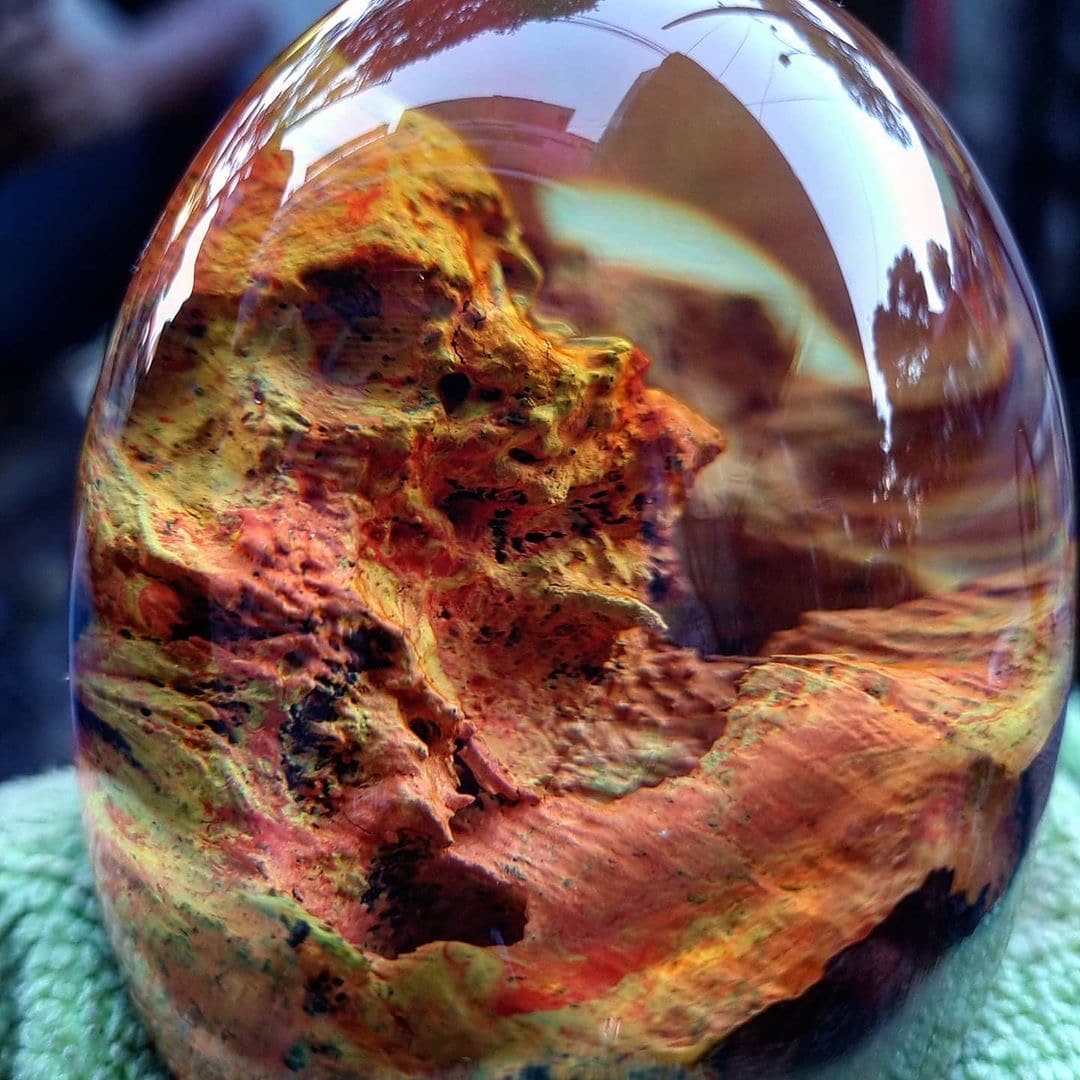
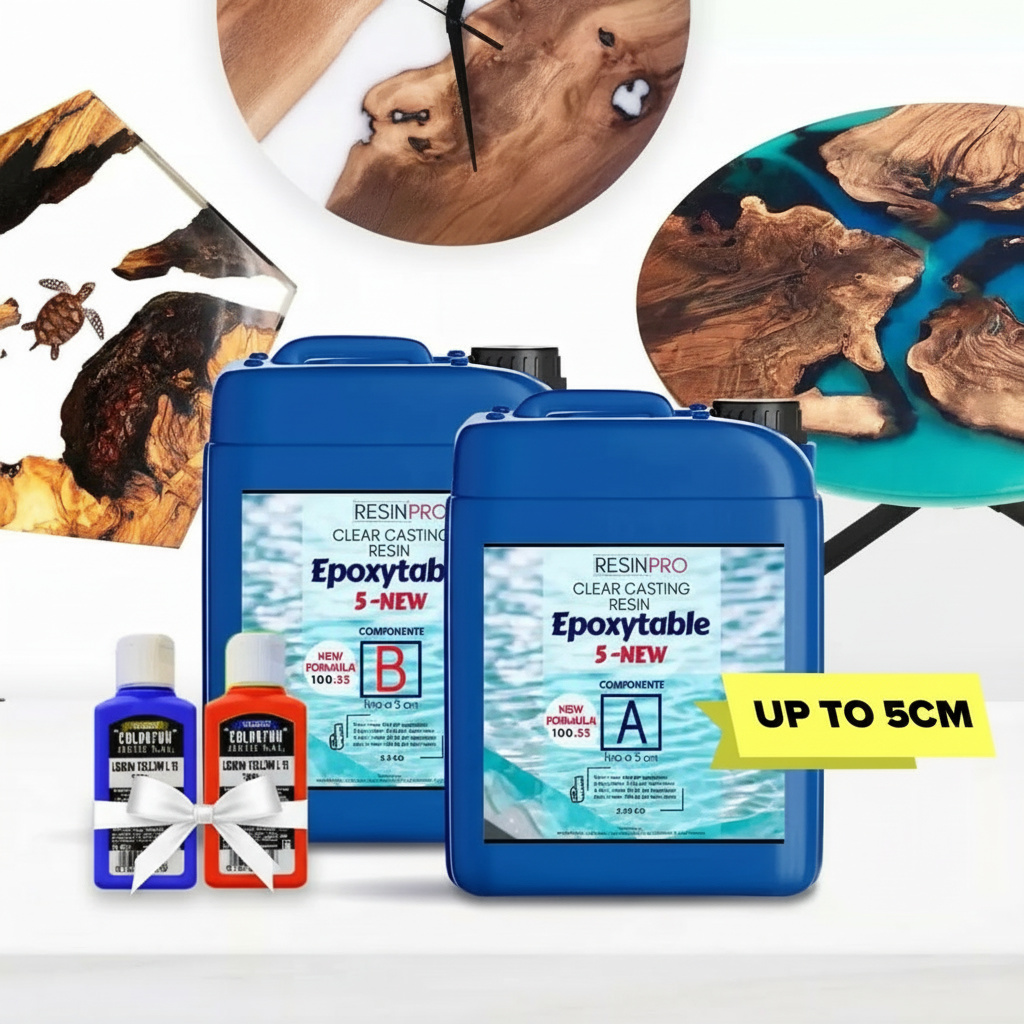
Step 2: Plan and Mix Your Epoxy Colours
Select epoxy based on the pour depth needed for your volcano lamp core. For central pours exceeding 5cm thick, “Epoxytable 10-Ten” – Deep Pour Epoxy Resin for Tables, Up to 10cm Casting is ideal. For outer or finishing layers, you might use “Icrystal” – Clear Epoxy Resin – Odourless Formula – Up to 1.5cm.
Carefully read and follow the manufacturer’s mixing ratios. Use separate cups for each pigment: create gradients using red, orange and yellow for glowing lava, black and brown for volcanic rock. For detailed control, “Art Pro Deluxe” – Ultra-High Viscosity Epoxy Resin for Artists excels at keeping colour lines crisp without unwanted blending.
Plan your colour transitions before you pour to achieve the most dramatic volcanic effects.
Step 3: Layer and Pour for Dynamic Effects
Start with the core of your lamp. If you are creating a multi-layered volcano, pour a first layer of clear or black resin to form the mountain’s base, using “Epoxytable 10-Ten” for deep sections. Let layers partially cure between pours to embed swirling ‘lava’ effects and add pigments in staged intervals.
Use “Art Pro Deluxe” for surface details, such as fiery cracks or flowing lines near the eruption. This resin allows you to paint or drop intense colour accents without them feathering into other layers.
Work slowly and use a heat gun briefly to remove any surface bubbles, taking care not to overheat the resin. Layering prevents colour bleed in multi-toned lamps and ensures each colour stands out clearly.
Step 4: Demould, Finish and Assemble Your Lamp
Allow your volcano lamp to cure fully, following the resin’s recommended curing times. Once solid, gently demould. Sand any rough edges carefully, starting with coarse and progressing to fine grit for a glassy finish. If you want an ultra-glossy surface, you can pour a thin layer of “Icrystal” clear epoxy to seal and polish the lamp.
Install your chosen LED or lamp base securely into the lamp body. Test your light—it should illuminate the resin’s colours from within, creating a vivid, active volcano effect.
Clean all tools according to the manufacturer’s advice and dispose of any unused resin responsibly.
Tips & Troubleshooting for Volcano Epoxy Lamps
Avoid pouring too thick in one go. If working with very deep lamps, pour in several stages to prevent overheating and cracking. Keep your workspace at a stable temperature between 18–24°C.
If colours start to blend unintentionally, switch to a higher viscosity resin like “Art Pro Deluxe” for more control. Run a test pour before starting your main project, especially if experimenting with unfamiliar pigments or moulds.
Patience is vital! Let each layer cure well before another pour to keep effects sharp.
Showcase: Resin Volcano Lamps in Action
Finished volcano epoxy lamps become glowing centrepieces when illuminated. Experiment with different lighting elements and placement to accentuate the fluid resin layers and vibrant colour transitions unique to each handmade piece.

- “Epoxytable 10-Ten” – Deep Pour Epoxy Resin for Tables, Up to 10cm CastingPrice range: £35.95 through £351.95“Epoxytable 10-Ten” epoxy resin allows casting up to 10cm for tables and artistic projects with low viscosity and UV resistance.
- "EpoxyTable 5-Five" – Deep Pour Epoxy Resin for Tables and Large Projects – Up to 5cmPrice range: £17.95 through £1,154.95"EpoxyTable 5-Five" epoxy resin is designed for tables and large projects with deep pouring up to 5cm, fitting the creative theme.
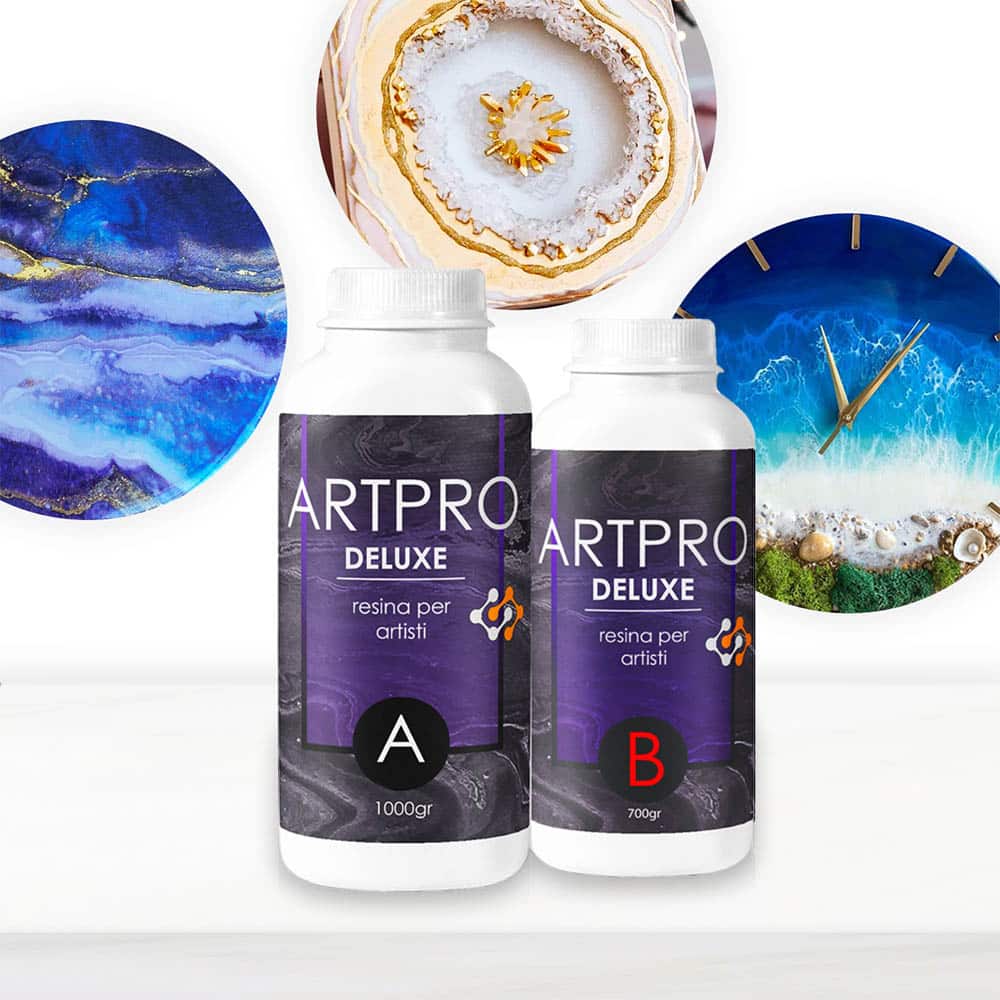 "Art Pro Deluxe" – Ultra-High Viscosity Epoxy Resin for ArtistsPrice range: £35.95 through £302.45Art Pro Deluxe epoxy resin offers precise control and a crystal-clear, scratch-resistant finish suited for artist resin projects.
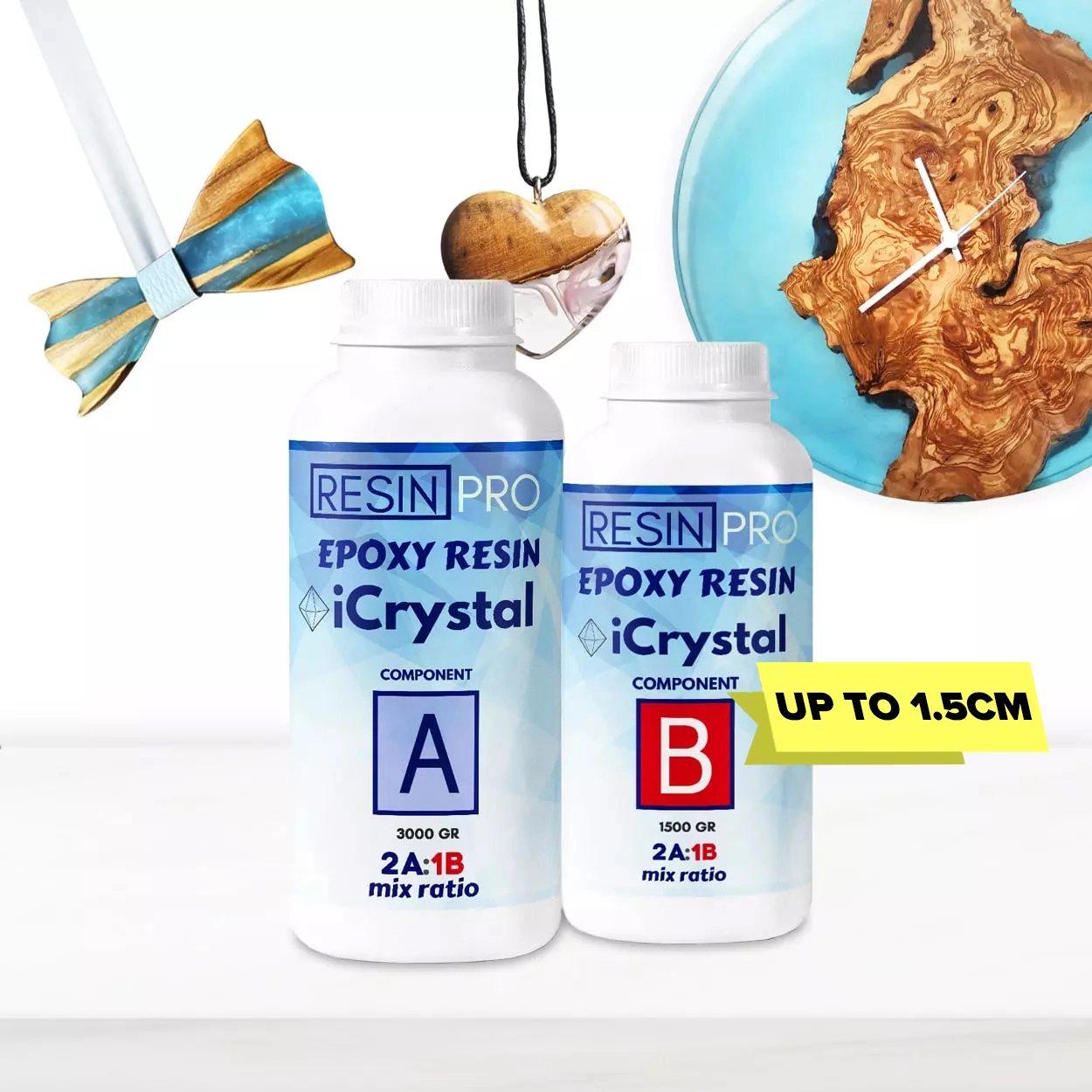 "Icrystal" – Clear Epoxy Resin – Odourless Formula – Up to 1.5cmPrice range: £12.45 through £341.45The "Icrystal" Clear Epoxy Resin is suitable for artistic and wood-working projects in the theme of creating an active volcano epoxy lamp.
Frequently Asked Questions
What resin is best for volcano epoxy lamps?
Choose a deep-pour epoxy like 'Epoxytable 10-Ten' for thick lamp bodies and 'Art Pro Deluxe' for precise colour accents.
How do I prevent colour mixing between epoxy layers?
Use high viscosity resin for colour detailing and let each layer cure partially before pouring the next.
How do I minimise bubbles in deep resin pours?
Mix slowly, pour gently, and briefly use a heat gun or torch on the surface to release trapped bubbles.
How do I prepare my mould for epoxy pouring?
Clean and dry the mould fully. Apply a release agent if needed to make demoulding easier after curing.
Which pigments should I use for volcano effects?
Choose epoxy-compatible pigments—translucent reds, oranges, and yellows for lava; blacks and browns for rock.
How long does it take for an epoxy lamp to cure?
Full curing varies by product, but most require at least 24–48 hours before removing from the mould or handling.