 Free shipping on orders over £29,85
  Shipping Tracking!


 Google
 Facebook
← Back to How to season resinous wood?

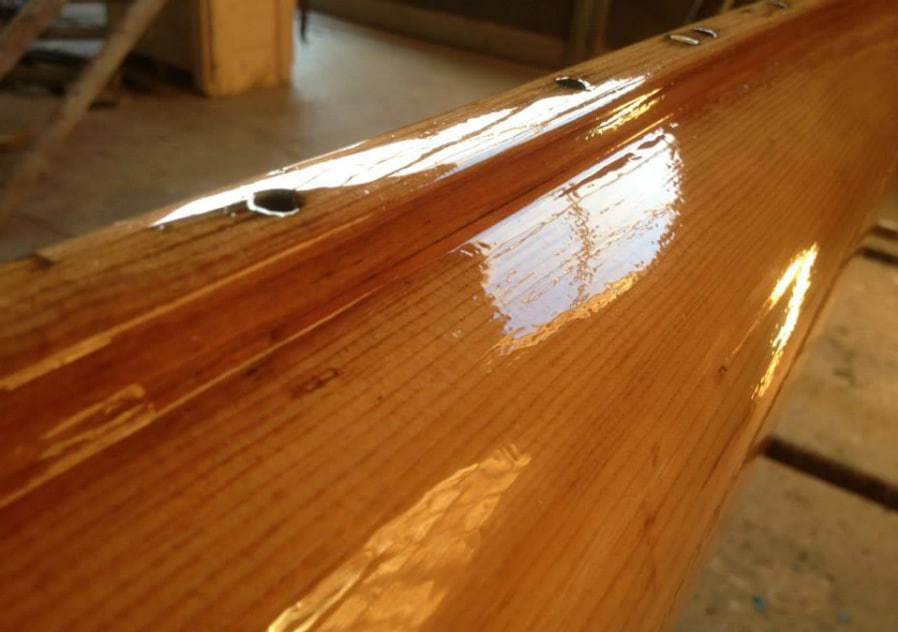
Curing resinous wood properly is essential to ensure a lasting, stable finish. Ventilation and temperature control both play a major part in preventing common curing issues and achieving an even, professional result.
Why Ventilation Matters
Good ventilation helps remove excess moisture and fumes that may be emitted during the curing process, especially when using products like EpoxyWood or sealers. This not only creates a safer workspace, but also allows the wood and resins to cure consistently by maintaining fresh airflow around the treated area. Without sufficient ventilation, trapped vapours can cause problems such as surface blemishes or delayed drying times.

Optimising Temperature for Curing
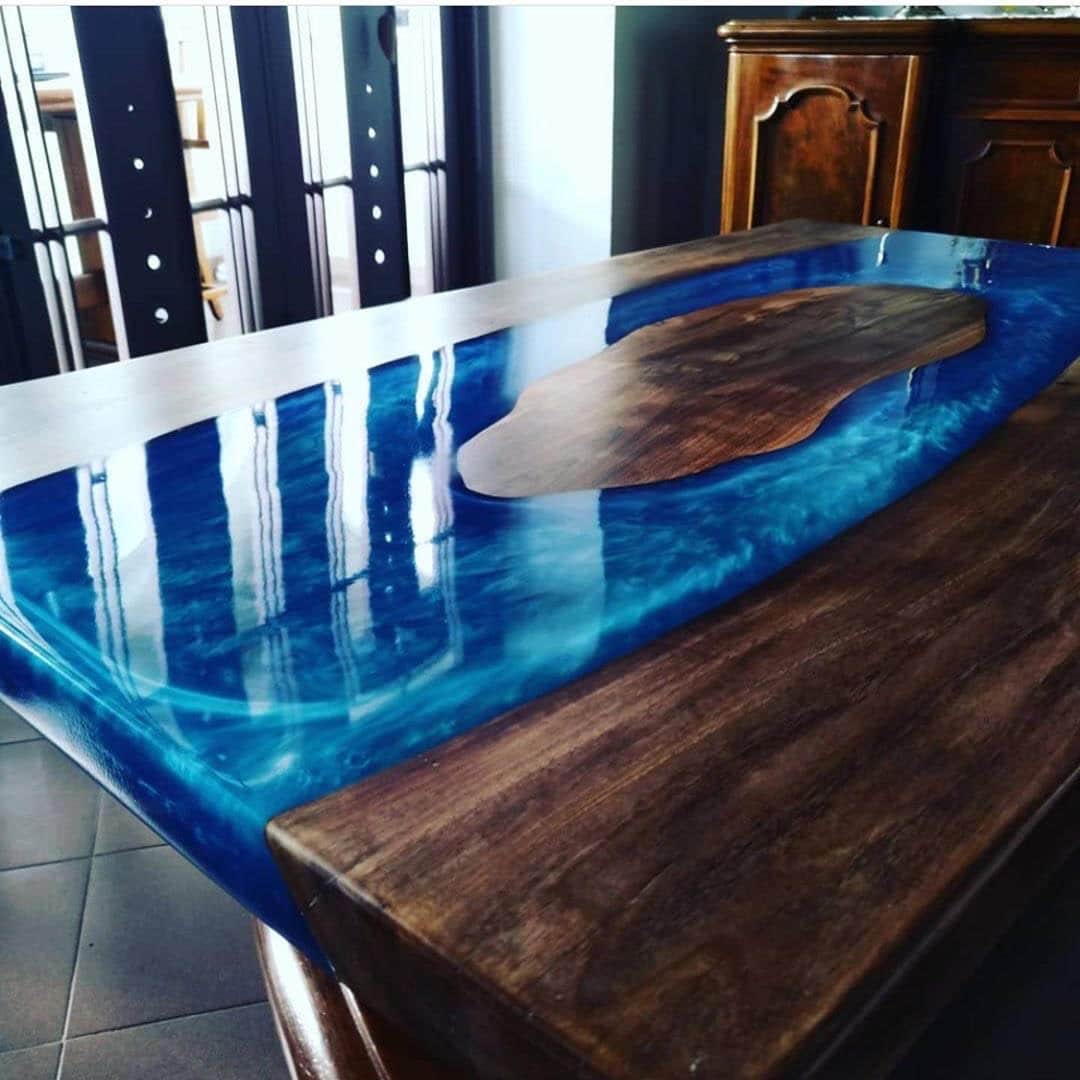
Stable temperature is key to achieving a flawless finish on resinous wood. Rapid changes in temperature can lead to uneven curing, cracks, or tacky surfaces. Ideally, keep the cure area within the recommended range stated by your chosen products, and avoid placing projects in direct sunlight or near cold drafts. For example, indoor environments with consistent heating and no extreme fluctuations typically work best, both for resin applications and for products like hard wax oils.
Practical Guidance for Success
- Prepare the surface: Make sure wood is dry, sanded, and free from dust before applying resin or finishes.
- Ventilate naturally: Open windows or use fans to circulate air, but avoid strong draughts that could bring in dust or cool the area suddenly.
- Monitor conditions: Use a thermometer and humidity meter if possible to keep curing conditions steady and within product recommendations.
When This Matters Most
Curing conditions are especially crucial for larger wood projects, high-gloss finishes, or any restoration where durability and surface appearance matter. They are equally important when using finishing products that form a protective layer on the wood.
Related products
Related guides
Paying attention to ventilation and stable temperatures during curing not only produces a better finish but supports the longevity of your resinous wood projects. For more in-depth advice and a full guide on preparing and seasoning resinous wood, return to our main How to season resinous wood? page.