 Free shipping on orders over £29,85
  Shipping Tracking!


 Google
 Facebook
← Back to How is resin applied in a tiled bathroom?

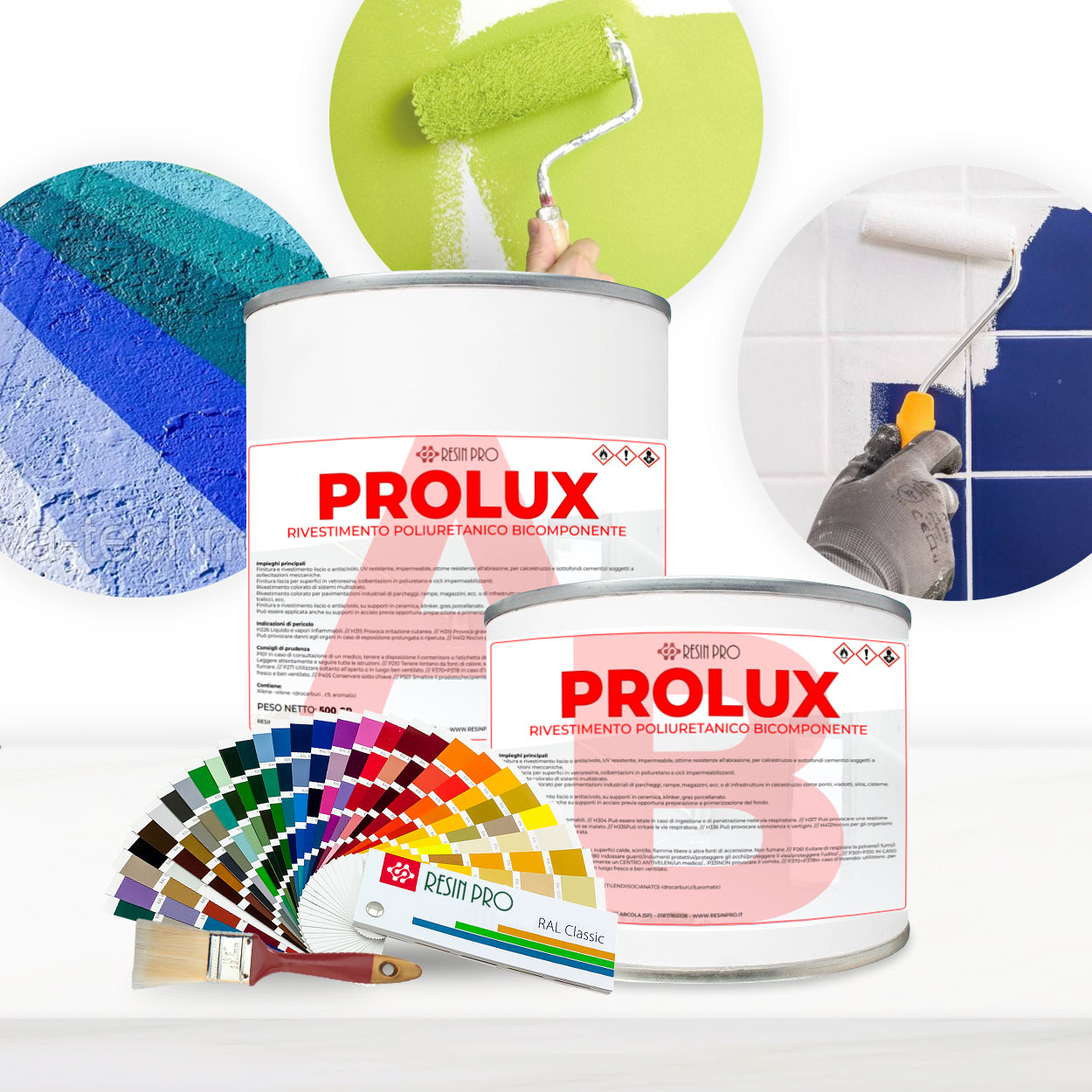
Ensuring strong adhesion between your substrate—such as tiles, concrete, or timber—and your chosen resin coating is vital for both the longevity and the appearance of any bathroom project. With the right preparation and products, you can achieve a professional, durable finish that stands up in wet and high-traffic environments.
Why Adhesion Matters in Tiled Bathrooms
Resin coatings provide durable, waterproof and attractive finishes, especially in bathrooms where moisture is a constant concern. However, poor adhesion between the substrate (like ceramic tiles) and the resin layer can cause lifting, peeling, or bubbling. This not only affects the durability of your finish but also detracts from its visual appeal. Carefully ensuring superior adhesion is therefore essential, especially over glossy or non-porous surfaces like tiles.
Best Practices for Achieving Maximum Adhesion
- Surface Preparation: Start by cleaning your tiles or substrate thoroughly to remove any dirt, grease, or residues. A light sanding can help if the tiles are especially glossy, as this creates a slightly rougher surface for the primer to grip.
- Use the Right Primer: Applying a suitable primer creates a vital intermediate bond. A water-based product like Epoxyprimer supports strong bonding between tiles and subsequent resin layers, and is specifically formulated for compatibility with ceramic, concrete, timber, and screeds.
- Methodical Application: Use a roller, brush, or spatula to spread the primer evenly, allowing it to cure fully before applying your chosen resin coating.
Practical Buying and Application Tips
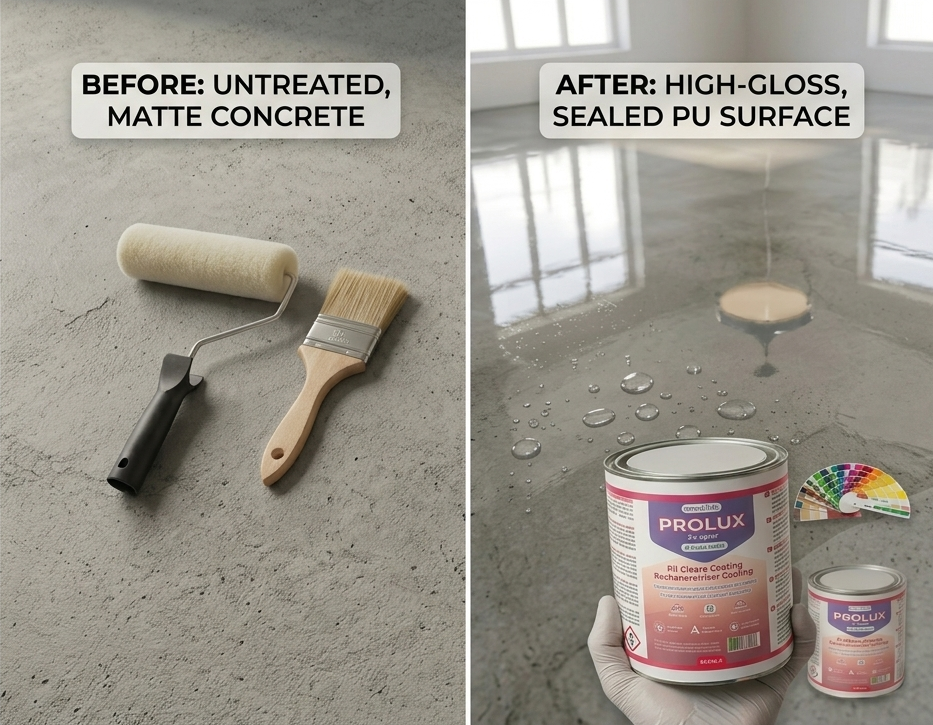
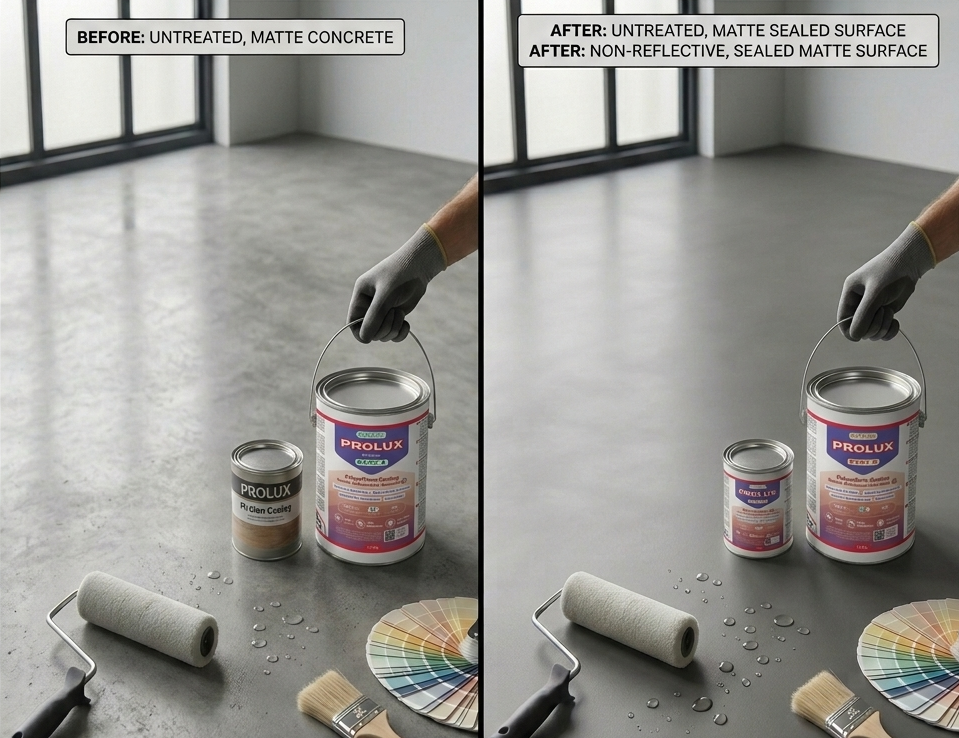
- For floors or driveable surfaces, a tough polyurethane finish—like the Prolux PU coating—offers abrasion and water resistance.
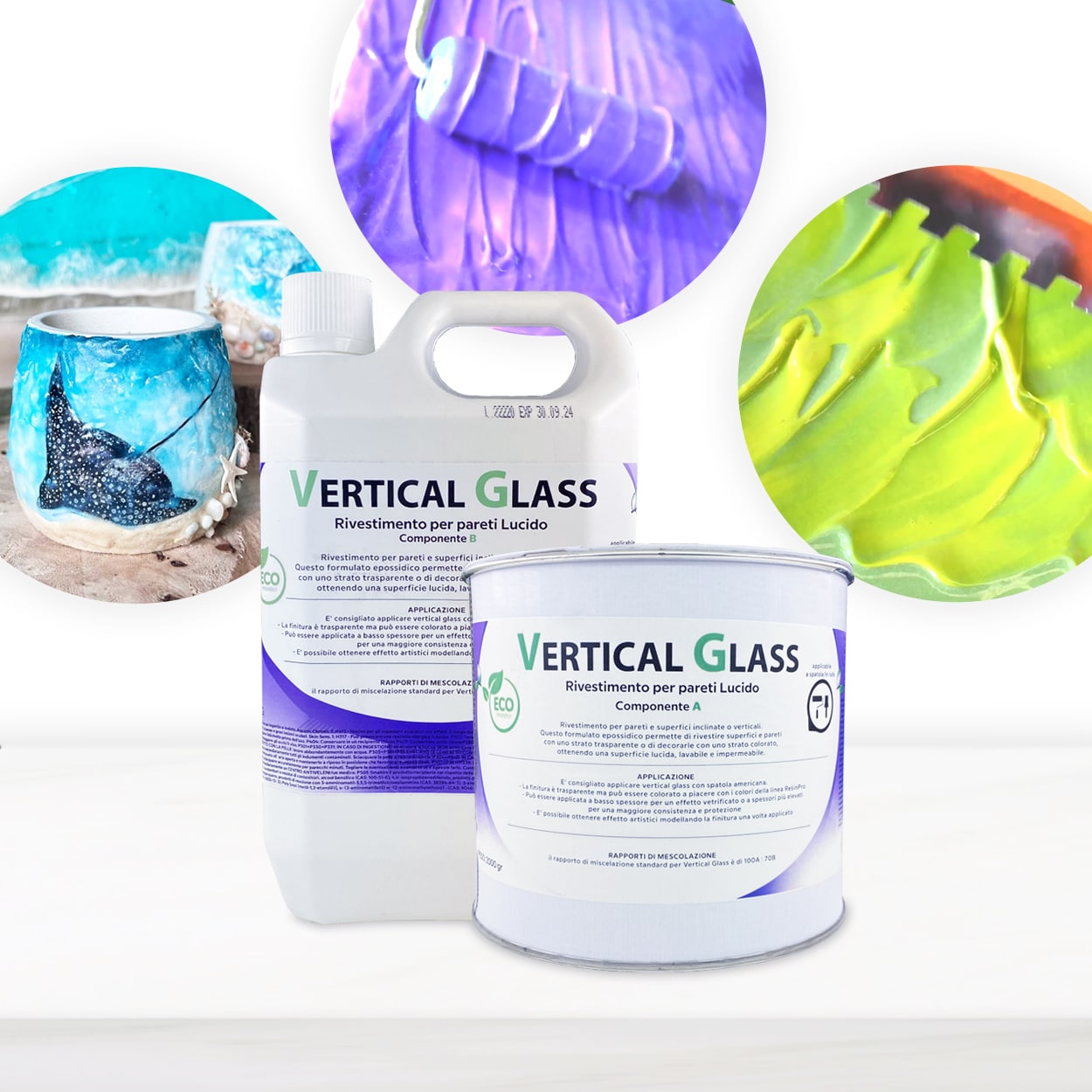
- On vertical or sloping bathroom walls, a decorative resin such as Vertical Glass allows for custom finishes without self-levelling, preserving design details.
- Allow sufficient curing time for both primer and resin coats (usually 24-48 hours per product guidance) for the most secure bond.
When This Matters
Superior adhesion is particularly important for bathrooms subject to high humidity, repeated cleaning, or heavy footfall. Neglecting this step may lead to premature failure, so it’s especially critical in showers, floor zones, and other wet areas for lasting performance.
Related products
Related guides
Ensuring excellent adhesion between your substrate and resin coating sets the foundation for attractive, long-lasting bathrooms. For a step-by-step look at how these products are applied, discover more in our main guide on how resin is applied in a tiled bathroom.