 Free shipping on orders over £29,85
  Shipping Tracking!


 Google
 Facebook
← Back to How to Use Two-Component Resin?
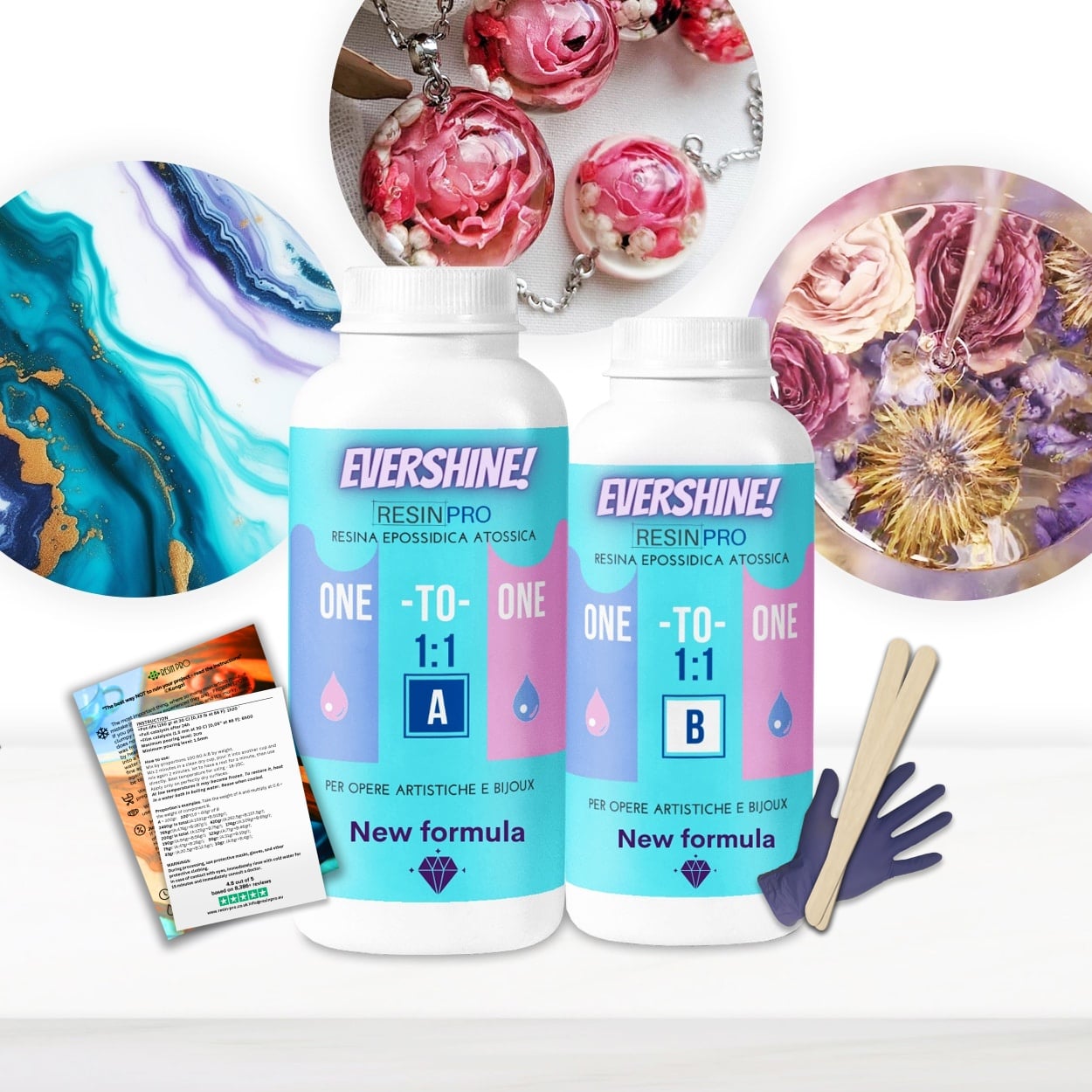
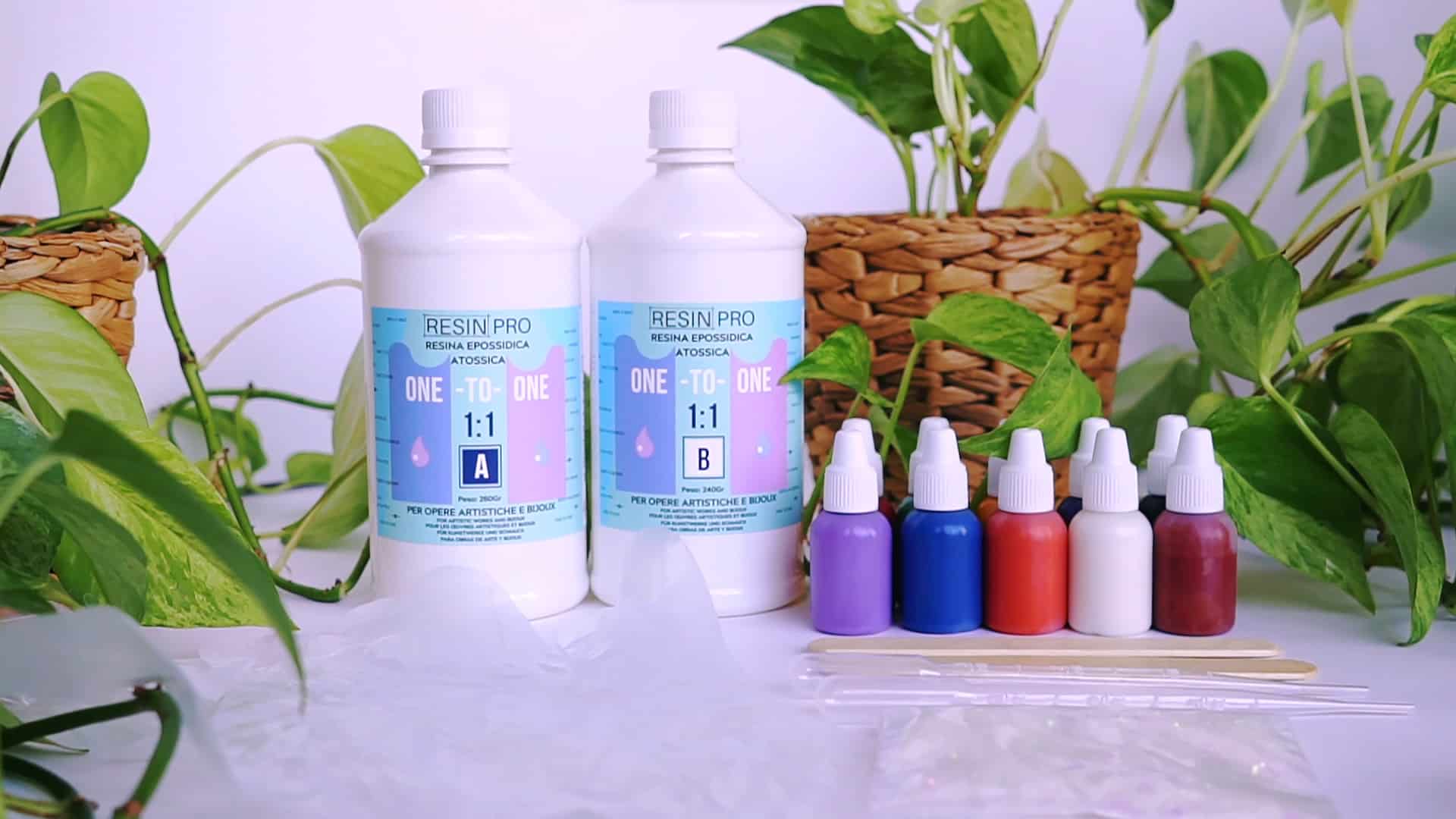
Finishing a resin project only to find the surface soft, tacky, or sticky can be frustrating. This guide explains common reasons your two-component resin might not cure properly and what steps you can take to address the issue.
Typical Causes of Sticky or Soft Resin
Resin fails to cure correctly for a few main reasons. Most often, inaccurate measurement or poor mixing of the two components is to blame. Even small errors in the ratio or insufficient stirring can leave parts of your piece soft or tacky. Additionally, removing resin from the mould before it has fully cured, or keeping it in an environment that’s too cool, can compromise the final result.
- Inaccurate measuring or mixing of the components
- Cold working temperatures (below the recommended range)
- Not allowing enough curing time before demoulding

How to Fix Sticky Resin
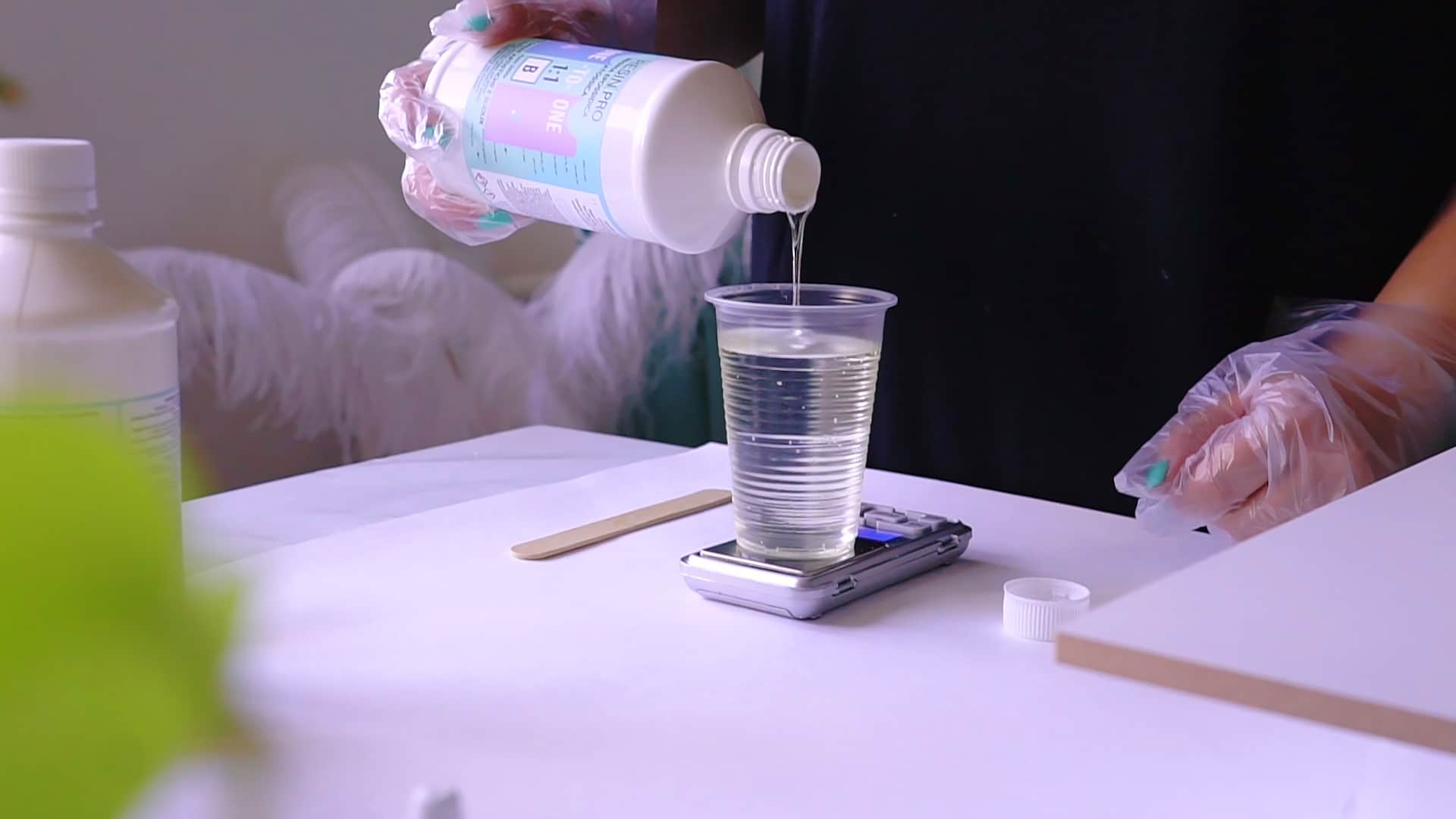
If your cast remains sticky or soft, solutions depend on how bad the problem is. For surface tackiness, you may be able to remove the sticky layer with isopropyl alcohol once the rest is solid. If the entire piece is soft, you might need to re-cast with a new batch, ensuring every step is measured and mixed properly.
Always use accurate measuring tools, such as the 2L Graduated Measuring Cup for Resin, and follow manufacturer’s guidelines for ratios and mixing times. For sensitive art or jewellery work, consider an easy-to-use system like the “One-2-One” epoxy resin, with a simple 1:1 by volume ratio.
When Attention to Detail Matters
Sticky or soft results are most common for beginners or in complex pours. Maintaining precise ratios and consistent mixing helps ensure a firm, glossy finish—especially in jewellery, art, and clear casting projects where clarity and durability are crucial.
Related products
Related guides
Following these steps should help you solve most issues with uncured resin. For more on getting the best from your products, visit our main How to Use Two-Component Resin guide.