 Free shipping on orders over £29,85
  Shipping Tracking!


 Google
 Facebook
How to make a resin pipe?
Step-by-step guide for casting, curing, and finishing
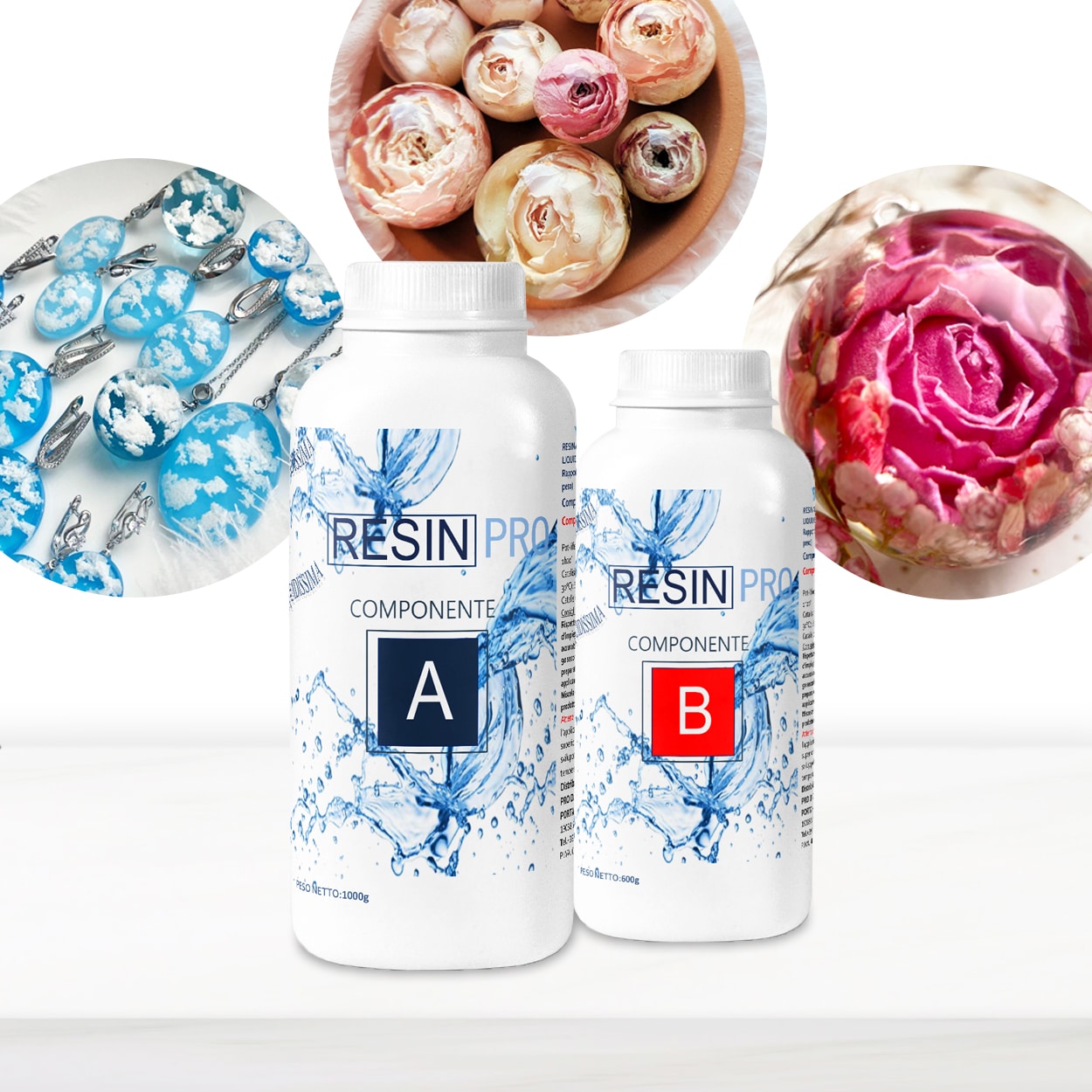

Creating a resin pipe allows you to combine functional craftsmanship with artistic flair. This guide explores each stage of pipe making, covering key techniques to ensure clarity, safety, and great results. Whether you’re aiming for a clear, artistic pipe or a solid-coloured statement piece, the following steps will help you achieve a durable resin pipe.
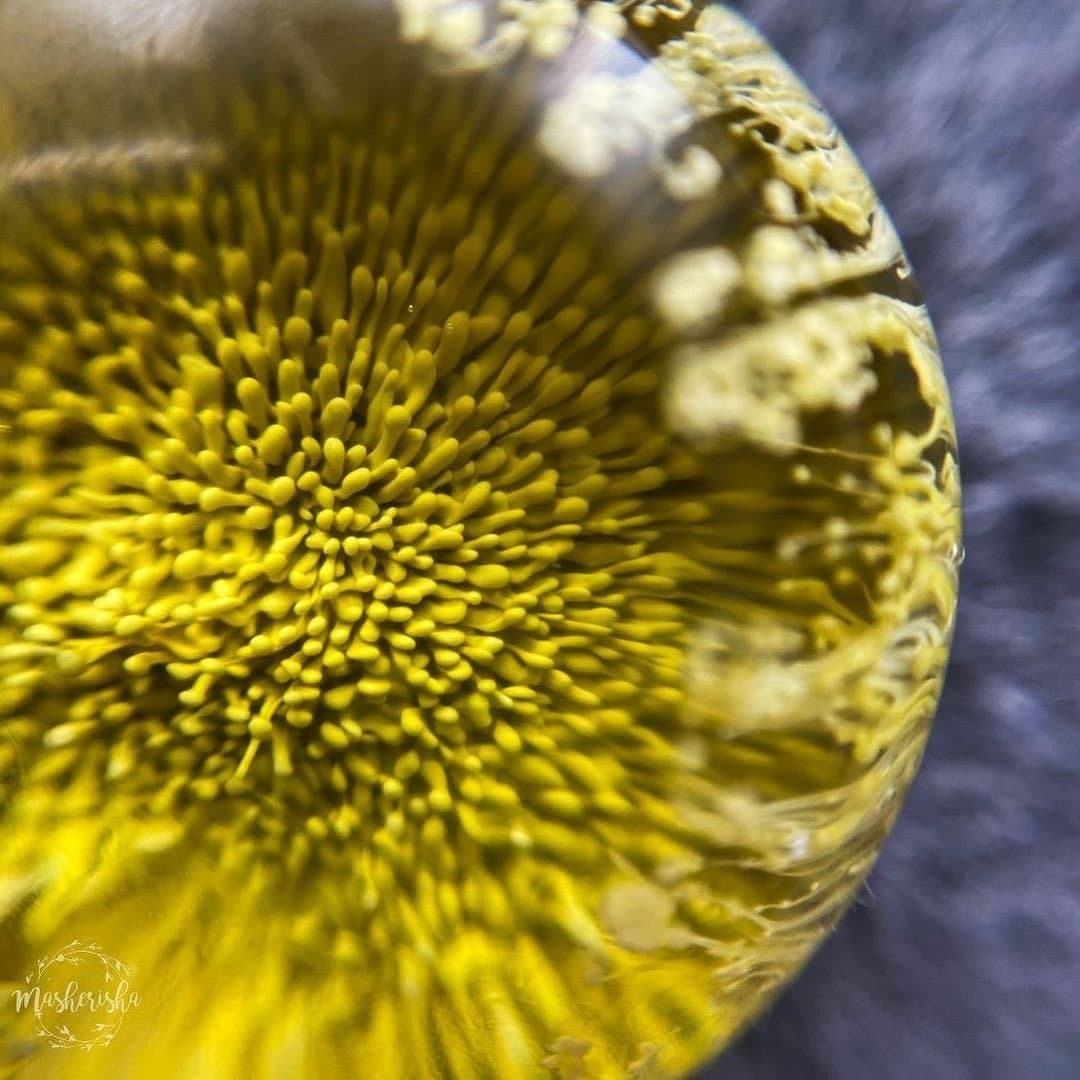
What You’ll Need
- “Liquidissima” – Epoxy Resin For Creations & Jewellery – A low viscosity, transparent resin suitable for intricate moulds.
- “EpoxyTable 5-Five” – Deep Pour Epoxy Resin for Tables and Large Projects – Up to 5cm – Designed for thick castings if your pipe requires depth.
- “Epoxytable 10-Ten” – Deep Pour Epoxy Resin for Tables, Up to 10cm Casting – For very thick pipes or larger-scale creations.
- Silicone pipe mould (custom or pre-made)
- Mixing sticks and disposable containers
- Protective gloves and mask
- Sandpaper (various grits)
- Polishing kit (optional, for a glossy finish)
- Pigments or dyes (optional for colour customisation)

Close-up Materials and Resin Pouring
See how epoxy resins flow and cure in silicone moulds, revealing the clarity and detail achievable with the right formulation. Notice the use of gloves, mixing sticks, and precision when combining components and tinting resin.
Proper preparation and safe handling ensure consistent, professional outcomes.
Step 1: Prepare Your Workspace and Mould
Begin by selecting a well-ventilated area free from dust or debris. Ensure the silicone mould is clean and dry. If you are making your own mould, double-check the shape and smoothness, as imperfections will transfer to the pipe. Always wear gloves and a mask when working with resin for personal safety and to avoid contamination.
Place the mould on a level surface. Ensuring stability at this stage helps avoid leaks or misshaping during pouring and curing. Protective coverings for your workspace are recommended to simplify clean-up.


Step 2: Mix and Tint the Epoxy Resin
Measure out the desired amount of resin and corresponding hardener based on your pipe mould’s volume. Mix resin and hardener thoroughly, following the product’s specific instructions for timing and proportions. Incomplete mixing may lead to soft spots or inadequate curing.
If you wish to add colour, now is the stage to incorporate pigments or dyes. “Liquidissima” – Epoxy Resin For Creations & Jewellery is ideal for achieving crystal-clear or coloured pipes due to its excellent flow and minimal bubble formation. Stir gently to minimise air entrapment.
Step 3: Pour the Resin into the Mould
Slowly pour the mixed resin into the silicone pipe mould, aiming to do so in a single steady pour to prevent lines or bubbles. For pipes requiring a greater wall thickness or deep pours, opt for “EpoxyTable 5-Five” (up to 5cm) or “Epoxytable 10-Ten” (up to 10cm) for proper depth without overheating.
Ensure your mould is level and properly secured. If bubbles rise to the surface, a quick pass with a heat gun or torch (held at a safe distance) can help them release. Cover your pour to keep dust out and let the resin set fully per the recommended curing time.


Step 4: Demould and Finish the Pipe
Demould only when the pipe is fully cured. For intricate designs, work gently to avoid damage. Inspect for sharp edges or minor surface defects. Start with a rough sandpaper to gently remove imperfections, progressing to finer grits for smoothness. If required, polish the pipe using a dedicated polishing kit for a high-gloss finish.
Clean the finished piece with a soft cloth. For pipes intended as display items or artistic pieces, you may wish to coat the surface with a final thin layer of resin for enhanced shine and durability.
Tips and Common Mistakes
Pour resin in a stable environment with controlled temperatures to avoid cloudiness or curing issues. Plan the amount of resin you need; excess can lead to waste, while too little may result in voids.
Common mistakes include rushing the mixing process, neglecting safety gear, or demoulding too early. Select a resin suited to your desired pipe thickness and design complexity for the best result.
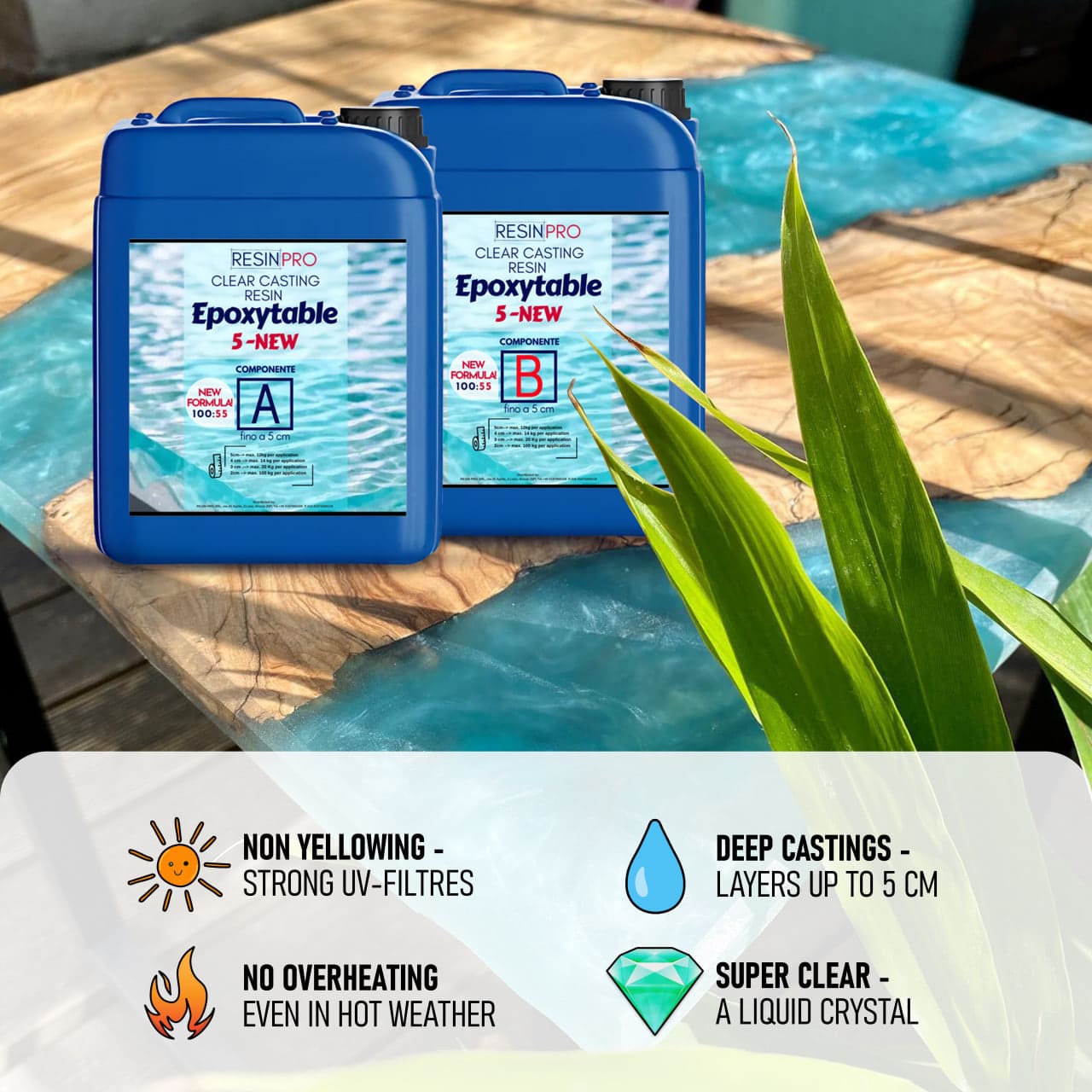
Curing and Sanding Finishes
Observe resin pipes as they are demoulded, sanded, and polished to a high-gloss finish. Each stage contributes to the final appearance and tactile quality of the piece.
Attention to finishing techniques transforms a simple casting into a work of art.
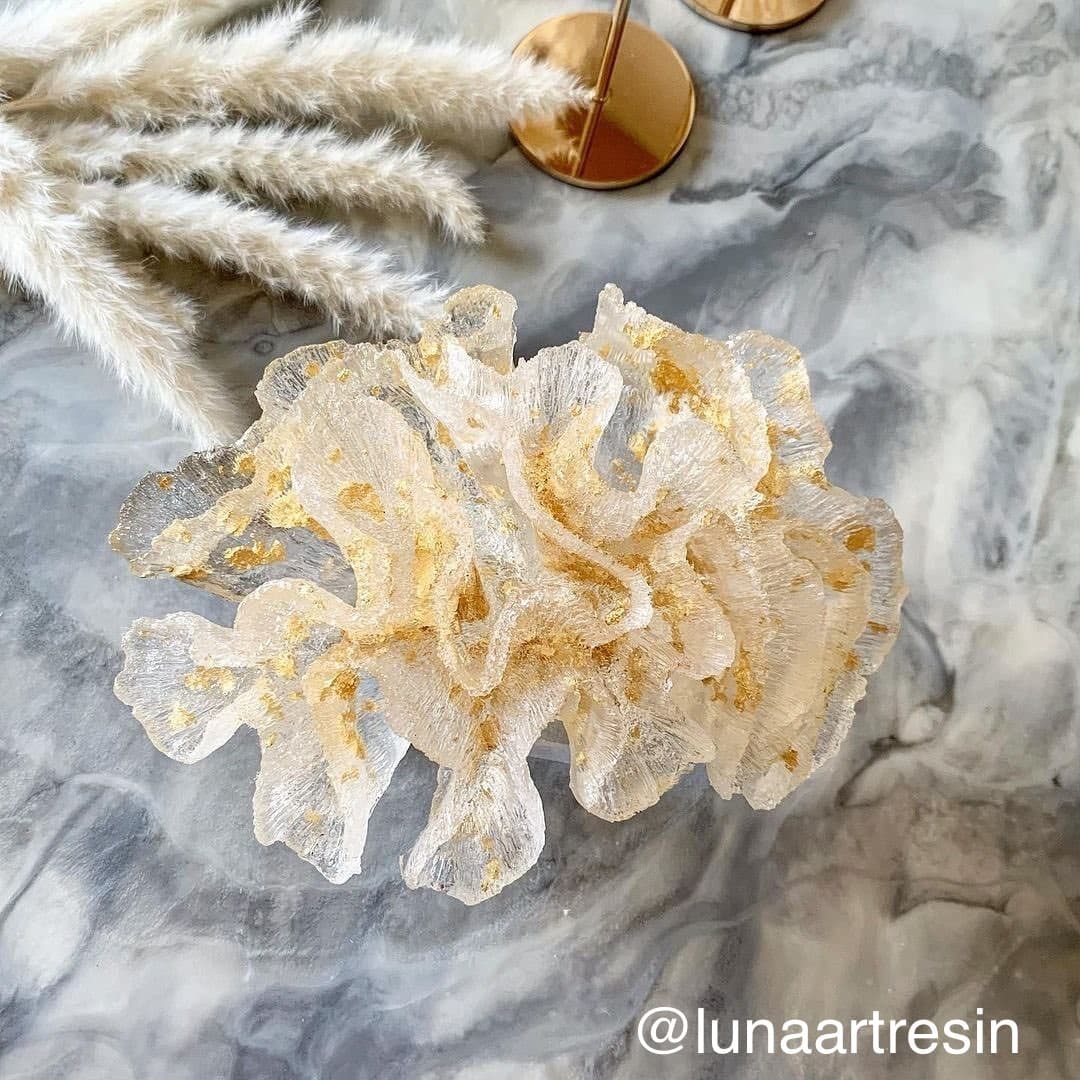
- "Liquidissima" – Epoxy Resin For Creations & JewelleryPrice range: £12.85 through £31.85"Liquidissima" is a clear epoxy resin designed for artists and creators, suited to intricate moulds with a self-levelling finish.
- "EpoxyTable 5-Five" – Deep Pour Epoxy Resin for Tables and Large Projects – Up to 5cmPrice range: £17.95 through £1,154.95"EpoxyTable 5-Five" is designed for deep casting up to 5cm, suitable for tables and large projects.
 “Epoxytable 10-Ten” – Deep Pour Epoxy Resin for Tables, Up to 10cm CastingPrice range: £35.95 through £351.95“Epoxytable 10-Ten” is designed for deep pour casting up to 10cm, suitable for tables and artistic projects under the theme How to make a resin pipe?
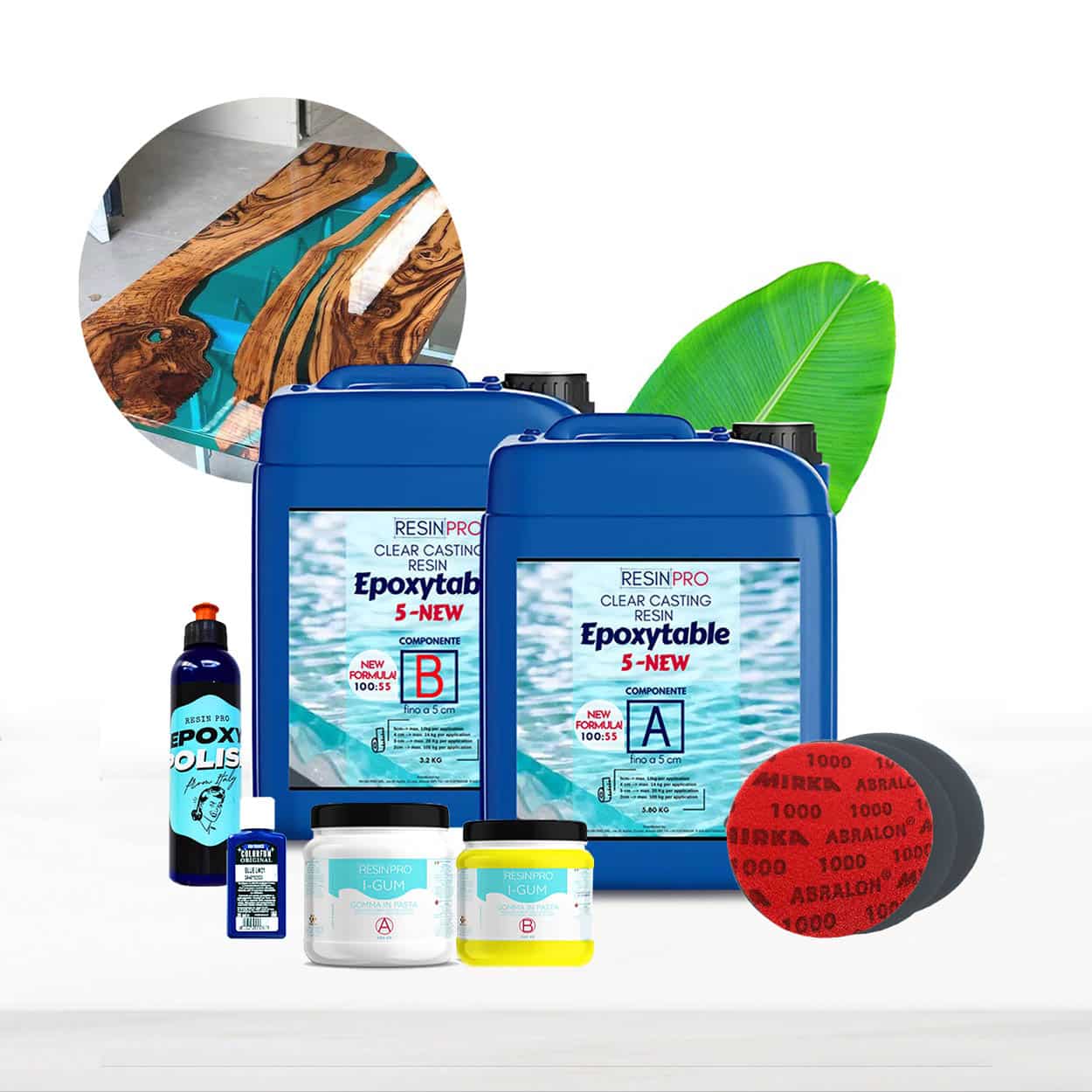 "River-Table" – Complete Kit for Creating Your First Epoxy Resin TablePrice range: £198.45 through £467.45Complete starter kit for making your first wood and resin table with detailed instructions and essential materials.
Frequently Asked Questions
Which epoxy resin should I use for making a resin pipe?
Choose a resin based on the thickness and clarity you want. "Liquidissima" is ideal for intricate, thin pipes, while "EpoxyTable 5-Five" and “Epoxytable 10-Ten” suit thicker, deeper moulds.
How do I prevent bubbles when making a resin pipe?
Stir resin and hardener gently, pour slowly, and use a heat gun to release surface bubbles promptly after pouring.
How long does it take for a resin pipe to cure before demoulding?
Resin pipes typically require 24–72 hours to fully cure, depending on the thickness and product. Always follow the manufacturer’s cure recommendations.
Is it possible to add colour to resin pipes?
Yes, add compatible pigments or dyes during the mixing stage to achieve your preferred shade or effects.
What’s the safest way to make a resin pipe at home?
Work in a ventilated space, wear gloves and a mask, and avoid skin contact. Dispose of leftover resin responsibly.
How do I get a glossy finish on my resin pipe?
After sanding with fine grits, use a polishing kit for high shine. Optionally apply a thin layer of clear resin as a final coat.