 Free shipping on orders over £29,85
  Shipping Tracking!


 Google
 Facebook
← Back to How to paint a boat with epoxy paint?
Careful surface preparation is essential for achieving a long-lasting, smooth epoxy paint finish on your boat. Skipping or rushing this step can result in poor adhesion and reduced durability.
Cleaning and Assessing the Boat Surface
Begin by giving your boat a thorough clean. Remove all traces of dirt, dust, salt, grease, and grime with a mild boat cleaner or degreaser. Existing coatings, especially ones that are peeling or flaking, should be fully stripped away. Pay attention to corners and seams where residue can accumulate. Once clean, inspect the surface for cracks, holes, or damaged areas—these should be repaired before proceeding.

Sanding and Drying for Optimal Adhesion
After cleaning, carefully sand the surface using suitable sandpaper (commonly 80–120 grit) to remove gloss and create a uniform, slightly rough texture. This helps the epoxy paint adhere well. Be sure to sand any filler or repair patches flush with the surrounding surface. Vacuum or wipe off all sanding dust, then allow the surface to dry completely. Even small areas of moisture can impair the bond of the epoxy.
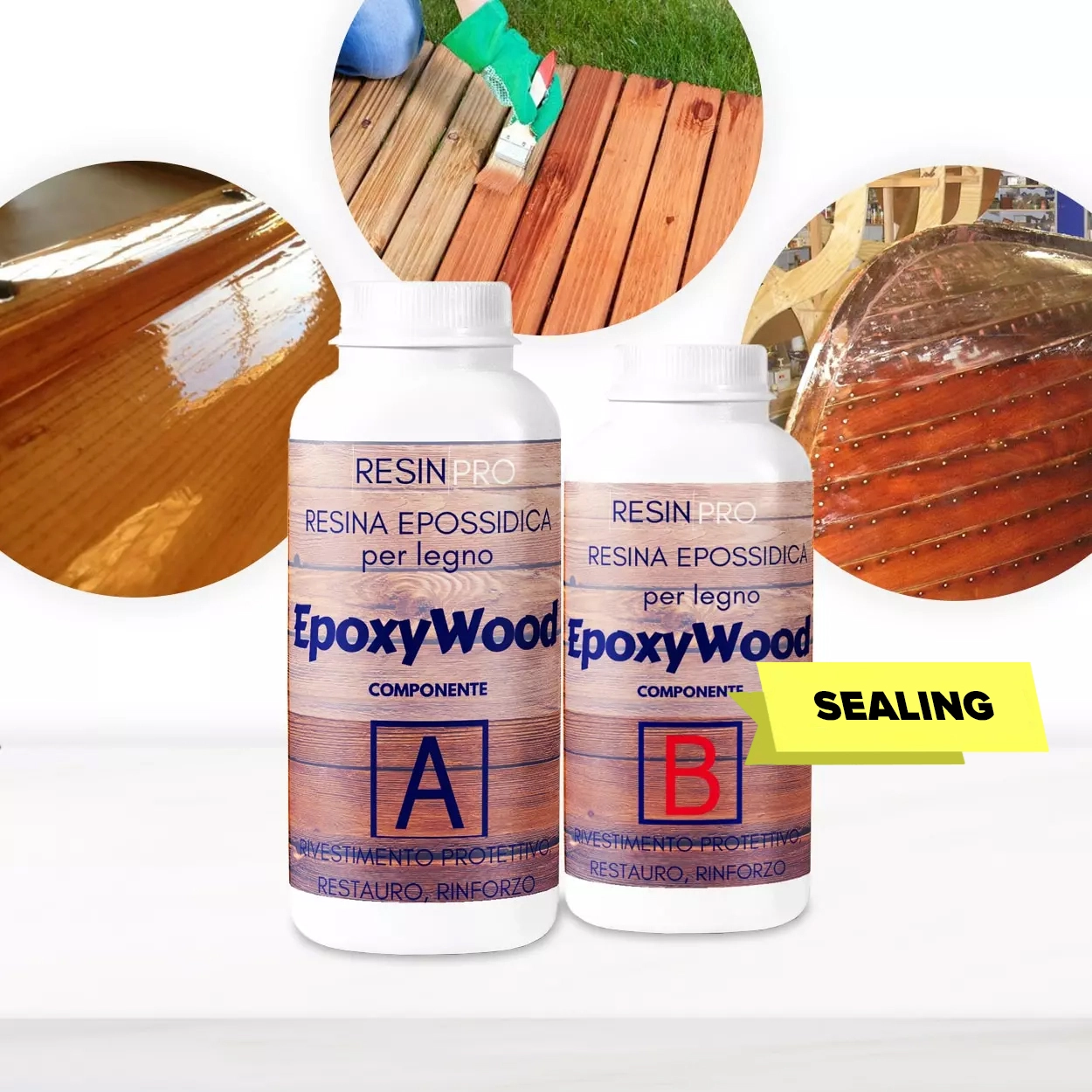
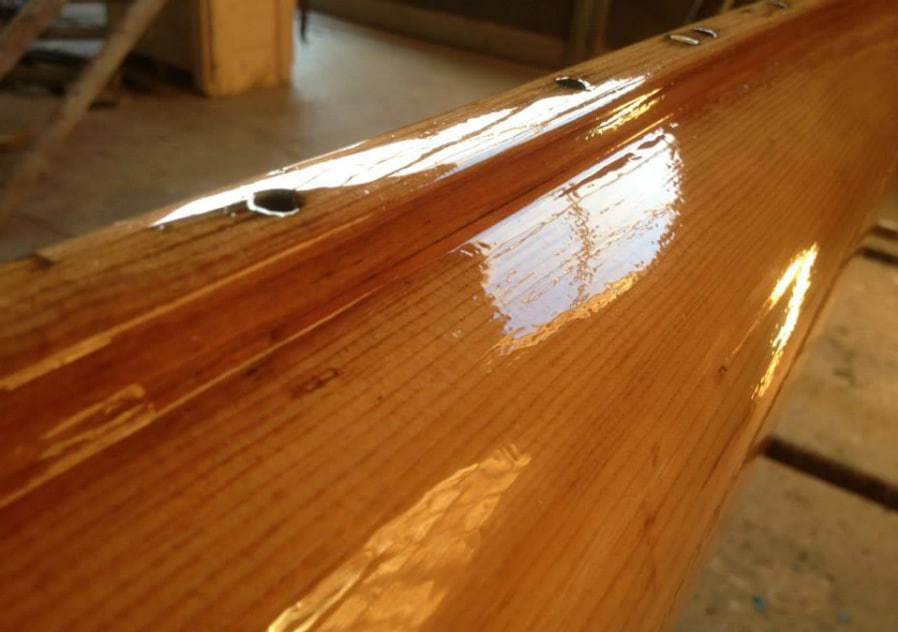
For wooden boats, consider treating bare wood with a product such as EpoxyWood – Wood Restoration Epoxy Resin to penetrate and waterproof before final painting. This prepares timber for further coatings and improves weather resistance.
Priming and Application Tools
Priming the prepared surface is often recommended, particularly on porous substrates like concrete, wood, or screed. A dedicated epoxy primer, such as Epoxyprimer, can enhance paint adhesion and seal the substrate. Apply the primer evenly according to product instructions and allow it to cure fully.
To achieve a uniform finish, use high-quality application tools. Short-pile or sponge rollers, like the Resin & Paint Application Rollers, can make epoxy application easier and help avoid streaks or missed patches.

When This Matters Most
- If your boat is exposed to harsh weather or saltwater, meticulous surface preparation is especially crucial to protect against premature paint failure.
- Wooden and older boats benefit from deeper cleaning and the use of specialist primers or wood sealers.
Related products
Related guides
By spending time on thorough surface preparation, you’ll set the stage for a strong, durable epoxy finish. Ready for more tips? Explore our complete guide on how to paint a boat with epoxy paint for further advice.