 Free shipping on orders over £29,85
  Shipping Tracking!


 Google
 Facebook
How to prepare a wood and resin table?
A step-by-step guide for beautiful resin and wood furniture
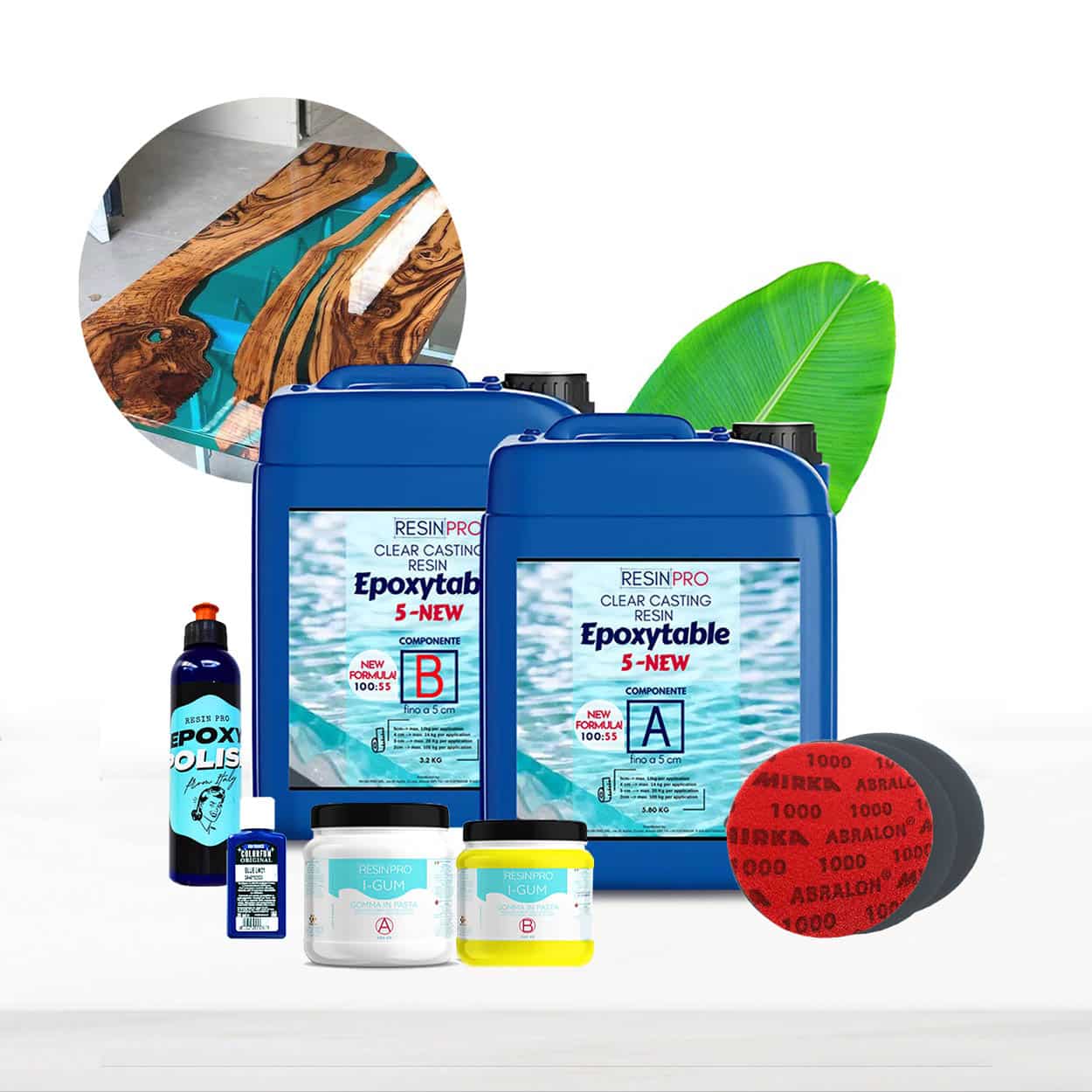
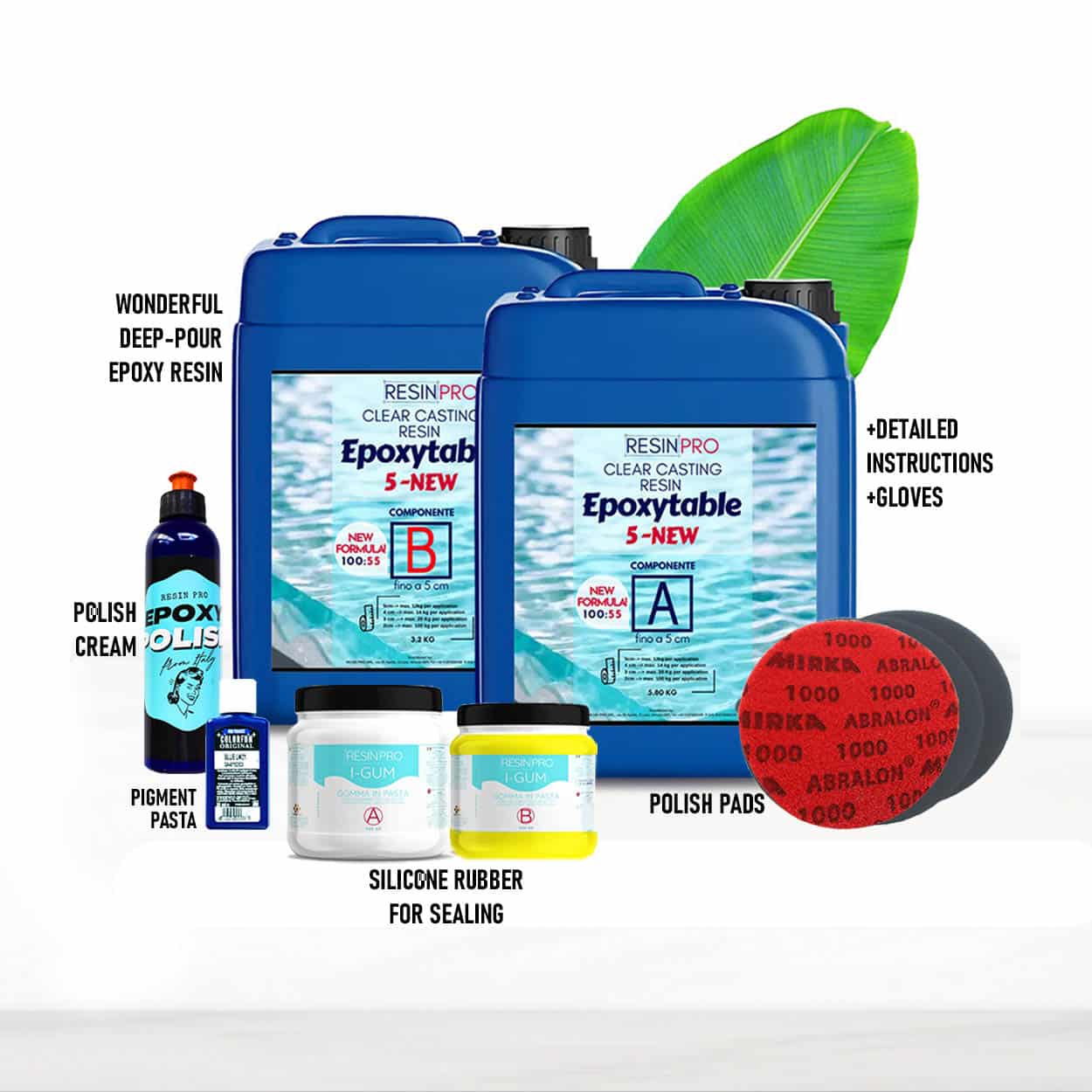
Creating a wood and resin table is a rewarding project, combining the organic beauty of wood with the clarity and creative potential of epoxy resin. This comprehensive guide walks you through the crucial preparation steps for a flawless, long-lasting table, whether you’re restoring old furniture or crafting a contemporary river table from scratch.
What You’ll Need
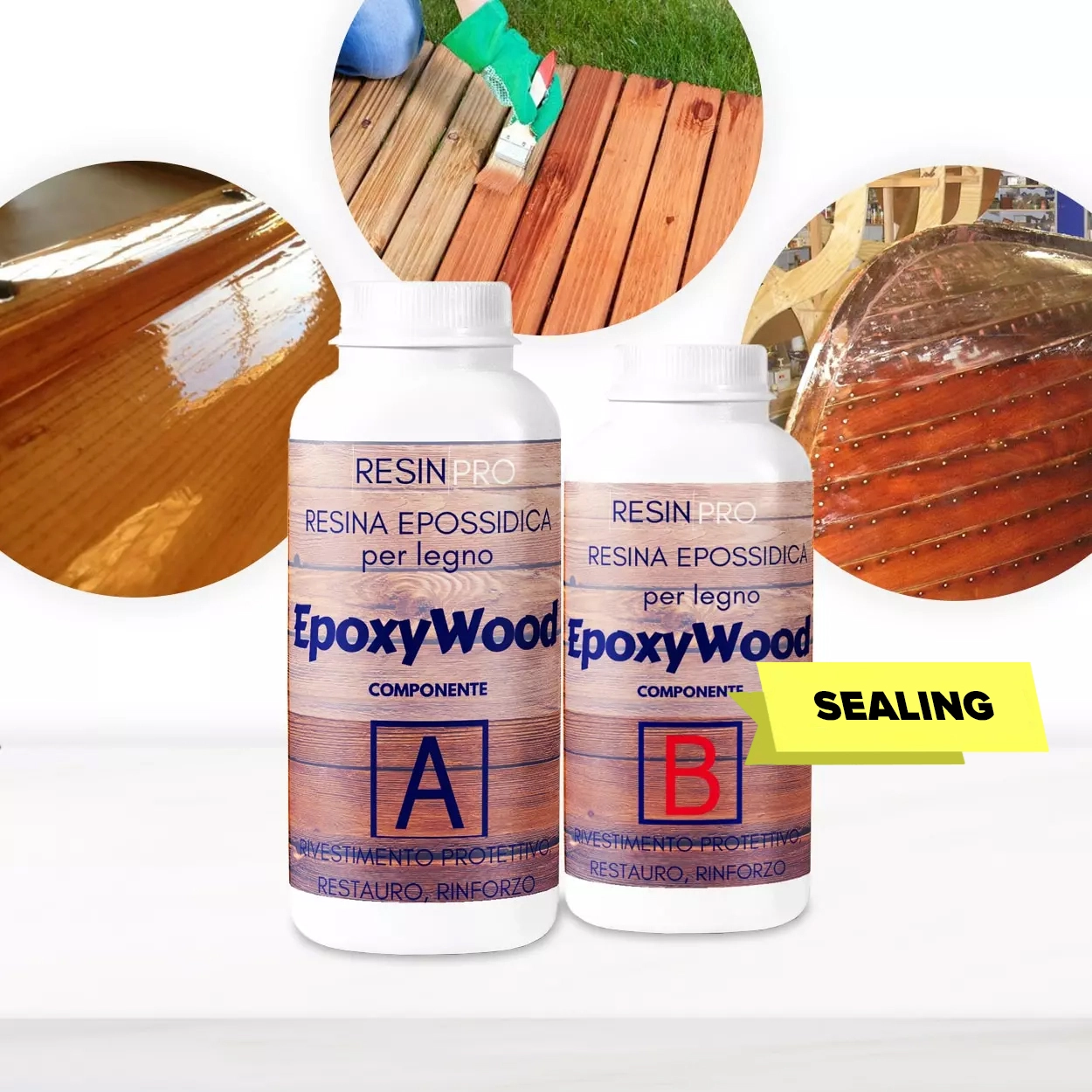
- “EpoxyWood” – Wood Restoration Epoxy Resin for Deep Penetration and Waterproofing: Ideal for deeply sealing and reinforcing the wood before casting.
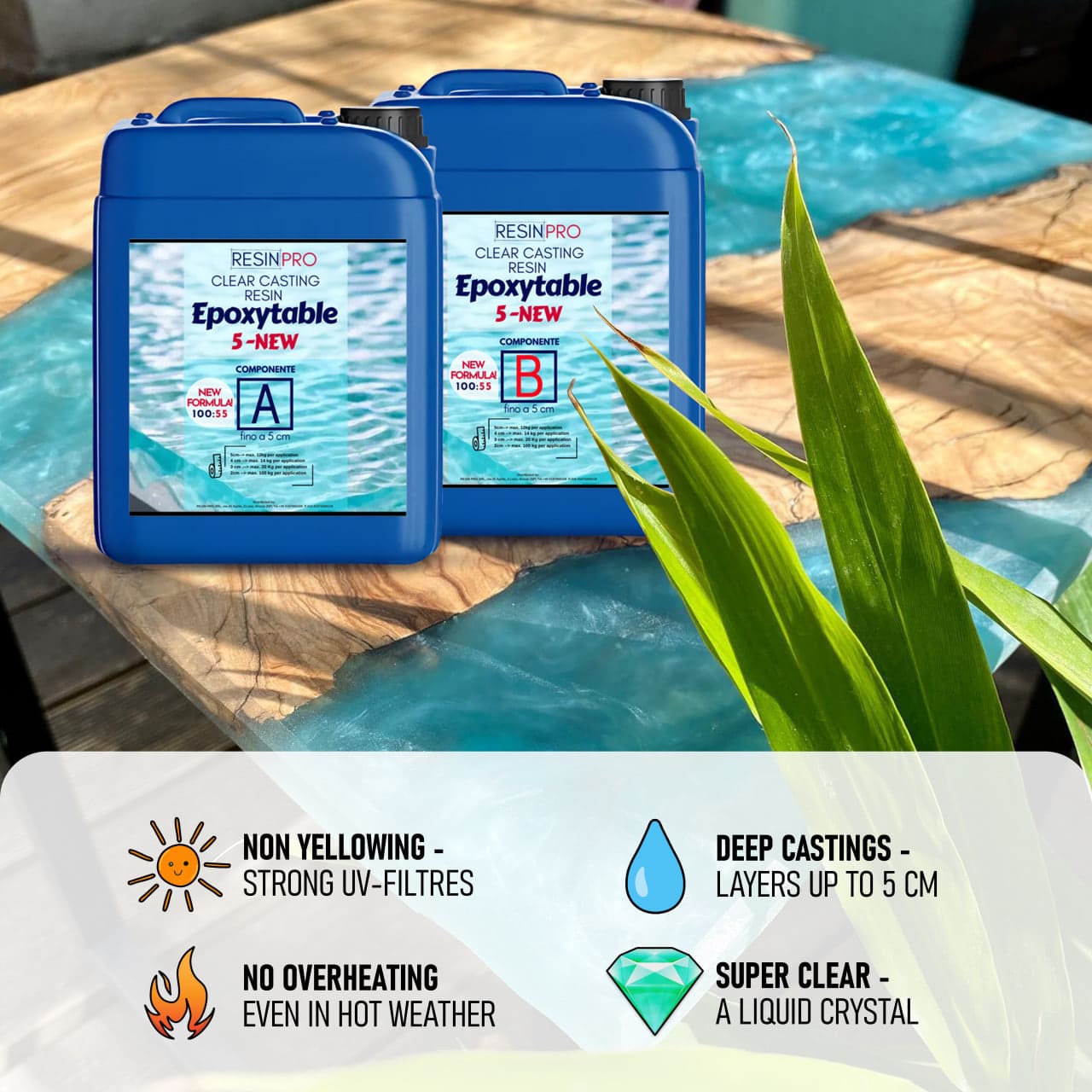
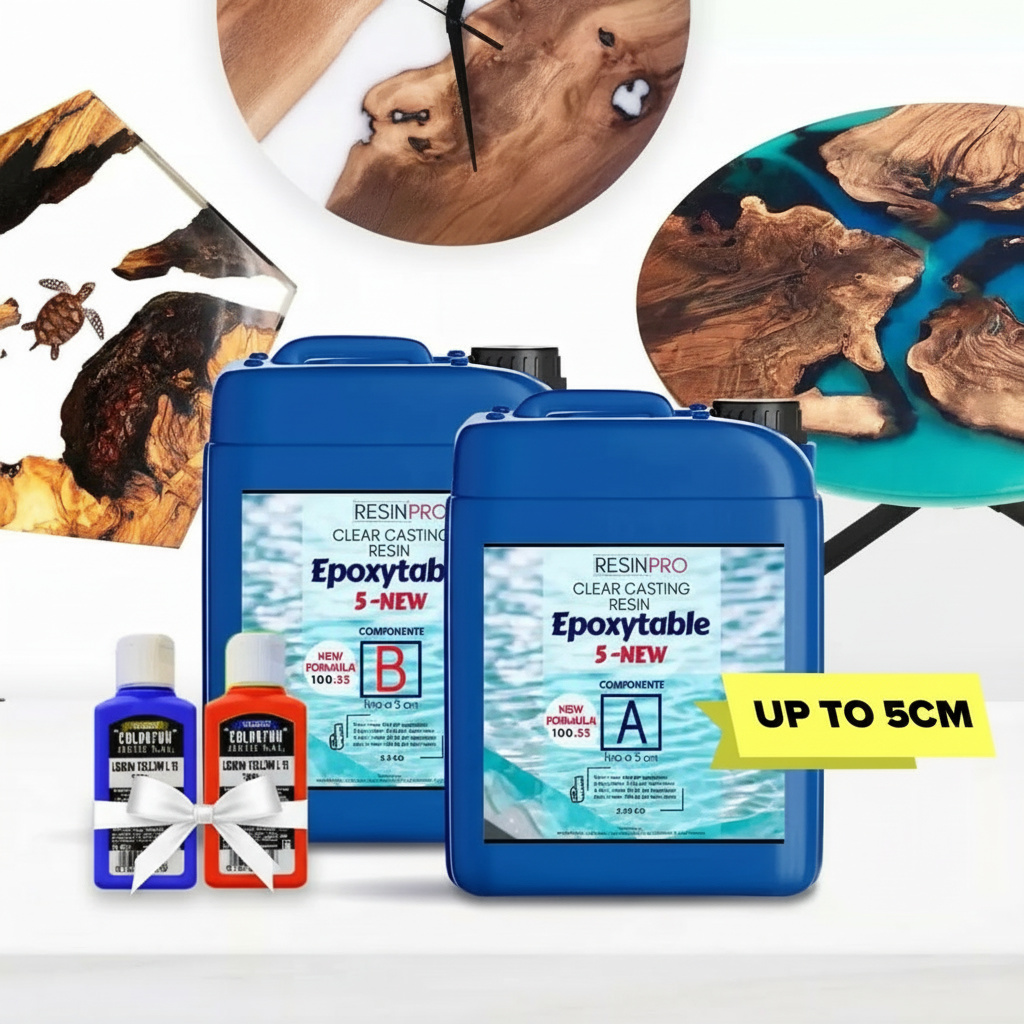
- “EpoxyTable 5-Five” – Deep Pour Epoxy Resin for Tables and Large Projects – Up to 5cm: Perfect for standard deep pours up to 5cm.
- “Epoxytable 10-Ten” – Deep Pour Epoxy Resin for Tables, Up to 10cm Casting: Choose this for extra-thick, large-casting tables.
- “River-Table” – Complete Kit for Creating Your First Epoxy Resin Table: Comprehensive set with materials and instructions for beginners.
- Mixing tools, safety gloves, spacers and formwork (as needed), sandpaper, spirit level, and release agents like tape or silicone.

Visualising the Perfect Resin Table Project
Get inspired by a variety of finished wood and resin tables—from striking river table designs to subtle enhancements using clear and coloured epoxy. Notice how proper preparation and product choice transforms raw wood into contemporary furniture centrepieces.
Step 1: Prepare and Seal the Wood
Begin by thoroughly sanding your wood to remove any surface contaminants, dirt, or old finishes. Use progressively finer grits to ensure a smooth surface, paying close attention to edges and cracks. Ensure all wood is completely dry; moisture within the wood can cause cloudiness, bubbles, or poor adhesion with the resin.
Seal the wood using a deep-penetrating sealer to safeguard it against moisture ingress and resin absorption. For optimal sealing and wood preservation, EpoxyWood – Wood Restoration Epoxy Resin for Deep Penetration and Waterproofing deeply reinforces and waterproofs the surface, providing a robust base for resin casting and enhancing the natural wood grain.

Step 2: Create the Formwork and Ensure a Flat Base
Your resin pour will need to be contained by formwork, typically made from MDF, melamine-coated boards, or sturdy plastic that has been lined with release tape or a silicone coat. Seal all joins with silicone to prevent resin leakage. Use a spirit level to guarantee a flat, even surface – the quality of your formwork directly impacts the finish.
Spacer blocks under live edges can help achieve a natural waterline effect, while tightly clamping and supporting the wood prevents floating during the pour. Double-check for gaps or loose seals before proceeding.
Step 3: Mix and Pour the Epoxy Resin
Carefully mix your chosen resin and hardener according to the manufacturer’s instructions, typically by weight. Select your product based on pour depth: for thickness up to 5cm, EpoxyTable 5-Five – Deep Pour Epoxy Resin is ideal; for projects requiring up to a 10cm pour, opt for Epoxytable 10-Ten – Deep Pour Epoxy Resin for Tables, Up to 10cm Casting. Pour in thin, even layers if you’re working beyond standard pour depths.
Pour resin slowly to prevent bubbles. Use a heat gun or torch on the surface to release any trapped air. Allow each layer to partially cure before pouring the next, as recommended by the resin product’s instructions.

Step 4: Finish, De-Mould and Polish
Once completely cured, remove the formwork gently. Sand the edges and surfaces with increasingly fine grit, cleaning away dust between passes. Polish using suitable creams and pads for a high-gloss or satin finish as preferred.
If you are new to resin tables, consider the all-in-one “River-Table” – Complete Kit for Creating Your First Epoxy Resin Table, which includes a polishing kit and clear instructions for achieving a professional result.
Tips, Mistakes to Avoid, and Safety
Work in a clean, dust-free environment with stable temperatures to ensure clear, flawless resin. Always wear gloves and work in a ventilated space. Don’t rush curing times; patience gives better clarity and strength.
Common mistakes include under-sealing the wood, rushing the pour, or mixing resin improperly. Pouring resin too thick in a single go can cause overheating or cloudiness. If unsure, test pours on a small sample first. Protect all surfaces and keep tools clean for best results.
Finishing Touches and Real-World Applications
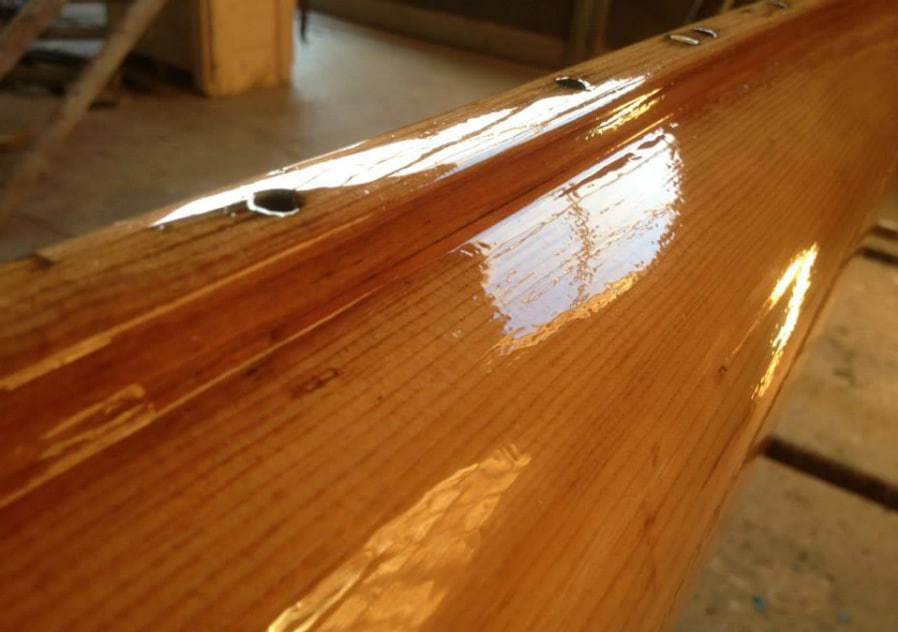
Examine professional finishing results and before-and-after shots. See how careful sealing, precise pours, and correct polishing create tables with stunning gloss or gentle satin effects. These visuals reinforce the importance of each preparation step for success.

- "River-Table" – Complete Kit for Creating Your First Epoxy Resin TablePrice range: £198.45 through £467.45"River-Table" kit includes epoxy resin, pigment, silicone sealant and polishing kit for wood and resin tables.
- "EpoxyTable 5-Five" – Deep Pour Epoxy Resin for Tables and Large Projects – Up to 5cmPrice range: £17.95 through £1,154.95EpoxyTable 5-Five is a deep pour epoxy resin designed for tables and large projects up to 5cm thickness, suitable for wood and resin applications.
- "EpoxyWood" – Wood Restoration Epoxy Resin for Deep Penetration and WaterproofingPrice range: £27.95 through £41.95"EpoxyWood" is a wood restoration epoxy resin designed for deep penetration and waterproofing, suitable for wooden surfaces in projects on how to…
 “Epoxytable 10-Ten” – Deep Pour Epoxy Resin for Tables, Up to 10cm CastingPrice range: £35.95 through £351.95“Epoxytable 10-Ten” is an epoxy resin designed for tables and deep pours up to 10cm, suitable for thick, clear resin casting projects.
Frequently Asked Questions
What is the best way to seal wood before a resin pour?
Apply a penetrating epoxy sealer to dry, sanded wood for maximum waterproofing and adhesion when working with resin.
How do I choose the right epoxy resin for table depth?
Choose a resin formulated for your desired pour thickness—up to 5cm for standard tables, up to 10cm for deeper river tables.
How can I avoid bubbles and surface defects in my wood and resin table?
Degas your resin, pour slowly, and use a torch or heat gun to remove surface bubbles as they form during the pour.
How long should I let the epoxy resin cure before de-moulding?
Follow your product’s guidelines—typically 24–72 hours depending on the formulation and thickness of the pour.
What is the best way to finish and polish a resin table?
Progress through finer grit sanding, then use a special resin polishing kit or cream for a clear, even finish.
Do I need a mould release or tape on my formwork?
Yes, use release tape or silicone-based agents to prevent the resin from bonding to your form when de-moulding.
What safety precautions should I follow when working with epoxy resin?
Wear gloves, eye protection, and work in a ventilated area. Follow all manufacturer safety guidelines for best results.