 Free shipping on orders over £29,85
  Shipping Tracking!


 Google
 Facebook
← Back to How to build a resin and wood table?
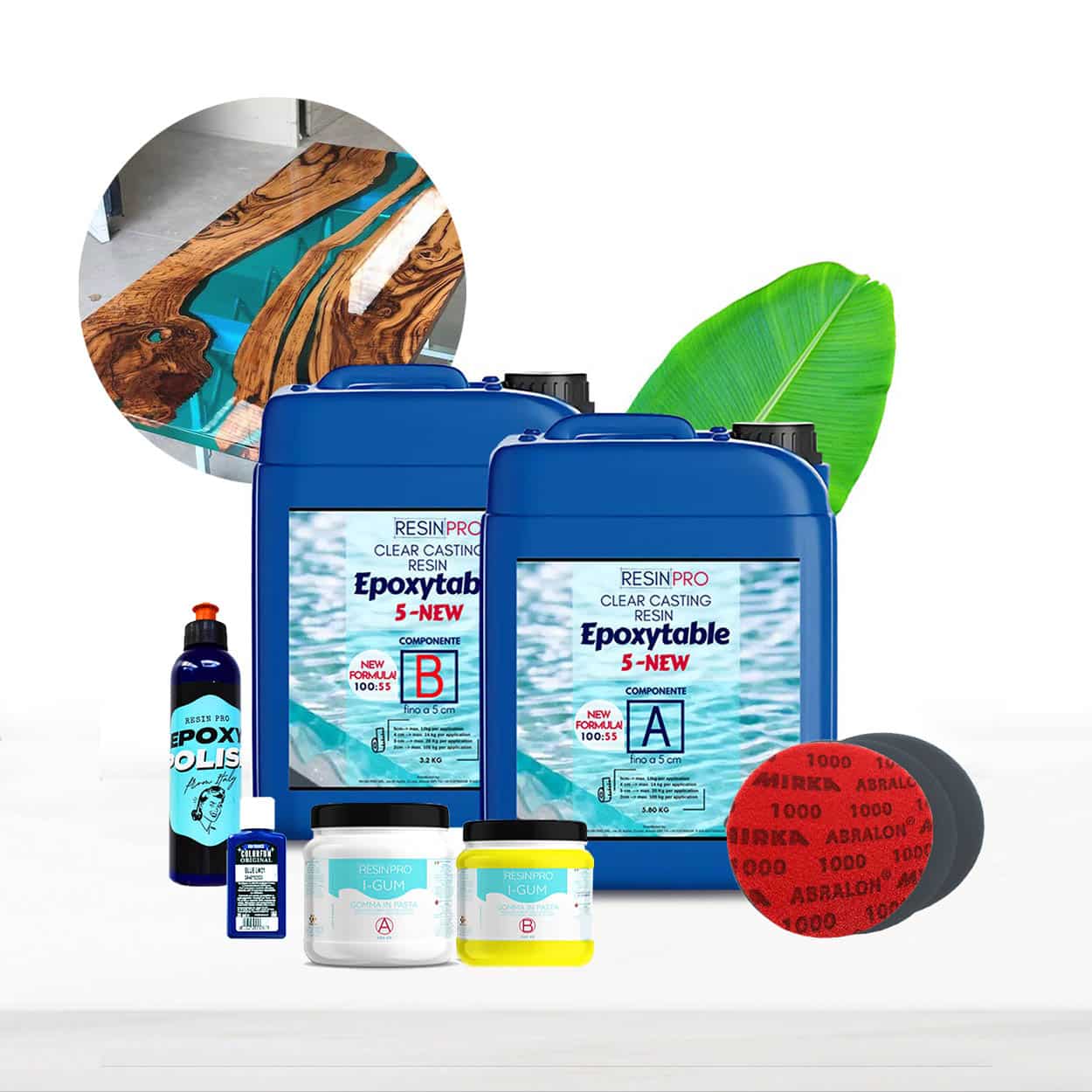
When crafting a resin and wood table, the mould you build is key to achieving a flawless result. One frequently asked question is whether using a release agent is essential for your formwork.
Why Use a Release Agent?
Applying a release agent, such as release tape or a dedicated non-stick layer, makes it significantly easier to separate the cured resin from the mould. Without it, the resin can bond tightly to the surface, potentially causing chips or breakage when you try to remove your finished table. A proper release layer protects both your mould and your project, giving you cleaner edges and reducing the risk of damage.
Choosing and Applying Release Products
- Release Tape: Specially designed tapes provide a smooth, non-stick barrier and are easy to apply to the base and sides of your formwork.
- Release Films: Transparent, adhesive films—such as the one included in the “River-Table” kit—offer excellent protection without leaving sticky residue.
- Silicone Paste: Some kits supply silicone sealant to prevent leaks and enhance demoulding.
Carefully line your mould before pouring resin, smoothing out any bubbles or creases in the tape or film for the best finish.
When This Really Matters
Using a release agent is especially vital for beginners or anyone working with a new mould design. If your table has complex shapes or tight corners, adequate release preparation is crucial to avoid costly mistakes and wasted materials.
Related products
Related guides
In summary, a release agent is a small investment that pays off with smoother results and hassle-free demoulding. For more comprehensive tips on formwork and all the essentials to start your project, explore our main guide to resin and wood table building.