 Free shipping on orders over £29,85
  Shipping Tracking!


 Google
 Facebook
How do you make floor resin?
A complete step-by-step guide for decorative and robust floors
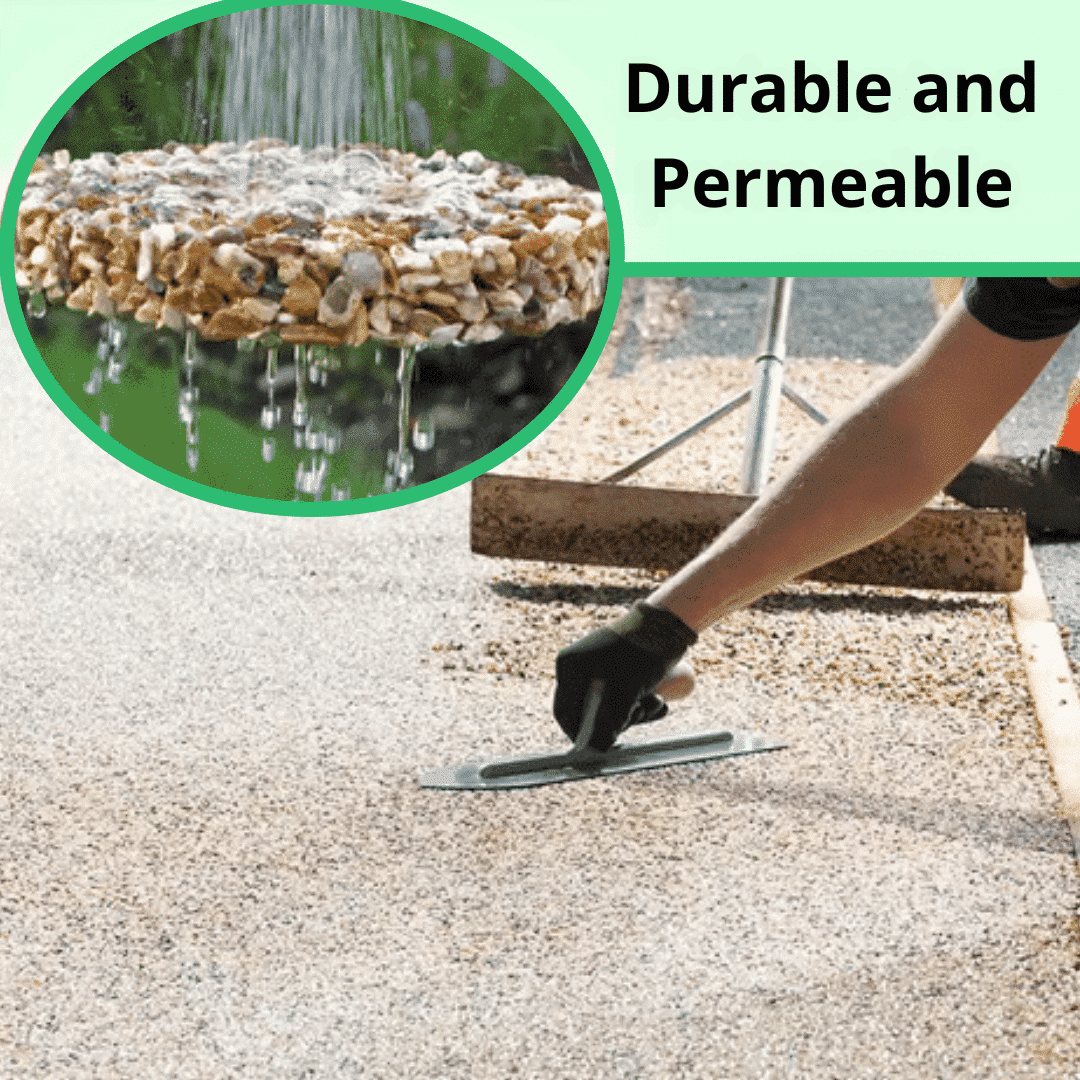
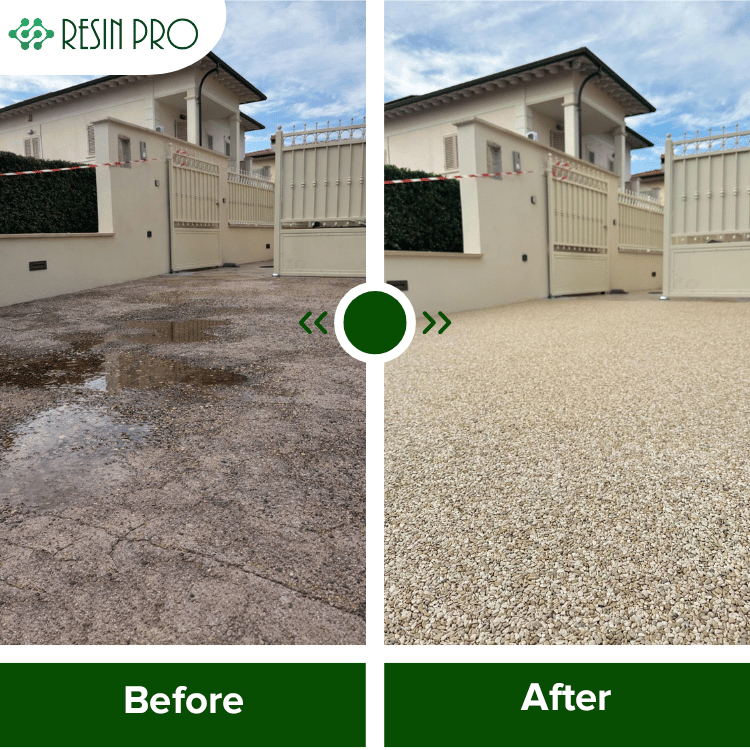
Creating a durable resin floor can completely transform an interior or outdoor surface, offering superior strength, waterproofing, and aesthetic versatility. Whether you are hoping to achieve a decorative pebble look, a seamless finish for a driveway, or robust protection for concrete, understanding each step is essential for professional results. This guide explains the key stages of making floor resin, highlights typical challenges, and provides actionable advice for both DIY and trade users.
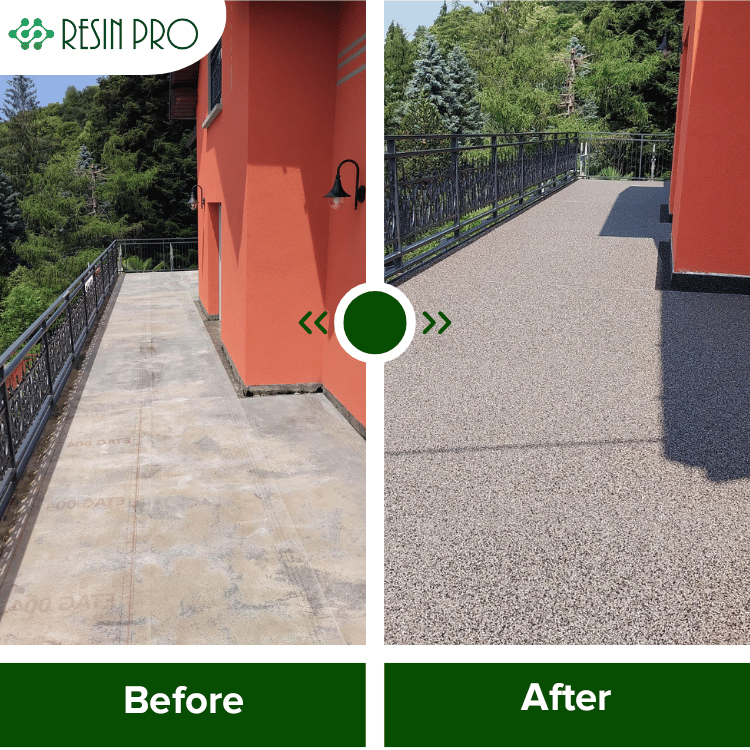
What You’ll Need
- “Flowstone” – Complete Permeable Floor Kit with Pebbles and Resin — A full kit for draining, permeable pebble floors outdoors.
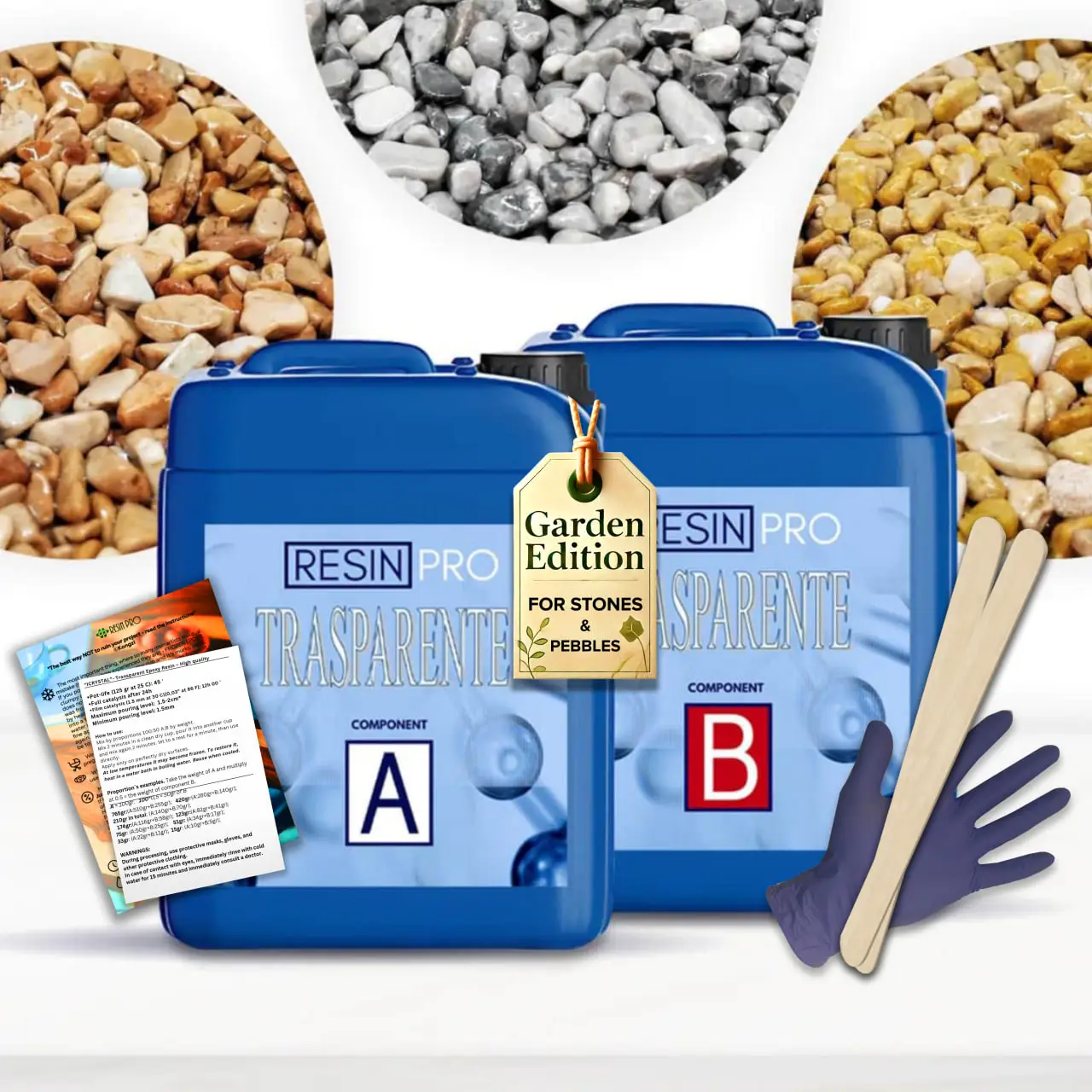
- “Trasparente” – Epoxy Binder for Coloured Pebbles and Grits — Clear, UV-resistant epoxy binder for coloured aggregates.
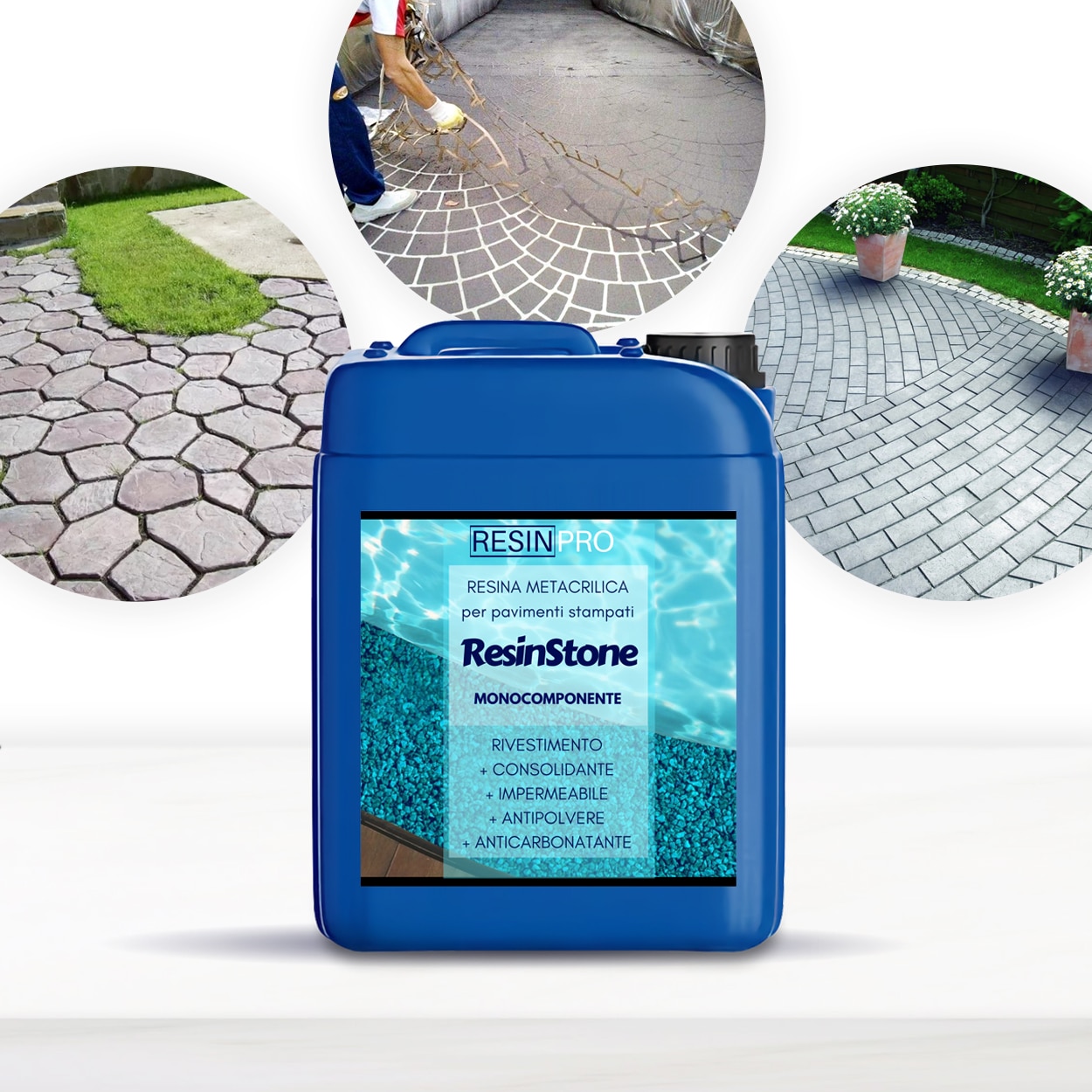
- “Resinstone” – One-Component Methacrylic Resin for Concrete Floors and Driveways — Single-component resin for sealing and protecting concrete.
- “Prolux” – PU coating for tiles, concrete, plastic and metal – suitable for driveable surfaces — Two-component polyurethane finish suited for various substrates.
- Protective equipment: gloves, goggles, mask
- Mixing buckets, paddle or mechanical stirrer
- Application tools: trowel, roller, or squeegee
- Accurate scale for weighing resin and hardener
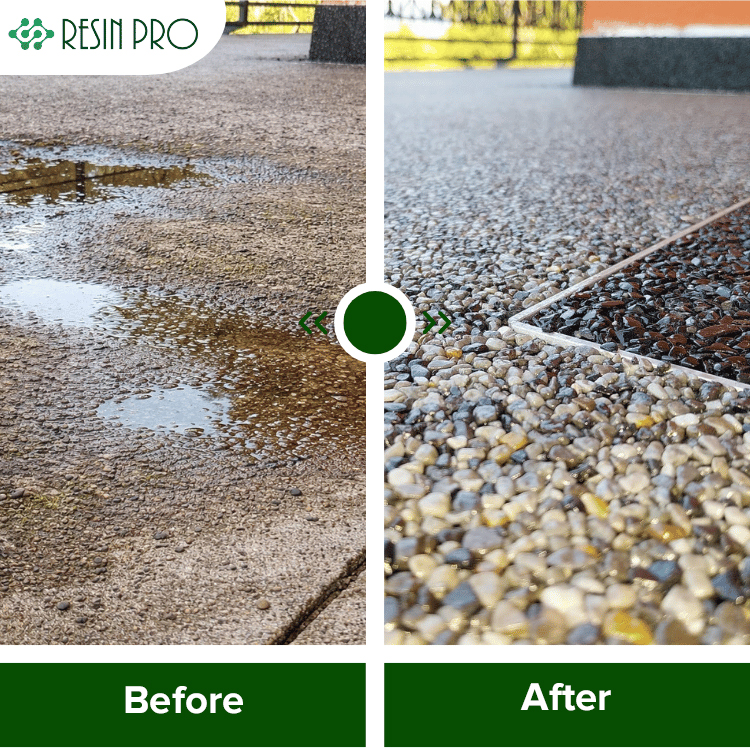
Mixing and Substrate Preparation
Thorough mixing and a perfectly prepared base are vital for any floor resin project. Never skip cleaning, repair, or accurate measuring—the finish and durability of your resin floor depend on these first steps.
Step 1: Prepare the Surface Carefully
Proper preparation is crucial for any resin flooring system. Start by ensuring the substrate is stable, free from dust, grease, existing paint, and other contaminants. Concrete bases might need light sanding or vacuuming; tiled surfaces should be degreased and lightly abraded for better adhesion. Fix any cracks or uneven areas using a suitable filler. The substrate must be clean, dry, and well-prepared. Poor preparation is a leading cause of delamination later on.

Step 2: Mix the Resin and Additives Precisely
Read the manufacturer’s instructions for the correct resin system. Floor resins are typically multi-component products, such as epoxies or polyurethanes, requiring an exact mix ratio of resin to hardener. For decorative pebble floors, measure the aggregate and resin binder by weight. Use a scale for precision, and mix thoroughly with a paddle for at least two minutes, scraping the sides of the container to ensure uniformity. Carefully follow the resin’s specified mixing ratio. Incomplete mixing causes weak spots and visual defects.
If you are binding pebbles or coloured stones, a product like “Trasparente” – Epoxy Binder for Coloured Pebbles and Grits offers transparency and UV stability, ideal for vibrant finishes.
Step 3: Application of the Resin System
Once the resin and any aggregates are fully mixed, spread the mixture evenly onto the prepared substrate. For seamless resin floors, use a trowel or squeegee to achieve a consistent thickness. For decorative pebble or permeable systems, the mixture can be poured and then compacted to ensure all gaps are filled. Apply the resin mixture evenly in layers. Avoid overworking as this can introduce bubbles or unevenness. Tools should be cleaned promptly as resin hardens quickly.
Those looking for a ready-to-use permeable system may consider the “Flowstone” – Complete Permeable Floor Kit with Pebbles and Resin, which includes detailed instructions for both the mixing and laying process.


Step 4: Curing and Final Finishing
After application, floor resins require a proper curing period. Prevent any traffic, dust, or moisture from contacting the area during this phase. Cure time depends on temperature and humidity. Most systems become walkable within 10–24 hours, but full hardness and chemical resistance may take longer. For textured finishes or added durability, specialised coatings such as “Prolux” – PU coating for tiles, concrete, plastic and metal – suitable for driveable surfaces may be applied once the base layer has set fully.
Safety Advice During Resin Application
Working with resin involves potent chemicals. Always wear gloves, goggles, and protective clothing. Ensure the area is well-ventilated, and avoid skin contact. Follow the specific product guidelines regarding pot life and working temperatures for best results.

Troubleshooting, Tips and Common Mistakes
Measure all components accurately; excess hardener will not cure the resin faster and may weaken the floor’s performance. Do not apply resin on damp or poorly prepared substrates, as moisture is a prime cause of failed adhesion. Avoid working when rain or high humidity is forecast, especially for outdoor jobs. If bubbles form, allow the mixture to sit for a short period or use a heat gun to disperse surface bubbles before the resin sets. Plan your work to avoid running out of mixed resin during a layer—interruptions can leave visible marks.
Finishing Touches and Application Results
Allow your resin floor ample time to cure before use. Using a quality topcoat boosts resistance to abrasion and environmental wear, ensuring years of service even in high-traffic or outdoor areas.
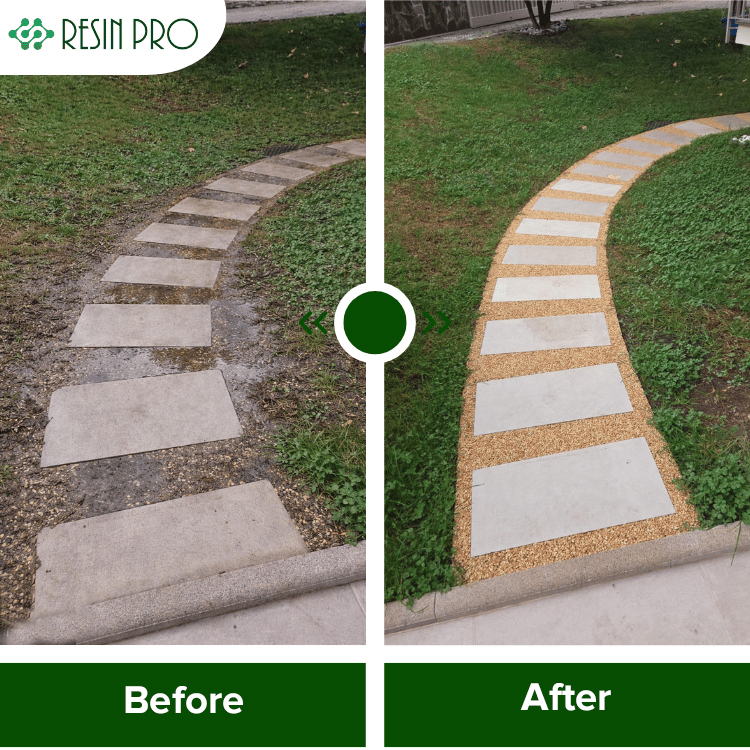
- "Flowstone" – Complete Permeable Floor Kit with Pebbles and ResinPrice range: £49.95 through £3,915.45"Flowstone" kit combines pebbles and resin for durable, permeable outdoor flooring with custom finishes suited to UK conditions.
- "Trasparente" – Epoxy Binder for Coloured Pebbles and GritsPrice range: £33.45 through £397.95"Trasparente" provides a clear, UV-stable epoxy resin designed for coloured pebbles and grits, suitable for floor resin projects.
- "Resinstone" – One-Component Methacrylic Resin for Concrete Floors and DrivewaysPrice range: £36.71 through £336.48"Resinstone" is a one-component methacrylic resin designed for sealing and protecting concrete floors, suitable for various domestic and contractor…
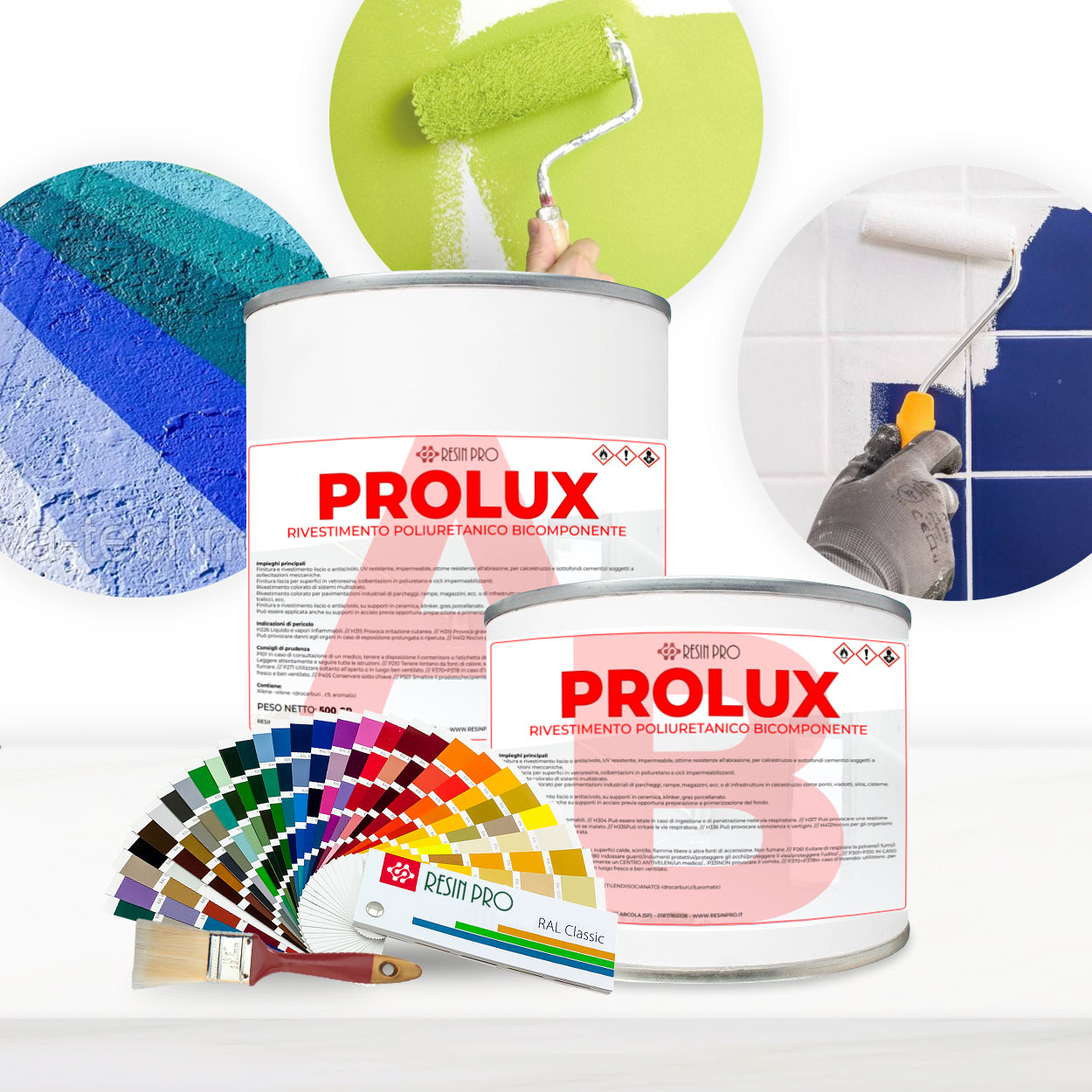 "Prolux" – PU coating for tiles, concrete, plastic and metal – suitable for driveable surfacesPrice range: £44.85 through £494.85"Prolux" offers a tough polyurethane finish suitable for floors and various surfaces, available in gloss or satin with high coverage.
Frequently Asked Questions
What is the best resin for pebble floors and outdoor use?
UV-resistant binders, such as clear epoxy or polyurethane, work best for pebble floors exposed to sunlight.
Can I apply a resin coat to a concrete driveway myself?
Yes, with careful preparation and following product instructions, DIY installation is possible for most resin flooring systems.
What are common mistakes when mixing resin floors?
Incorrect mixing ratios and poor preparation often result in curing or adhesion problems. Always measure and mix thoroughly.
Can resin floors be used in wet areas?
Yes, properly cured and sealed resin floors are waterproof, making them suitable for bathrooms, kitchens, or outdoors.
How long does it take for resin floors to cure?
Most resin floors are walkable in 10–24 hours, but full mechanical resistance may take several days depending on conditions.
How should I prepare concrete for resin application?
Clean, dry, and if necessary sand the surface. Remove oils, dust, and fill cracks beforehand for best results.
Can I make pebble floors in damp weather?
Resin application should be avoided during rain or high humidity, as moisture can affect curing and long-term durability.
What protective equipment is needed for resin floors?
Gloves, goggles, and suitable clothing should always be used. Work in ventilated areas and avoid direct skin contact.