 Free shipping on orders over £29,85
  Shipping Tracking!


 Google
 Facebook
← Back to How do you apply resin on marble?

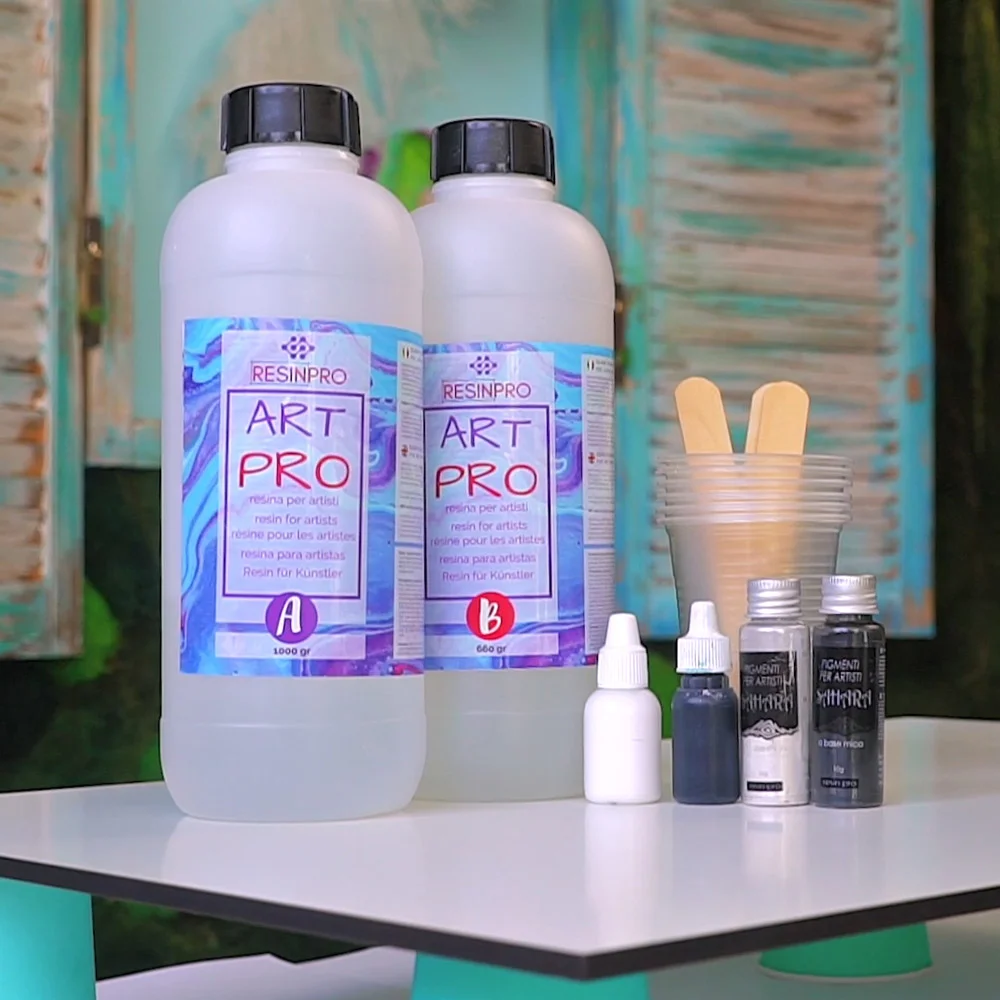
Applying multiple layers of resin to marble can truly elevate its appearance and longevity. For the best results, knowing whether you should sand between coats is crucial—especially if you’re aiming for a robust, flawless surface.
Why Sand Between Resin Layers?
Light sanding between cured resin layers is not just a matter of aesthetics—it supports proper adhesion between coats. Resin naturally cures to a glossy finish that may hinder subsequent layers from bonding securely. By gently abrading the surface, you create a subtle texture that helps new resin grip, reducing the risk of peeling or unevenness later.

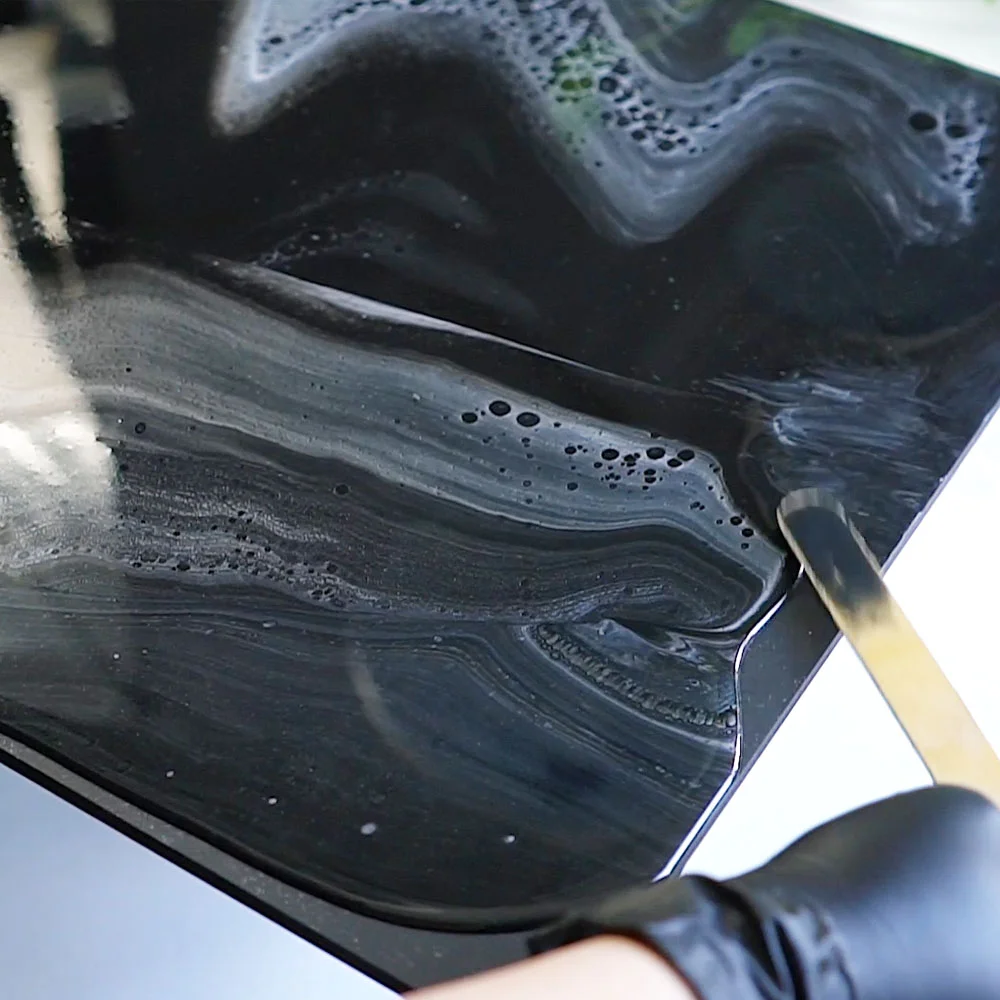
How to Sand Resin on Marble Safely
- Wait for Full Cure: Ensure each resin coat is completely cured as per the product’s instructions before sanding.
- Use Fine Sandpaper: Choose a grit between 320 and 600 for light abrasion that smooths without scratching.
- Sand Gently by Hand: Use light, even pressure. For intricate stone surfaces, a sanding block may provide more control.
- Clean Thoroughly: Remove all dust with a soft cloth and, if required, a splash of isopropyl alcohol prior to recoating.
For a straightforward project—such as using the “Stone Effect Collection” kit—sanding ensures you achieve that mirror-like marble effect without unwanted bumps or ridges.
When This Matters Most
Sanding between resin layers is especially important if:
- You’re applying more than one coat to rectify surface flaws or add depth.
- You have allowed longer-than-recommended gaps between coats.
- You notice blemishes or contaminants between layers.
Related products
Related guides
Sanding between resin coats on marble is a simple yet vital step for projects seeking a stunning, durable finish. For more guidance on working with marble and resin, explore our parent page on how to apply resin on marble.