 Free shipping on orders over £29,85
  Shipping Tracking!


 Google
 Facebook
How do you apply resin on marble?
Transform marble surfaces with a smooth, professional resin coating.
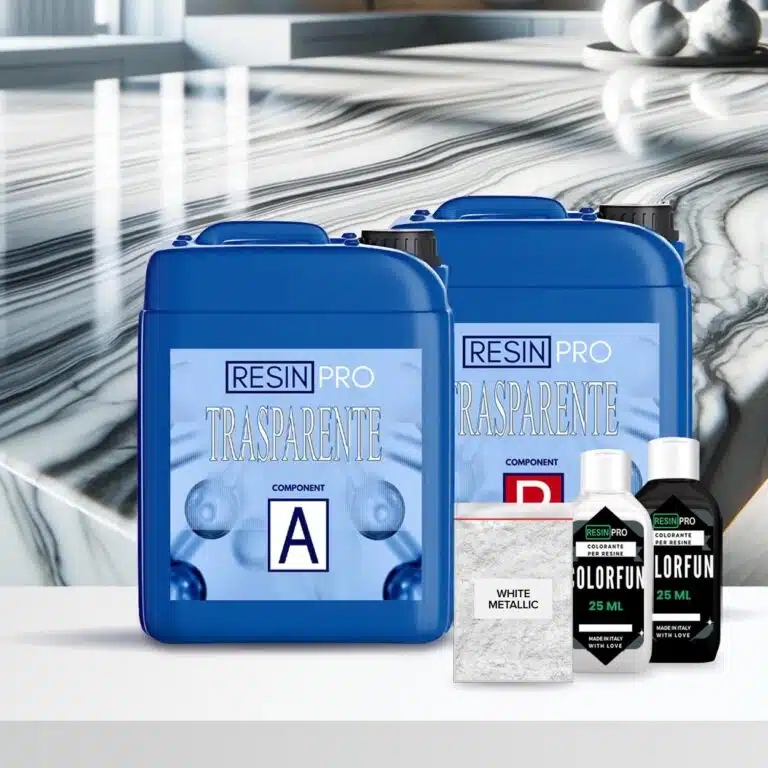
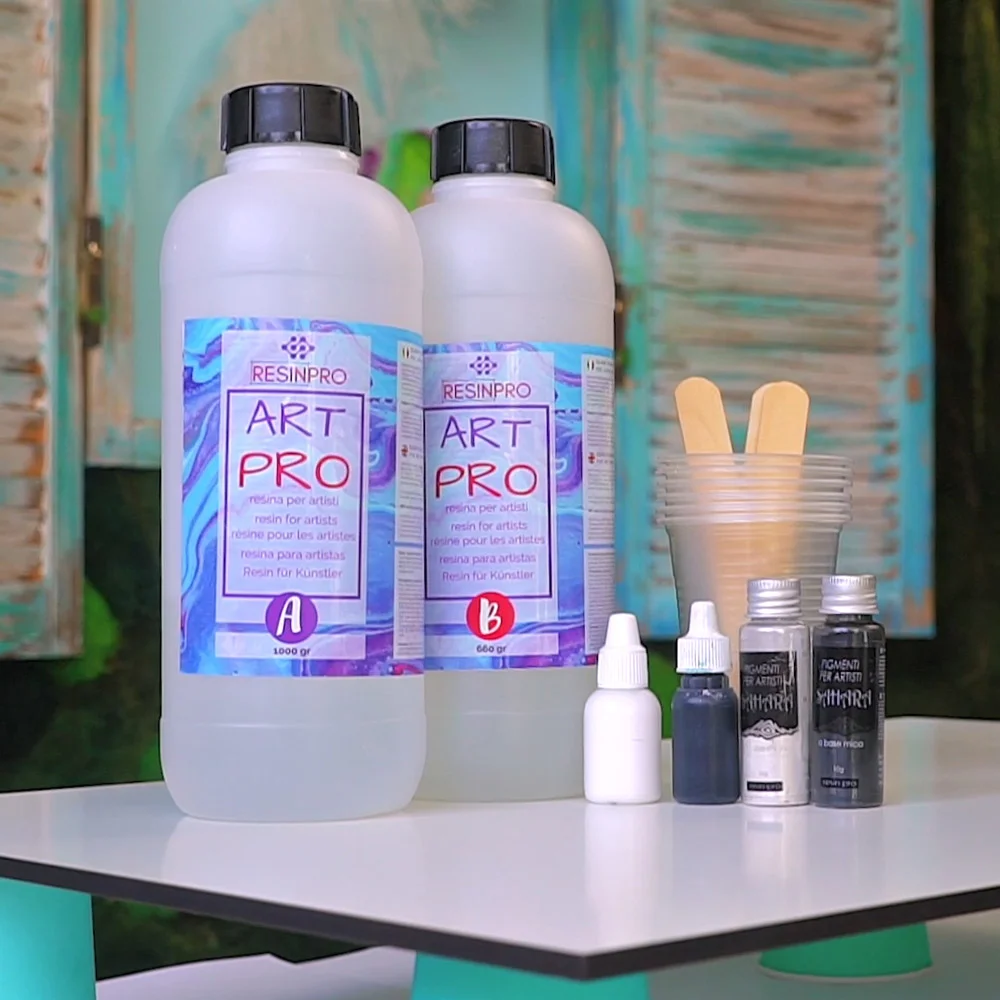
Resin coatings can reinvigorate marble surfaces—whether countertops, tables, or decorative pieces—by providing a lasting, high-gloss protective layer. Proper application not only enhances appearance but also preserves marble, making it more resistant to stains, scratches, and everyday wear. This guide walks you through each essential step for stunning, professional results even if you are new to resin work.
What You’ll Need
- “Stone Effect Collection” – Marble Epoxy Resin Countertop Kit – An all-in-one kit for realistic marble effects and protective finishes.
- “Epoxytable 10-Ten” – Deep Pour Epoxy Resin for Tables, Up to 10cm Casting – Suitable for larger and thicker marble surface projects.
- “EpoxyTable 5-Five” – Deep Pour Epoxy Resin for Tables and Large Projects – Up to 5cm – Best for multi-purpose marble table coatings with moderate depth.
- “Art Pro” – Clear Epoxy Resin for Artists and Surface Coating – Ideal for thin, ultra-clear top layers or artistic finishes.
- Protective gloves, dust mask, mixing sticks, measuring containers
- Isopropyl alcohol for surface cleaning and vein effects (often included in full kits)
- Fine grit sandpaper and lint-free cloths
- Painters’ tape and drop cloths for masking off areas

See Beautiful Resin-Marble Transformations
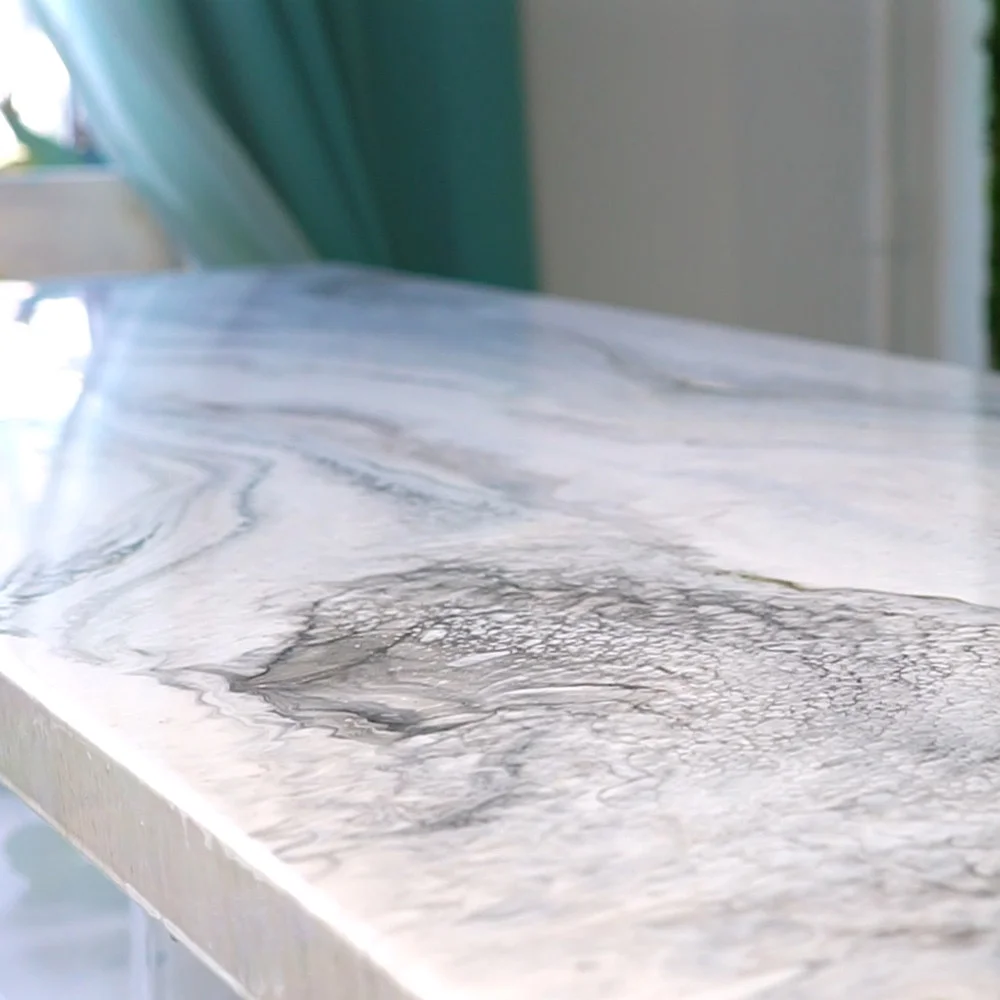
Get inspired by stunning before-and-after photos of real marble surfaces coated with epoxy resin for a refreshed, high-gloss finish. Visualise your own project with smooth veining and professional sheen.
Step 1: Prepare the Marble Surface
Begin with a thorough cleaning of the marble. Remove all dust, oils, and residues using a pH-neutral marble cleaner or isopropyl alcohol. Allow the surface to dry completely to avoid trapping moisture under the resin. Use fine grit sandpaper to very lightly abrade the marble; this enhances resin adherence without damaging the stone. Cleanliness is critical—wipe away all sanding dust with a lint-free cloth before continuing.
Step 2: Protect Surroundings and Plan Your Work
Cover floors and nearby surfaces with drop cloths. Use painters’ tape along edges and fixtures to keep resin away from unwanted areas. Resin work is best done in a dust-free, well-ventilated area between 20–25°C. Ensure you have all your materials, as working time is limited once resin is mixed.

Step 3: Select, Mix, and Tint Your Resin
Choose a resin suitable for your marble project: for example, the “Stone Effect Collection” – Marble Epoxy Resin Countertop Kit is tailored for realistic stone effects and includes pigments. For deeper applications or large surfaces, you may consider “Epoxytable 10-Ten” or “EpoxyTable 5-Five” depending on the targeted thickness. Mix resin and hardener according to manufacturer instructions, paying special attention to ratio accuracy and mixing time to prevent soft or tacky results. Add pigments or dyes as desired for marble veining or effects.
Step 4: Pour and Spread the Resin Coating Evenly
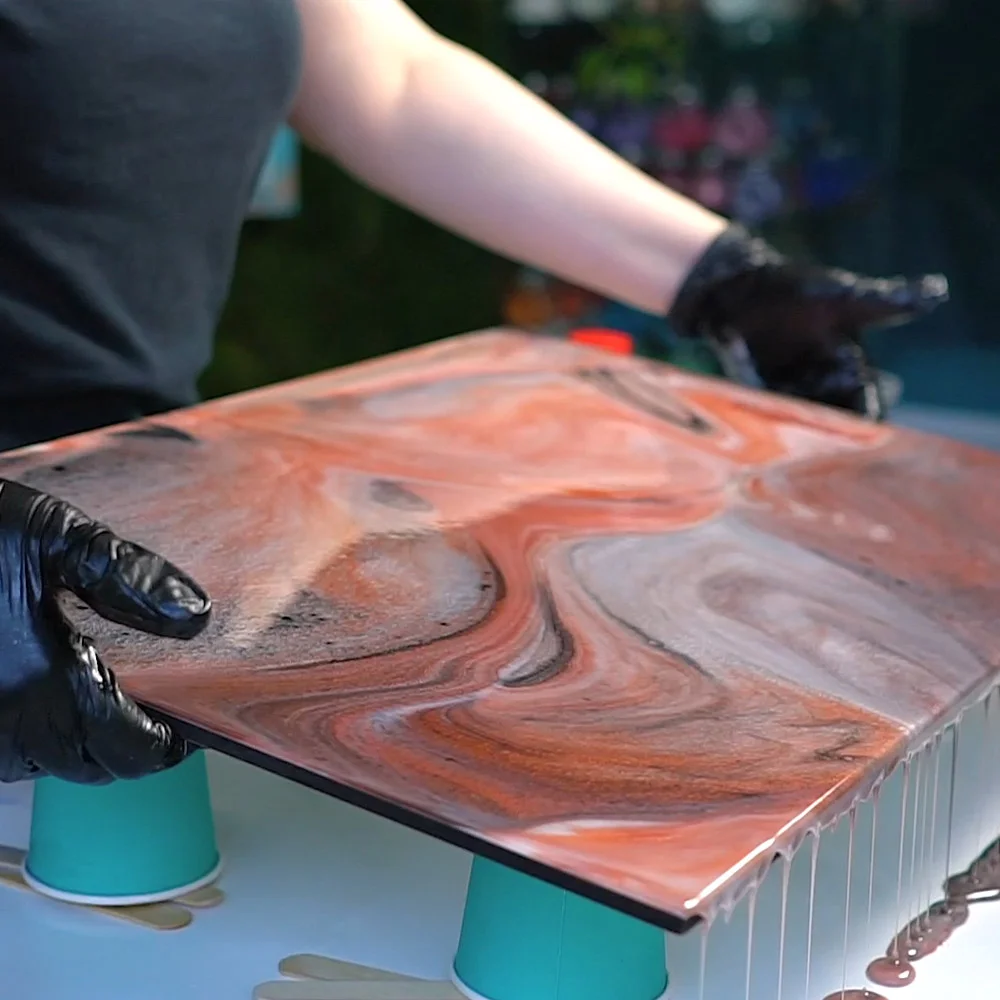
Slowly pour the mixed resin onto the centre of the marble surface. Using a notched trowel or spatula, gently spread resin to edges, allowing it to self-level for a glass-like finish. For artistic marble effects, use included pigments and isopropyl alcohol to create veins and blend transitions. Apply in thin, even coats if working with vertical areas or for extra depth, letting each layer cure as per instructions. Use a heat gun or torch briefly over the wet resin to remove any trapped air bubbles but avoid direct prolonged heat.
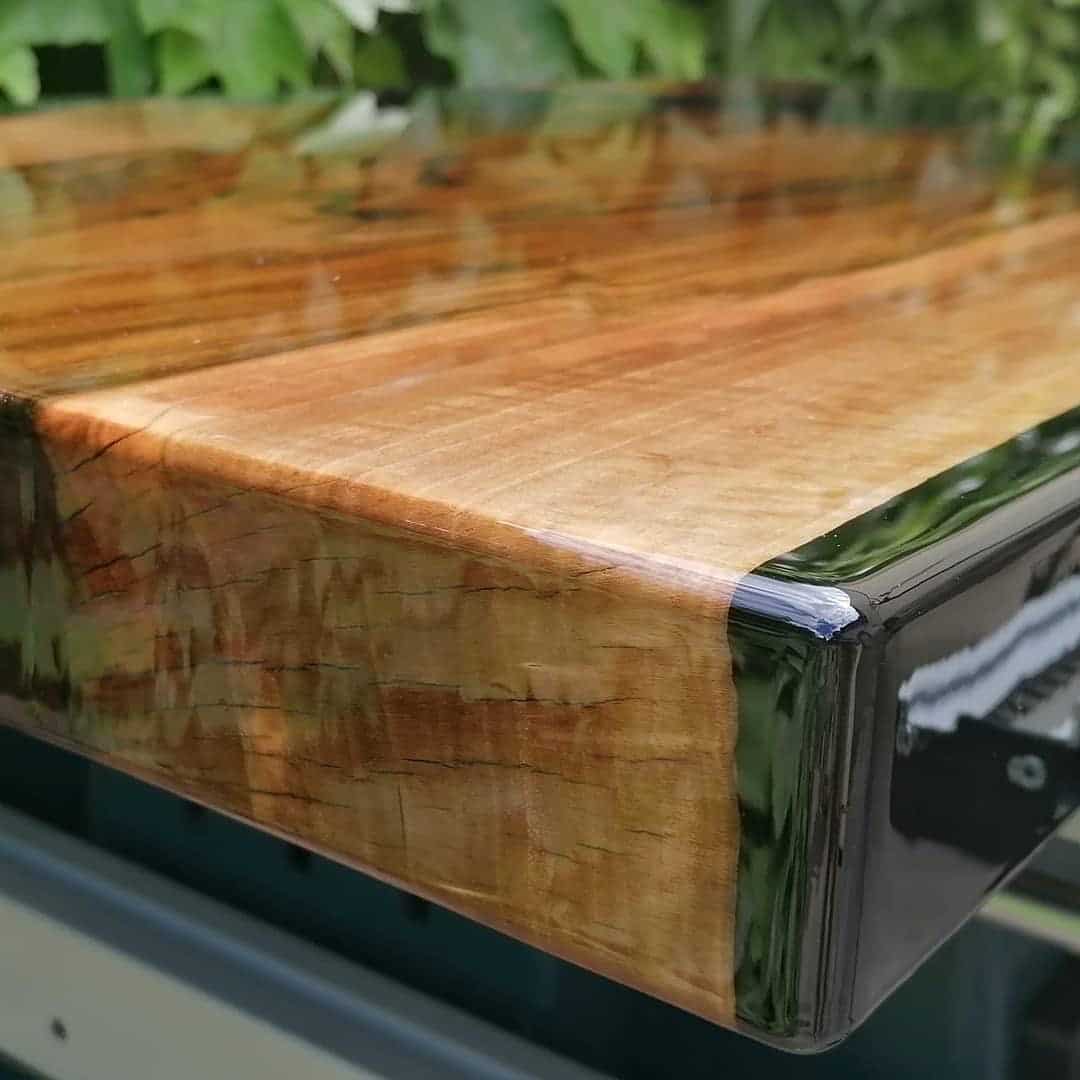

Step 5: Allow to Cure and Perform Final Finishing
Let the resin cure in a dust-free space for the full period recommended—this may be 12–24 hours for surface coatings or longer for deep pours. Do not disturb during this phase. After curing, inspect for any imperfections; fine sand and recoat if necessary, or use “Art Pro” – Clear Epoxy Resin for Artists and Surface Coating as a final touch layer for optimal clarity. Patience with curing ensures maximum durability and gloss.
Tips, Troubleshooting, and Common Mistakes
To achieve a flawless resin marble finish, heed these expert pointers: Prevent air bubbles by mixing slowly and using a heat source responsibly. Avoid excessive heat during curing, as this can cause yellowing or cracking. Always test pigments and effects on a small area first. If you spot haze or pooling, it’s usually due to poor surface cleaning or uneven resin distribution. Don’t rush sanding or recoating; allow full curing for best results—your patience will pay off in shine and durability.
Expert Tips for a Flawless Marble Resin Finish
Good prep and patience deliver lasting results. Always work in clean, well-ventilated spaces, and follow curing times closely for maximum durability and gloss.
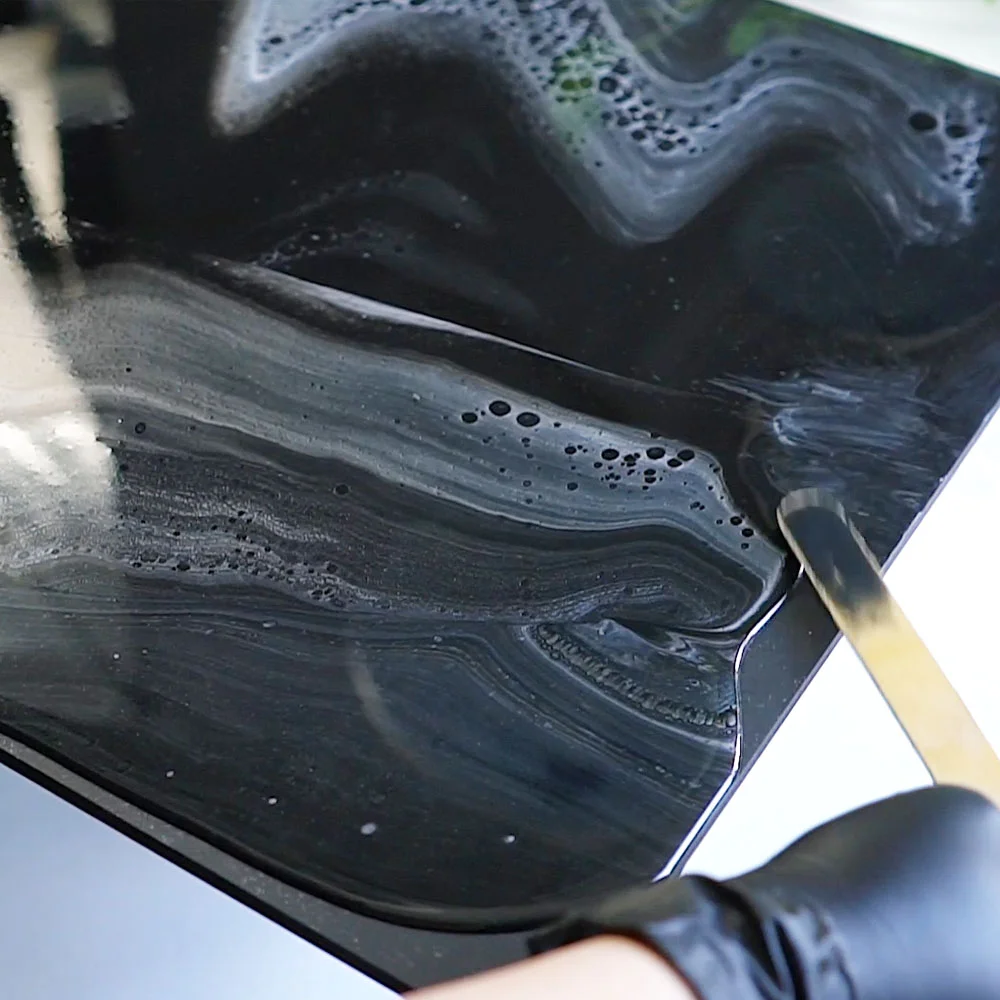
- "Stone Effect Collection" – Marble Epoxy Resin Countertop KitPrice range: £57.95 through £272.95"Stone Effect Collection" offers an all-in-one epoxy resin kit designed for professional marble and stone effects on kitchens and bathrooms.
- “Epoxytable 10-Ten” – Deep Pour Epoxy Resin for Tables, Up to 10cm CastingPrice range: £35.95 through £351.95“Epoxytable 10-Ten” is designed for casting resin projects up to 10cm thick, suitable for tables and large art pieces.
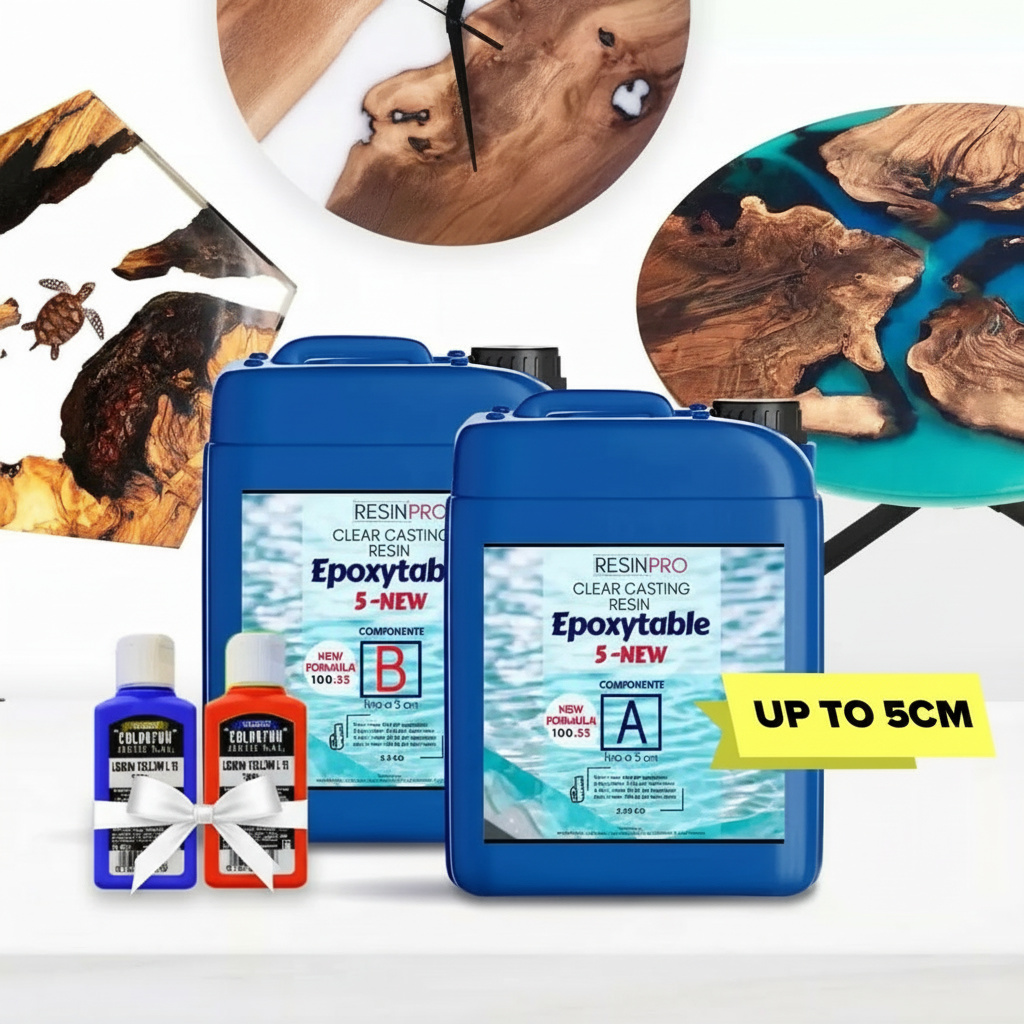 "EpoxyTable 5-Five" – Deep Pour Epoxy Resin for Tables and Large Projects – Up to 5cmPrice range: £17.95 through £1,154.95EpoxyTable 5-Five is designed for deep pouring up to 5cm with UV filters and a scratch-resistant surface suitable for tables and large projects.
 "Art Pro" – Clear Epoxy Resin for Artists and Surface CoatingPrice range: £19.95 through £267.95Art Pro is a clear epoxy resin designed for artists and crafters offering a durable, high-gloss finish suitable for decorative surfaces.
Frequently Asked Questions
Which resin is best for marble countertops?
A dedicated marble resin kit, such as the Stone Effect Collection, is ideal for transforming and protecting marble countertops with authentic effects.
What thickness should resin be applied on marble?
For surface coatings, aim for 1.5mm or more. For deeper coverage, use multi-stage pours to prevent overheating or uneven curing.
How do I prevent bubbles when applying resin to marble?
Mix resin slowly, use a heat gun briefly after pouring, and ensure the marble is fully clean and dry before starting.
Should you sand between resin layers on marble?
Yes, lightly sand between coats once fully cured to improve adhesion and achieve a smooth, even finish.
Is epoxy resin scratch-resistant on marble?
Certain resins are specially formulated for durability and scratch resistance, making them suitable for high-use marble surfaces.
Can epoxy resin be removed from marble later?
Removing cured resin from marble is difficult and may risk damaging the stone. Always test a small area first before full application.