 Free shipping on orders over £29,85
  Shipping Tracking!


 Google
 Facebook
How to make a wood, resin, and coin table?
Step-by-step guide to crafting a unique resin coin table
Creating a wood, resin, and coin table is an impressive way to showcase creativity and craftsmanship. Whether you aim to immortalise a collection of coins or craft a statement piece for your home, this guide will take you through each stage—ensuring your finished table is not only beautiful but long-lasting too.
What You’ll Need
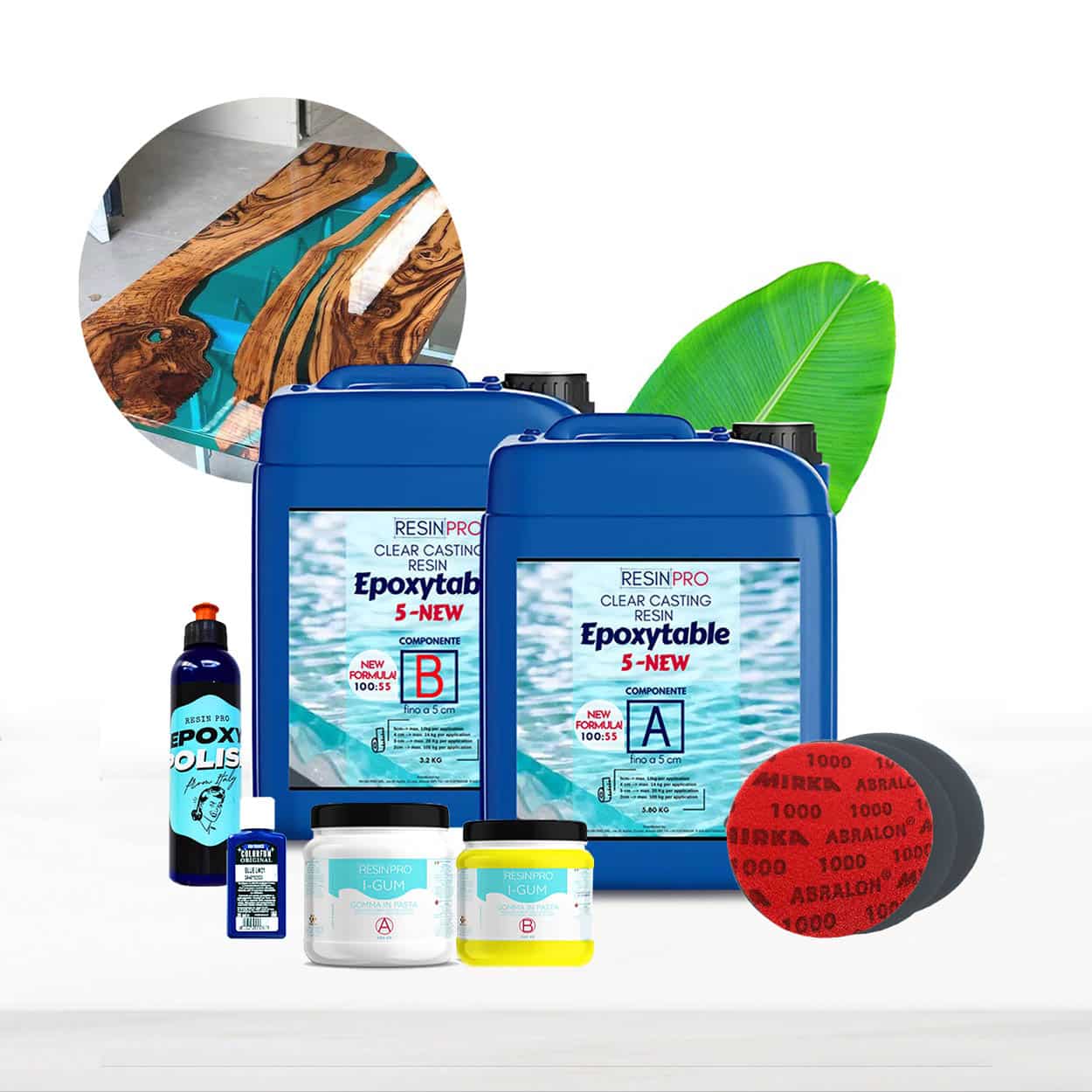
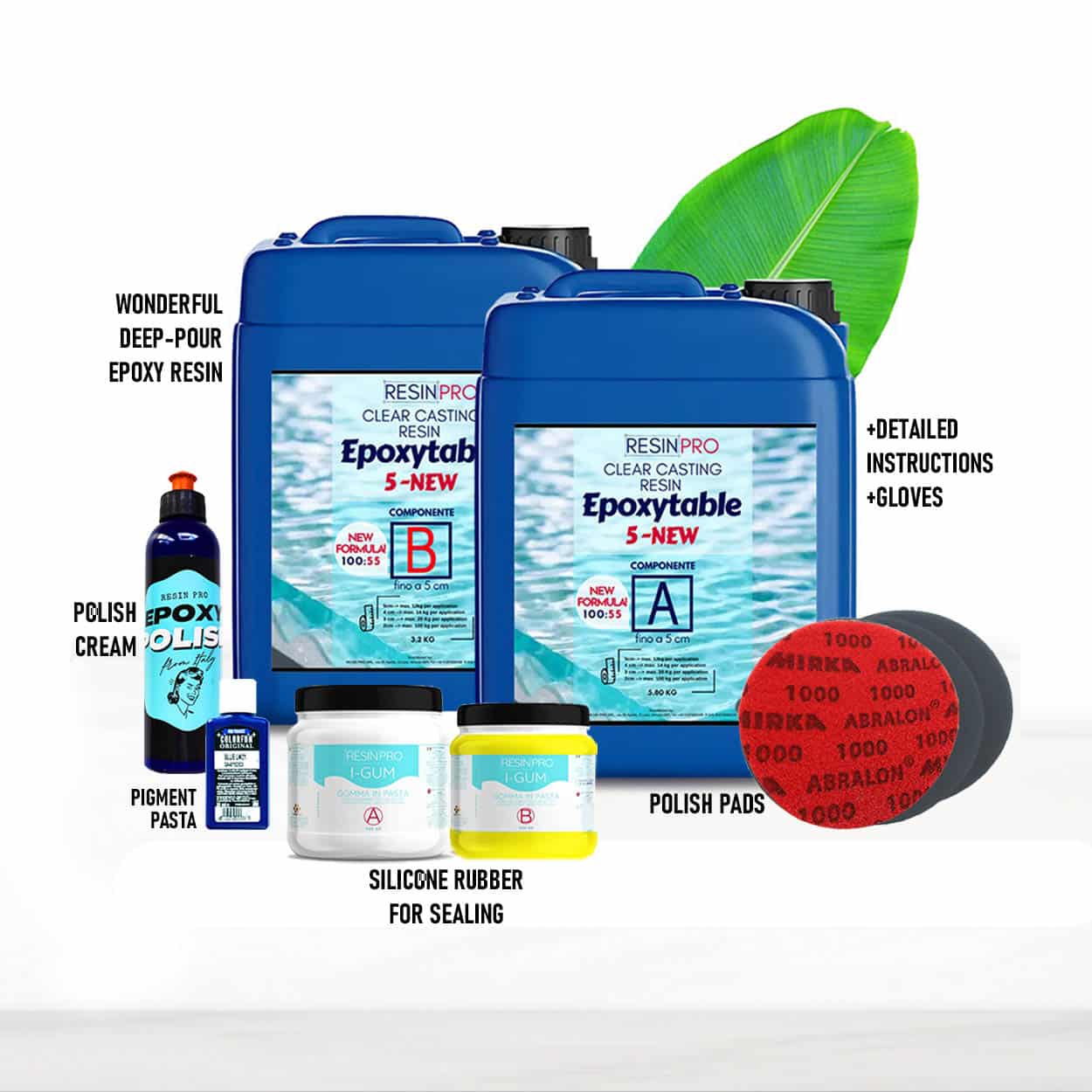
- “River-Table” – Complete Kit for Creating Your First Epoxy Resin Table – contains resin, pigments, silicone sealant and polishing essentials
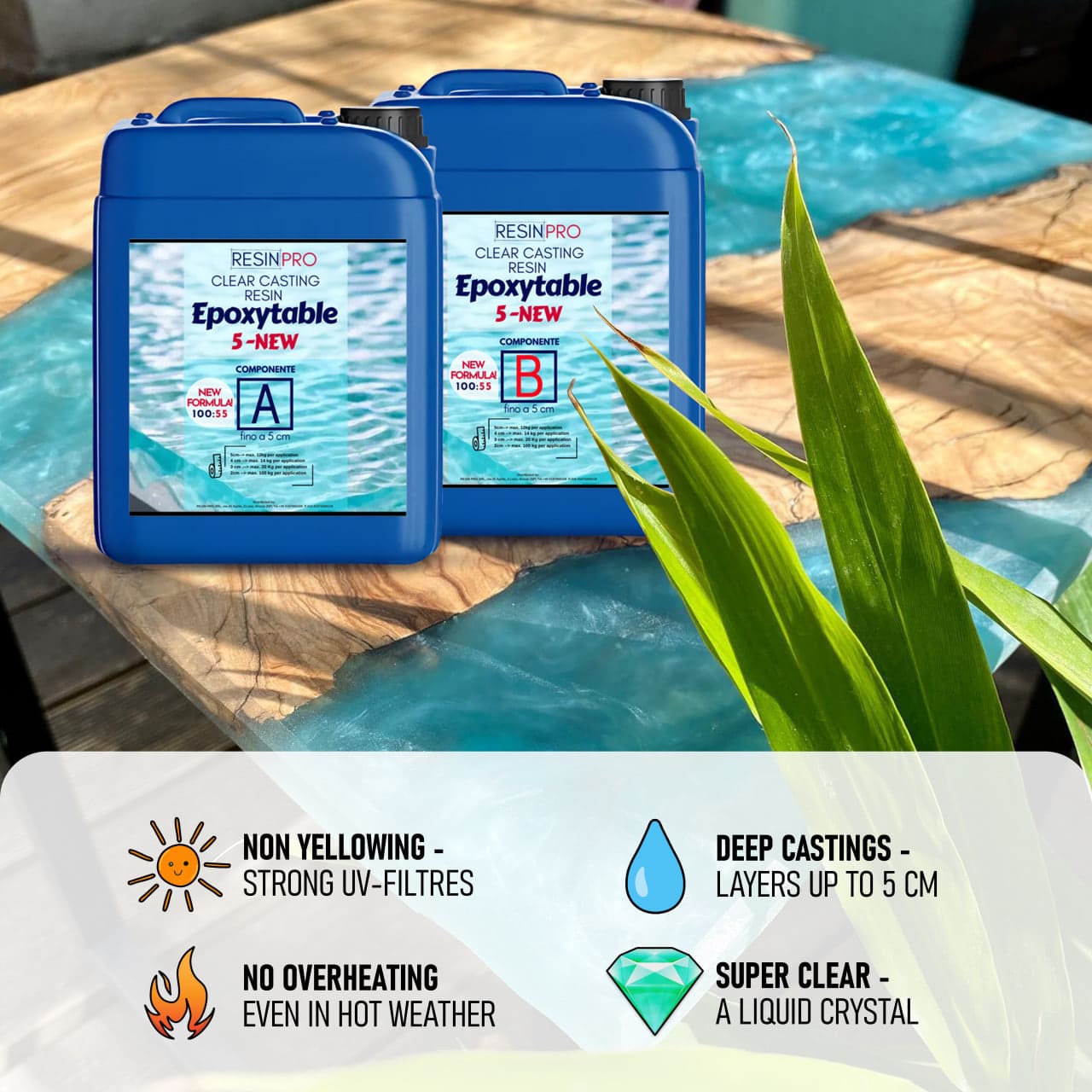
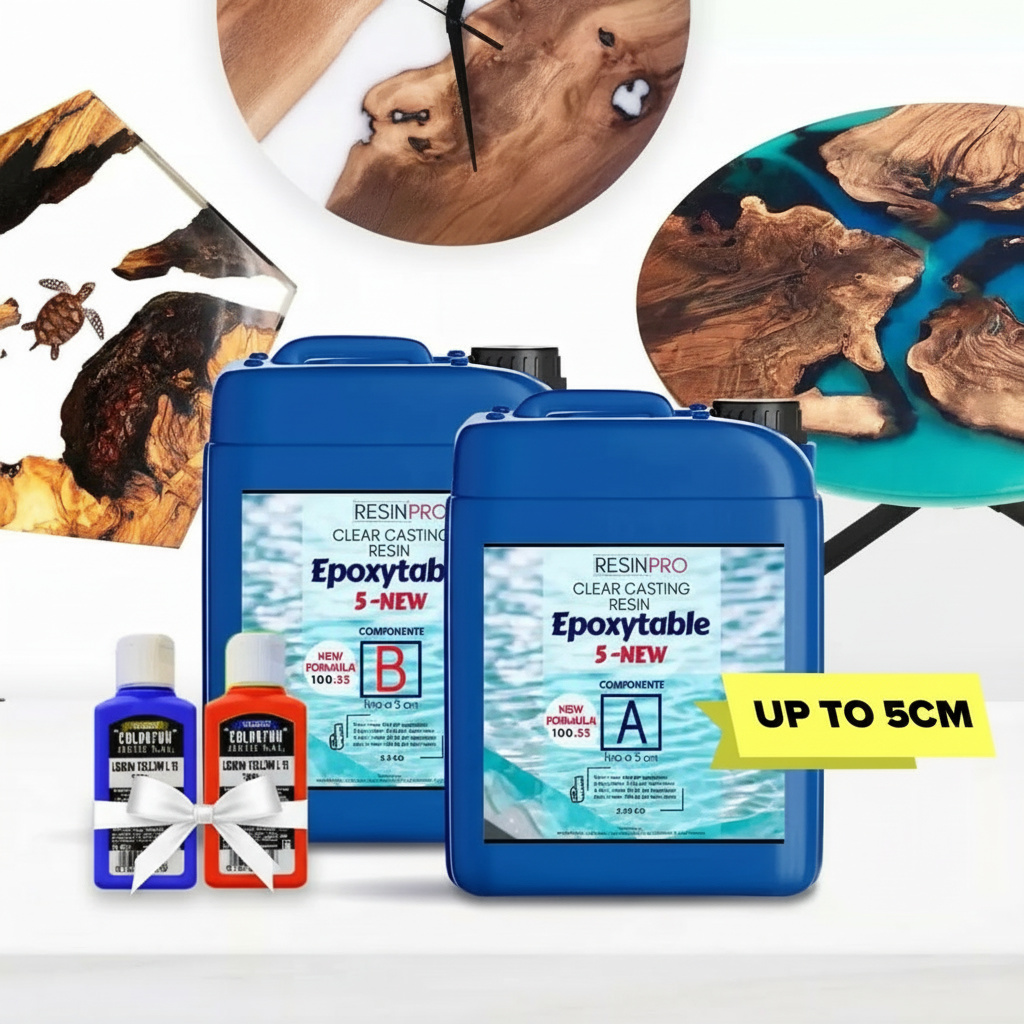
- “EpoxyTable 5-Five” – Deep Pour Epoxy Resin for Tables and Large Projects – Up to 5cm – ideal for deep pours and embedding decorative items
- “Epoxytable 10-Ten” – Deep Pour Epoxy Resin for Tables, Up to 10cm Casting – suitable for very thick castings
- “Geode O” – Table Base for Epoxy Resin Art – Wood Support for Resin Projects – a sturdy base for your table surface
- Coins for embedding
- Timber and formwork materials (e.g., silicone sealant, tape, release agent)
- Clamps, mixing tools, mixing jugs, stirring sticks, gloves, eye protection

Visual Inspiration for Your Resin and Coin Table
See finished examples and work-in-progress shots of wood, resin, and coin tables crafted with meticulous layering and unique embedded coins. Let these visuals spark ideas for your own masterpiece.
Prepare your workspace and materials
Begin by selecting a clean, well-ventilated workspace. Safety should be your top priority: always use gloves and wear eye protection when working with resin materials. Lay out all your tools, timber, coins, and ensure your table base (such as the Geode O table base) is level and stable. Precut and sand the timber, making sure all surfaces are smooth and free from dust to ensure strong adhesion and a flawless finish.

Set Up the Table Base and Formwork
Assemble your chosen table base or wooden slab, and use formwork to contain the resin during pouring. Apply silicone sealant (as included in the River-Table Complete Kit) to any seams or joints for a watertight seal. This will prevent resin leaks and provide sharp, clean edges. Use a release agent or adhesive film inside the mould to make demoulding effortless once curing is finished. Double-check the form is perfectly level to avoid uneven pours and resin runoff.
Arrange Coins and Secure Decorative Elements
Before mixing your resin, plan the layout of your coins on the table surface. Arrange them in your desired pattern or design, and lightly secure with a tiny dab of glue if needed to keep them in place during pouring. Consider embedding coins partly into the wood for extra visual interest, and leave enough space between coins to allow resin to flow freely around them. Test your arrangement with a dry run to ensure all elements stay put when resin is poured.


Mix and Pour the Resin in Layers
Carefully follow the pouring instructions for your chosen resin product. For pours up to 5cm thick, the EpoxyTable 5-Five resin is recommended, while the Epoxytable 10-Ten is suitable for exceptionally deep casts up to 10cm. Measure the resin and hardener by weight (following the specific ratio on the packaging), and mix thoroughly to ensure a fully-cured, bubble-free result.
Pour the resin gradually in layers to minimise bubbles and heat build-up, especially for thick projects. Use a torch or heat gun to carefully pass over the surface after each layer to disperse surface bubbles. Allow each layer to partially cure before adding the next—this is especially important if you are embedding coins at specific depths. Monitor the curing progress and ambient temperature to maintain ideal conditions.
Finishing Touches: Sanding and Polishing
Once the resin is fully cured (which may take several days depending on thickness), remove the table from the formwork. Begin sanding with coarse grit, moving sequentially to finer grits to achieve a glass-smooth finish. The River-Table Kit includes polishing cream and pads to bring a brilliant shine to the resin surface. Thoroughly clean dust and debris before applying the final polish. Ensure even, circular movements during polishing for a flawless and professional-looking finish.

Tips and Troubleshooting
Work patiently—rushing pours or mixing can cause excessive bubbles or surface flaws. Always measure components accurately and mix thoroughly. If unexpected cloudiness or bubbles appear, allow more time between layers and ensure the workshop is at the recommended temperature. When embedding coins or heavy objects, check they do not float or shift during curing by securing them. Test small areas first when using any new pigment or decorative item.
Perfecting Your Table Design
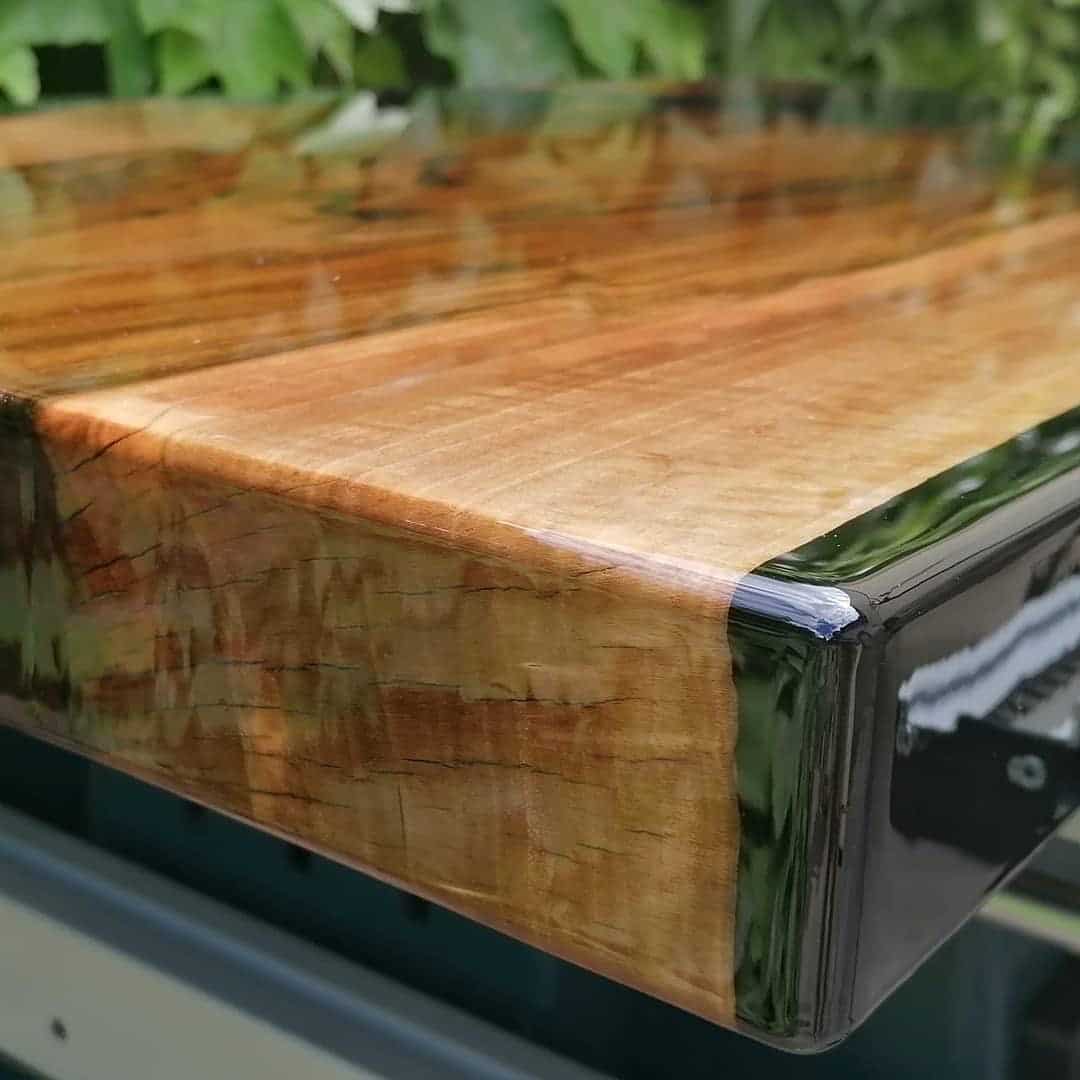
Close-up photos highlight smooth resin finishes, vibrant pigments, and embedded details. Explore different layouts and finishing effects that set professional projects apart.

- "River-Table" – Complete Kit for Creating Your First Epoxy Resin TablePrice range: £198.45 through £467.45"River-Table" kit includes resin, sealant, polishing supplies and pigments with instructions for wood and resin table making.
- "EpoxyTable 5-Five" – Deep Pour Epoxy Resin for Tables and Large Projects – Up to 5cmPrice range: £17.95 through £1,154.95"EpoxyTable 5-Five" is designed for large projects and tables, supporting deep pours up to 5cm with low viscosity and high scratch resistance.
- “Epoxytable 10-Ten” – Deep Pour Epoxy Resin for Tables, Up to 10cm CastingPrice range: £35.95 through £351.95An epoxy resin designed for super-deep pouring up to 10cm, suitable for projects like tables with detailed instructions included.
 "Geode O" – Table Base for Epoxy Resin Art – Wood Support for Resin ProjectsPrice range: £18.45 through £23.45The Geode O table base provides sturdy wooden support, suitable for epoxy resin art and various crafting techniques.
Frequently Asked Questions
How do I prevent coins from shifting when pouring resin?
Lightly secure coins with a small amount of adhesive before pouring resin. Pour in layers for best control.
Which resin is suitable for thick pours in a table project?
Use deep pour products like EpoxyTable 5-Five for up to 5cm or Epoxytable 10-Ten for up to 10cm thickness.
How do I ensure a bubble-free, glass-clear resin finish?
Mix resin slowly, pour in layers, and use a heat gun or torch over the surface immediately after pouring.
What are the best working conditions for resin casting?
Work in a dust-free, well-ventilated area around 20–25°C. Avoid high humidity and direct sunlight.
What is the best way to polish an epoxy resin table?
Sand with progressively finer grits, then finish with a resin-specific polishing cream using circular movements.
Can I add coins at different depths in one resin table?
Yes, pour in stages—allow each layer to partially cure before adding more coins and pouring additional resin.