 Free shipping on orders over £29,85
  Shipping Tracking!


 Google
 Facebook
← Back to How do you use resin on a car body?

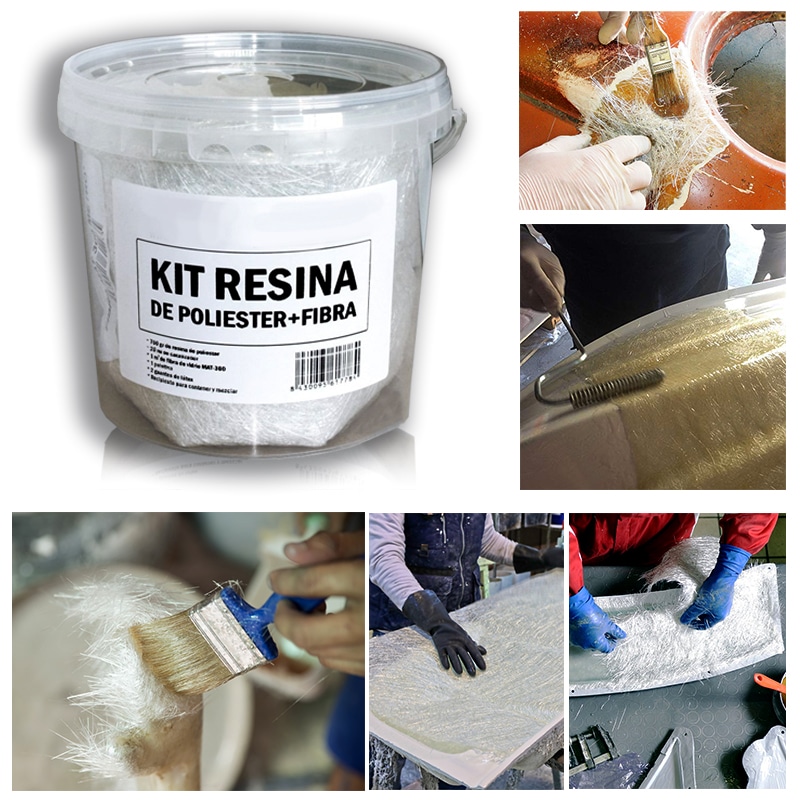
Preparing a car body before applying resin is key to achieving a reliable and long-lasting repair. Cleaning and degreasing the surface removes contaminants that interfere with adhesion, making resin or fibreglass repairs more effective.
Why Cleaning and Degreasing Matters
Dirt, grease, wax, and other residues on a car body can stop resin from properly bonding to the surface. Any trace of oil or contaminants may cause resin to peel, bubble, or fail under stress. Taking time to thoroughly clean ensures the best outcome for any resin-based repair or coating.
Step-by-Step Guide
- Wash the surface: Use water and a mild automotive detergent to remove dirt and grime. Rinse well and let it dry.
- Degrease thoroughly: Apply a dedicated automotive degreaser or solvent like isopropyl alcohol to all repair areas. Wipe away residues with a clean, lint-free cloth.
- Sanding (if required): Lightly sand the area to be repaired. This ensures a slightly rough texture for maximum resin adhesion.
- Final wipe: Remove all sanding dust and give a last clean with degreaser before resin application.
Recommended Products for Reliable Repairs
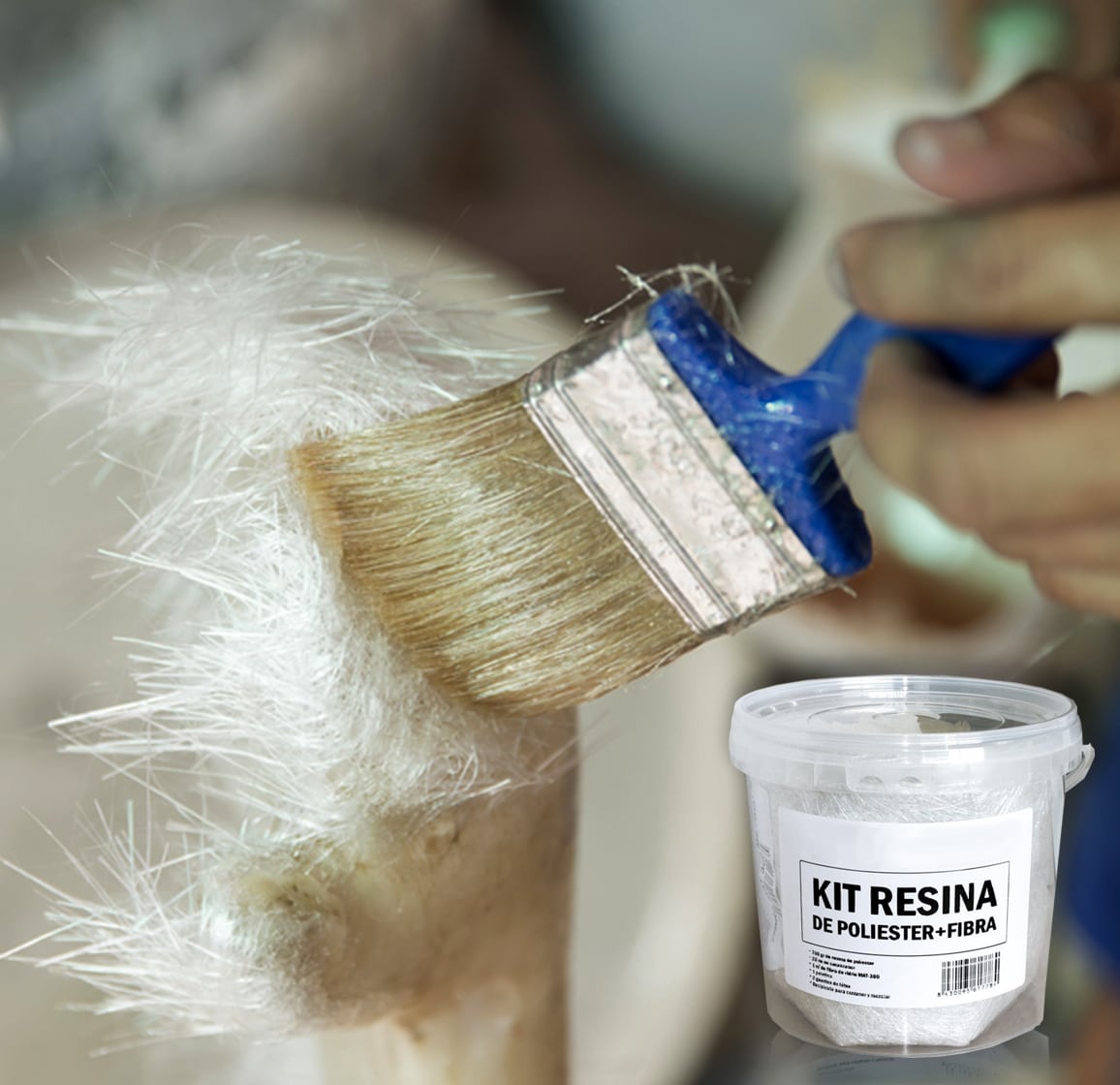
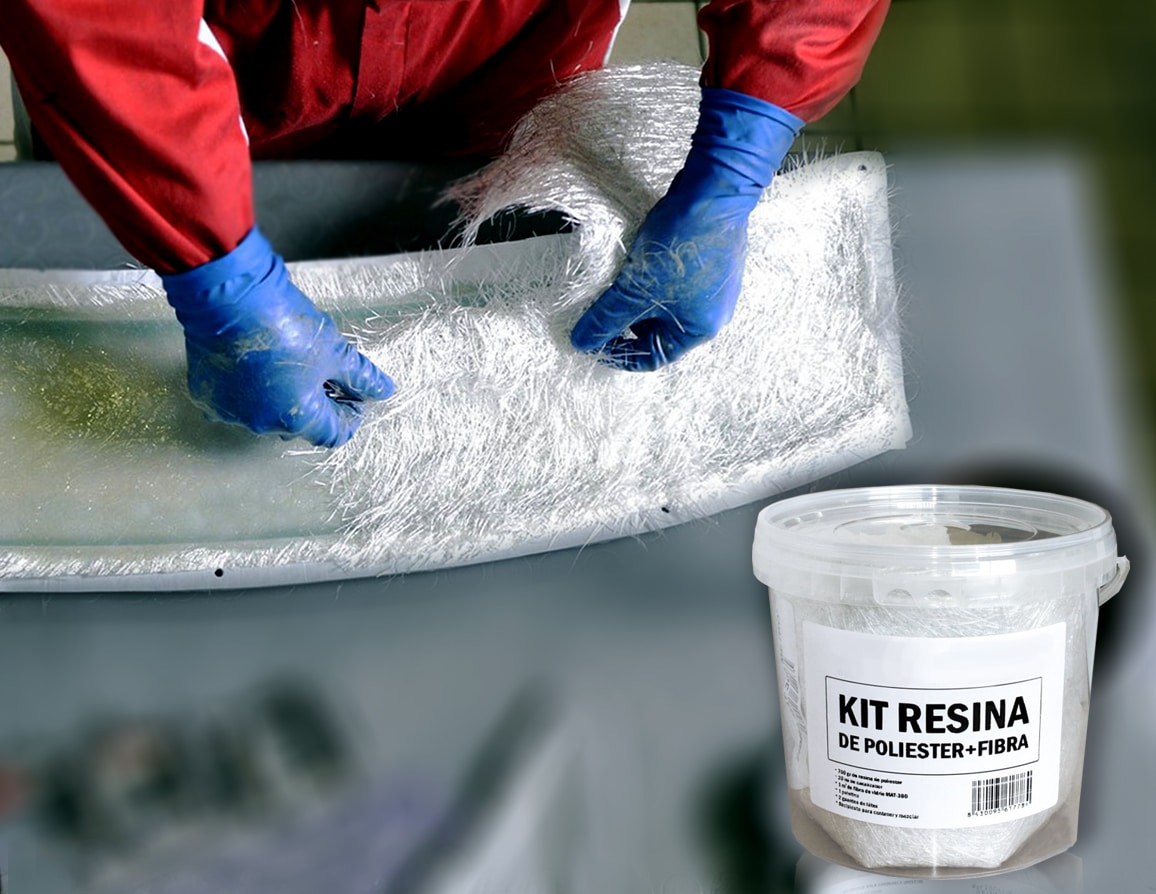
Having a quality resin system makes all the difference for car body restoration. For a robust, waterproof bond on metal or rigid plastics, consider the Resin Fibreglass Repair Kit. If you need to fill deeper cracks or dents, CROP 2K Fiberglass Putty is engineered for strength and easy sanding.
When This Matters Most
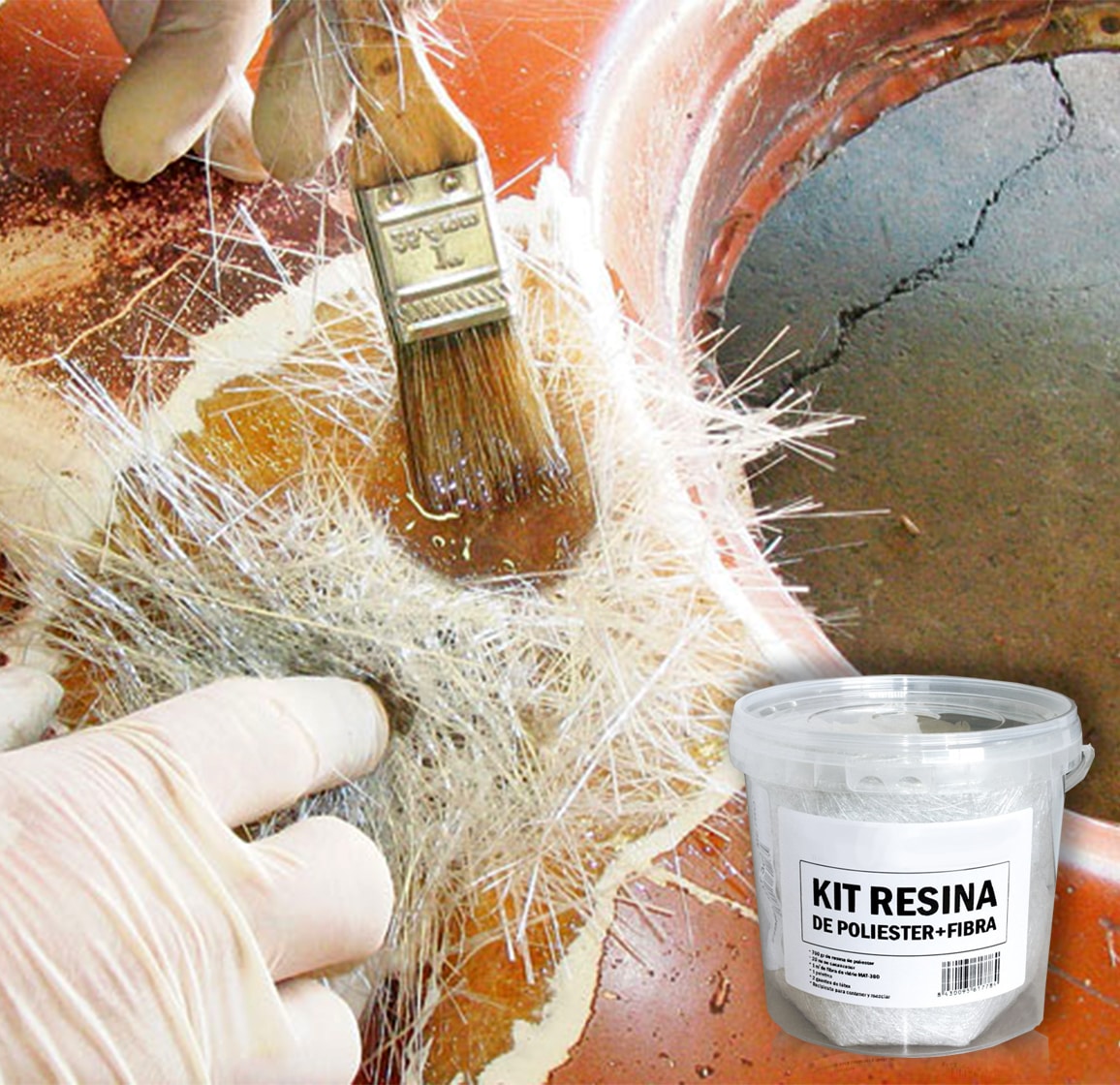
Meticulous cleaning is especially vital when working on high-stress repairs—such as patching rust holes or restoring load-bearing panels—where resin performance is critical.
Related products
Related guides
Thorough preparation is the foundation for any successful car body resin project. For more tips on automotive resin application, explore our complete guide on how to use resin on a car body.