 Free shipping on orders over £29,85
  Shipping Tracking!


 Google
 Facebook
How do you use resin on a car body?
Master bodywork repairs with proper resin application technique

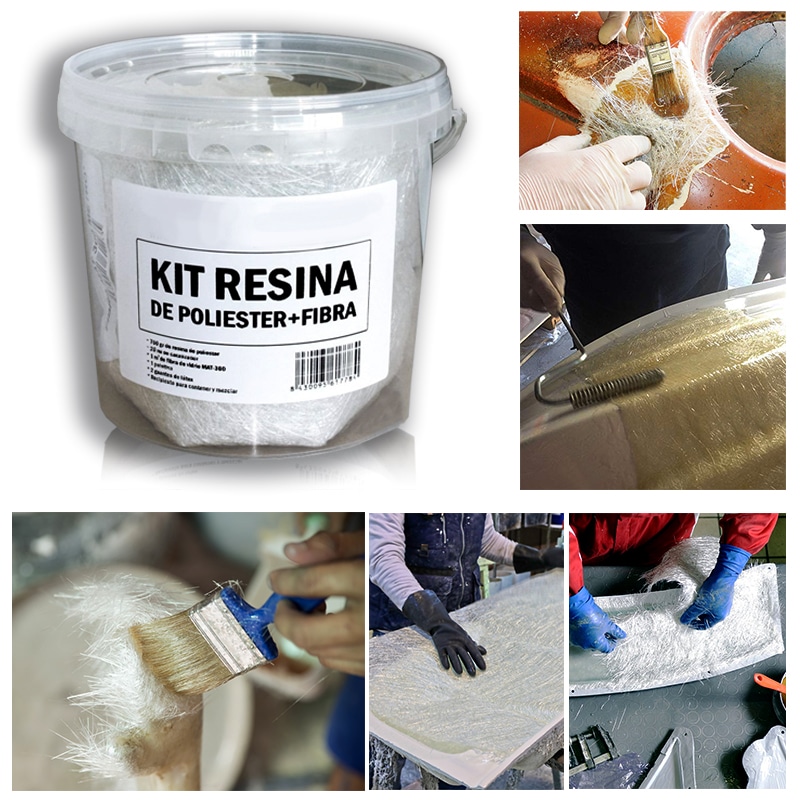
Applying resin to a car body is a key skill for automotive repairs, whether you’re fixing cracks, dents, or creating a reinforced, weather-resistant finish. This practical guide walks you through preparation, mixing, application, and finishing, helping both beginners and more advanced car owners restore or protect their vehicle’s body with professional results.
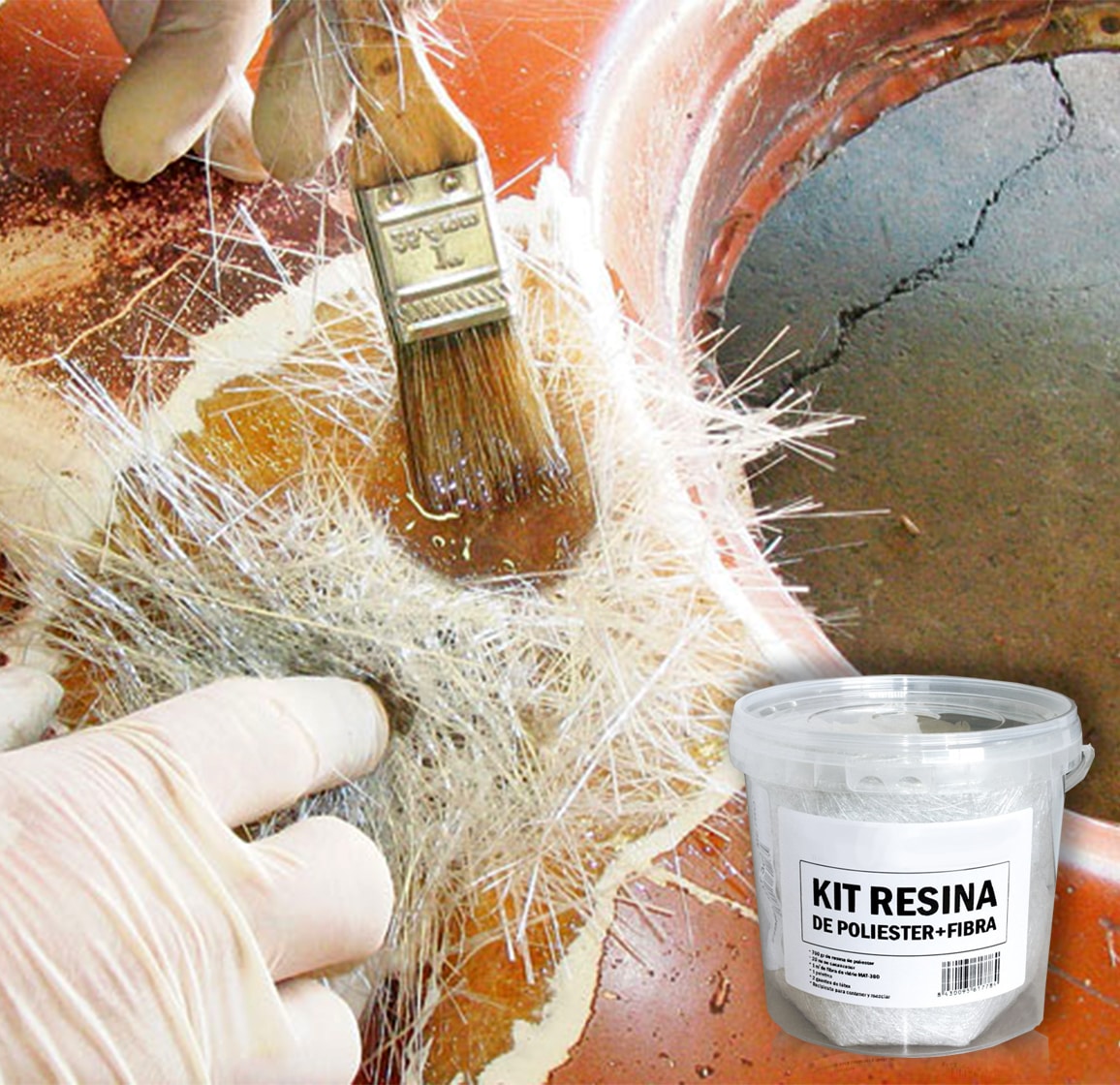
What You’ll Need
- Resin Fibreglass Repair Kit – Complete Polyester Resin and Hardener Set – for structural repairs with fibreglass and polyester resin
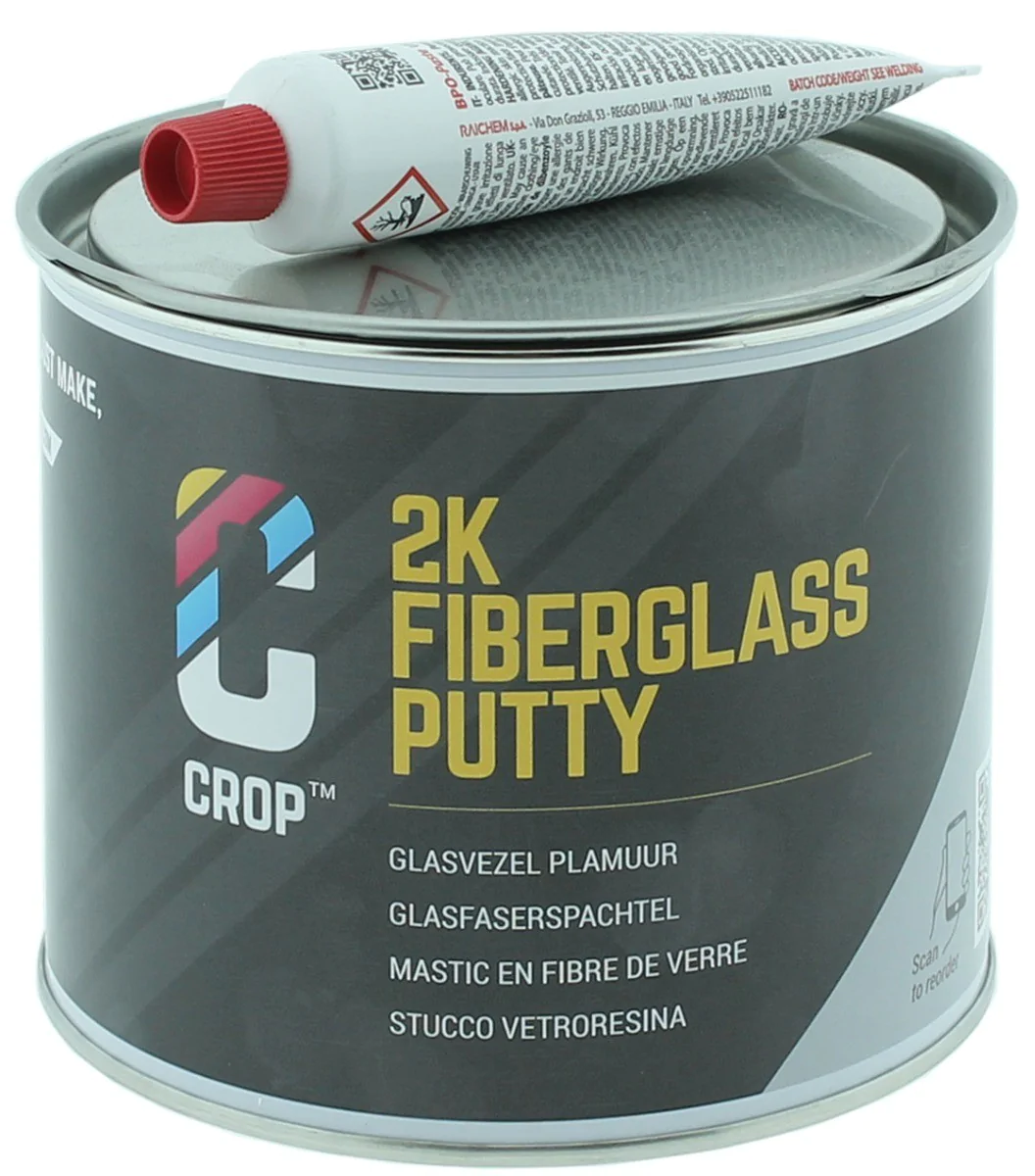
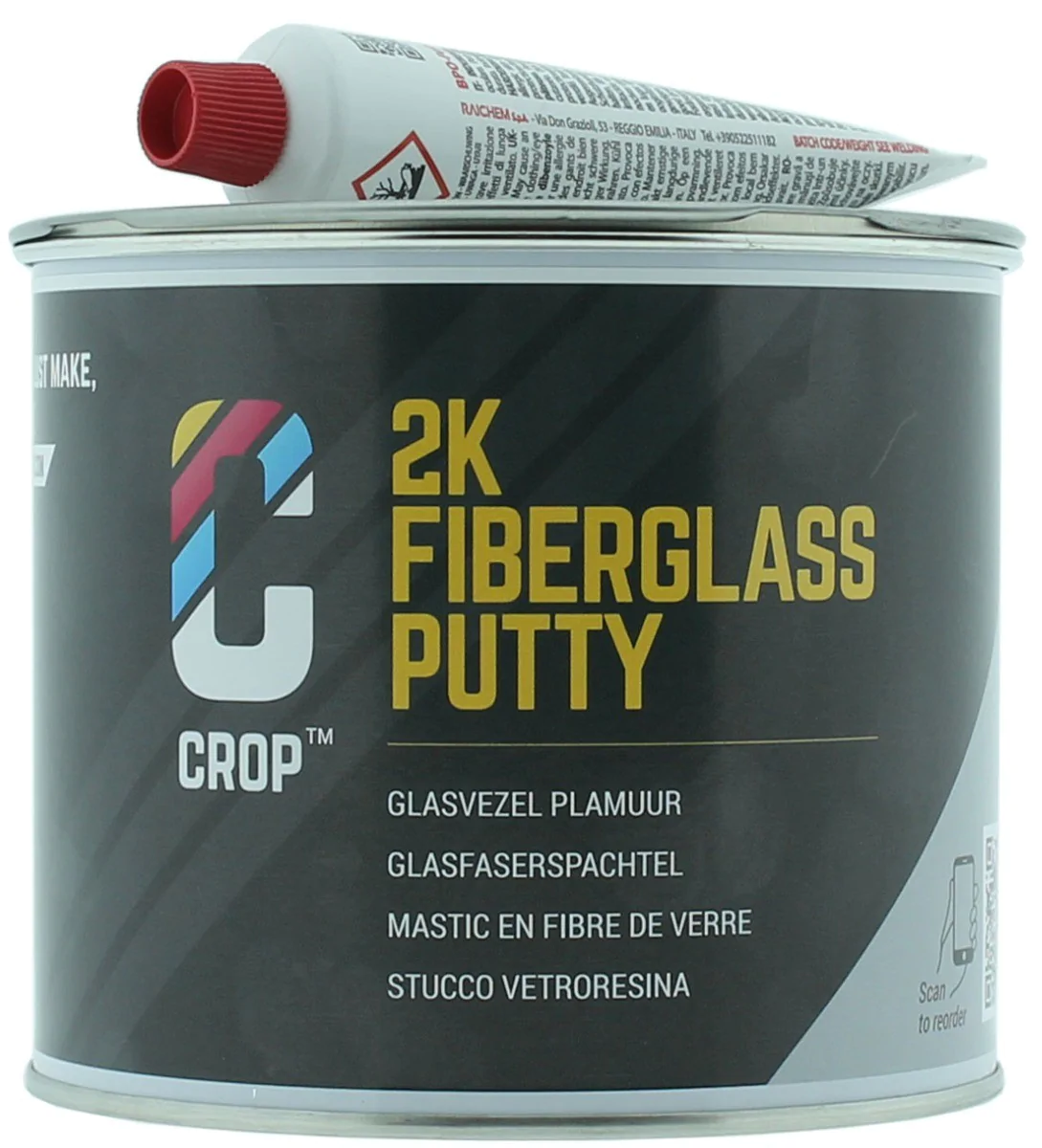
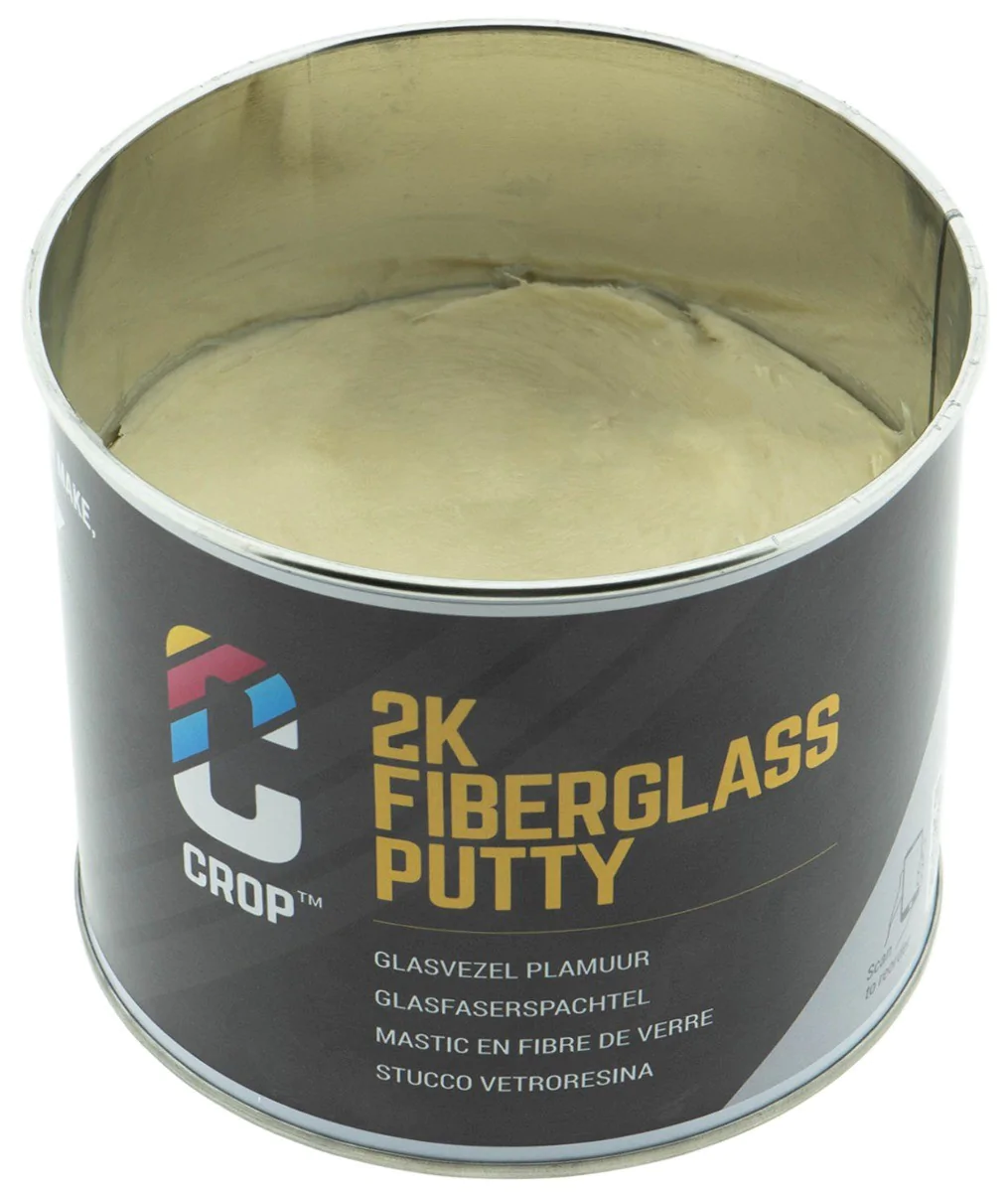
- CROP 2K Fiberglass Putty – 750 ml + Hardener – for filling cracks, dents, and shaping repairs
- “Carbon Resin” – Epoxy Resin for Carbon Fiber & Fiberglass Coating – if using carbon fibre or advanced fibreglass for a glossy, durable finish
- Protective gloves, mask and eye protection
- Sandpaper or sanding block (preferably multiple grades)
- Mixing containers and applicator brushes
- A clean, dust-free work area
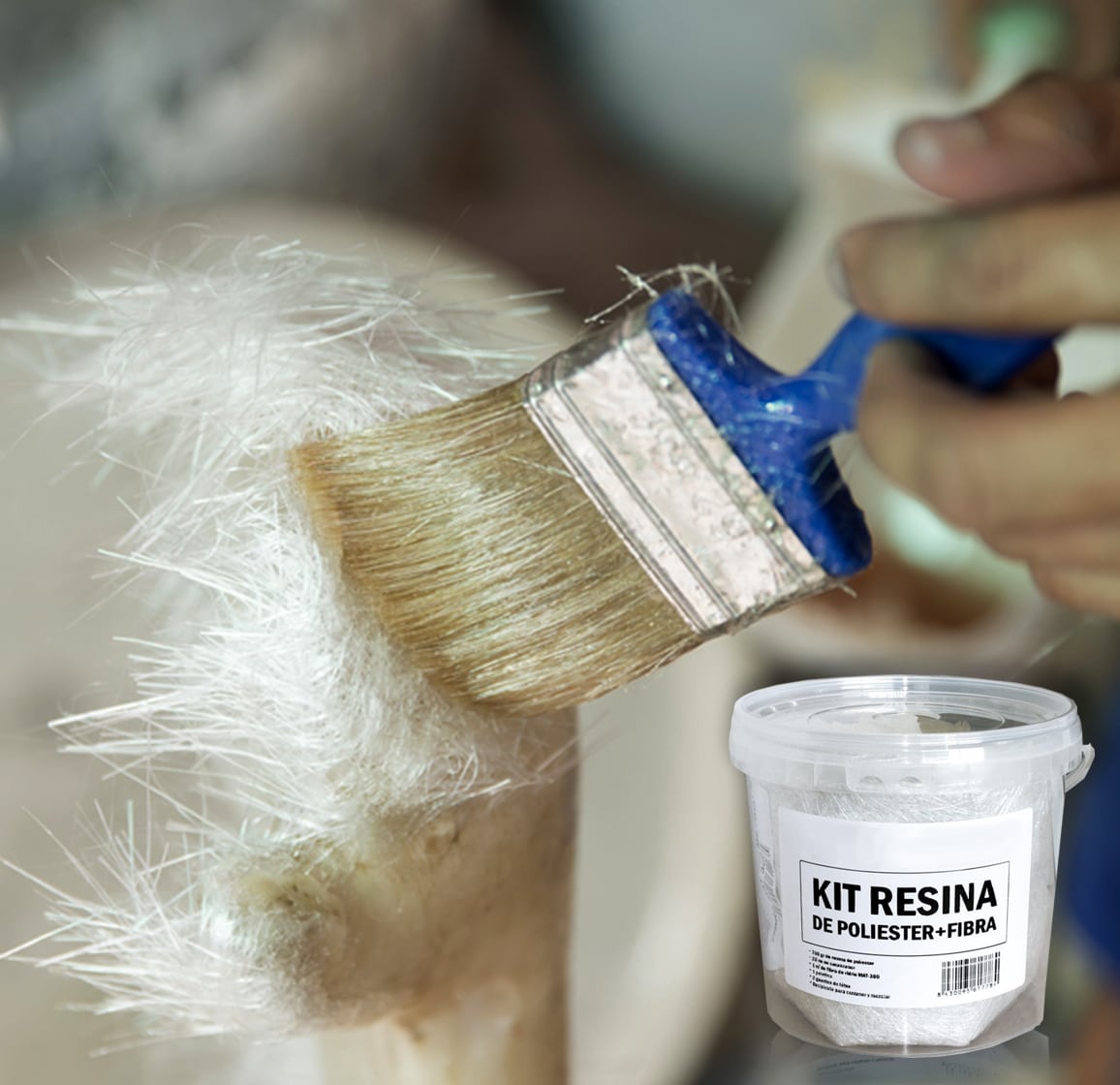
Essential tools and PPE for safe resin work
Gather tools and protective gear before you start. Make sure you have gloves, eye protection, and a mask ready, along with all mixing and application tools. This will help keep the process smooth and safe from start to finish.
Step 1: Prepare and Clean the Car Body
Thoroughly clean and degrease the car body before starting any resin application. Wash the repair area with a suitable automotive cleaner and degreaser, removing all traces of dirt, oil, wax, and contaminants. Rinse and allow to dry completely, ensuring that no moisture is trapped beneath future layers.
Mask off any areas not being repaired to avoid accidental resin contact. Effective preparation prevents adhesion issues later in the process.
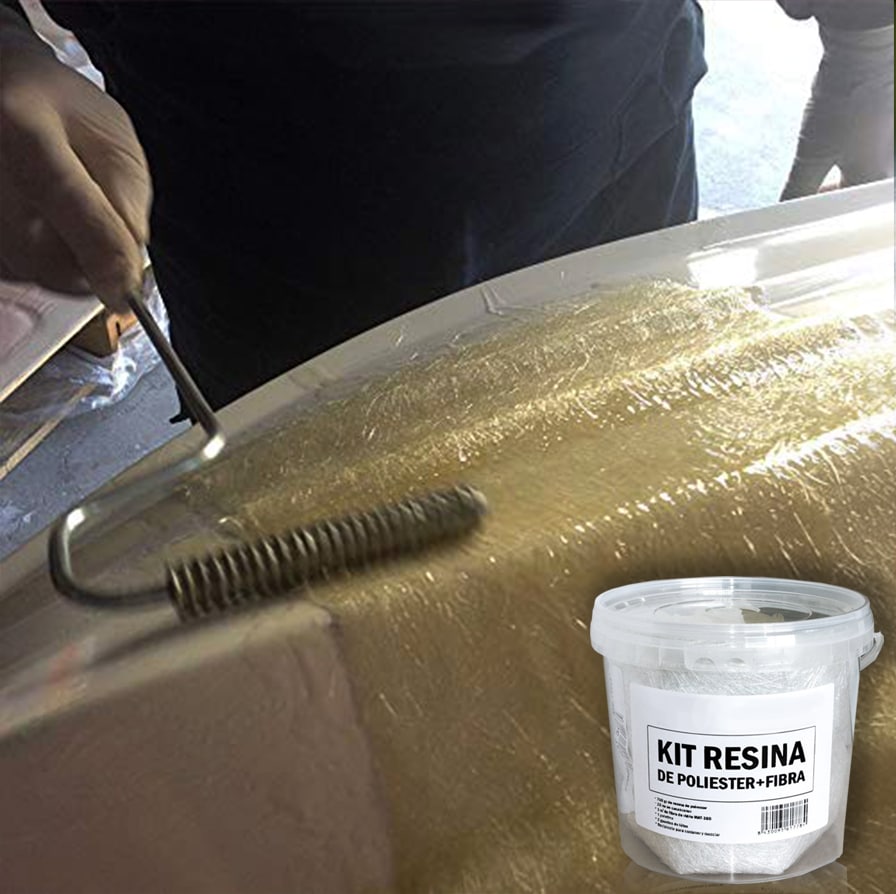
Step 2: Sand and Prepare the Surface
Sand and prepare the area for maximum adhesion. For small cracks or dents, use coarse sandpaper (around P80–P120 grit) to roughen the paint and remove any corrosion or flaking material. Feather the edges around the repair to avoid future lifting.
Wipe the sanded area with a lint-free cloth and degreaser to remove dust. This promotes a strong mechanical bond for the resin layer.
Step 3: Apply the Resin and Reinforcement Materials
Apply resin and reinforcement materials methodically. For structural repairs or reinforcing larger cracks and holes, use the Resin Fibreglass Repair Kit – Complete Polyester Resin and Hardener Set. Cut the fibreglass mat to fit the repair zone and mix the resin and hardener following the kit’s ratio instructions. Apply a layer of resin to the area, lay the fibreglass mat over the top, and saturate it with more resin using a brush. Remove trapped air bubbles by gently dabbing or rolling.
For shallow dents or surface smoothing, mix and apply CROP 2K Fiberglass Putty – 750 ml + Hardener, pressing it into cracks and imperfections. Shape while soft, then allow it to cure as specified in the product’s instructions.
If working with carbon fibre or aiming for a particularly high-gloss, resilient finish, consider “Carbon Resin” – Epoxy Resin for Carbon Fiber & Fiberglass Coating, ensuring you achieve even wet-out and professional results for composite applications.
Step 4: Let the Resin Cure and Finish the Surface
Allow full curing time before finishing. Make sure the resin or putty is completely set and hardened as per manufacturer guidelines—this may range from several hours to overnight depending on temperature and the specific product.
Once cured, sand once more to smooth the repair and blend it seamlessly with the surrounding body. Start with a coarse grit and move to finer grades for a smooth, even surface. Wipe clean again and, if needed, apply primer before painting to match the car’s finish.
Tips and Common Mistakes
Work in a ventilated, dust-free environment for best results. Always wear gloves and appropriate eye protection when handling resins and chemicals. Carefully follow each product’s mixing and curing instructions; inaccurate ratios or inadequate curing lead to weak repairs.
Avoid applying resin or putty to damp, contaminated, or poorly sanded surfaces, as this reduces adhesion. Don’t rush sanding between layers—the quality of your preparation directly affects the longevity and aesthetics of the repair.

Expert techniques for a flawless car body finish
Patience is key. For the best appearance and long-lasting repairs, allow each layer to cure fully, sand thoroughly, and always clean between stages. Professional results are all in the details of each careful step.
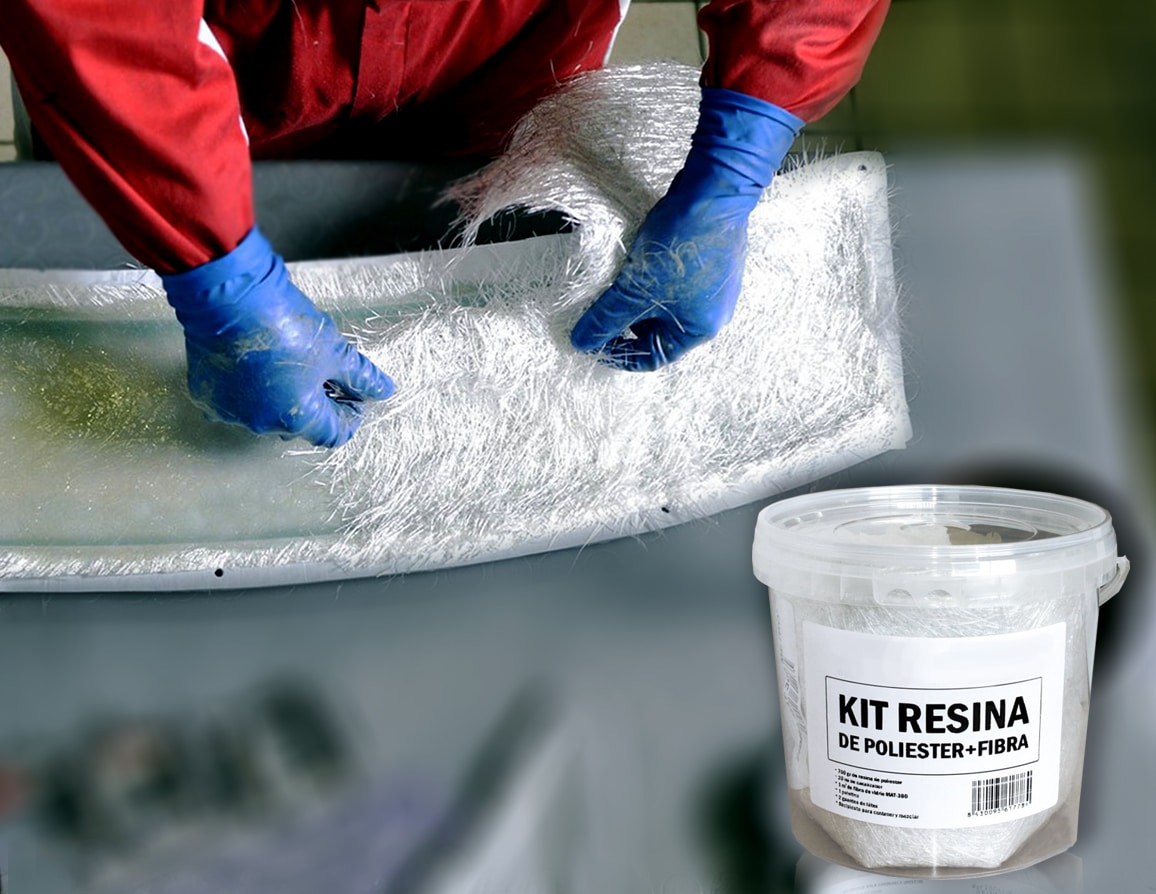
- Resin Fibreglass Repair Kit – Complete Polyester Resin and Hardener SetThe Resin Fibreglass Repair Kit offers a complete set with polyester resin and resin hardener designed for structural repairs including on cars.
- CROP 2K Fiberglass Putty – 750 ml + Hardener£15.85CROP 2K Fiberglass Putty is designed for bodywork repairs including cracks, dents and holes with a fibreglass-reinforced structure suitable for…
- "Carbon Resin" – Epoxy Resin for Carbon Fiber & Fiberglass CoatingPrice range: £19.95 through £37.95"Carbon Resin" is designed for composites and technical fabrics, offering durable impregnation and a glossy finish suitable for structural uses.
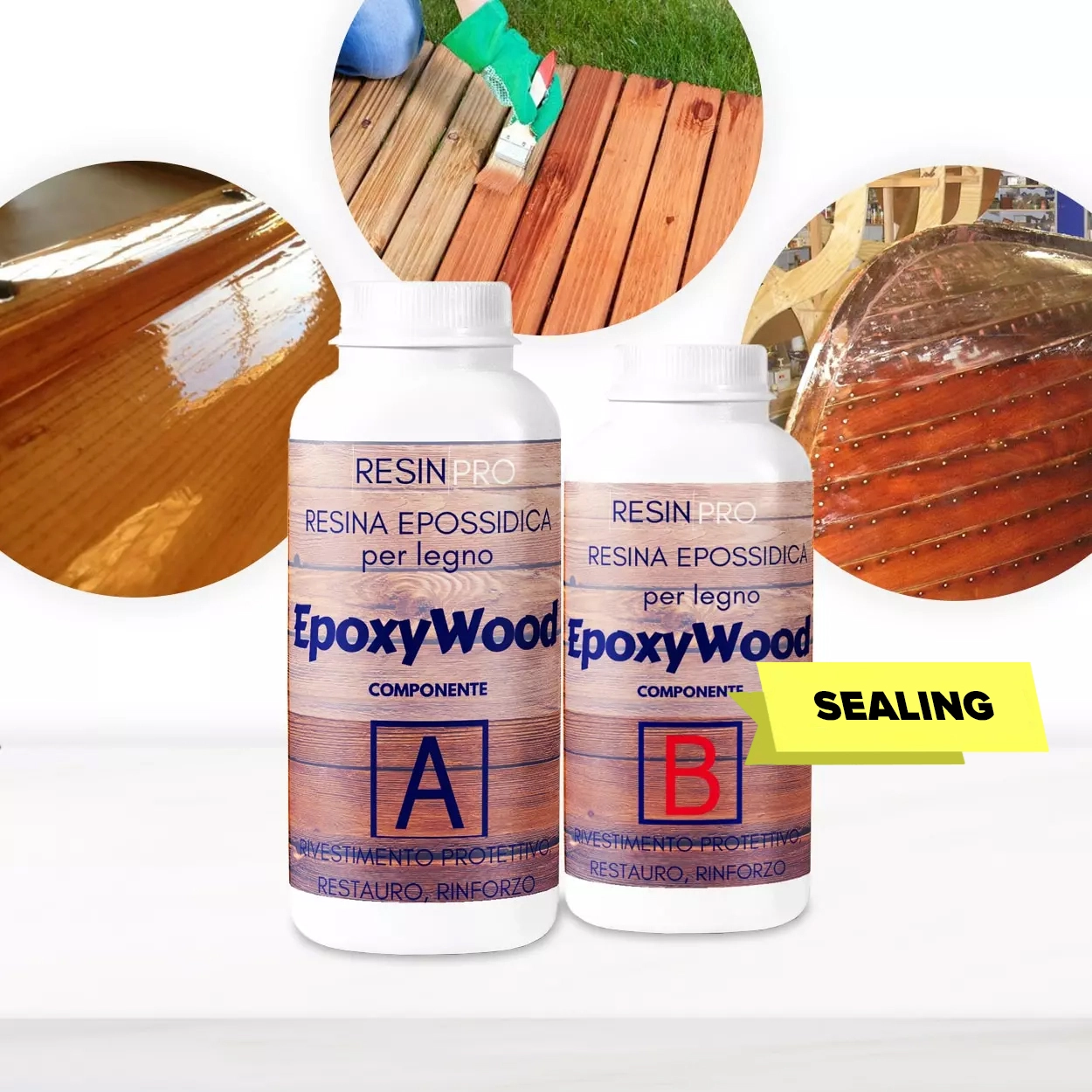 "EpoxyWood" – Wood Restoration Epoxy Resin for Deep Penetration and WaterproofingPrice range: £27.95 through £41.95"EpoxyWood" is suited for restoring wooden surfaces; its ultra-low viscosity resin penetrates and protects with a warm, natural finish.
Frequently Asked Questions
What resin should I use for car body repairs?
Polyester resin with fibreglass mat is ideal for structural repairs, while fibreglass-reinforced putty is excellent for filling dents or cracks.
Can epoxy resin be used on automotive bodies?
Yes, epoxy resin can be used especially for composite panels or finishing, offering strength and a glossy finish on carbon fibre or fibreglass.
How long does resin take to cure on a car body?
Curing times can range from several hours to overnight depending on the product and room temperature. Always follow specific product instructions.
Can I paint over a resin car body repair?
Yes, once fully cured and sanded, resin repairs can be primed and painted to match the original car finish.
What safety equipment do I need for car resin repairs?
Always use gloves, eye protection, and a suitable mask in a well-ventilated area for safe resin work.
Do I need to use fibreglass with resin for car repairs?
Fibreglass mat is needed for structural repairs involving holes or larger cracks; for surface filling, reinforced putty may be enough.