 Free shipping on orders over £29,85
  Shipping Tracking!


 Google
 Facebook
How to repair a crack in a resin sink?
Step-by-step restoration for watertight and lasting results

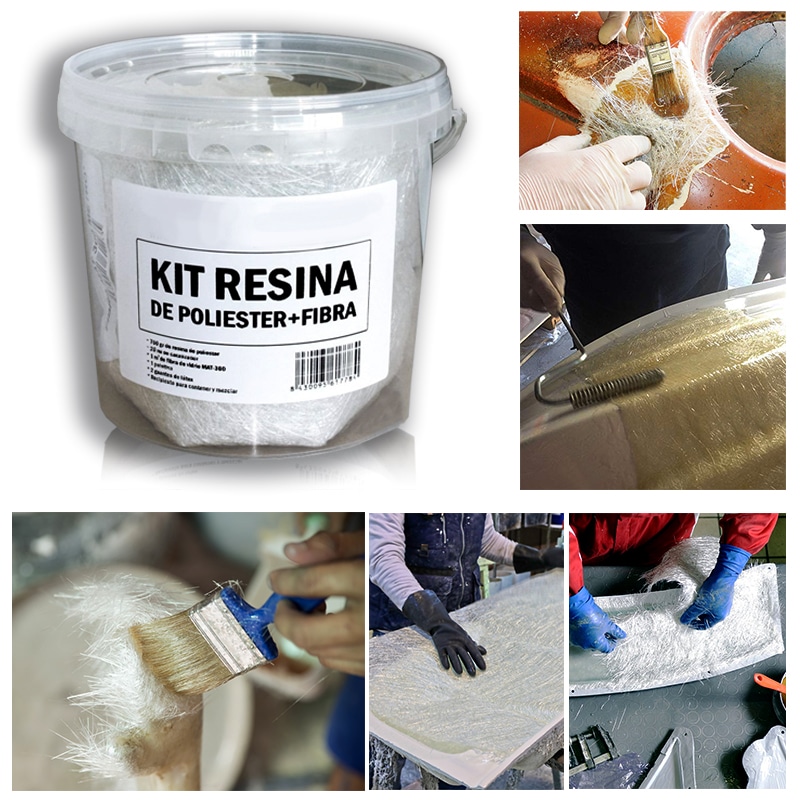
Repairing a crack in your resin sink not only restores its appearance but also prevents leaks and staining that can worsen over time. With the right approach, you can achieve a strong, seamless fix that will extend the life of your sink, saving you the cost and hassle of replacement. This guide provides detailed, practical steps for an effective and lasting repair, suitable for both minor and more significant cracks.
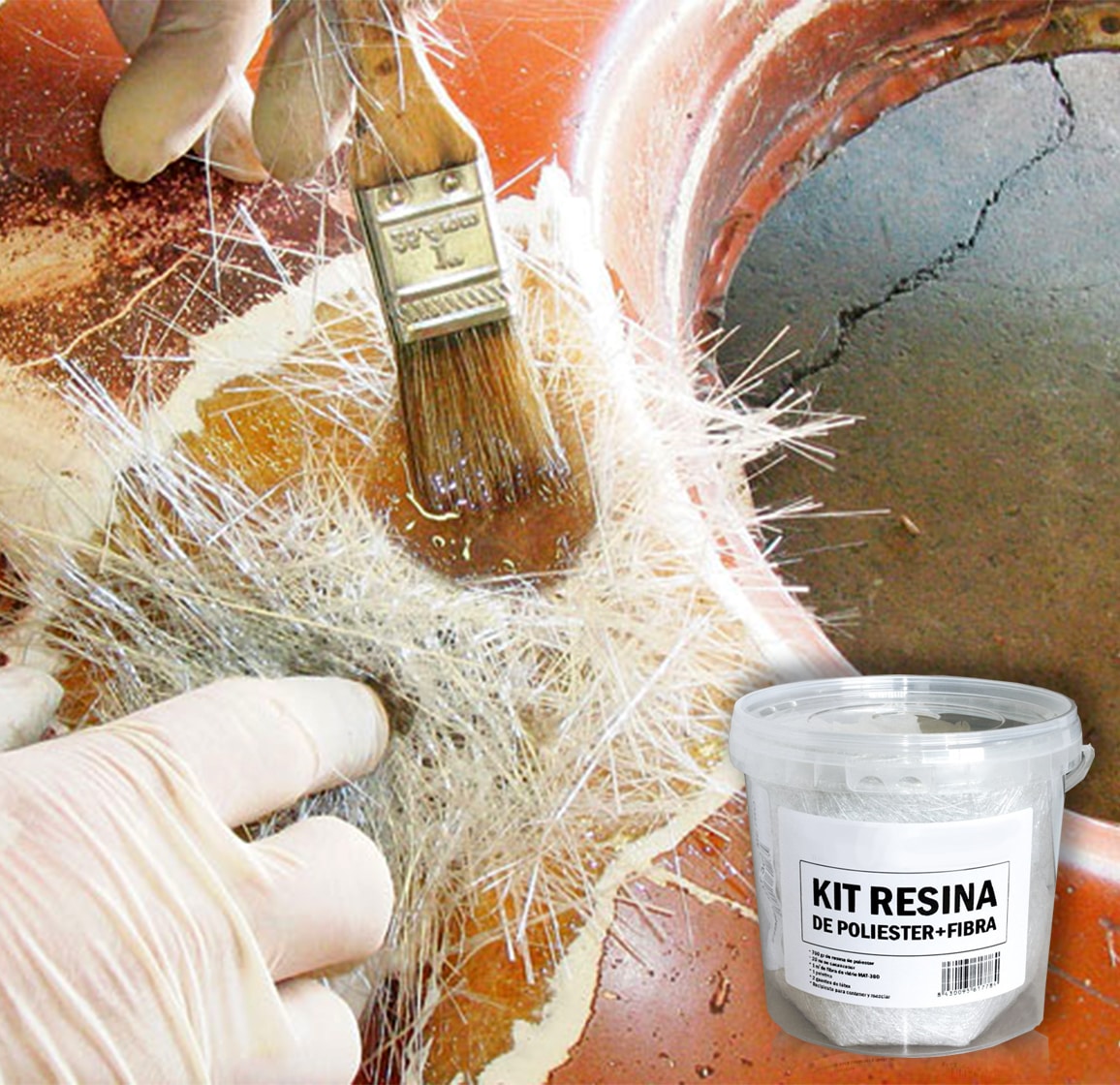
What You’ll Need
- Resin Fibreglass Repair Kit – Complete Polyester Resin and Hardener Set – For structural reinforcement and waterproofing.
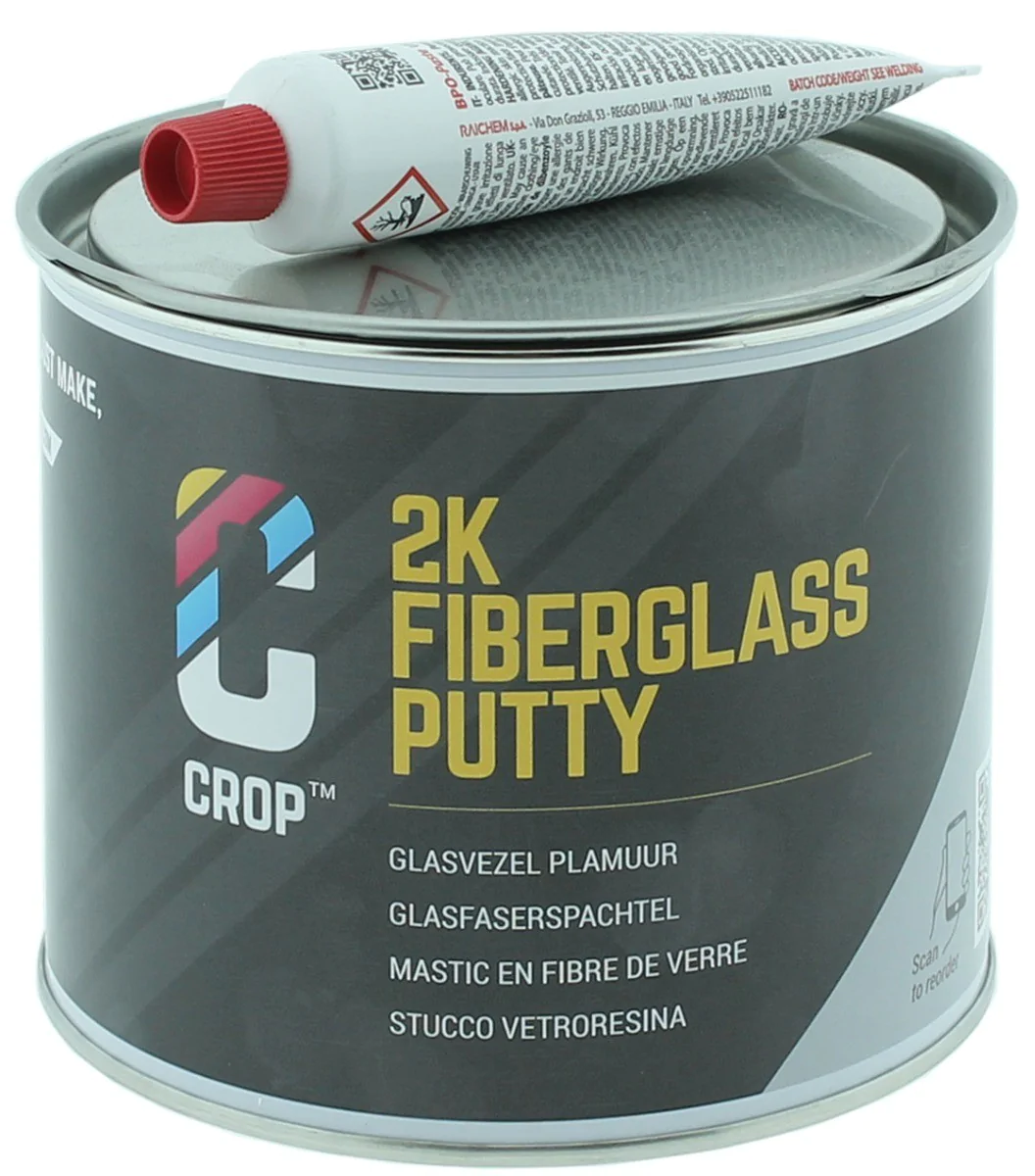
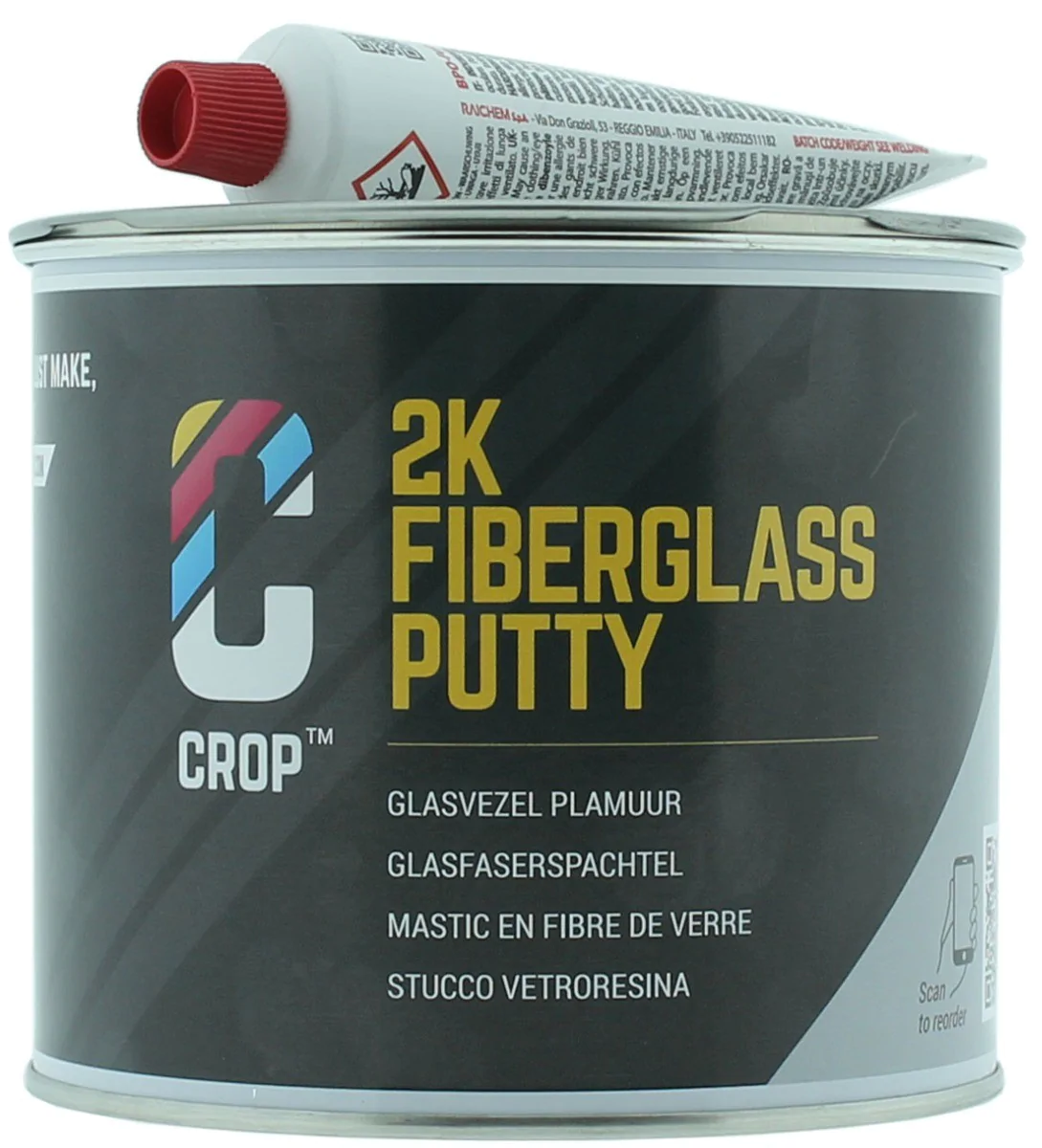
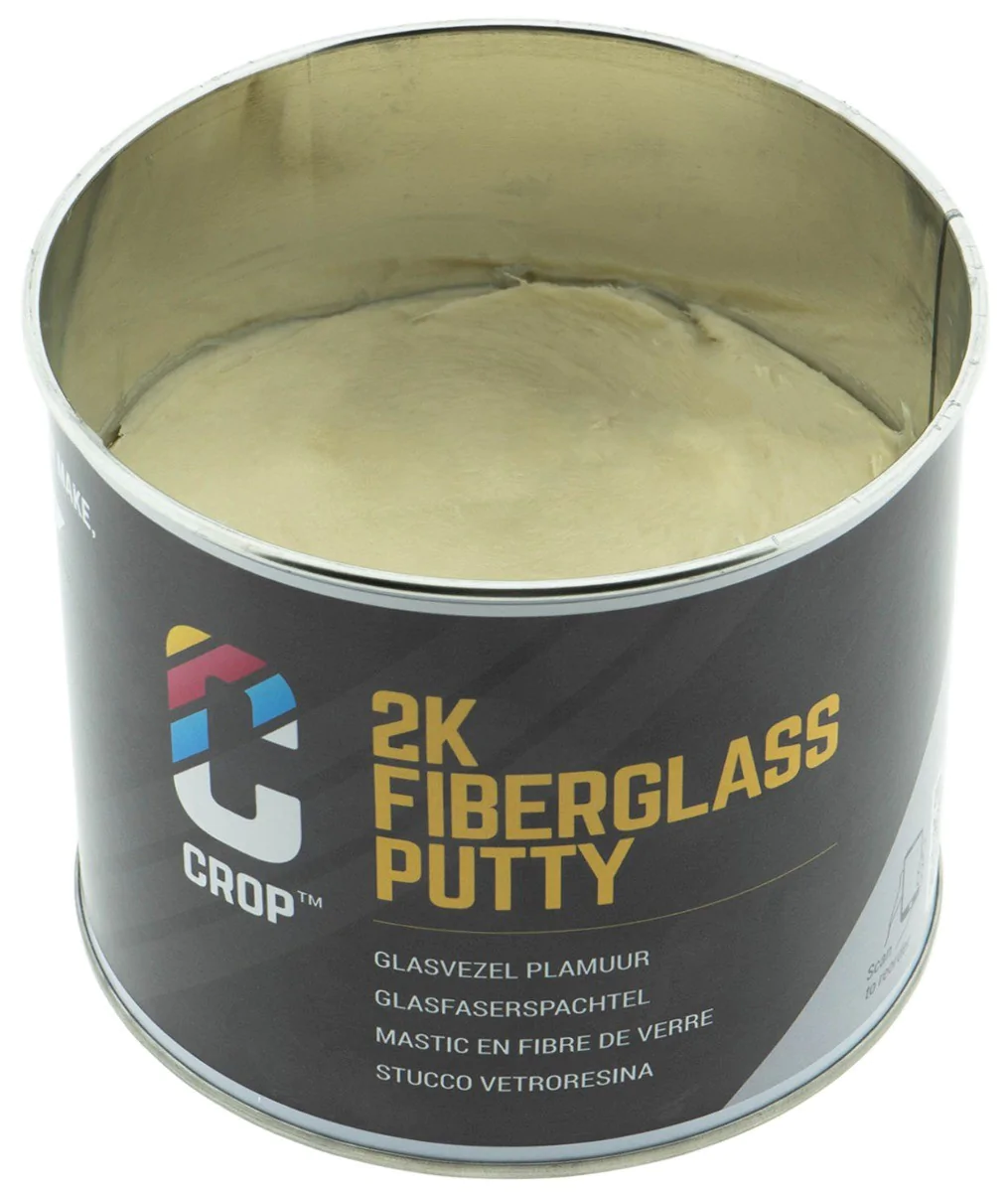
- CROP 2K Fiberglass Putty – 750 ml + Hardener – Perfect for filling cracks and restoring strength.
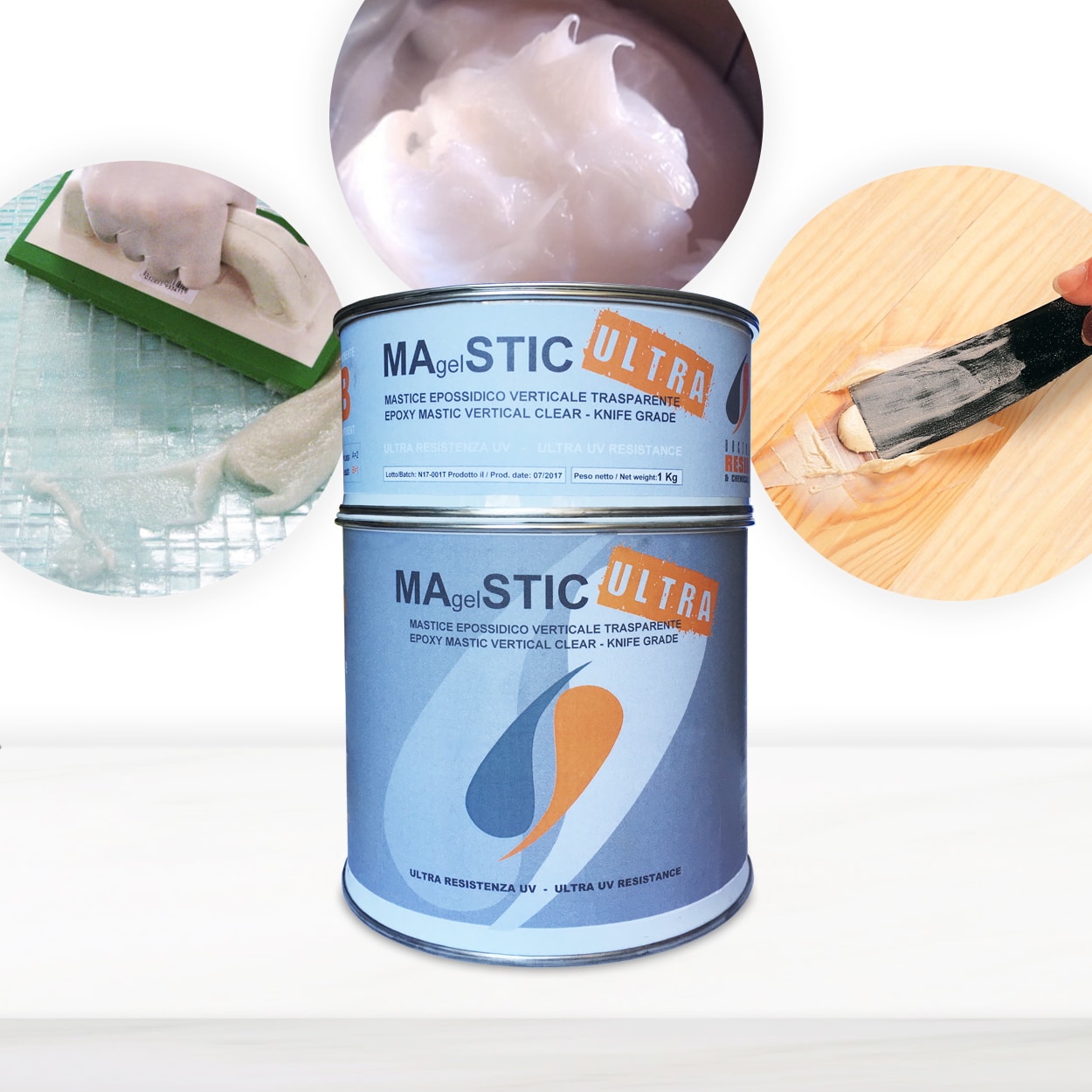
- “Magelstick” – Epoxy Mastic for Stone, Metal, and Cement Bonding and Grouting – Useful for precise grouting or bonding.
- “FixExpress” – Two-Component Epoxy Glue 500g – For quick repairs needing fast curing.
- Sandpaper (medium and fine grit)
- Cleaning cloths
- Protective gloves and mask
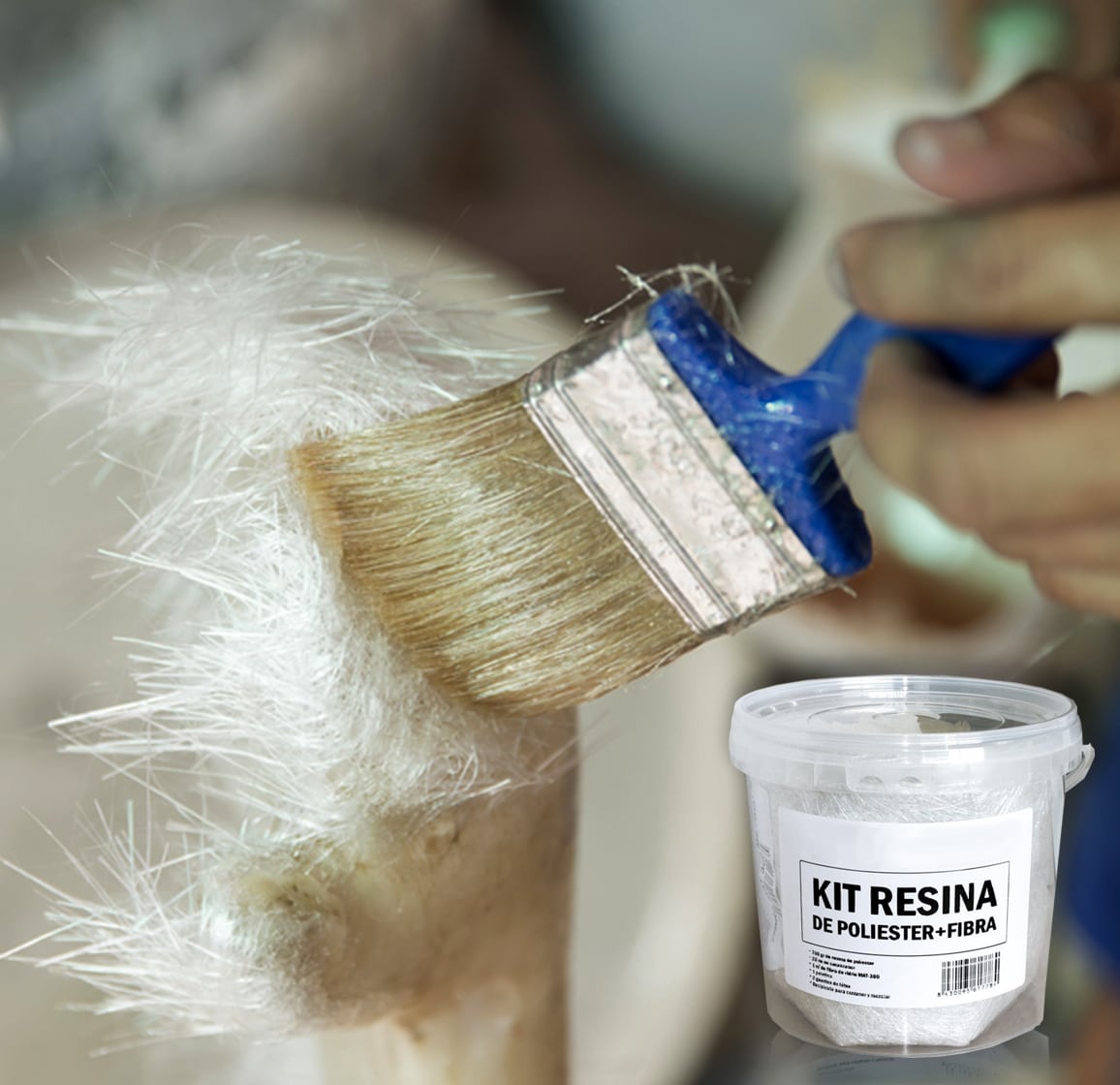
Repair Tools and Product Application in Action
See hands-on demonstrations of resin sink crack repairs, from surface preparation to final finishing. Explore detailed product application techniques using specialist adhesives, putties, and fibreglass repair kits for professional results.
Step 1: Prepare the Area
Start by ensuring the sink is completely dry and free of any residual moisture. Clean the cracked area thoroughly with a degreasing agent or mild detergent, removing any dirt, limescale, and soap residue. Use a soft cloth to dry the area and inspect the full length of the crack. Any loose or chipped resin should be carefully removed to create a stable working surface.
Sanding the area gently with medium-grit sandpaper helps roughen the surface, which improves adhesion for your chosen repair material. Wipe away any dust with a clean, dry cloth, making sure no particles remain within or around the crack.
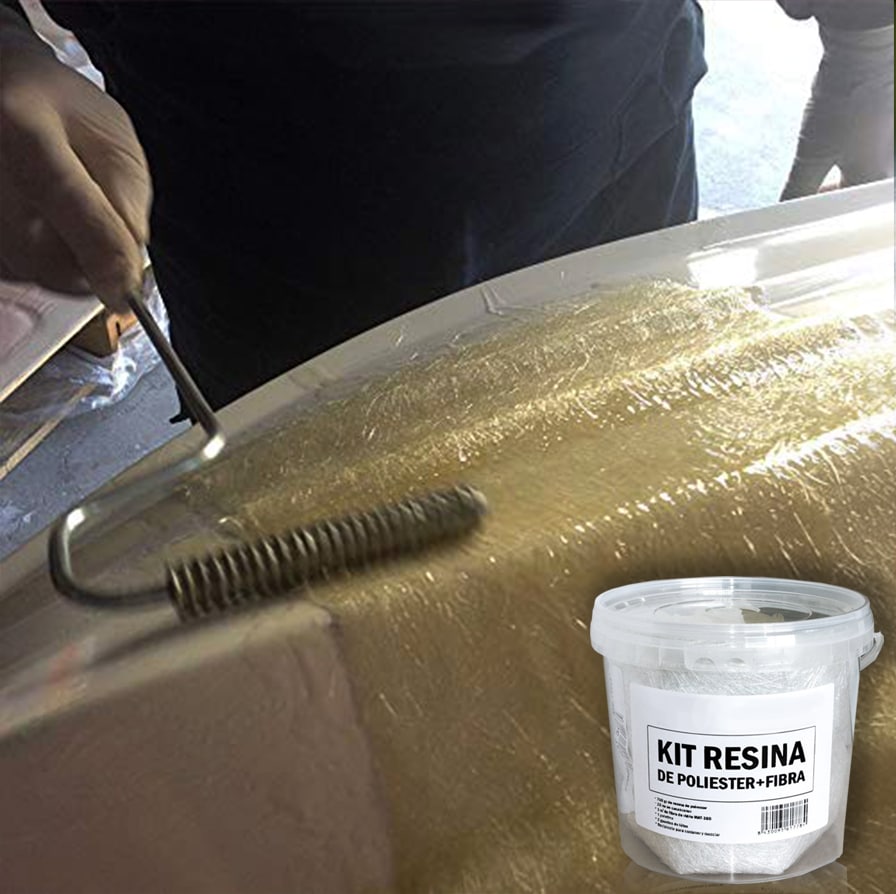
Step 2: Choose and Mix Your Repair Material
Depending on the severity and location of the crack, choose a suitable repair compound. For thin cracks or minor chips, a small amount of epoxy glue or mastic will suffice, while deeper, structural cracks may require a reinforced putty or full repair kit. Always follow the manufacturer’s instructions when mixing resins or hardeners, and prepare only as much as you can use within the recommended working time.
“FixExpress” – Two-Component Epoxy Glue 500g is ideal if you need a quick-setting adhesive. Its fast-curing nature makes it perfect for small cracks that require immediate handling. For larger cracks or deep cavities, the CROP 2K Fiberglass Putty – 750 ml + Hardener offers greater structural stability due to its fibreglass reinforcement.
Step 3: Apply the Repair Compound
Using a spatula or the tools provided in your repair kit, carefully press the mixed adhesive or putty into the crack, ensuring it fills the entire gap. Smooth the surface as much as possible, slightly overfilling if needed, since you can later sand it flush. Avoid entrapping air bubbles—work slowly and methodically for a professional finish.
If using the Resin Fibreglass Repair Kit – Complete Polyester Resin and Hardener Set for structural cracks, lay the supplied fibreglass mat over the crack and saturate with resin, following included instructions for optimal reinforcement and waterproofing.
Step 4: Allow to Cure and Finish the Surface
Let the repair fully cure according to the product instructions, ensuring the area remains clean and undisturbed. Once hardened, use fine-grit sandpaper to smooth the repaired surface so that it matches the rest of your sink. If required, finish with a compatible topcoat or polish to blend the repair seamlessly.
For very fine cracks or to bond materials like stone or metal details on composite sinks, “Magelstick” – Epoxy Mastic for Stone, Metal, and Cement Bonding and Grouting offers precise application for minimal shrinkage and a professional finish.
Tips, Common Mistakes, and Troubleshooting
- Prepare the area thoroughly – Any remaining moisture, dust, or soap can interfere with adhesion and prevent a lasting repair.
- Allow time for the repair to fully cure – Rushing the process often leads to weak, incomplete repairs that may fail under use.
- Check compatibility with your resin sink – Use only products recommended for composite, polyester, or epoxy sinks as applicable.
- Work in small batches – Especially when using resin and hardeners, as cure times are limited once mixed.
- Wear gloves and work in a ventilated area – Many repair compounds can irritate skin or release fumes while curing.
Before and After: Resin Sink Restoration Visuals
Compare close-up images of cracked resin sinks before and after expert repairs, highlighting the effectiveness of high-quality products and proper technique for seamless, long-lasting finishes.
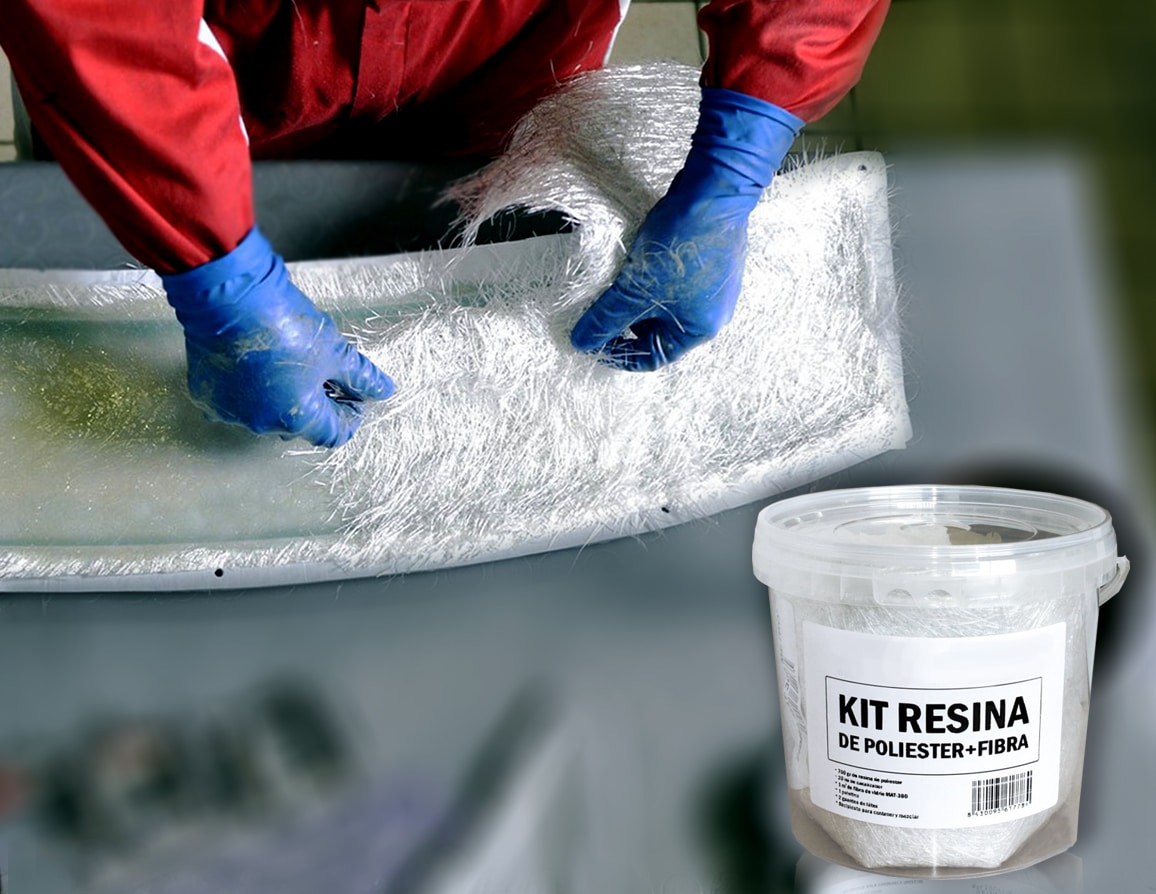
- Resin Fibreglass Repair Kit – Complete Polyester Resin and Hardener SetA complete repair kit designed for structural reinforcement using polyester resin and fibreglass mat, suited for various rigid materials.
- CROP 2K Fiberglass Putty – 750 ml + Hardener£15.85Fibreglass-reinforced polyester putty suitable for repair of cracks and dents with resistance to moisture and chemicals.
- "Magelstick" – Epoxy Mastic for Stone, Metal, and Cement Bonding and Grouting"Magelstick" Epoxy Mastic is designed for precise bonding and grouting of stone, metal, and cement surfaces, suitable for repair needs.
 "FixExpress" – Two-Component Epoxy Glue 500g£26.95"FixExpress" offers rapid repairs and strong adhesion suitable for repair tasks including resin sinks.
Frequently Asked Questions
Can a resin sink be repaired at home?
Yes, many cracks in resin sinks can be successfully repaired at home with the right materials and careful technique.
Which repair product is best for different types of cracks?
Small surface cracks can be fixed with fast-curing epoxy glue, while deep cracks may require fibreglass-reinforced putty or a full kit.
How long do repairs on a resin sink need to cure?
Cure times vary from 5 minutes to several hours depending on the product, so always refer to the instructions for accuracy.
Can a repaired resin sink hold hot water safely?
Once fully cured, most quality repairs will restore original strength and heat resistance, allowing normal use including hot water.
How can I blend the repair area with the rest of the sink?
Careful sanding and polishing after curing helps blend the fix with the sink. Some epoxies and mastics can be tinted for a closer colour match.
What should I do if the crack reappears after repair?
Recurrent cracks may indicate underlying stress or improper preparation. Consider a structural repair with a reinforced kit and review installation.