 Free shipping on orders over £29,85
  Shipping Tracking!


 Google
 Facebook
← Back to How do you use resin on bodywork?
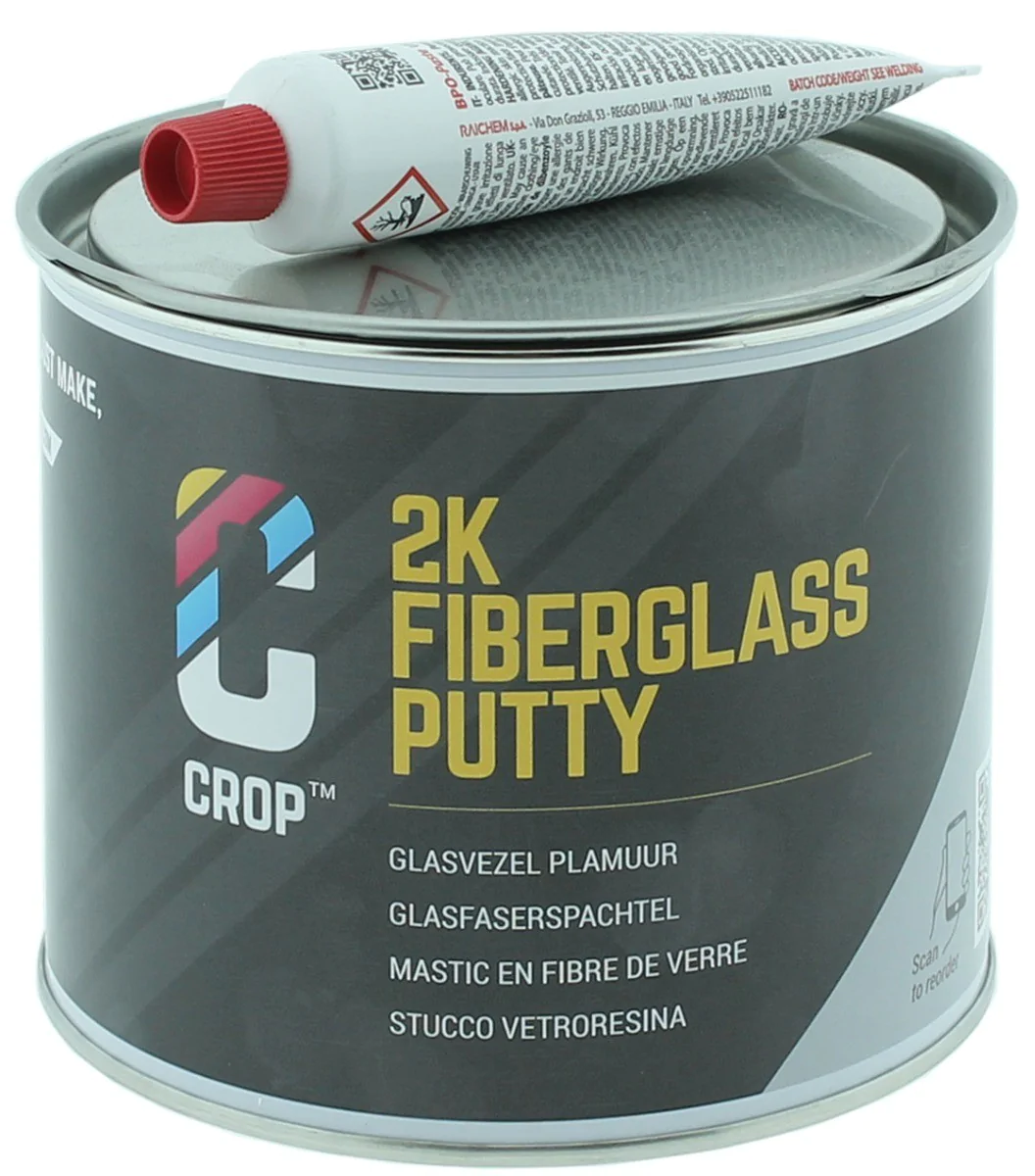
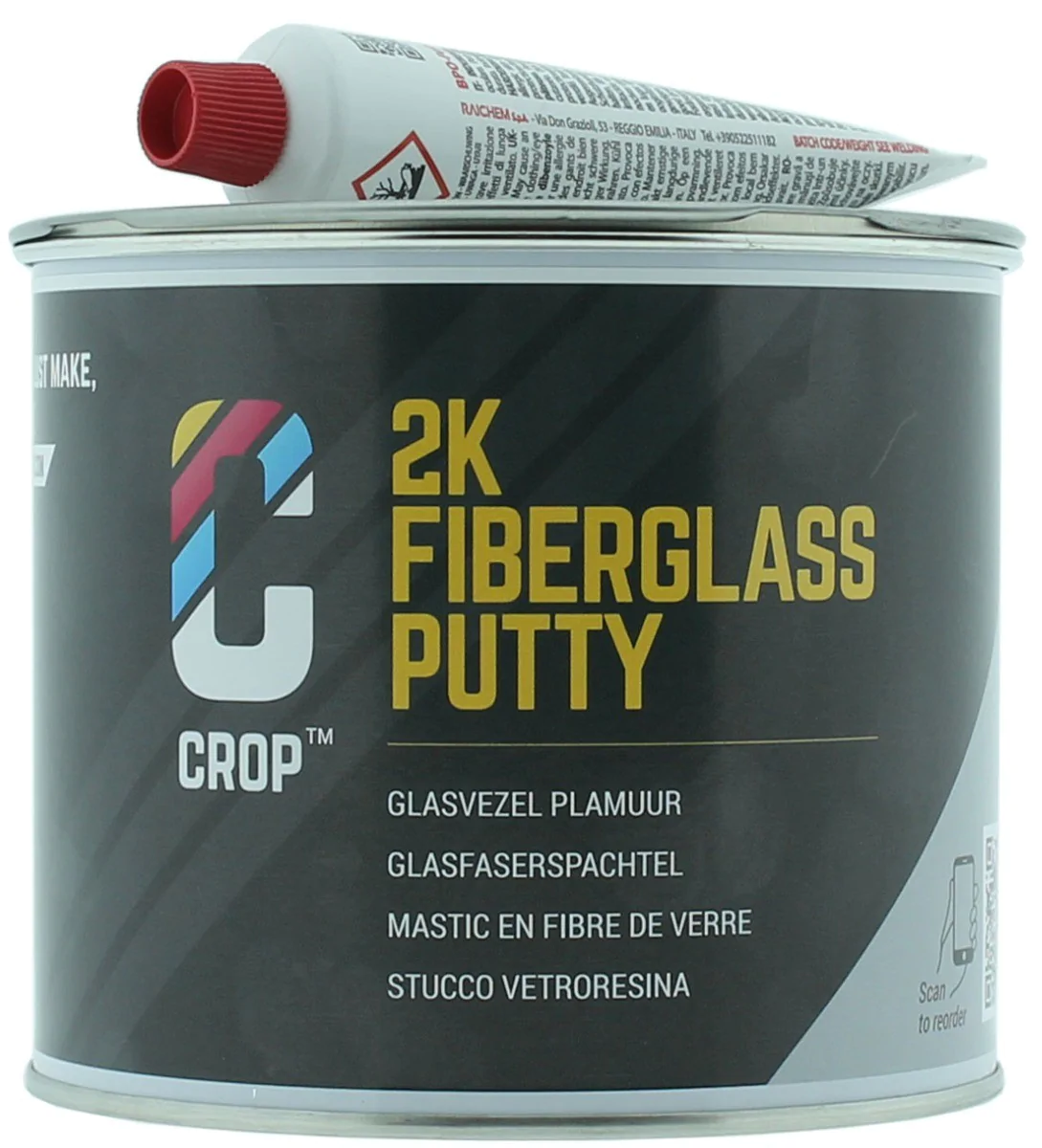
Preparing bodywork for resin repairs is key to achieving a solid, lasting result. If you’re considering applying resin over old paint, it’s important to know how surface condition affects adhesion and the longevity of your repair.
Should Resin Be Applied Over Old Paint?
While it might be tempting to save time, applying resin directly onto old paint is not recommended. Old paint can harbour hidden contaminants, loose flakes, or weakened areas that reduce the effectiveness of resin bonding. For an optimal and lasting bond, the resin should adhere directly to a stable, clean substrate such as bare metal or prepared fibreglass.

Surface Preparation: Best Practices
Proper preparation is crucial. Start by removing old, flaky, or loose paint in the repair area. A combination of sanding and gentle cleaning helps to expose a stable surface. After sanding, thoroughly degrease and clean the area to eliminate oils, dust, and residues. For this step, a product like the Strong Technical Degreaser is suitable for safely removing contaminants before resin application.
- Sand down to a sound base for optimal adhesion
- Remove all grease and dust after sanding
- Only apply resin to stable, uncontaminated surfaces
Choosing The Right Resin Product
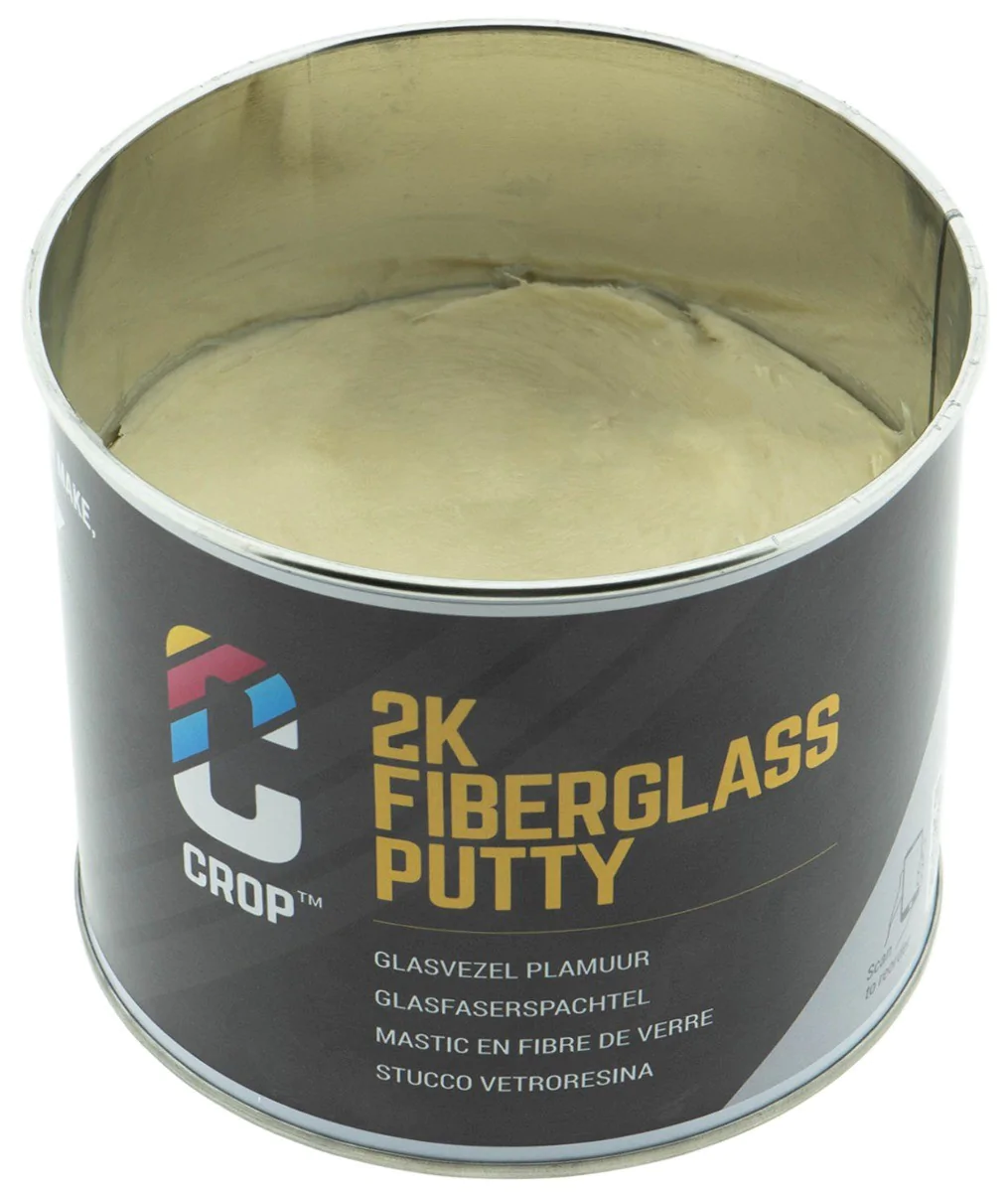
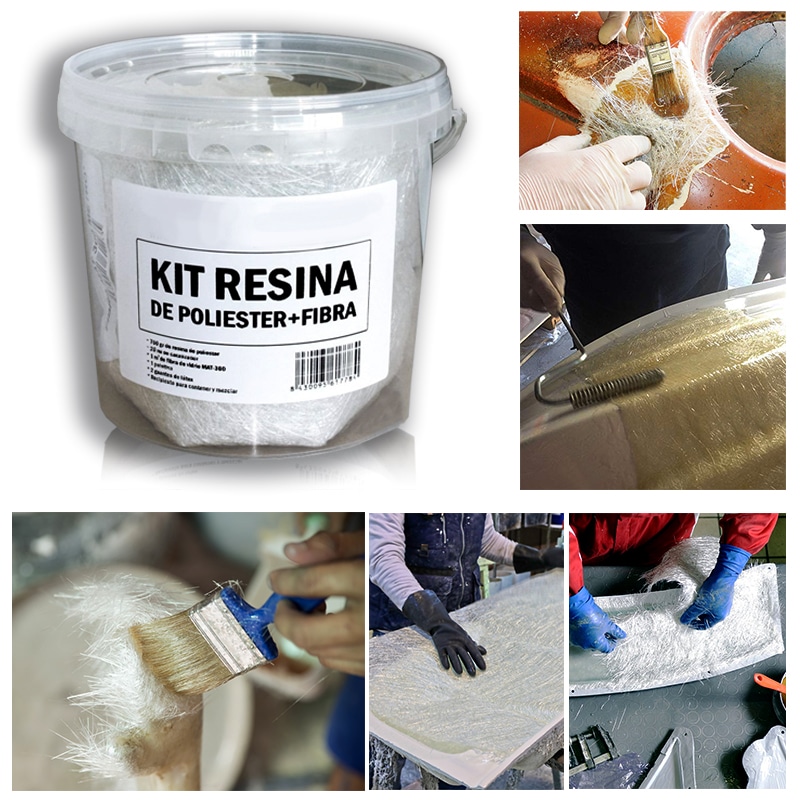
For bodywork requiring a strong, durable repair—particularly where shaping and sanding are necessary—a fibreglass-reinforced putty such as CROP 2K Fiberglass Putty – 750 ml + Hardener is an excellent choice. It’s designed to fill dents and cracks, and creates a robust layer ready for further finishing. For full repairs or reinforcement on composite surfaces, a resin and fibreglass kit provides structural integrity and waterproofing.
Related products
Related guides
By taking the time to prepare your bodywork properly before applying resin, you ensure repairs are strong and lasting. For more practical guidance on resin use for repairs, return to our main advice page on how to use resin on bodywork.