 Free shipping on orders over £29,85
  Shipping Tracking!


 Google
 Facebook
How do you use resin on bodywork?
Step-by-step instructions for professional bodywork repairs
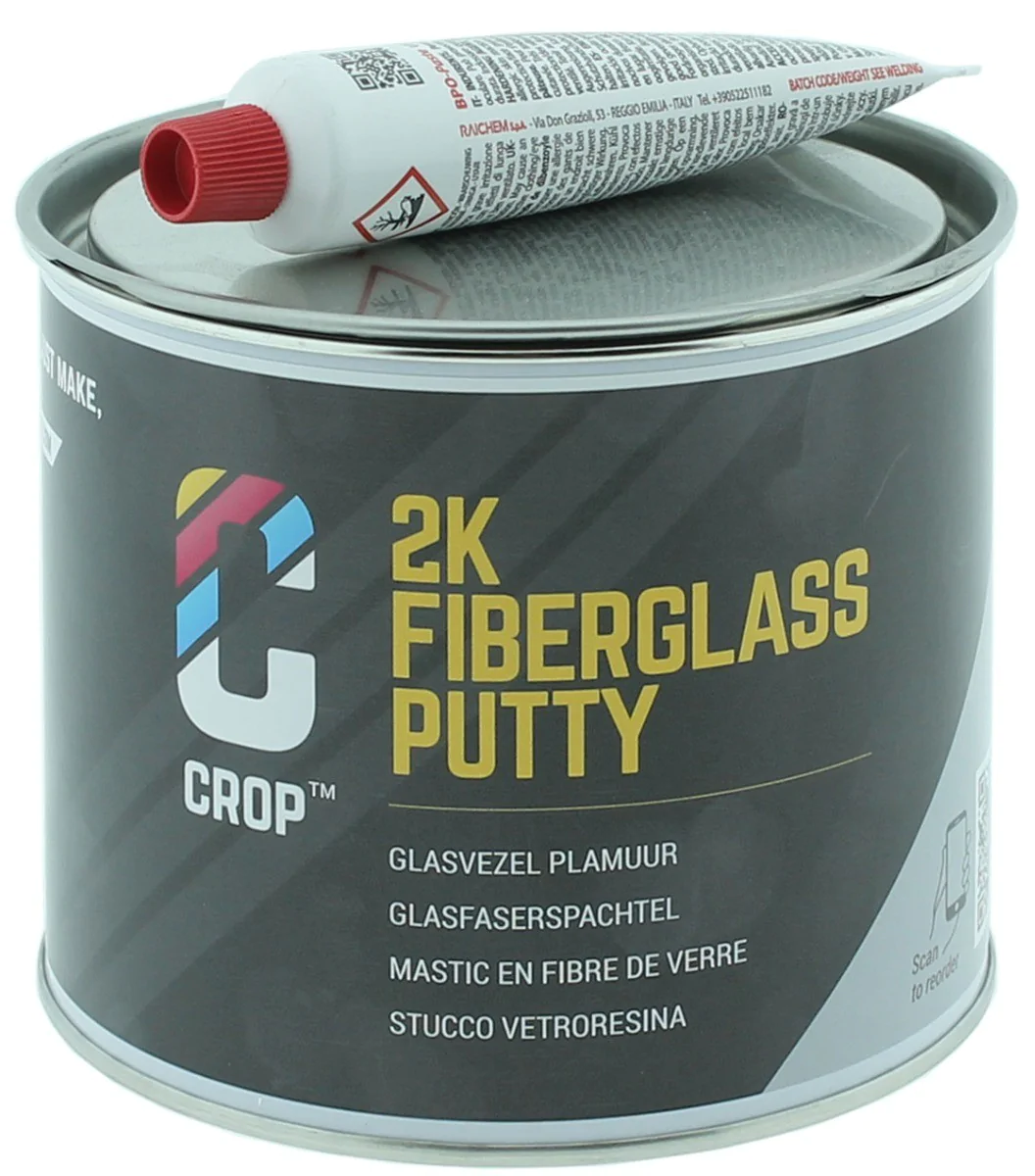
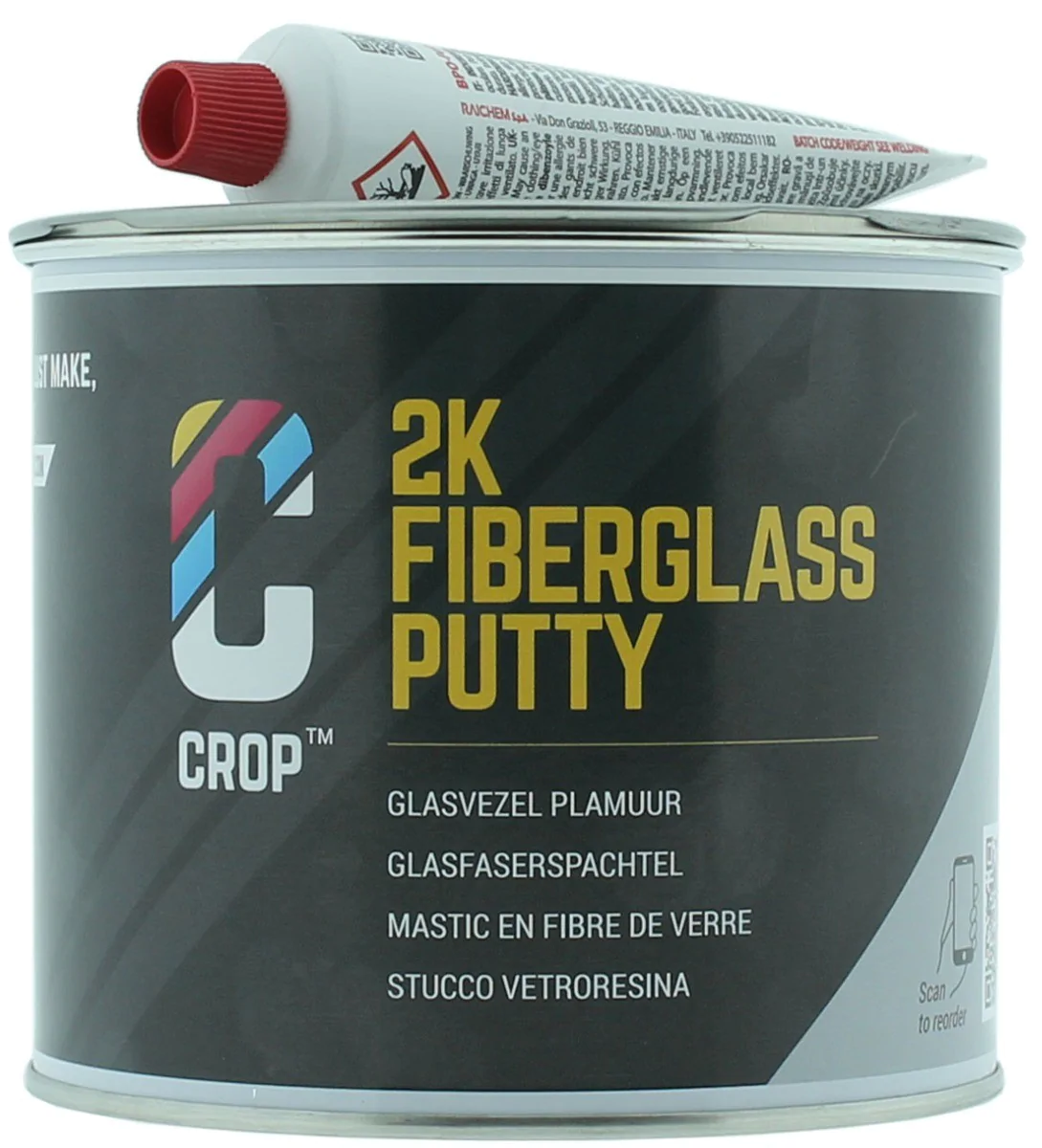
Whether repairing dents, restoring fibreglass panels, or strengthening automotive surfaces, using resin on bodywork can create a smooth, resilient finish that stands up to stress and weather. This guide covers how to achieve durable, professional results step by step.
What You’ll Need
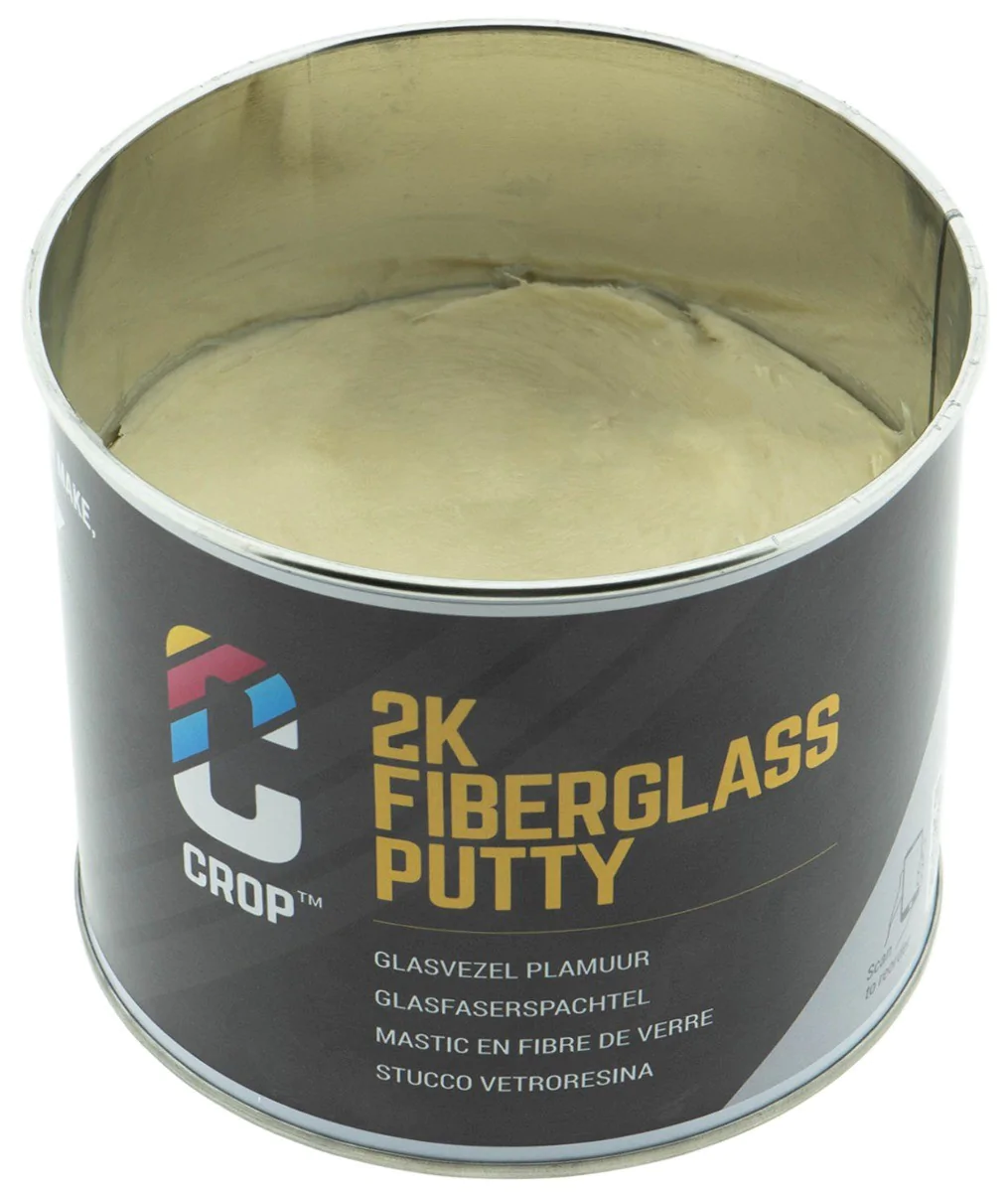
- CROP 2K Fiberglass Putty – 750 ml + Hardener: Two-component putty for filling cracks and dents
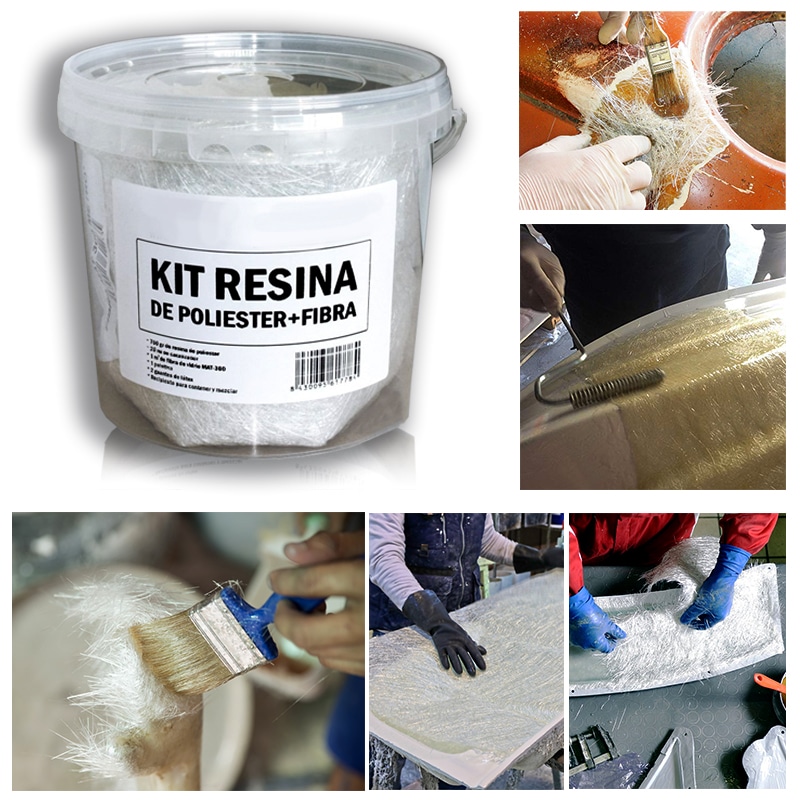
- Resin Fibreglass Repair Kit – Complete Polyester Resin and Hardener Set: All-in-one kit for structural and fibreglass repairs
- “Carbon Resin” – Epoxy Resin for Carbon Fiber & Fiberglass Coating: For advanced composite repairs or coatings
- Strong Technical Degreaser for Resin Projects – 100% Natural Formula: For cleaning and preparing surfaces
- Protective gloves, dust mask, sanding paper (various grits), mixing container, clean rags, and application brush
Essential Tools and Product Demonstrations
Watch how to prepare surfaces, mix resin and hardener, and see real-world applications of fibreglass repair kits for car panels and bodywork. Correct tool usage ensures a smooth and lasting repair.
Step 1: Prepare and Clean the Damaged Area
Begin by removing any paint, rust, or loose debris from the repair area using coarse sanding paper or a wire brush. The aim is to expose clean, solid material for the resin to bond with. Pay special attention to edges and contours for an even repair surface. Wash away fine dust, then thoroughly degrease using a dedicated cleaner to prevent oil or silicone from affecting the repair bond.
You can use Strong Technical Degreaser for Resin Projects – 100% Natural Formula to ensure surfaces are completely free of contaminants before application.
Step 2: Mix the Resin or Putty Components
Read the instructions on your chosen resin, putty, or repair kit to select the correct mixing ratio and technique. Wear gloves and measure both base and hardener precisely, mixing in a clean, dust-free area. Stir with a disposable mixing stick until the colour and texture are fully uniform to avoid incomplete curing or weak bonds.
If you’re addressing deep dents or structural cavities, prepare enough mixture for the repair size to ensure a continuous, bubble-free application.
Step 3: Apply the Resin and Build Up Layers
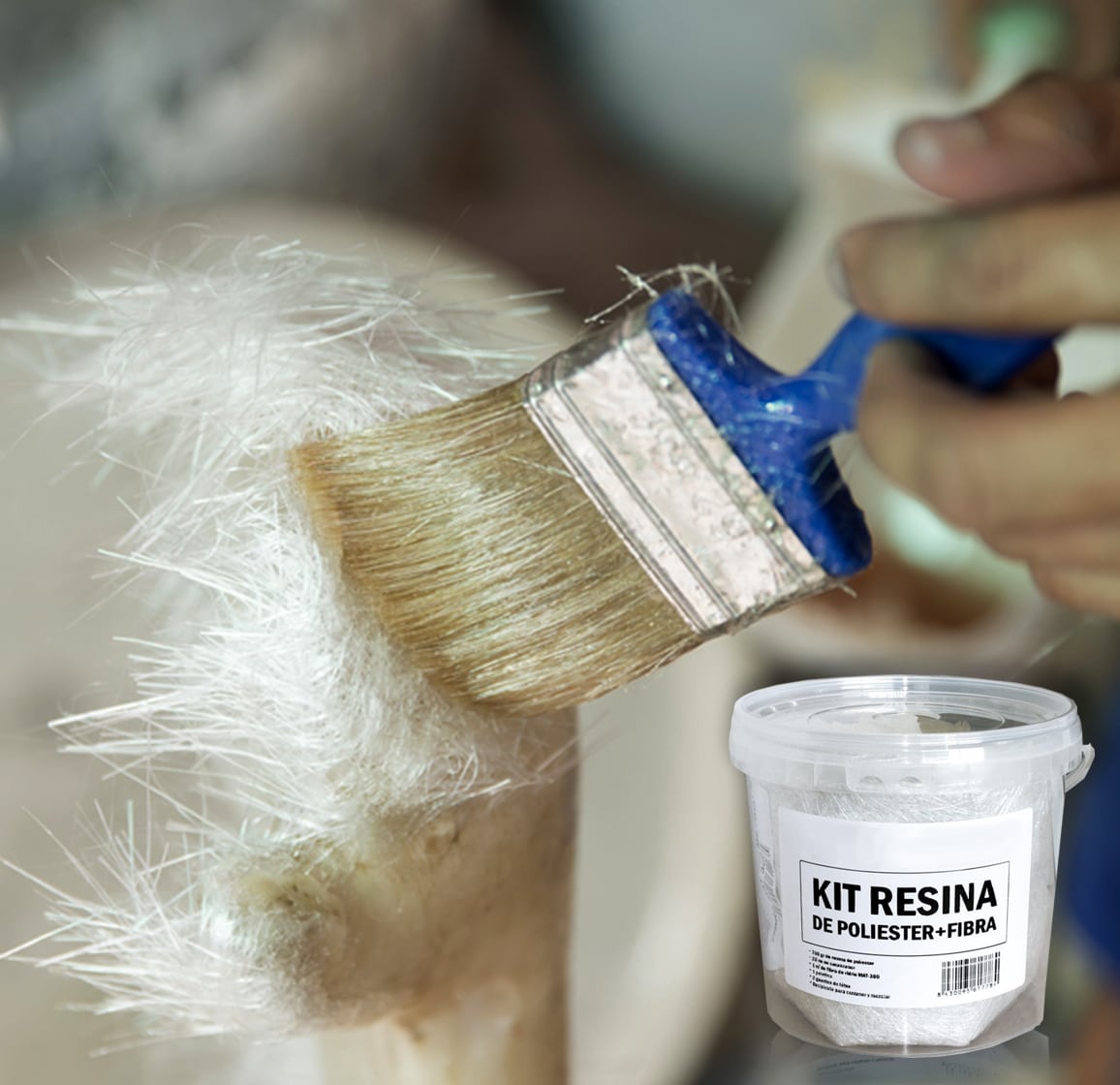
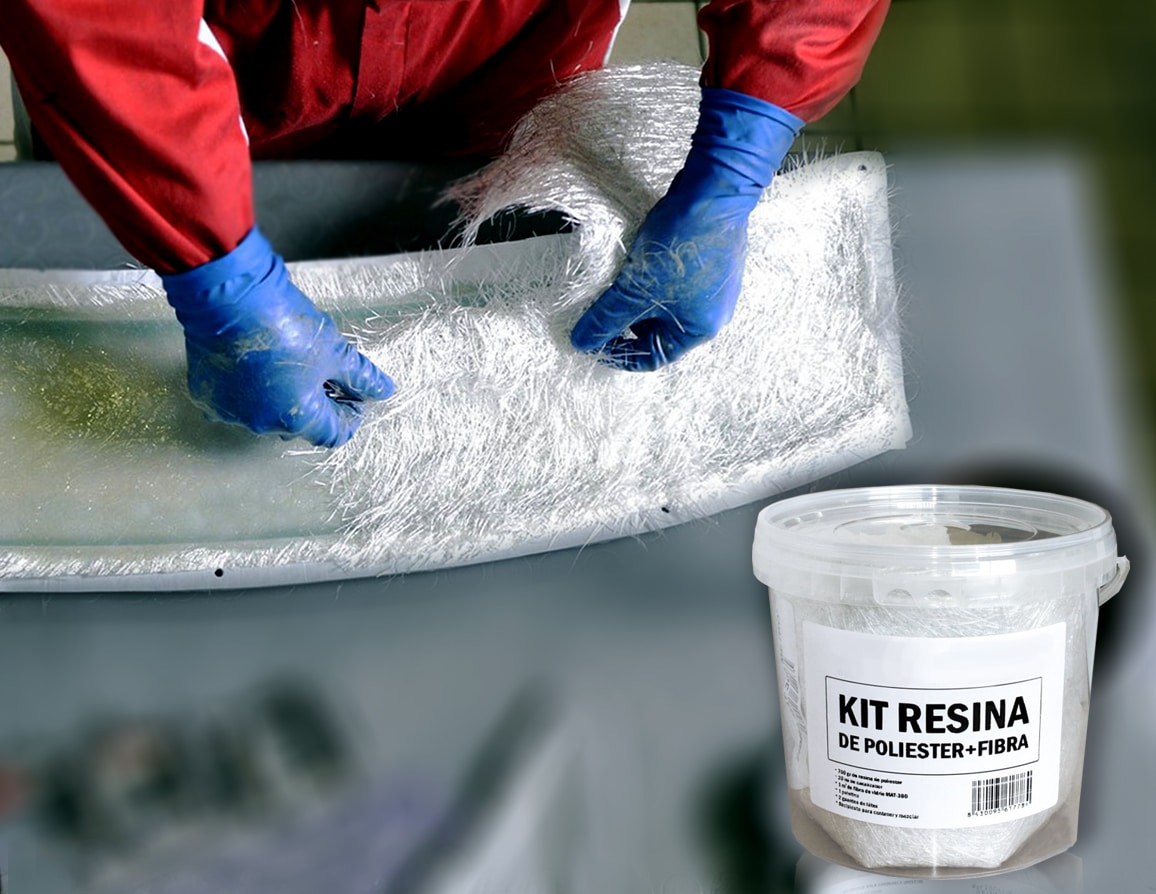
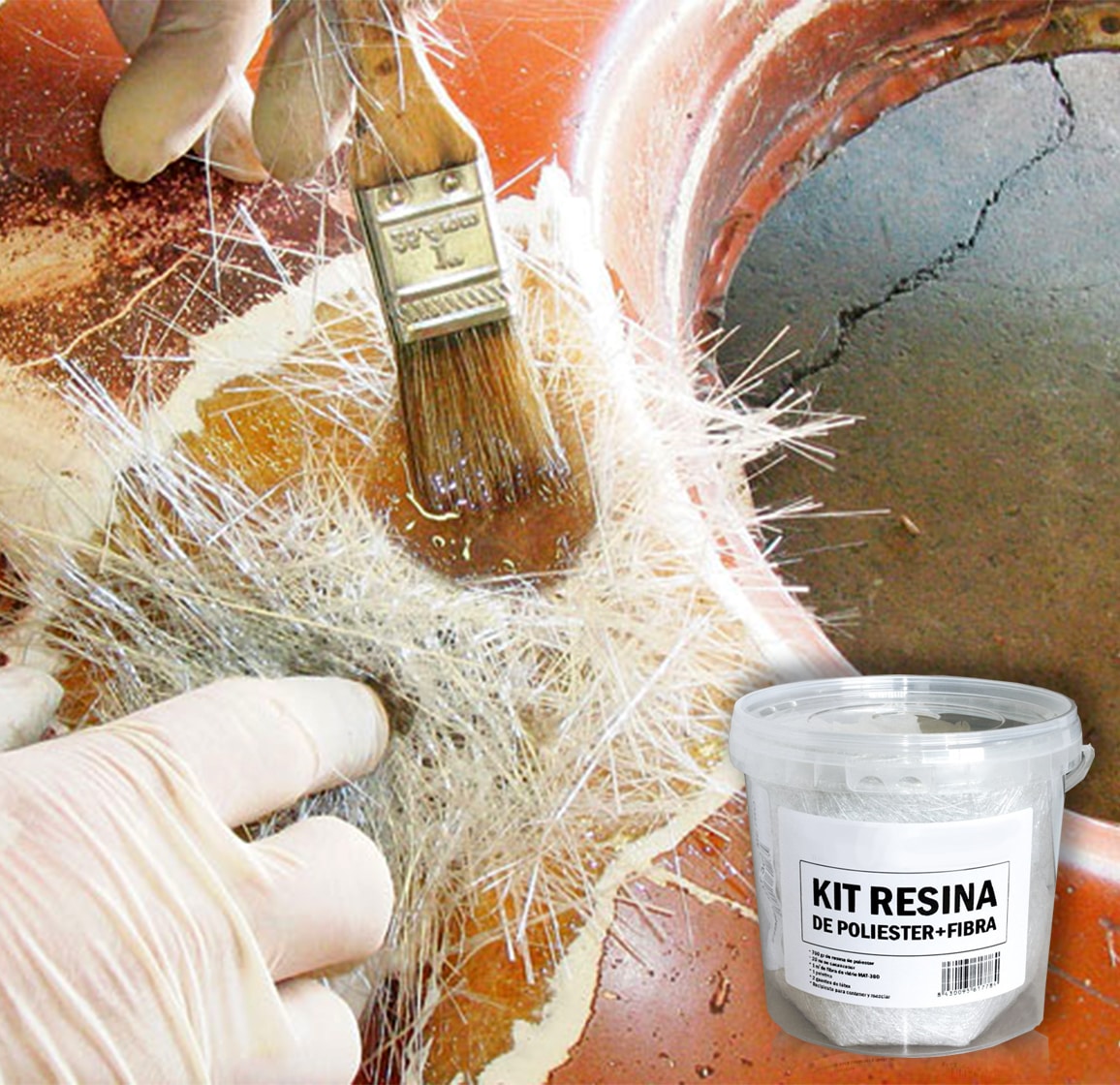
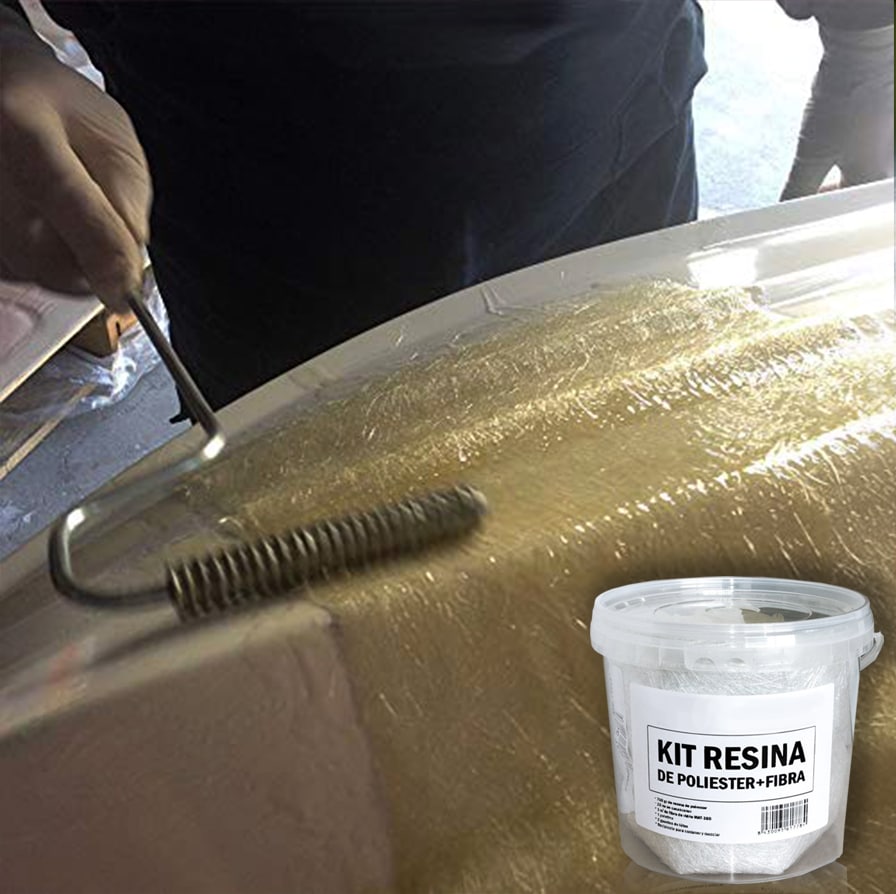
Spread the resin or putty evenly onto the prepared surface, pressing firmly to force the material into cracks and voids. Use a spatula or application brush for precise placement. For fibreglass-based repairs, as with automotive panels or larger cracks, layer the resin and mat alternately, gently rolling out air pockets as you go.
Follow the manufacturer’s advice on maximum layer thickness and recommended waiting times. For larger surface work, the Resin Fibreglass Repair Kit – Complete Polyester Resin and Hardener Set contains the needed resin, fibreglass mat, and accessories for proper lamination.
Step 4: Allow to Cure and Sand for a Smooth Finish
Allow the repair to cure fully according to the resin or putty instructions. Do not attempt to sand or shape the surface while it remains tacky, as this can damage the integrity of the bond. Once hardened, use progressively finer sanding grits to shape and level the area, blending it smoothly with the rest of the bodywork.
If a high-gloss or composite finish is required, consider using “Carbon Resin” – Epoxy Resin for Carbon Fiber & Fiberglass Coating for a top layer that cures with strength and shine.
Tips, Common Mistakes, and Troubleshooting
- Thorough surface preparation is crucial for resin adhesion. Skipping degreasing or leaving dust reduces durability.
- Apply resin in thin, even coats to avoid bubbles. Overloading leads to sagging and trapped air.
- Allow each layer to cure fully for best durability. Don’t rush between coats or before sanding.
- Rushing through curing and sanding can lead to weak repairs. Patience yields a longer-lasting, smoother result.
- If in doubt, always follow the timing and ratios given in your product’s instructions for reliable outcomes.

Real Project Examples and Finishing Tips
Get inspiration from actual before-and-after bodywork repairs using putties, fibreglass kits, and epoxy coatings. See how careful sanding and layering create a seamless, professional finish on your project.

- CROP 2K Fiberglass Putty – 750 ml + Hardener£15.85CROP 2K Fiberglass Putty is a fibreglass-reinforced product suitable for bodywork repairs requiring strength and durability.
- Resin Fibreglass Repair Kit – Complete Polyester Resin and Hardener SetThe Resin Fibreglass Repair Kit offers a ready-to-use polyester resin and hardener set designed for structural repairs in line with bodywork use.
- "Carbon Resin" – Epoxy Resin for Carbon Fiber & Fiberglass CoatingPrice range: £19.95 through £37.95This epoxy resin is designed for carbon fibre and fibreglass coating, providing a durable, bubble-free impregnation with a glossy finish.
 Strong Technical Degreaser for Resin Projects – 100% Natural FormulaOriginal price was: £10.95.£9.45Current price is: £9.45.A gentle, natural degreaser designed for use on various surfaces including those involved in resin projects.
Frequently Asked Questions
Can I use resin to repair car bodywork?
Yes, resin can be used for repairing cracks, dents, and fibreglass sections on car bodywork when applied with careful surface preparation.
How long does resin for bodywork take to cure?
Curing time varies by product, but most polyester and epoxy resins require several hours to fully harden for sanding and finishing.
Should I wear protective equipment when working with resin?
Yes, always wear gloves, a mask, and eye protection to prevent irritation from fumes or contact with uncured resin.
What type of sanding paper should I use after applying resin?
Start with coarse grit for shaping, then progress to finer grits to achieve a smooth and even finish ready for painting.
How can I prevent bubbles in resin bodywork repairs?
Apply the resin slowly in thin layers and use a roller or spatula to remove trapped air as you work.
Can resin be applied over old paint on bodywork?
It's best to remove old paint and clean the area thoroughly so the resin adheres directly to stable, uncontaminated surfaces.
How many coats of resin are needed for bodywork repair?
Usually 1–2 layers are sufficient, but multiple thin coats may be built up for deeper repairs, allowing full cure between each application.