 Free shipping on orders over £29,85
  Shipping Tracking!


 Google
 Facebook
← Back to How do you use resin on bodywork?
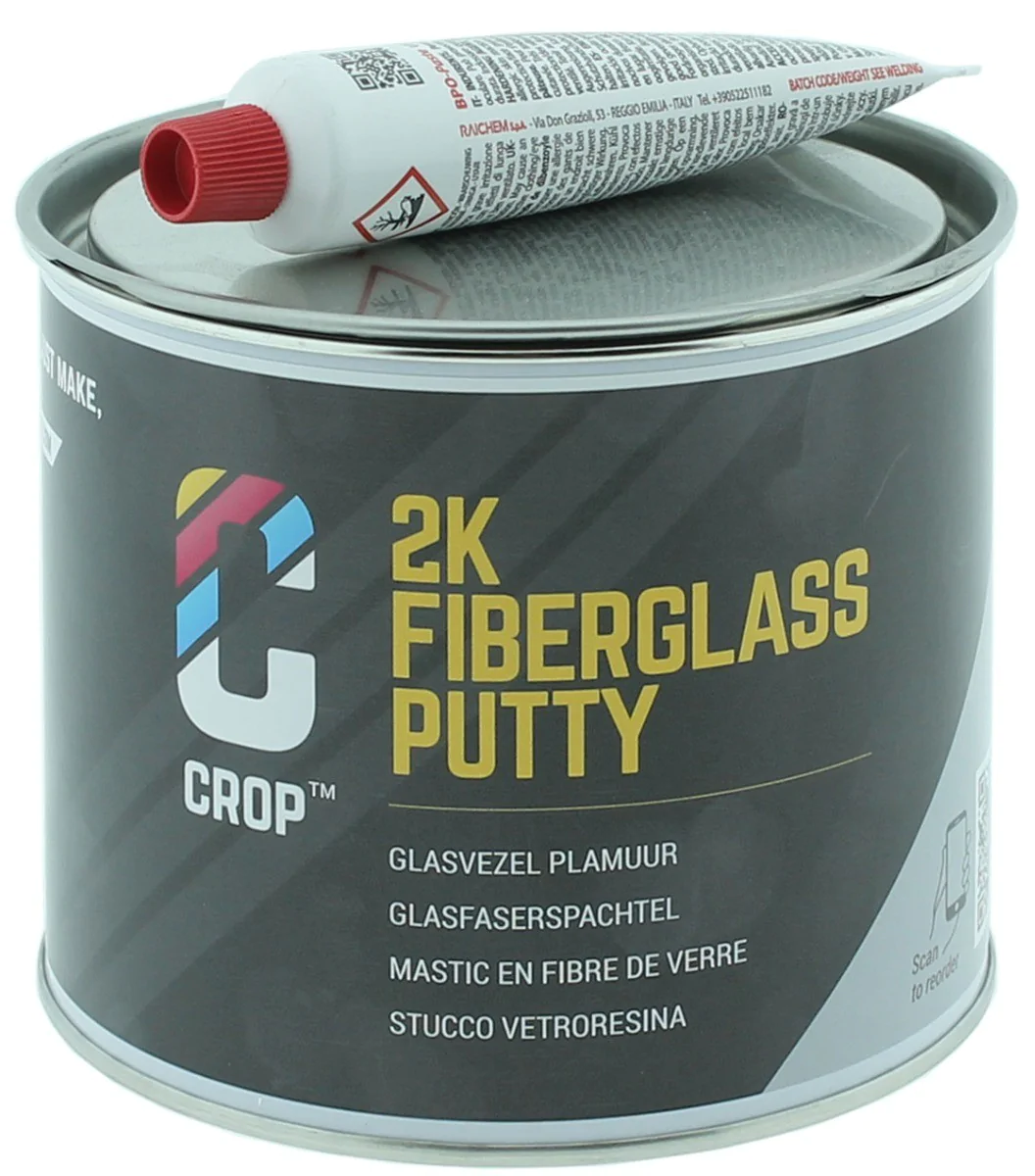
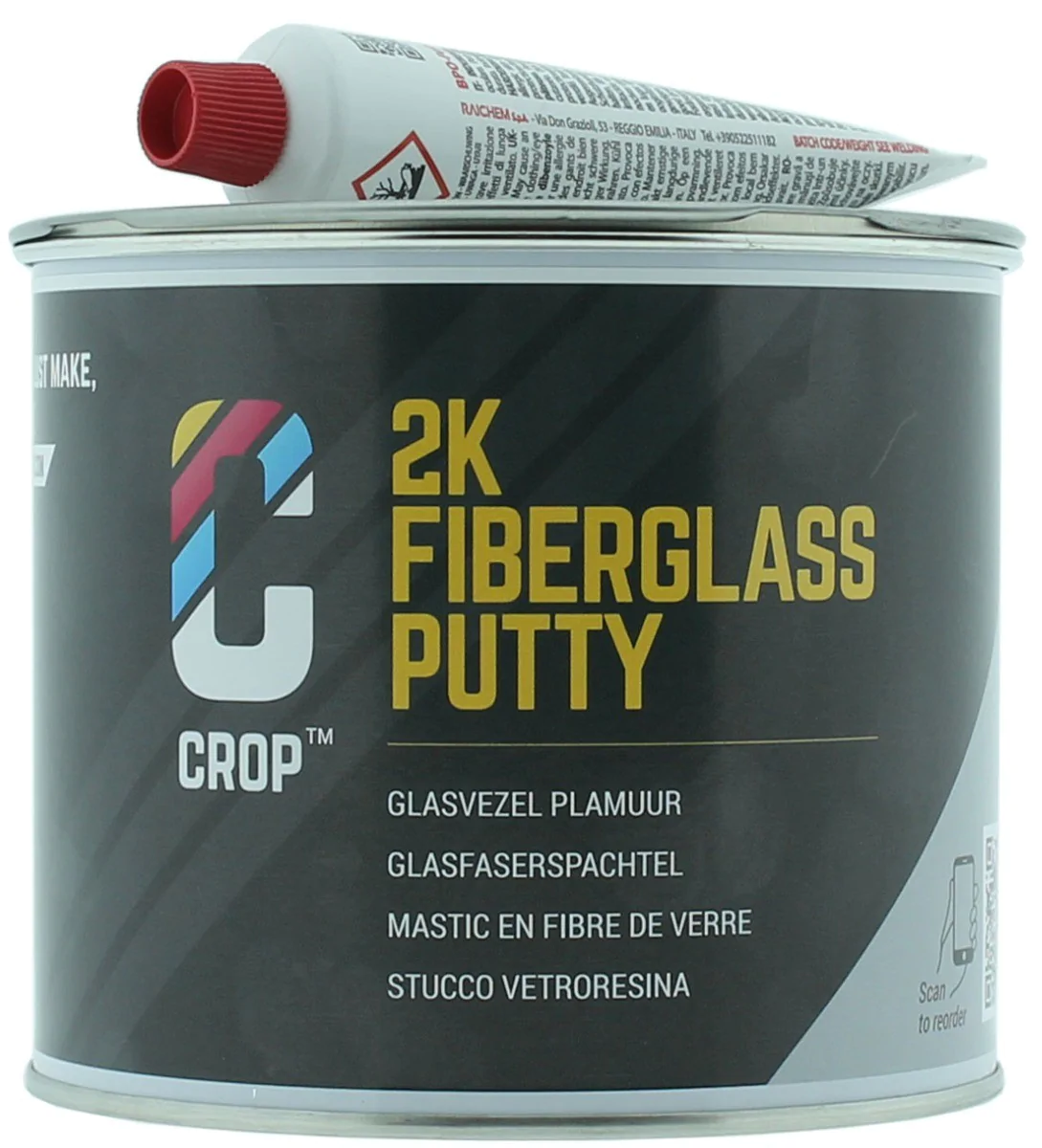
When repairing vehicle bodywork with resin, knowing how many coats to apply is crucial for achieving a lasting, smooth, and durable finish. Finding the right approach prevents wasted materials and ensures proper restoration.
Determining the Right Number of Resin Coats
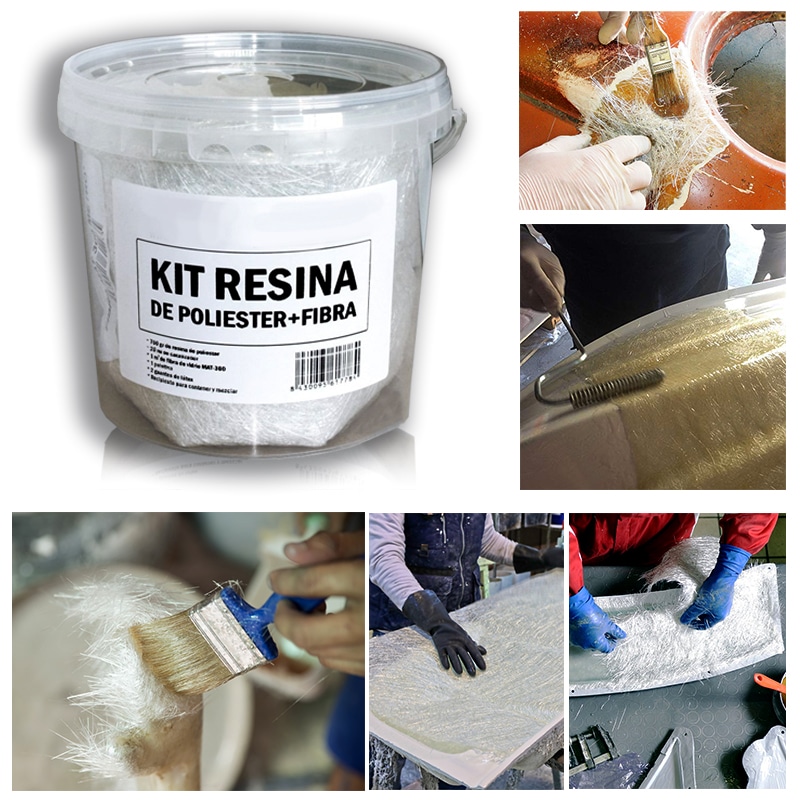
For most minor repairs—such as small dents, scratches, or shallow cracks—1 or 2 thin coats of resin are usually enough to cover and reinforce the affected area. For deeper repairs, including filling significant cavities or structural reinforcement, it can be beneficial to build up several thin layers. Always allow each coat to fully cure before adding the next to avoid soft spots and to maintain proper strength.

Tips for Successful Application
- Clean thoroughly: Ensure all surfaces are free from grease, dust, and loose paint to promote adhesion.
- Apply thin layers: Multiple thin coatings bond better and cure more evenly than a single thick application.
- Allow full curing: Patience is key—wait for each coat to harden before continuing.
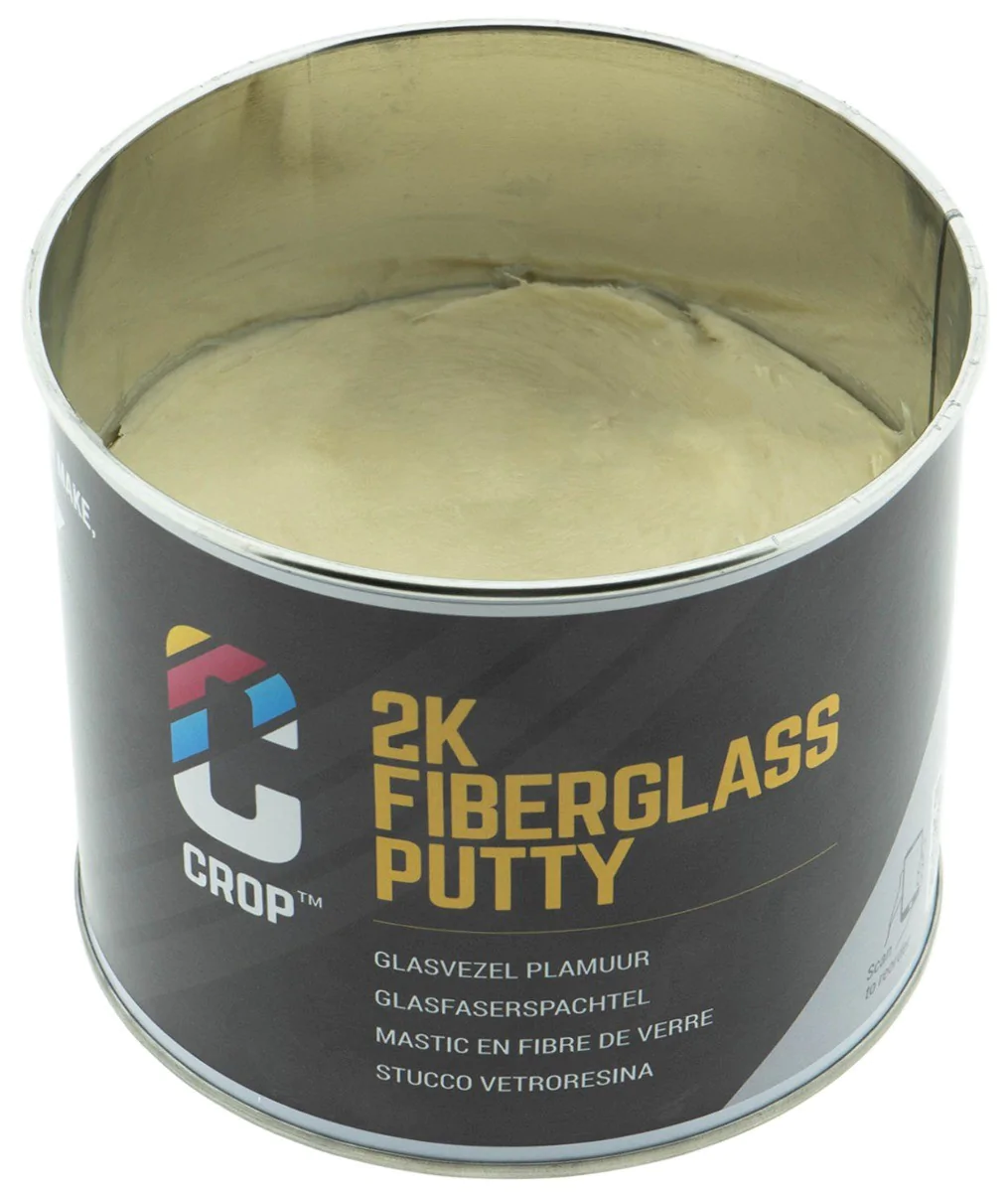
If you need extra strength and filling capability, consider products like CROP 2K Fiberglass Putty, especially for filling cracks, dents, or deeper damage.
When This Matters Most
Choosing the right number of resin coats is vital when the repair area will experience mechanical stress, repeated wear, or be exposed to the elements. Building up layers appropriately helps prevent future cracking or water ingress, and ensures a long-lasting fix.
Related products
Related guides
Getting the right resin application technique is key to successful bodywork repairs. If you’d like a complete overview on using resin for vehicle restoration, see our full guide: How do you use resin on bodywork?