 Free shipping on orders over £29,85
  Shipping Tracking!


 Google
 Facebook
← Back to How to repair a bumper with resin?


Choosing between epoxy or polyester resin for repairing a damaged bumper is a common dilemma. Both options are suited to car bodywork, but each has unique strengths to consider.
Epoxy vs Polyester Resin: Key Differences
Epoxy resin offers outstanding mechanical strength and creates long-lasting, durable bonds, making it a favourite for repairs that demand resilience. Its excellent adhesion suits rigid plastics, fibreglass, and metals often found in bumpers. Curing typically occurs at room temperature, allowing for a professional-grade, glossy finish that holds up against impacts.
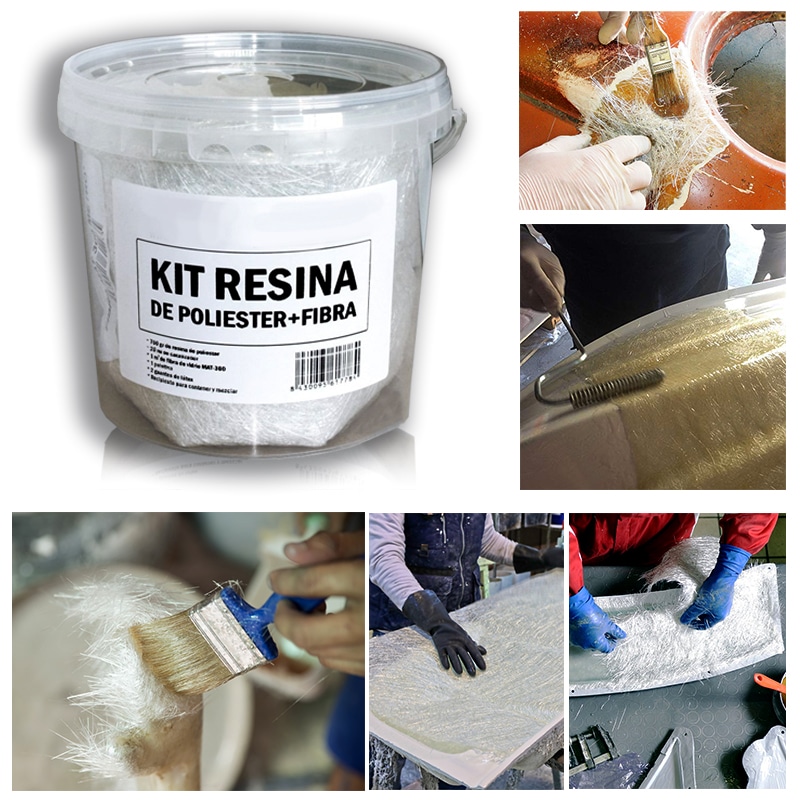
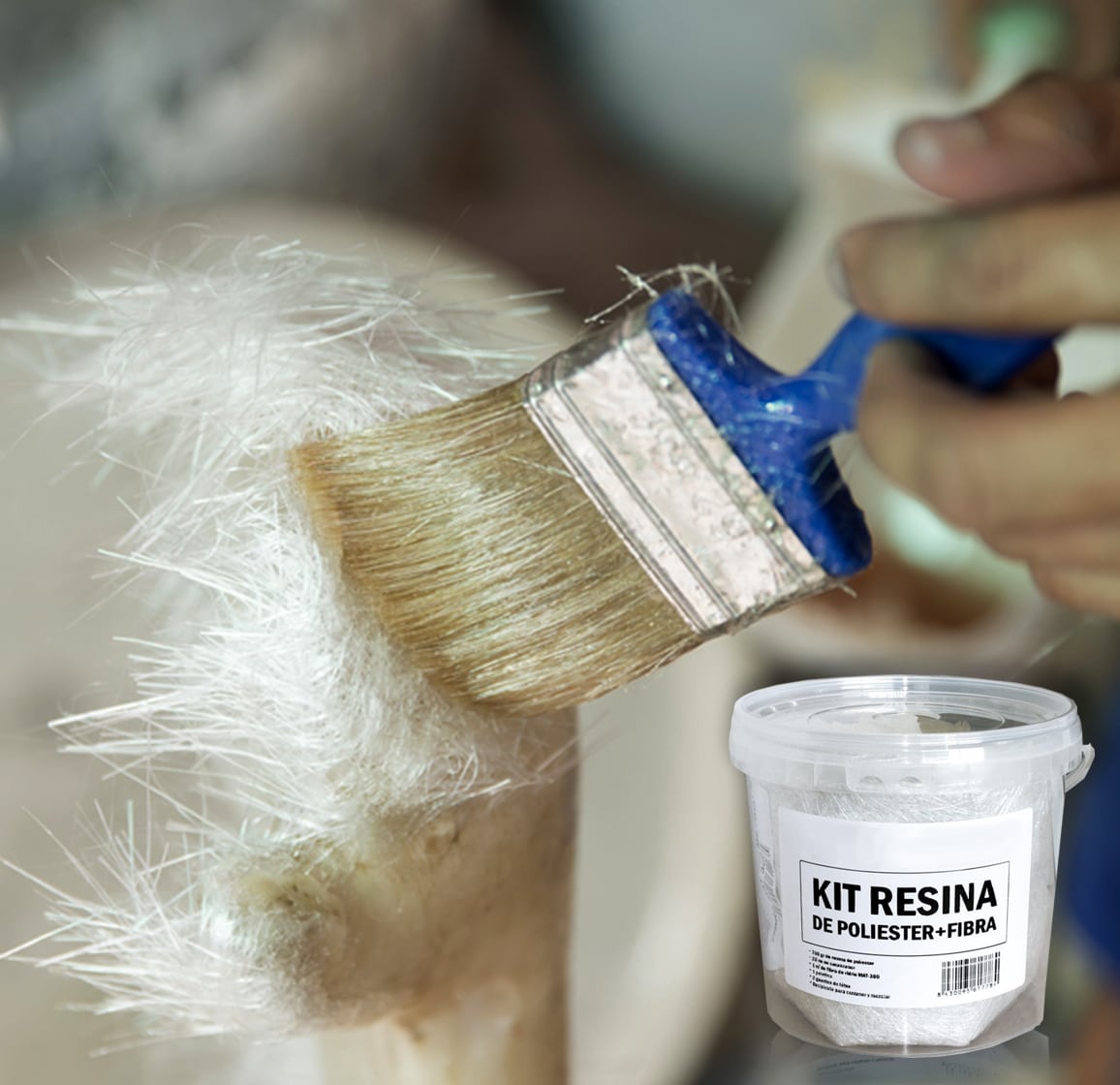
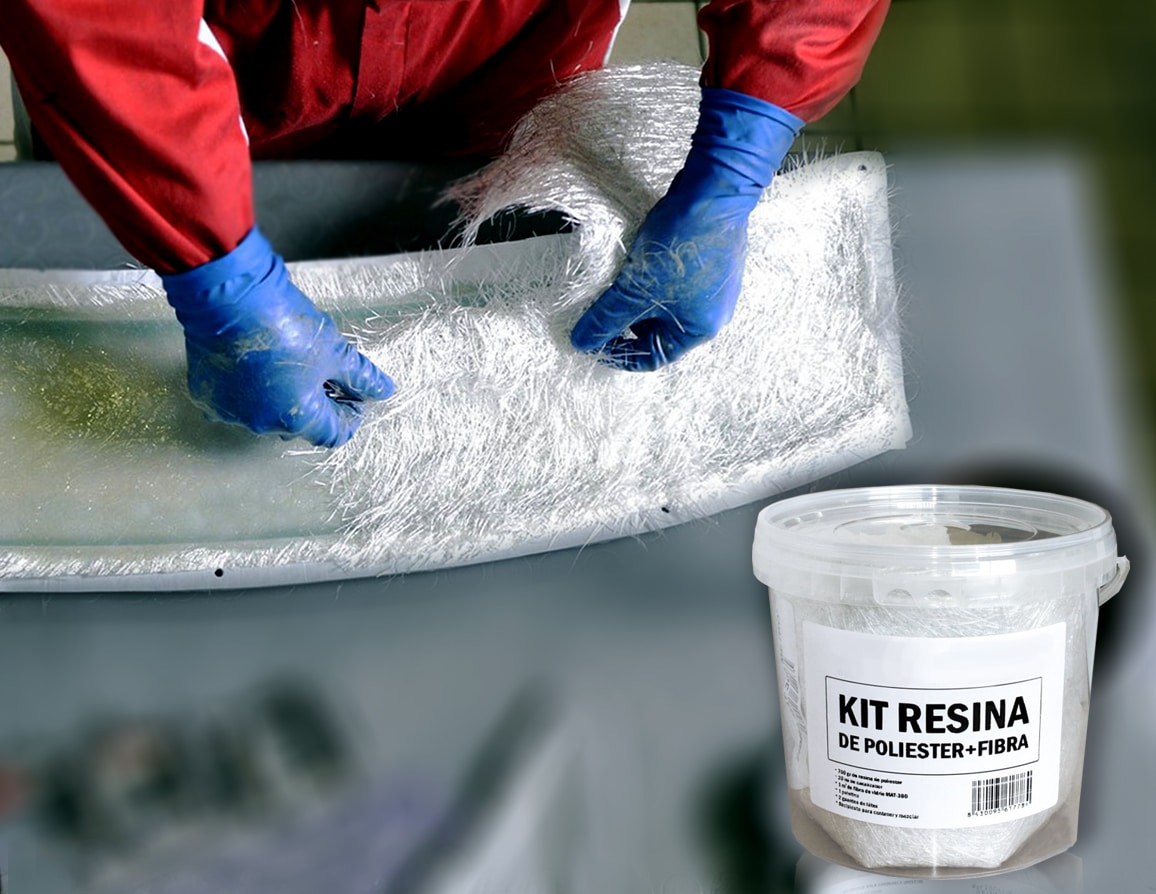
Polyester resin is valued for its cost-effectiveness and rapid curing. It’s widely used in bodyshop environments due to its straightforward application and quick turnaround, especially when used as part of a kit such as the Resin Fibreglass Repair Kit – Complete Polyester Resin and Hardener Set. While slightly less tough compared to epoxy, polyester resin is ideal for urgent or large-scale repairs where speed and budget matter.
Practical Buying and Repair Tips
- For small cracks or chips, a two-component epoxy resin like the “Carbon Resin” Epoxy delivers a hard, seamless repair ready for priming and painting.
- For larger repairs or filling deeper dents, polyester-based putties such as CROP 2K Fiberglass Putty make feathering and sanding easy before final finishing.
- Always check the compatibility with your bumper’s material and follow preparation steps closely for proper adhesion.
When This Matters Most
If you need a bumper repair to withstand repeated knocks and last for years, epoxy is worth the investment. However, if the priority is a prompt, budget-friendly fix or covering a large area, polyester resin remains a reliable and efficient alternative.
Related products
Related guides
Choosing the right resin type helps you achieve a lasting, neat bumper repair. If you’re looking for a step-by-step repair method, see our full guide on how to repair a bumper with resin.