 Free shipping on orders over £29,85
  Shipping Tracking!


 Google
 Facebook
How to repair a bumper with resin?
Achieve a seamless, strong bumper repair with resin techniques

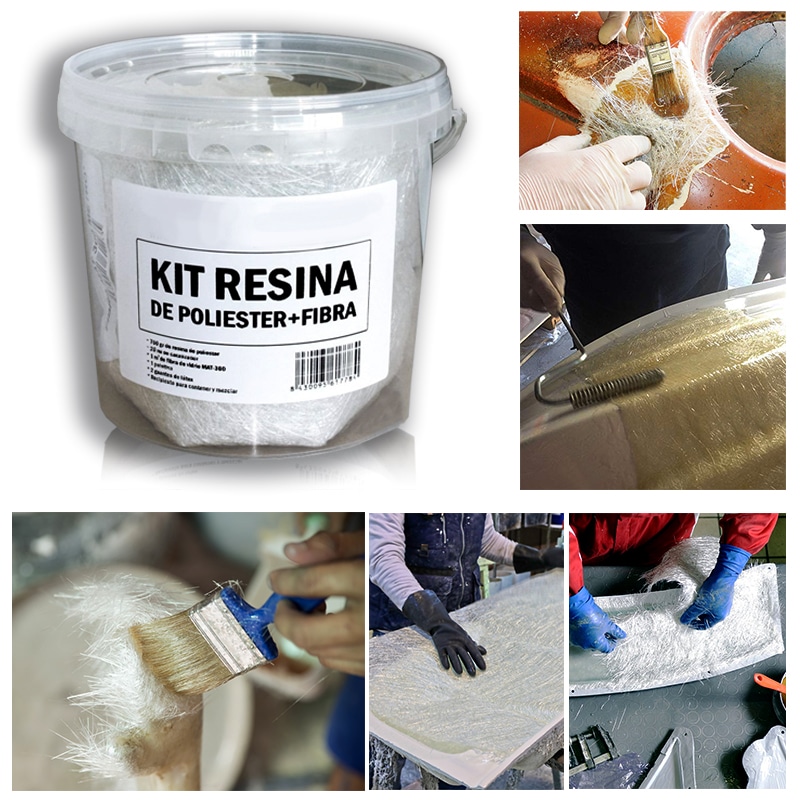
Restoring a damaged car bumper with resin is not only cost-effective but also gives you the satisfaction of a DIY success. This guide explains how to properly repair cracks, holes, and dents in plastic or fibreglass bumpers using resin techniques, so you can restore structural integrity and a smooth finish that looks as good as new.
What You’ll Need
- Resin Fibreglass Repair Kit – Complete Polyester Resin and Hardener Set – Ideal for reinforcing cracks or large holes
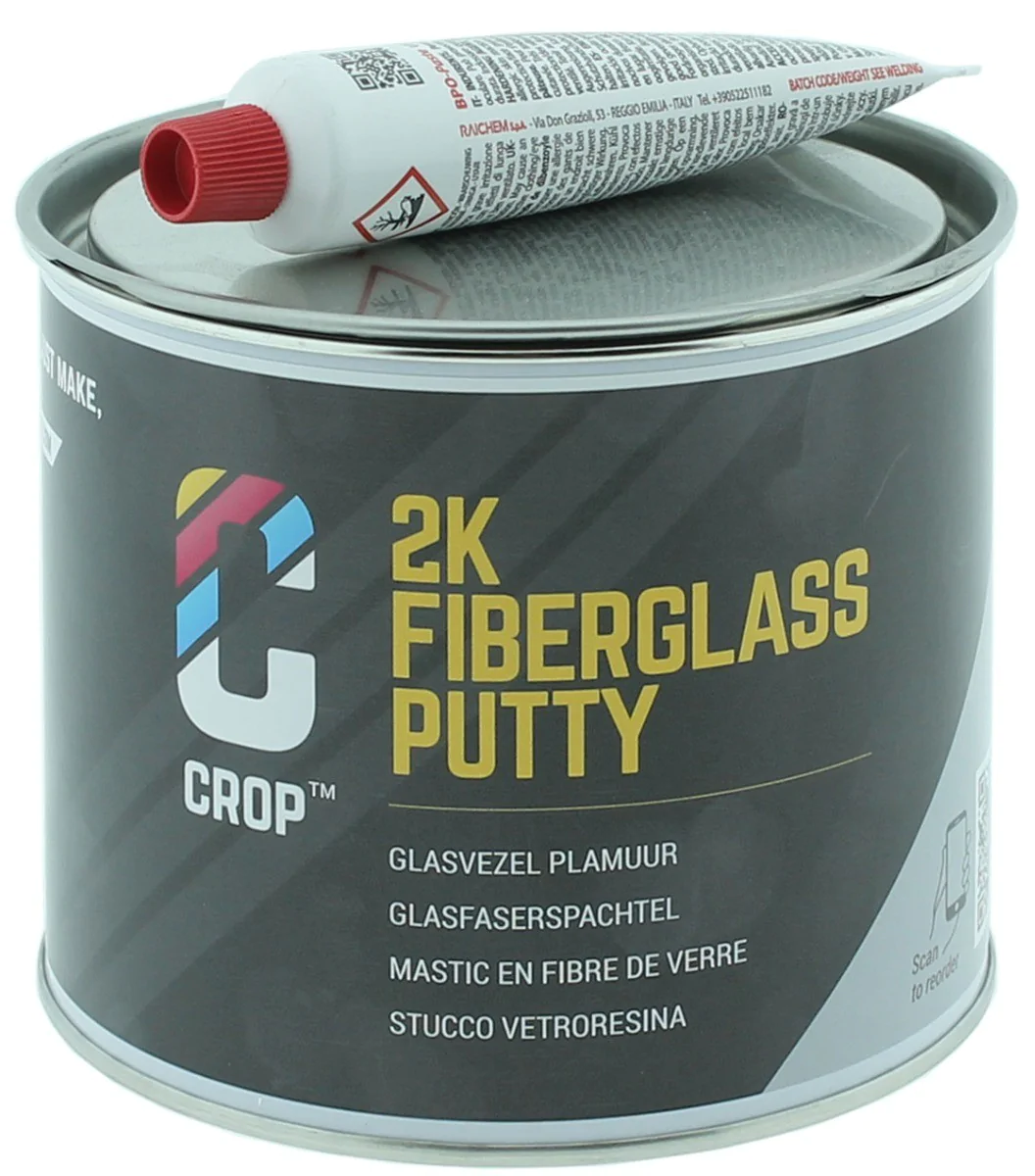
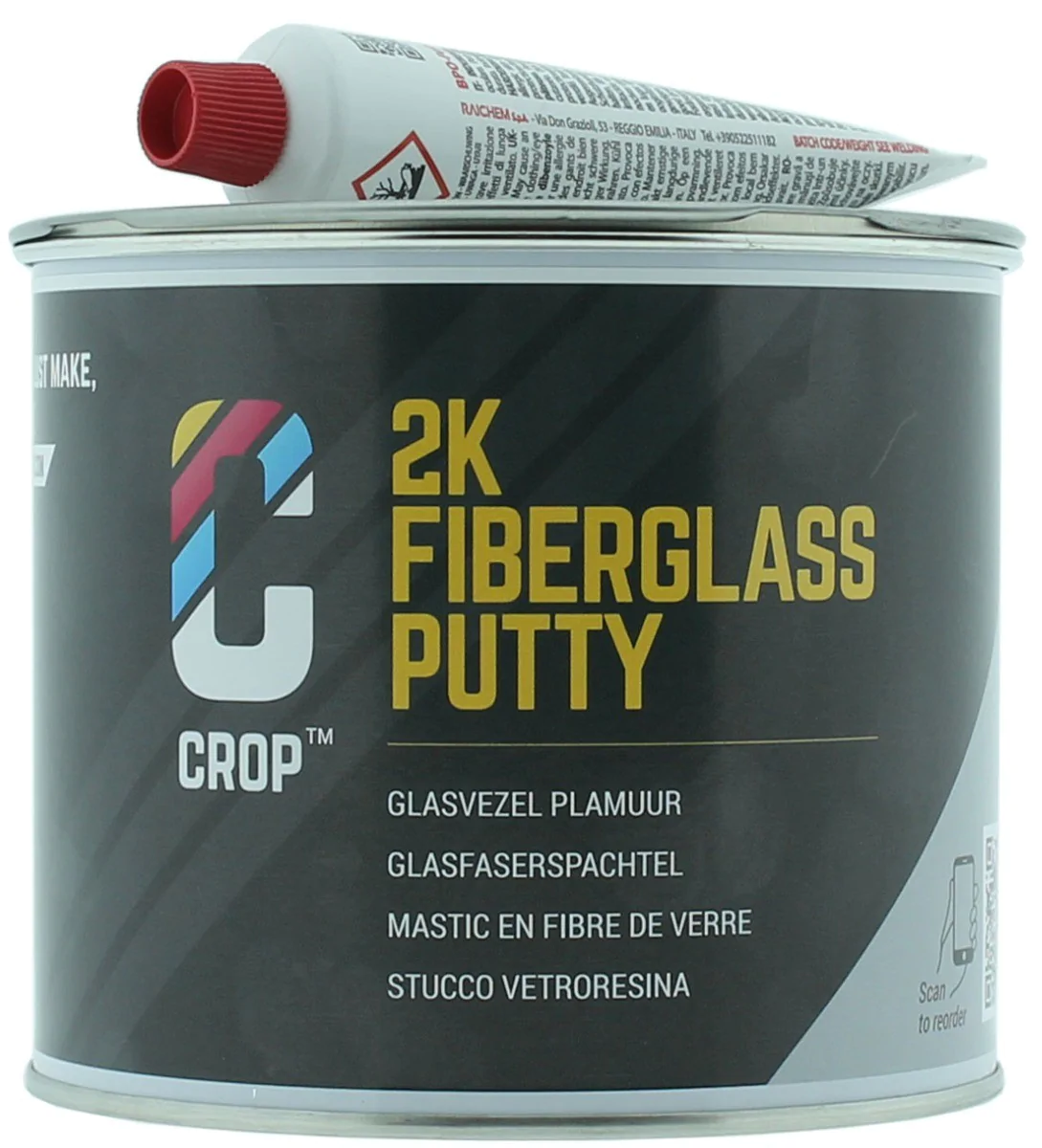
- CROP 2K Fiberglass Putty – 750 ml + Hardener – For filling dents, cracks, and deeper bodywork damage
- “Carbon Resin” – Epoxy Resin for Carbon Fiber & Fiberglass Coating – Useful for a glossy, tough surface finish on composite bumpers
- “FixExpress” – Two-Component Epoxy Glue 500g – For fast, minor adhesion and quick repairs
- Sandpaper (80, 120, 320, and 600 grit)
- Plastic spreader or putty knife
- Clean rags, acetone or degreaser, and disposable gloves
- Surgical mask and safety glasses
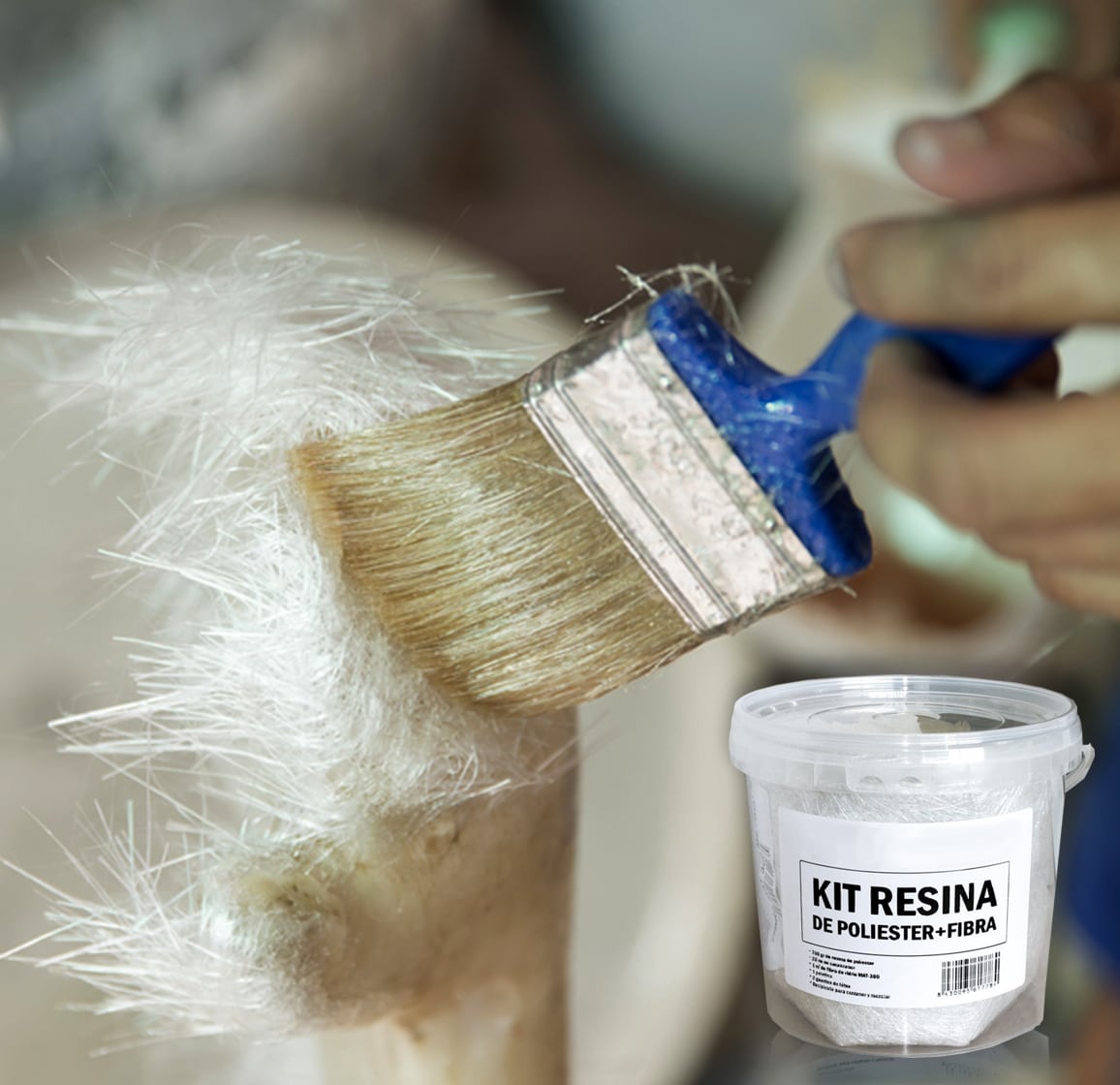
Visual Guide: Preparing and Reinforcing a Bumper
See step-by-step visuals of cleaning, sanding, and reinforcing bumper damage. Our images detail the transformation from surface preparation to fibre mat application, helping you ensure strong resin adhesion and long-lasting repairs.
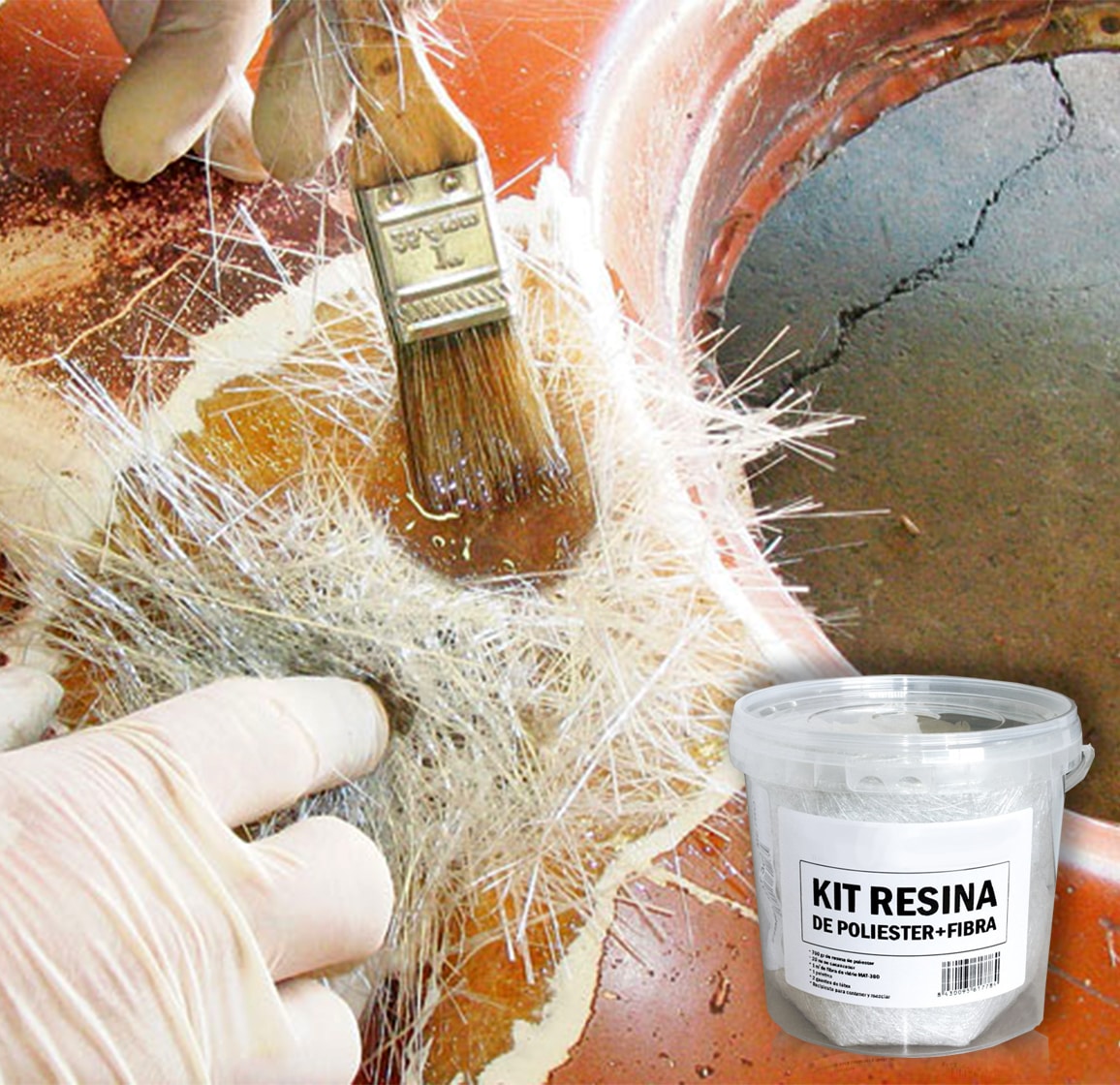
Step 1: Prepare and Clean the Damaged Area
Begin by thoroughly washing the bumper to remove dirt, grease, and road debris. After cleaning, dry the area completely. Next, use 80–120 grit sandpaper to sand around the crack, split, or hole—aim for 3–5 cm beyond the damaged edges. This rough surface helps resin and fillers bond securely.
Wear gloves and safety glasses to protect yourself from dust and resin splashes. Use a clean rag with acetone or a suitable degreaser to remove any remaining contaminants.
Step 2: Assess and Reinforce Structural Damage
Check if the damage is superficial or goes through the bumper. Superficial scuffs or minor cracks can often be handled with putty; larger cracks or holes require reinforcement. For substantial repairs, reinforce with fibreglass mat for larger or structural repairs. Cut the fibreglass mat to size, ensuring it overlaps the damage by at least 2–3 cm all around.
If you are reinforcing a larger area, follow the instructions in your Resin Fibreglass Repair Kit – Complete Polyester Resin and Hardener Set for preparing and saturating the fibreglass mat. Apply the mat on the rear or interior side when possible for a smooth exterior finish.
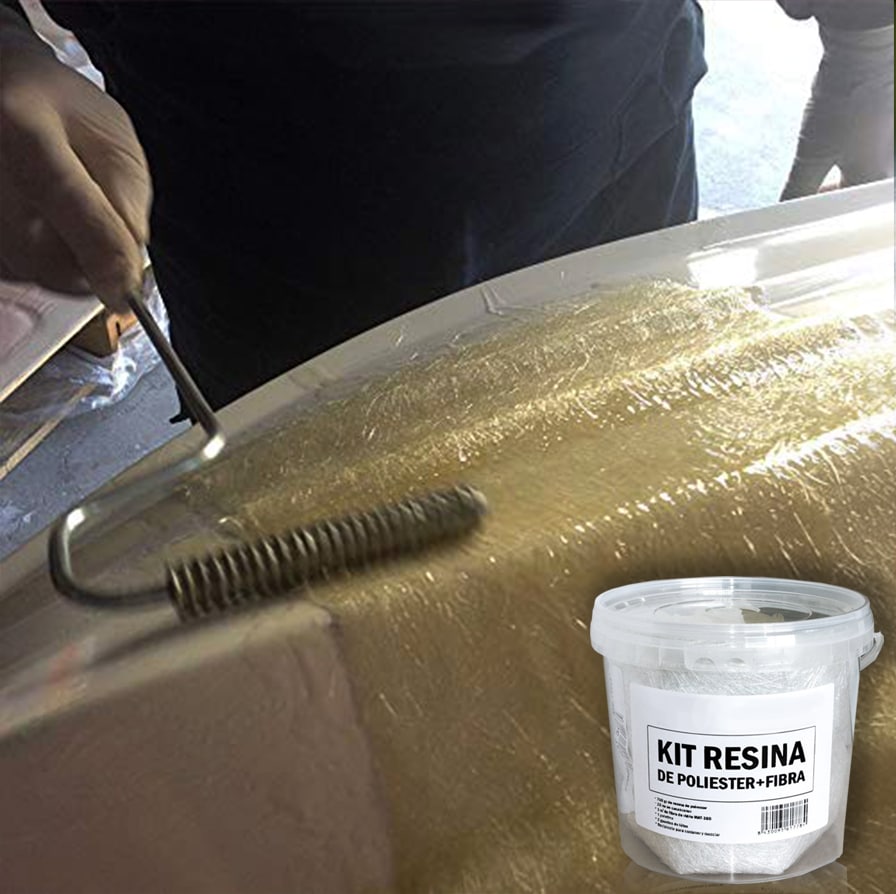
Step 3: Mix and Apply Resin or Filler
Select the correct repair material: for deep cracks, holes, or missing sections, use a fibreglass repair kit; for surface imperfections or small dents, a CROP 2K Fiberglass Putty is ideal. Carefully mix the resin and hardener as directed. Mix only the quantity you can apply within working time, as these products cure quickly.
Apply the mixed resin or putty smoothly using a plastic spreader. Press firmly to fill the entire damaged area. Build up layers if necessary, letting each layer cure before adding the next. For a quick bonding of small cracks or returning tabs, “FixExpress” – Two-Component Epoxy Glue 500g can provide fast adhesion.
Step 4: Sand, Finish and Prepare for Paint
Once the resin or putty has fully cured, sand the area starting with 120 grit, progressing through finer grades up to 600 grit for a perfectly smooth surface. Sanding is essential for a strong bond between the repair and primer. Remove all dust before priming the bumper for paint.
For a visible or exposed repair area on a composite bumper, you may wish to apply a thin layer of “Carbon Resin” – Epoxy Resin for Carbon Fiber & Fiberglass Coating for additional gloss and impact resistance before final sanding and painting.
Tips, Common Mistakes, and Troubleshooting
Do not rush curing times; premature sanding or painting can weaken the repair. Blend edges and use fine sandpaper for a flawless finish. Always follow manufacturer instructions for mixing ratios and safety precautions. If cracks reappear, double-check that reinforcement has enough overlap and that surfaces were free from contaminants.
Before and After: Resin Bumper Repairs
Compare damaged and fully restored bumpers after resin repair. Clear images of completed projects show how careful restoration and finishing deliver seamless, robust results, returning your car’s bumper to peak condition.
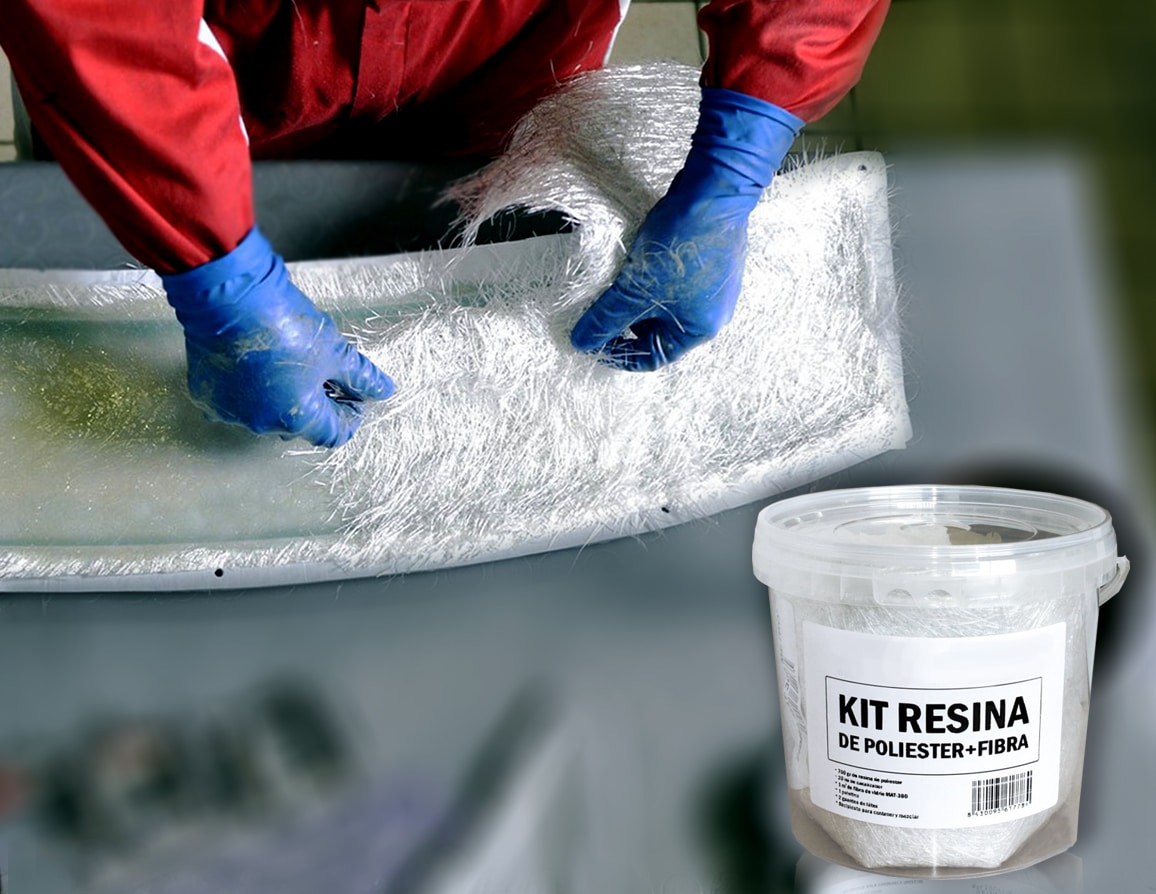
- Resin Fibreglass Repair Kit – Complete Polyester Resin and Hardener SetThe Resin Fibreglass Repair Kit provides durable waterproof bonds suitable for various rigid materials with clear instructions for all skill levels.
- CROP 2K Fiberglass Putty – 750 ml + Hardener£15.85CROP 2K Fiberglass Putty is a polyester putty reinforced with fiberglass, designed for durable repairs of cracks, dents and deep bodywork damage.
 "Carbon Resin" – Epoxy Resin for Carbon Fiber & Fiberglass CoatingPrice range: £19.95 through £37.95Epoxy resin designed for carbon fibre and fibreglass projects provides structural integrity and a glossy finish suitable for repair tasks.
 "FixExpress" – Two-Component Epoxy Glue 500g£26.95"FixExpress" epoxy glue sets rapidly and offers strong adhesion for quick repairs on multiple materials.
Frequently Asked Questions
Can you repair a cracked plastic bumper with resin?
Yes, resin and fibreglass kits are effective for repairing cracks and splits in rigid plastic bumpers, restoring structural strength.
How long does bumper resin repair take to cure?
Curing times vary; most polyester or epoxy resins fully cure in several hours, but leaving repairs overnight ensures maximum strength.
Do I need to use fibreglass mat for bumper repair?
Fibreglass mat is recommended for larger cracks or holes to add strength and prevent future splits, especially on thin or stressed areas.
Can you paint over resin bumper repairs?
Yes, once sanded smooth and properly primed, resin repairs on bumpers can be painted with automotive paints for a seamless finish.
Is epoxy or polyester resin better for repairing bumpers?
Both are suitable; epoxy resin provides a tougher, longer-lasting finish, while polyester is cost-effective and cures quickly.
Should I sand between coats of resin or putty?
It's best to sand lightly between layers if they have fully cured. This promotes better adhesion and a smoother final surface.