 Free shipping on orders over £29,85
  Shipping Tracking!


 Google
 Facebook
← Back to How to remove silicone residue from resin?


If you’re struggling with stubborn silicone residue on your resin projects, you might be tempted to reach for regular household cleaners. However, these products are rarely effective—and may even risk damaging resin surfaces if not used with care.
Why Household Cleaners Usually Fail
Most general-purpose household cleaners are not formulated to break down silicone residue. Silicone is designed to be resistant to both water and many common cleaning agents, meaning standard sprays, soaps, or wipes often leave it untouched. Even worse, some household cleaners can be abrasive or contain chemicals that dull or damage the finish of your resin piece.

Best-Suited Cleaning Alternatives
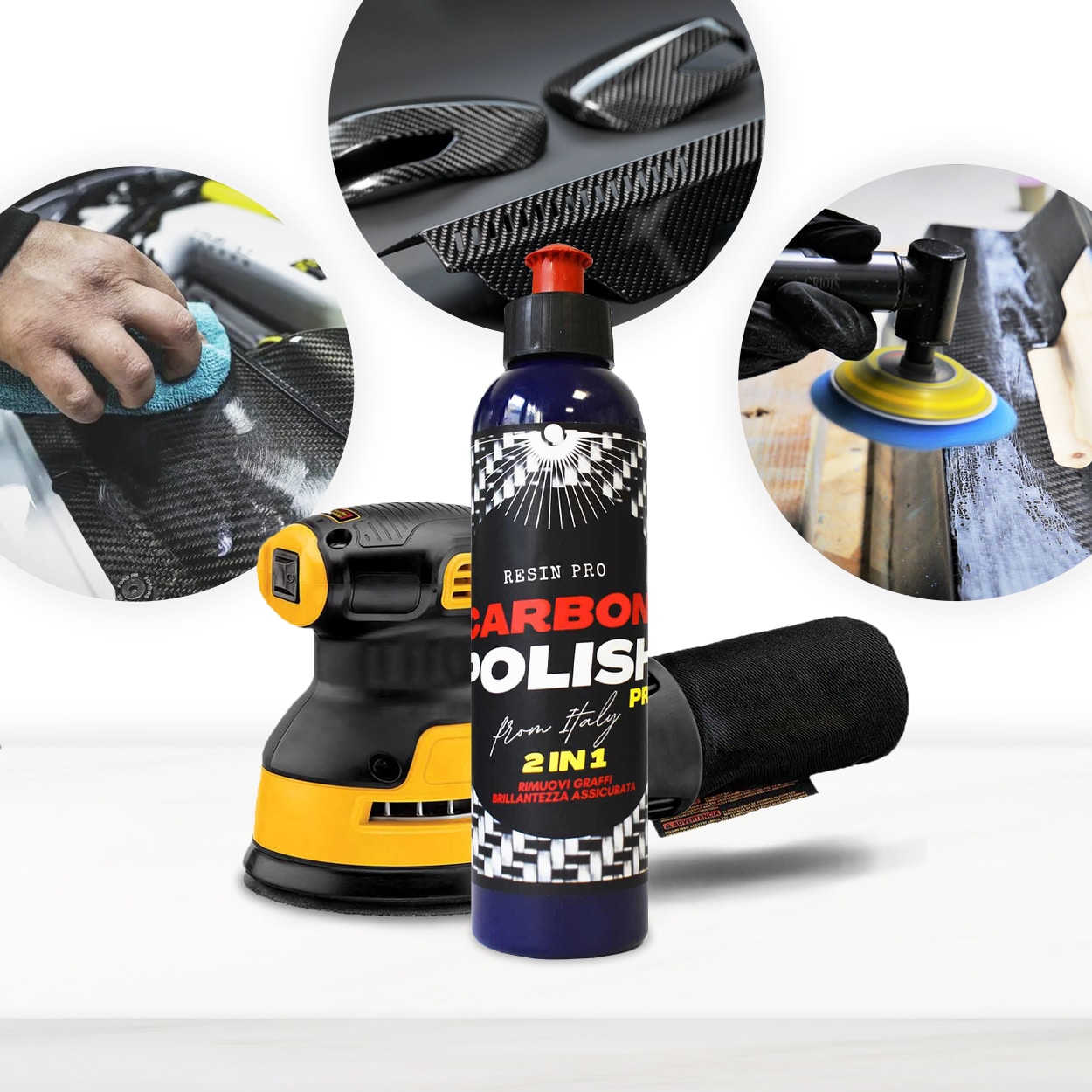
For effective silicone residue removal, opt for products engineered specifically for the task. For example, a Strong Technical Degreaser for Resin Projects uses a natural, solvent-free formula that safely dissolves silicone and grease without harming delicate resin surfaces. Another practical option is high-purity isopropyl alcohol, which can aid in cleaning and preparation, though care should be taken around heat sources. Polishing creams designed for resin can also help restore shine after residue is removed.
When This Matters: Achieving a Pristine Resin Finish
Removing silicone residue is especially important before recoating, painting, or polishing resin. Residue left behind can interfere with adhesion, distort finishes, or cause uneven curing. Using the right cleaner ensures a smooth, professional look and lasting results.
Related products
Related guides
While household cleaners may be handy for day-to-day messes, they simply can’t handle silicone residue on resin. For optimal care and brilliant results, choose dedicated resin cleaning solutions—explore our main guide for further tips on silicone removal from resin.