 Free shipping on orders over £29,85
  Shipping Tracking!


 Google
 Facebook
How to remove silicone residue from resin?
Achieve flawless resin finishes with expert silicone removal steps


Silicone residue left on resin projects can lead to dull finishes, poor adhesion for coatings, or visible contamination marks. Whether you are repairing, casting, or polishing, knowing exactly how to remove stubborn silicone from your resin surfaces is crucial for quality results. This guide lays out essential steps and safety advice to help you achieve a flawless, residue-free finish every time.
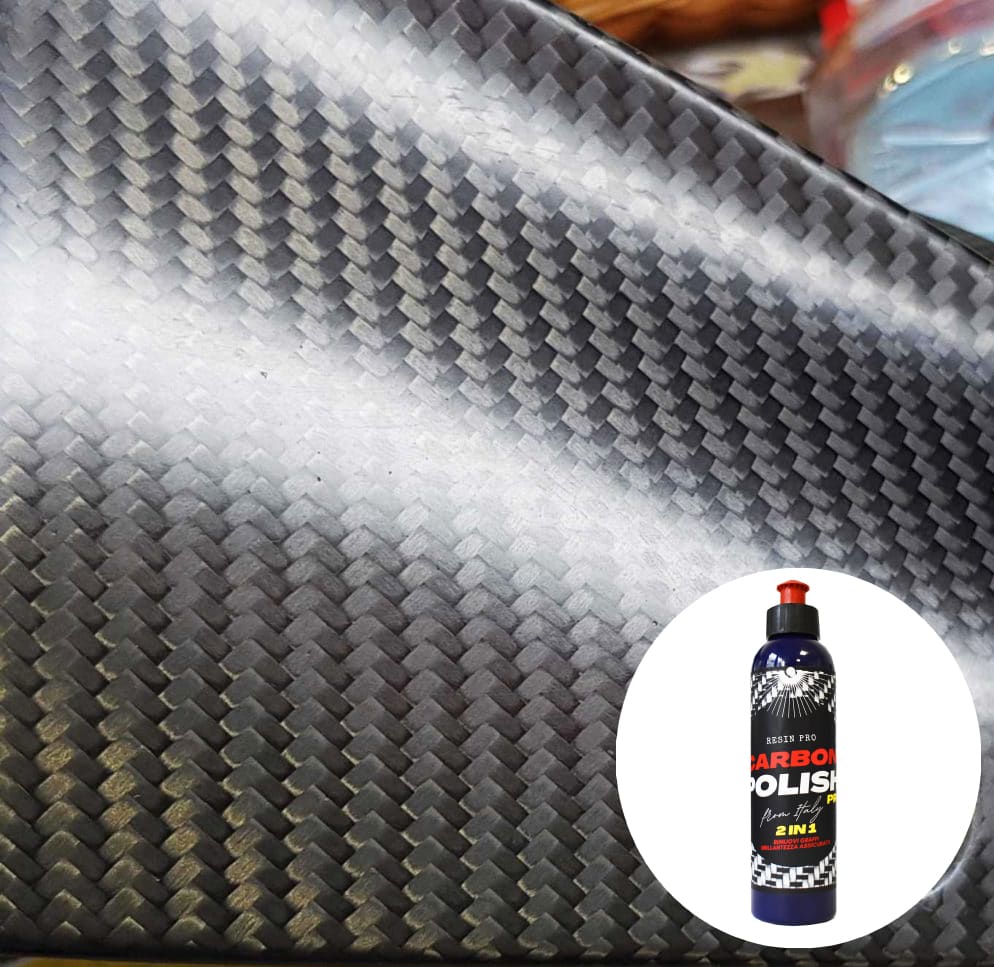
What You’ll Need
- Strong Technical Degreaser for Resin Projects – 100% Natural Formula
- Pure Isopropyl Alcohol 99.9% – 1000ml Bottle for Epoxy Resin Projects & DIY
- “Carbon Polish” – Polishing System for Dark and Black Surfaces, 250ml (if polishing is required)
- Lint-free microfibre cloths
- Soft non-abrasive sponges or pads
- Protective gloves
- Safety goggles
- Ventilated workspace
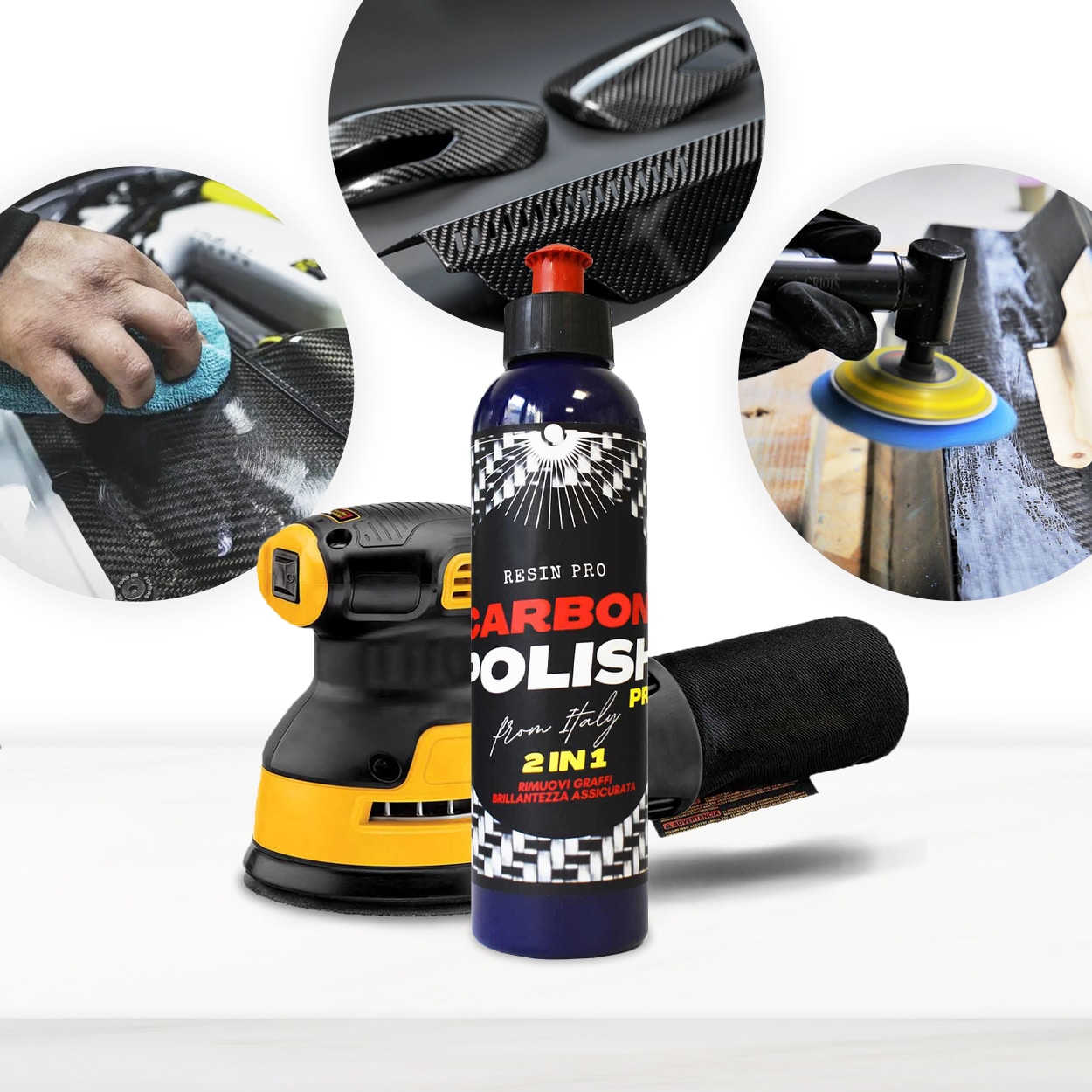
Cleaning Tools in Action
Visual demonstrations of degreasers, alcohol, and cloths removing stubborn silicone residues from resin surfaces. Notice the transformation from dull, marked areas to a clean, high-gloss finish.
Step 1: Assess and Prepare the Surface
Begin by examining your resin surface for visible silicone spots or greasy residues. Dust and debris can trap residue, so use a clean, dry, lint-free cloth to gently wipe away any loose particles before you start. Ensure your workspace is well-ventilated and gather all materials in advance, including protective equipment to safeguard your skin and eyes. Take care not to scratch the resin as you prepare it for cleaning.
Step 2: Apply a Suitable Degreaser
To effectively break down silicone residue, select a cleaner formulated for resin work. Apply the Strong Technical Degreaser for Resin Projects – 100% Natural Formula onto a microfibre cloth or a soft pad. Gently rub the affected area in circular motions, allowing the product to penetrate for several minutes if the residue is stubborn. This natural, hypoallergenic formula is safe for regular use and will not harm resin, metals, or ceramics commonly found in crafting projects. Repeat the process for persistent spots.
Step 3: Remove Residue with Isopropyl Alcohol
Once the degreaser has lifted most of the silicone, moisten a fresh lint-free cloth with Pure Isopropyl Alcohol 99.9%. Carefully wipe the entire resin surface to remove remaining traces and evaporate any liquids left behind. Isopropyl alcohol also helps prepare the resin for subsequent processes or coatings by ensuring it is free from contaminants. Always avoid open flames or heat sources when working with alcohol, and ventilate your space well during and after use.
Step 4: Final Polish for a Pristine Finish
If your piece is dark or has visible light scuffs, use “Carbon Polish” – Polishing System for Dark and Black Surfaces. Apply a small amount to a clean applicator and polish the area by hand or using a low-speed power tool if appropriate. This formulation contains no silicone and leaves no white marks, preserving your resin’s clarity and colour. For best results, remove all polish residues with another clean cloth. Avoid using abrasive pastes that may introduce new scratches or any polishes containing silicone.
Tips, Common Mistakes, and Troubleshooting
- Always use lint-free cloths for cleaning resin: This prevents new fibres sticking to the surface during cleaning.
- Test cleaning products on a small area first: Some resins may react to certain solvents, so checking in an inconspicuous spot is best.
- Ventilation and safety gear are essential with solvents: Isopropyl alcohol is flammable and irritating if mishandled.
- Work in circular motions to avoid surface streaks: This technique gives even coverage and helps lift residue effectively.
- Never scrape silicone with metal tools—this can scratch or gouge resin irreparably.
- If residue persists, reapply degreaser and let it sit longer before gently rubbing again.
Professional Results After Cleaning
See the difference after proper silicone removal and polishing—a gleaming, flawless resin project free from imperfections and films. These images showcase best practice cleaning and finishing for both hobbyist and professional applications.

- Strong Technical Degreaser for Resin Projects – 100% Natural FormulaOriginal price was: £10.95.£9.45Current price is: £9.45.Strong Technical Degreaser is a natural formula cleaner effective for removing grease and silicone on various surfaces related to resin projects.
- Pure Isopropyl Alcohol 99.9% – 1000ml Bottle for Epoxy Resin Projects & DIYPrice range: £10.45 through £20.95Pure Isopropyl Alcohol 99.9% in 1000ml is suited for epoxy resin projects, aiding bubble removal and creative resin effects.
- "Carbon Polish" – Polishing System for Dark and Black Surfaces, 250mlPrice range: £18.95 through £47.45Carbon Polish Black is designed for polishing dark or black surfaces in epoxy resin projects, providing a clean and effective finish.
Frequently Asked Questions
Can household cleaners remove silicone residue from resin?
General household cleaners often fail to dissolve silicone residues effectively and may damage resin surfaces.
Is technical degreaser safe for all resin types?
Natural technical degreasers are formulated to be safe for most resin types, but testing on a small area is advised.
How long should I leave degreaser on silicone residue?
Let the degreaser work for several minutes before wiping, especially if the residue is persistent.
Is isopropyl alcohol better than degreaser?
Isopropyl alcohol removes final traces and evaporates cleanly, while a degreaser breaks down and lifts the bulk residue.
When should I use polish after cleaning resin?
Use a silicone-free polish if scuff marks or dullness remain after cleaning, restoring lustre to dark resin surfaces.
What safety precautions are needed with resin cleaning chemicals?
Always ventilate your workspace and wear protective gloves and goggles when using solvents like alcohol or degreasers.