 Free shipping on orders over £29,85
  Shipping Tracking!


 Google
 Facebook
← Back to What grit should you sand resin with?
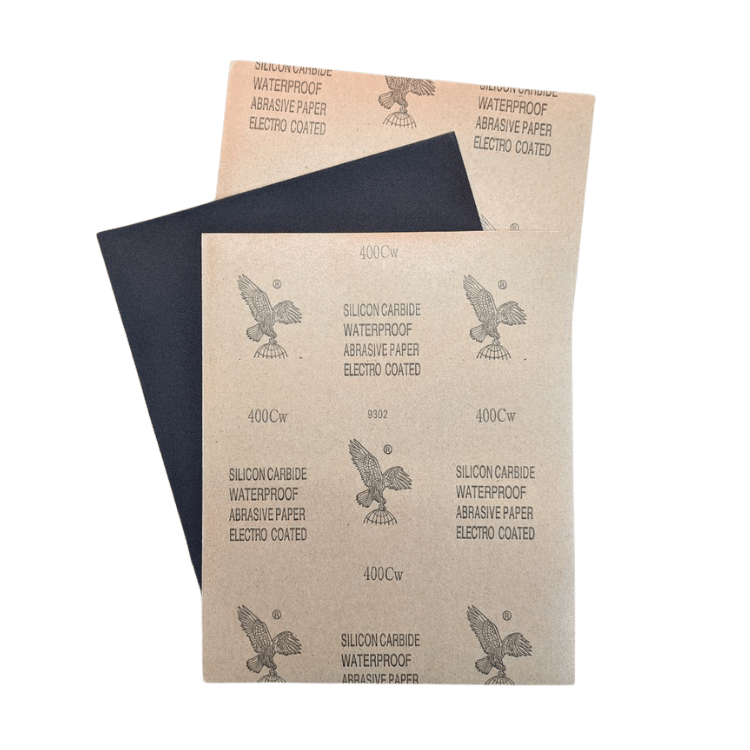
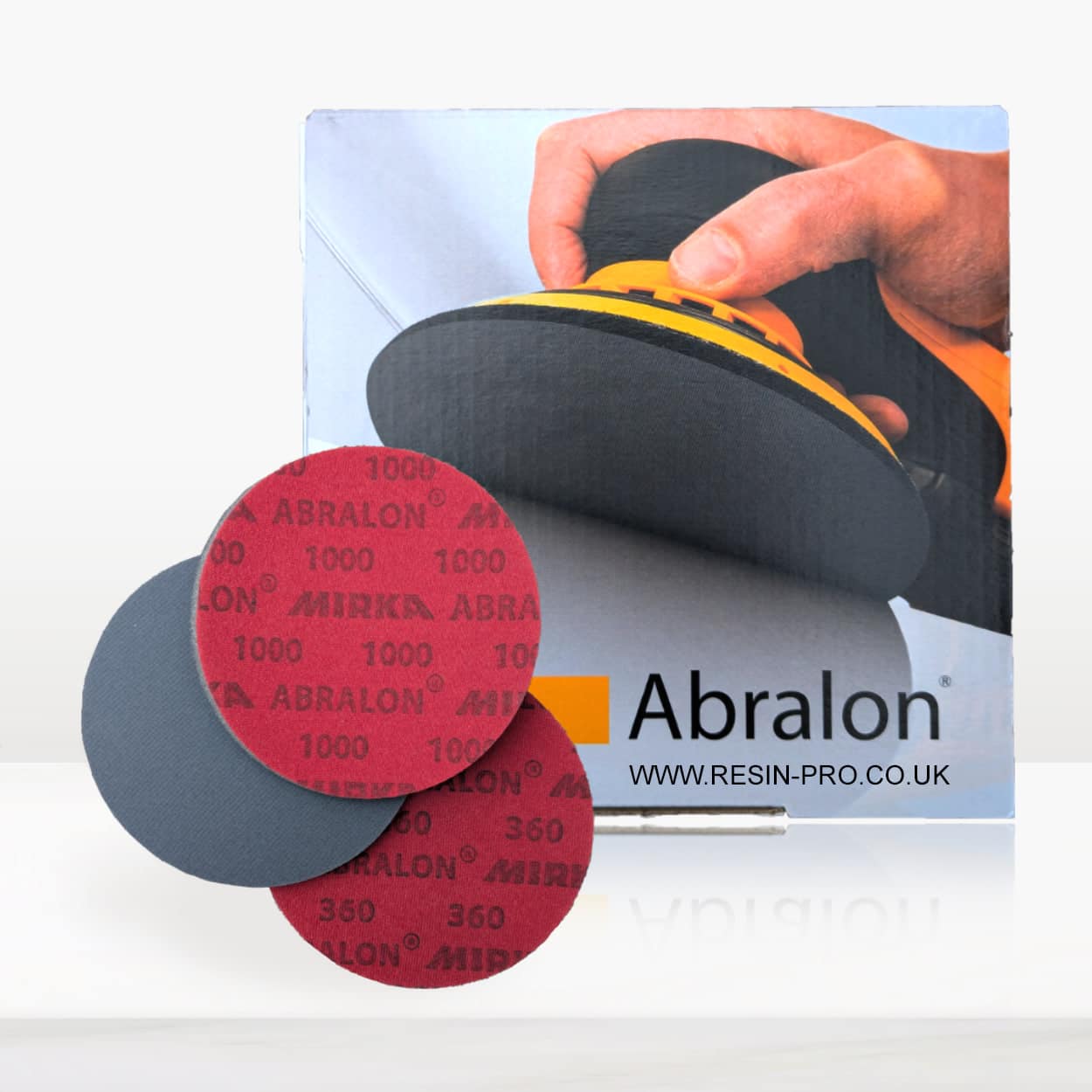
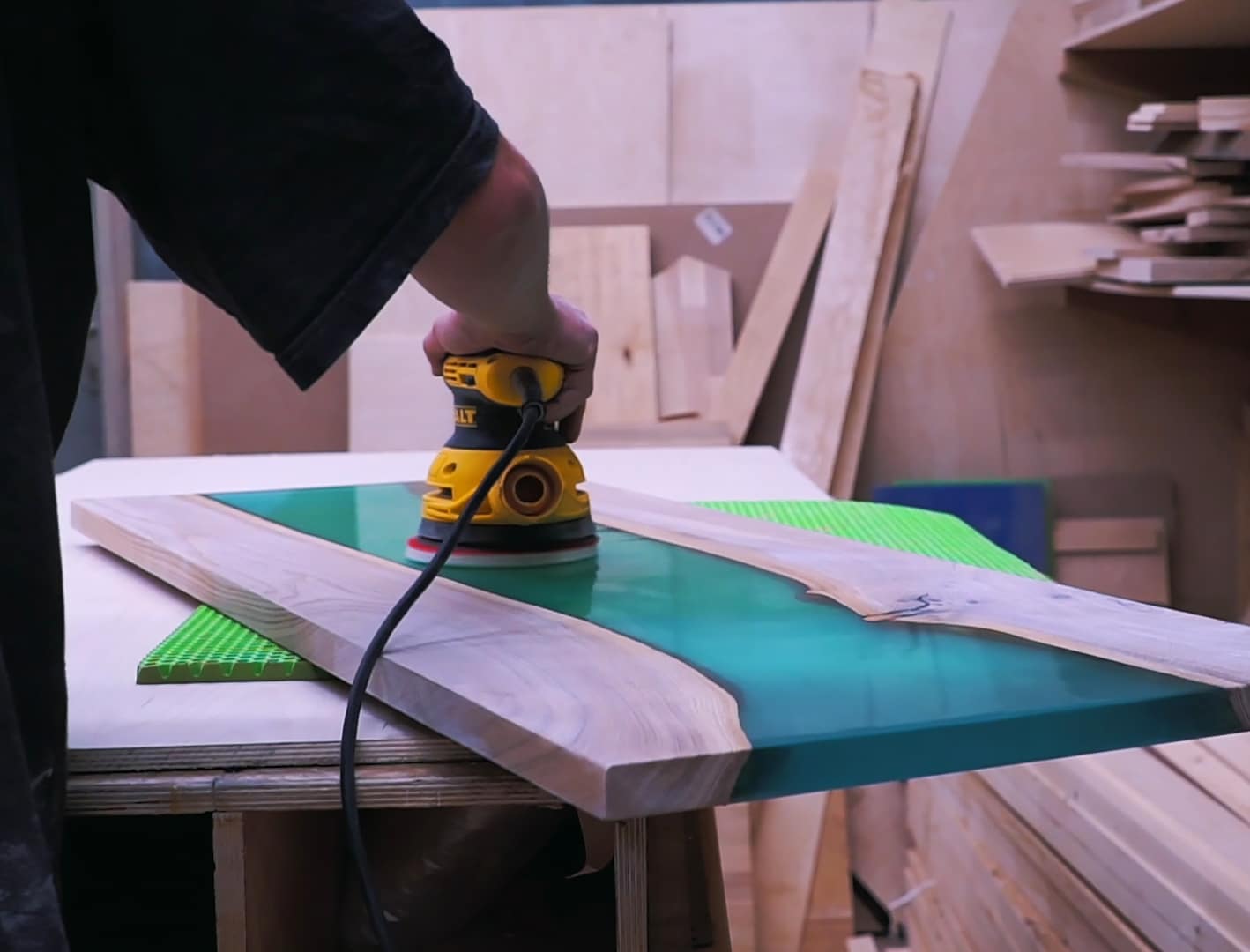
Sanding is a crucial step in achieving a smooth, professional-looking resin finish. One common question is whether to sand resin wet or dry. Here’s what you need to know to choose the right method for your project.
What’s the Difference between Wet and Dry Sanding?
Wet sanding uses waterproof abrasive paper and water to lubricate the surface, while dry sanding is performed with regular or specialised dry-use abrasives. Wet sanding helps reduce dust and minimises clogging of the paper. Dry sanding, on the other hand, creates more dust but may be preferred for quick, coarse shaping or when access to water is limited.
Choosing the Right Sandpaper for Resin
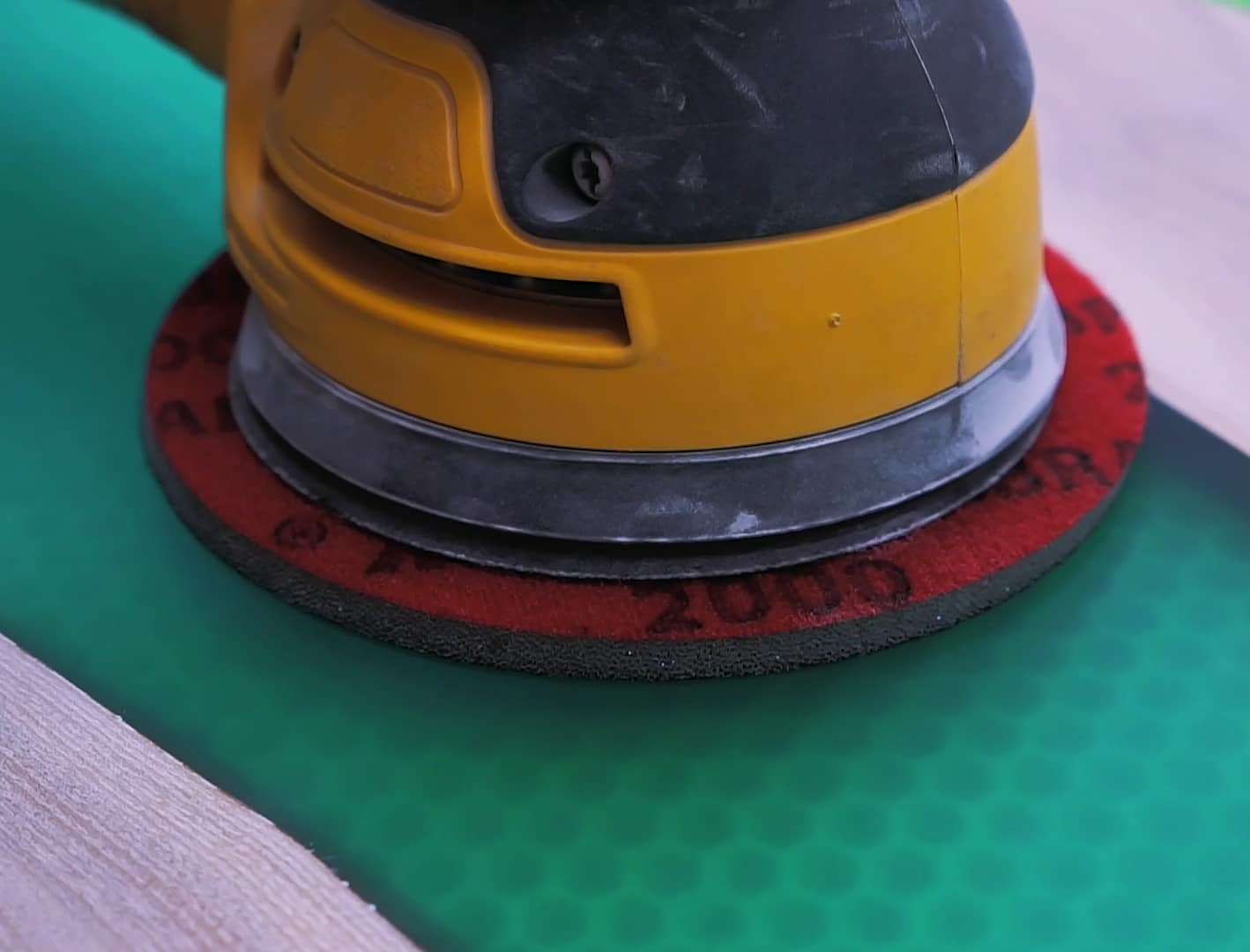
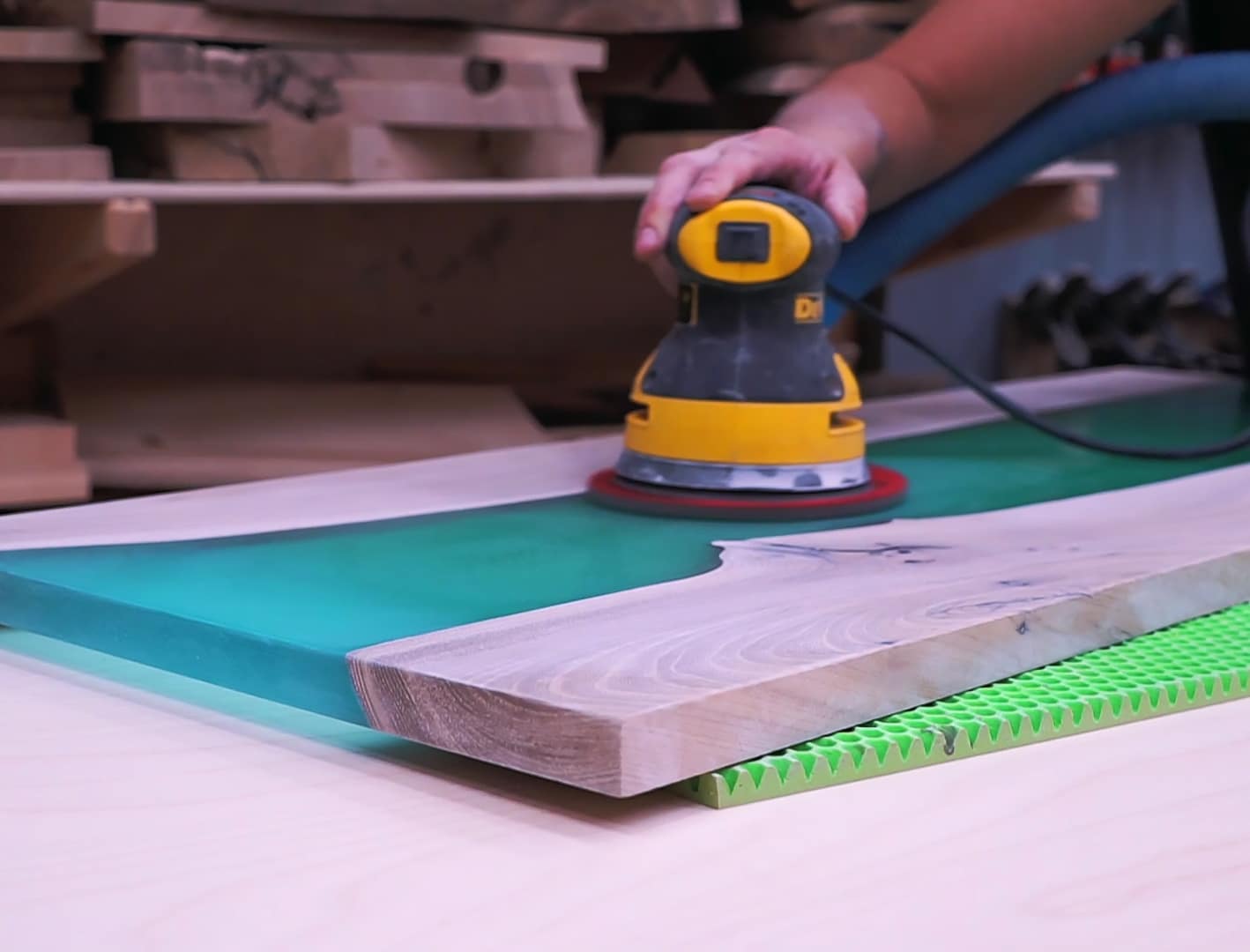
If you plan to use water during sanding, choose waterproof options such as A4 Waterproof Sanding Paper, designed for effective wet or dry use. For strictly dry sanding, purpose-made discs like the 150mm Sanding Paper Discs are an efficient choice. For projects needing both approaches, versatile pads such as the “Ebonite Abralon” Sanding Pads work well with or without water, supporting detailed finishing across various resin and wood surfaces.
When Wet or Dry Sanding Matters Most
- Wet Sanding: Ideal for minimising airborne dust and preventing abrasive clogging, especially on detailed or polished resin surfaces.
- Dry Sanding: Suited for initial shaping and quick removal where water isn’t practical or for preparation between coats.
Related products
Related guides
Deciding between wet and dry sanding comes down to your project needs and materials at hand. Selecting the right approach makes achieving a flawless resin finish much more straightforward. See our full guide on what grit you should sand resin with for step-by-step advice.