 Free shipping on orders over £29,85
  Shipping Tracking!


 Google
 Facebook
What grit should you sand resin with?
Choose the optimal sanding products for smooth resin finishes.
Achieving a flawless finish on epoxy resin projects comes down to the right sanding technique and, crucially, the correct grit selection. Whether you’re a resin artist, a DIY enthusiast, or a professional maker, understanding which sandpaper grits to use at different stages will help you attain ultra-smooth, glass-like surfaces on all your creations. This page guides you through choosing the best sanding products and grit progressions tailored for resin work.
Understanding Sandpaper Grits for Resin Finishing
Sanding resin is more than just a preparatory step – it’s key to achieving a clear, polished surface free from scratches and imperfections. The sanding process typically follows a sequence, beginning with coarser grits to remove surface flaws, then progressing to finer grits for smoothing and polishing. For epoxy resin, using the correct type and grit of sandpaper is vital, as it prevents surface cloudiness and ensures minimal abrasion marks. Choosing between dry and wet sanding or selecting foam-backed pads or traditional papers depends on your project and working style.
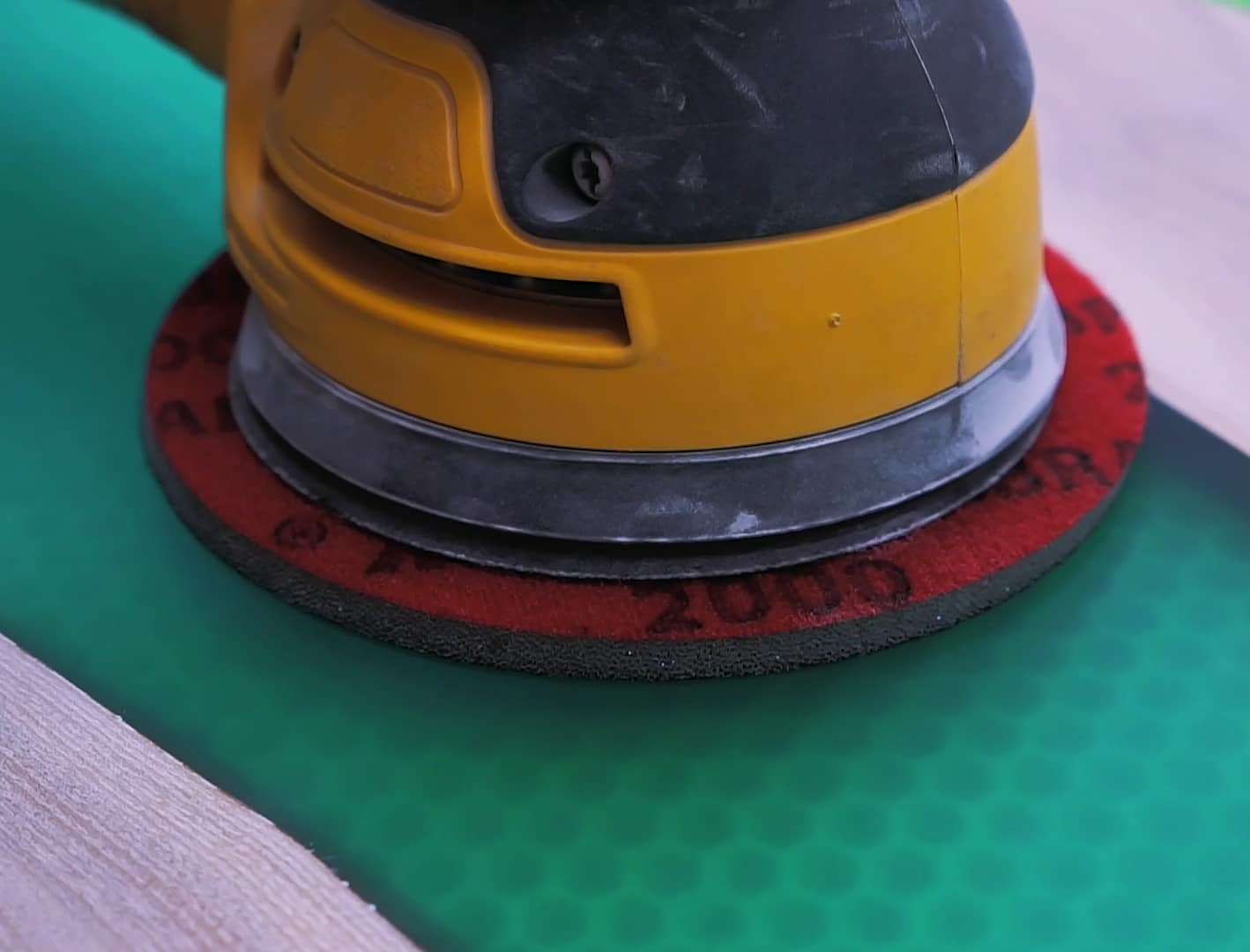
See the Difference: Grit Levels and Polished Results
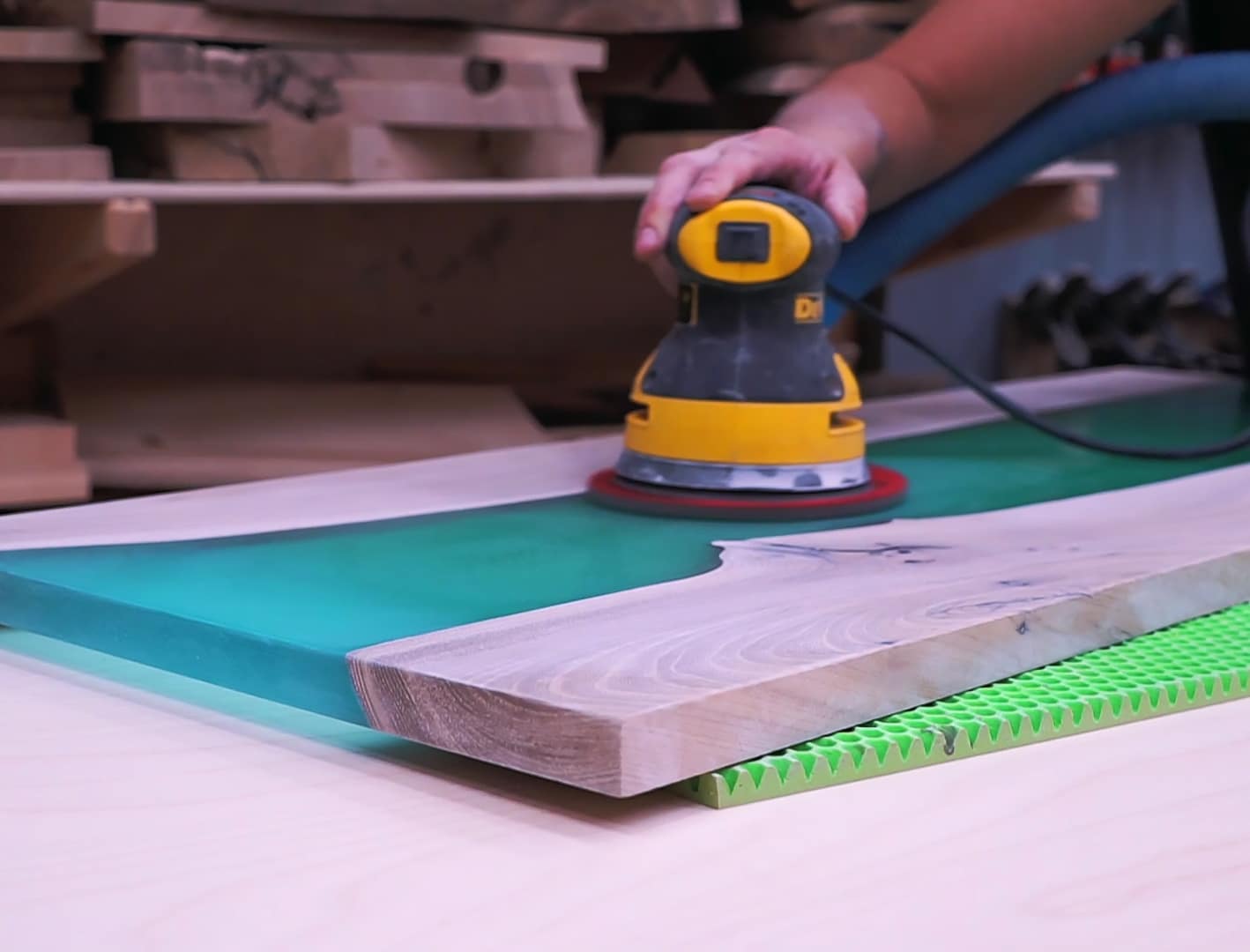
Compare resin finishes achieved using different grit progressions. Notice how a sequence from coarse to ultra-fine eliminates surface imperfections and enhances clarity. Smooth, scratch-free results are best achieved through patient, gradual sanding – especially with quality products from our Sanding and Polishing category.
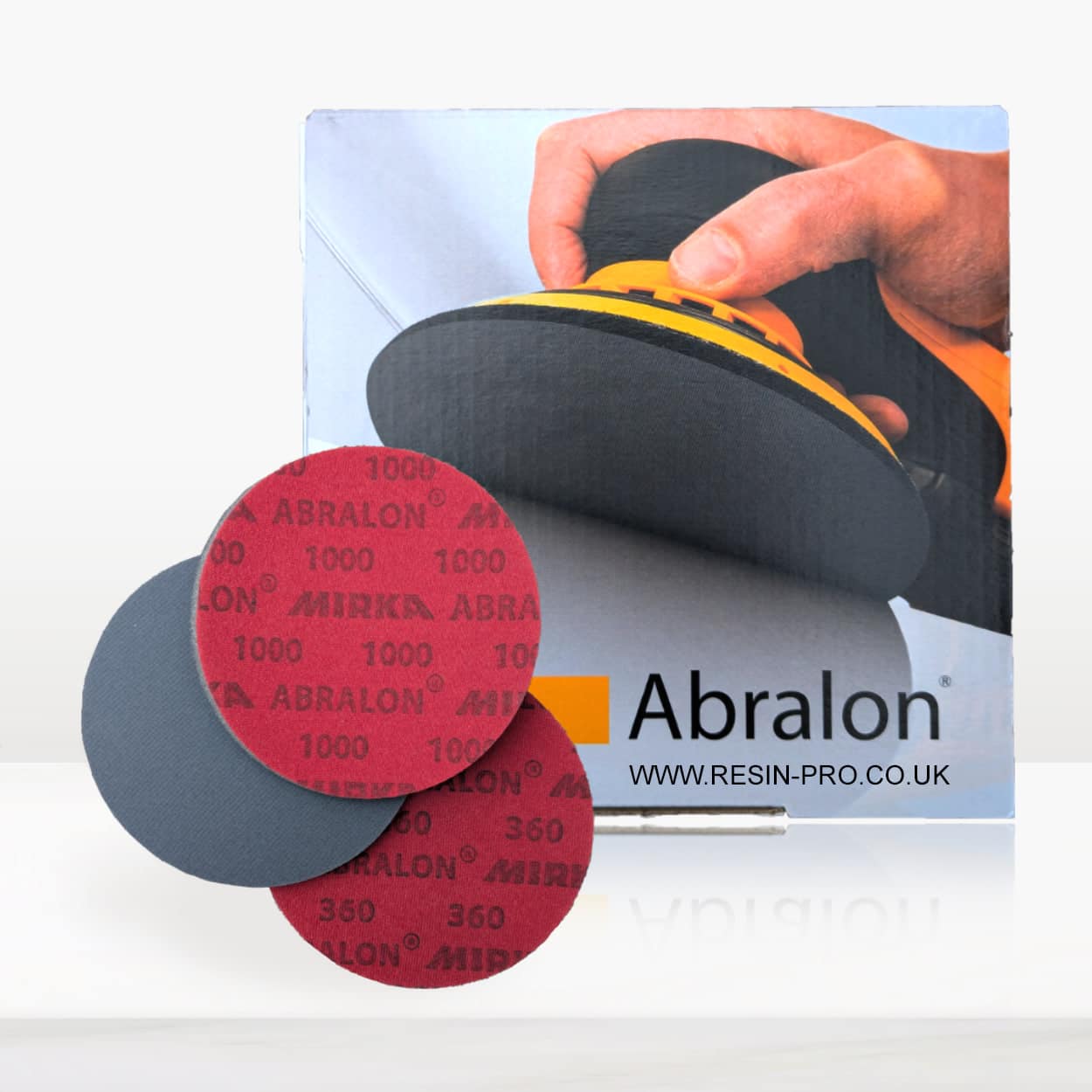
“Ebonite Abralon” – Sanding Pads 360-4000 Grit for Resin and Wood
The “Ebonite Abralon” – Sanding Pads 360-4000 Grit for Resin and Wood are specially engineered for both resin and wood. What sets them apart is their broad grit range (360 to 4000), which allows you to move from material removal to ultra-fine polishing without changing sanding systems. The foam backing offers consistent surface pressure, crucial for avoiding divots or uneven sanding, and supports wet or dry use. These pads are a favourite among resin crafters seeking satin or glass-smooth finishes on coasters, jewellery, tables and art pieces.
If you’re looking for the full spectrum of finishing in one reliable product, these sanding pads make grit progression simple and efficient.
150mm Sanding Paper Discs – Assorted Grits for Resin & Wood Finishing
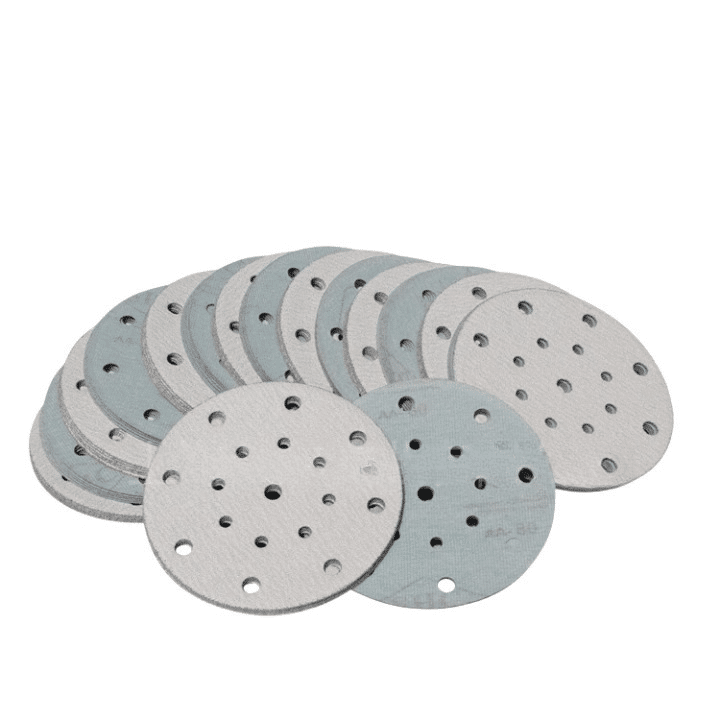
For those working with orbital sanders, 150mm Sanding Paper Discs provide assorted grits to accommodate every stage of resin surface preparation. Their premium abrasive material ensures durability and consistent sanding performance. Each disc includes a 17-hole pattern for dust extraction, minimising mess and keeping your workspace clean during dry sanding. These discs shine when used on larger flat surfaces like resin tables or serving boards, making them ideal for both professionals and serious hobbyists.
A4 Waterproof Sanding Paper Assorted Grits Pack of 4 for Crafting and Woodworking
The A4 Waterproof Sanding Paper Assorted Grits Pack of 4 for Crafting and Woodworking is the go-to option for those who prefer both hand sanding and wet sanding techniques. These papers are available in various grits, and the waterproof construction enables you to use water to minimise resin dust and heat. The A4 size is ideal for controlled, detailed sanding on intricate pieces such as resin jewellery, cabochons, or artwork, offering flexibility for small and medium projects alike.
Dry Sanding Discs Kit 150mm – Assorted Grits for Resin and Wood
The Dry Sanding Discs Kit 150mm – Assorted Grits for Resin and Wood features six grit levels from p80 to p600, providing everything needed for initial shaping, levelling, and finishing. The large 150mm diameter ensures efficient coverage, and the selection of grits is perfect for transitioning from rough shaping (p80–p180) through to fine finishing (p320–p600). Especially suited for dry sanding stages, this kit is great for prepping the resin surface before moving on to high-grit or polishing steps.
Choosing the Right Grit Progression for Resin Projects
The key to a flawless resin finish is proper grit progression – starting coarse and gradually moving finer. Begin with 80–180 grit only if you need to remove significant surface defects or level out uneven castings. Follow up with 240–400 grit abrasives to refine texture, then proceed to 800, 1500, or up to 4000 grit pads, such as the Ebonite Abralon Sanding Pads, for the satin or gloss finish. Wet sanding is recommended for grits above 600 to minimise heat and scratching, with waterproof options like the A4 sheets offering excellent versatility. Remember, skipping grits can leave visible scratches—move sequentially for the best clarity and smoothness.
Expert Tips for a Professional Resin Finish
Always clean surfaces between grit changes to prevent abrasive contamination. Use wet sanding for the final stages to reduce dust and avoid heat damage. Rely on consistent pressure for uniform results—let your sanding pad, not excessive force, do the work for you.
- "Ebonite Abralon" – Sanding Pads 360-4000 Grit for Resin and Wood£4.15Ebonite Abralon sanding pads offer a range of grits suitable for precise sanding on resin and wood surfaces.
- 150mm Sanding Paper Discs – Assorted Grits for Resin & Wood Finishing, 10pcs£9.45These discs offer assorted grits suitable for sanding resin and wood, supporting various stages of finishing.
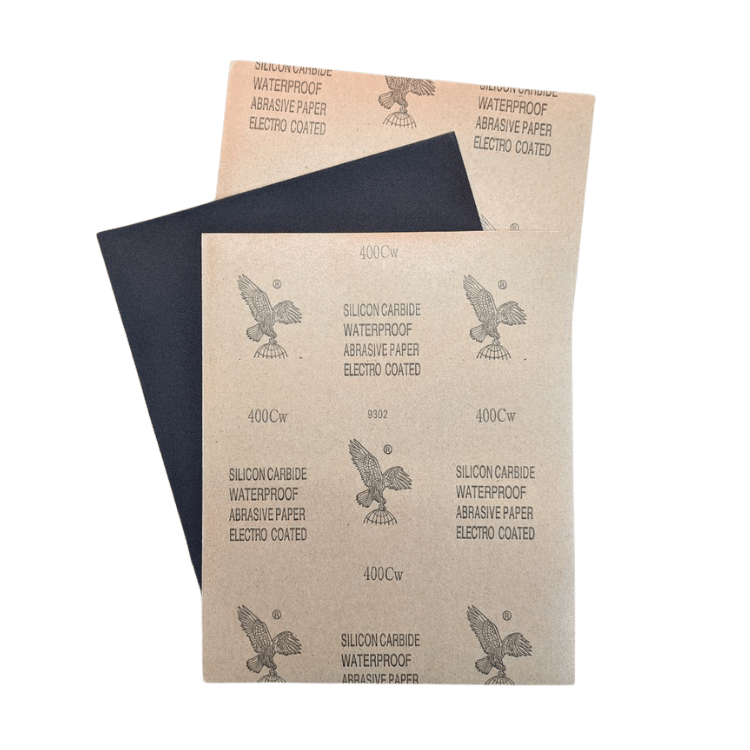 A4 Waterproof Sanding Paper Assorted Grits Pack of 4 for Crafting and Woodworking£7.45A4 Waterproof Sanding Paper offers various grit options for controlled sanding, suitable for resin art and woodworking projects.
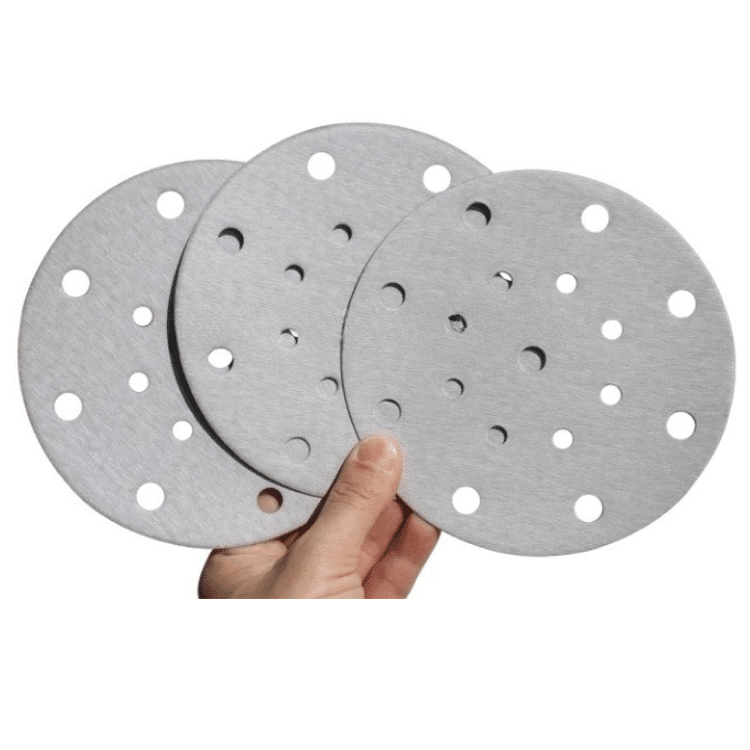 Dry Sanding Discs Kit 150mm – Assorted Grits for Resin and Wood£7.45The Dry Sanding Discs Kit includes 150mm sanding discs suitable for resin and wood projects, supporting professional finishing needs.
Frequently Asked Questions
What grit should I start with for sanding a resin table?
Begin with 120–180 grit for levelling, then progress through finer grits such as 320 and 600 for best results.
Why is wet sanding recommended for resin projects?
Wet sanding reduces heat, minimises dust, and helps achieve a scratch-free, clearer finish on epoxy resin surfaces.
Can I use standard woodworking sandpaper on resin?
Yes, as long as the grit is appropriate for resin. Waterproof types offer more flexibility for wet or dry sanding.
How do I avoid scratches when sanding resin?
Use a proper grit sequence and never skip steps. Clean your work between sanding stages and use light, even pressure.
What are the benefits of foam-backed sanding pads?
They provide even pressure, reduce risk of gouging, and follow contours smoothly, ideal for resin crafts.
When should I switch from dry to wet sanding?
Switch to wet sanding at grits 600 and above to reduce friction and achieve the best clarity in the final finish.